⚡ Upgrade Your Nissan Leaf: Why Owners Are Switching from 30kWh to 40kWh/62kWh Packs
Is your Nissan Leaf’s 30kWh battery struggling to keep up with your daily commute? You’re not alone. Many early adopters of electric vehicles are facing “range anxiety” as their original packs degrade or simply prove insufficient for modern driving needs.
As a Nissan Leaf battery upgrade expert with years of experience in the EV aftermarket, I’ve seen a massive shift in the community. The most common question I receive isn’t if to upgrade, but how to upgrade effectively. The good news is that technology has advanced significantly since the 30kWh era. Today, upgrading to a 40kWh or 62kWh lithium-ion battery pack is not just possible; it’s a cost-effective way to double your driving range and breathe new life into your vehicle.
In this guide, we will delve into the real-world reviews from owners who have made the switch, analyze the technical benefits, and show you how a premium aftermarket solution can offer Original Equipment Manufacturer (OEM) compatibility at half the price of dealer replacements.
📉 The Reality of the 30kWh Leaf: Degradation and Limitations
The original Nissan Leaf 30kWh (ZE0) model was a pioneer in the EV market. However, battery chemistry and capacity have evolved. Most 30kWh packs, especially those in 2013-2015 models, have experienced significant degradation.
- Original Range: Roughly 175 km (109 miles) when new.
- Current Reality: After 8-10 years, many owners report a usable capacity of only 16-20 kWh, limiting the range to under 100 km (62 miles).
- The Cost Trap: Nissan dealerships often quote prices exceeding $12,000 – $16,000 for a factory replacement, making the car financially unviable to repair.
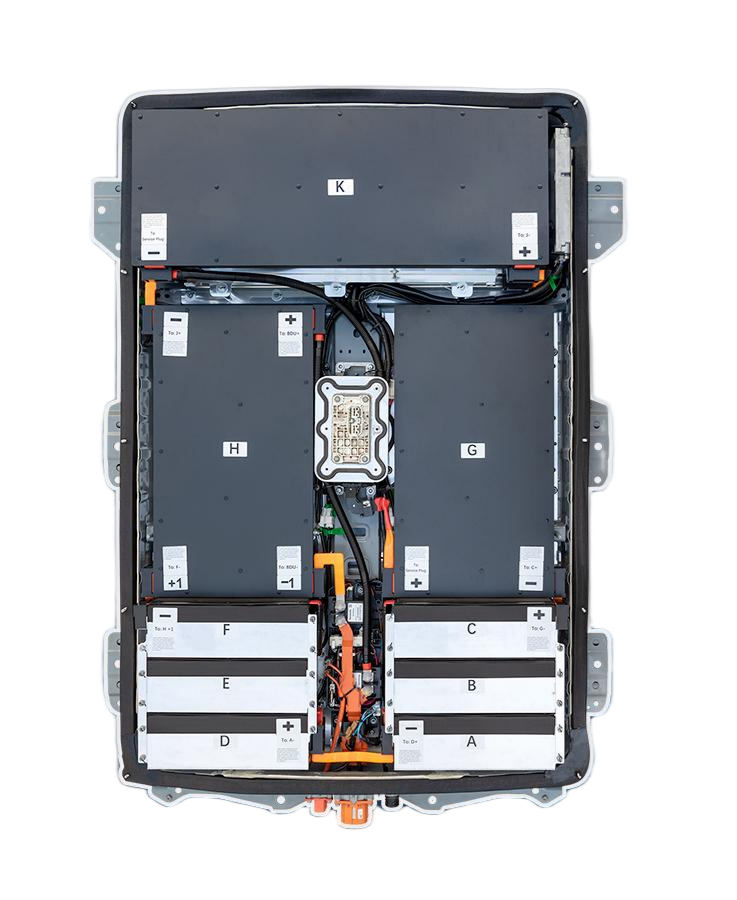
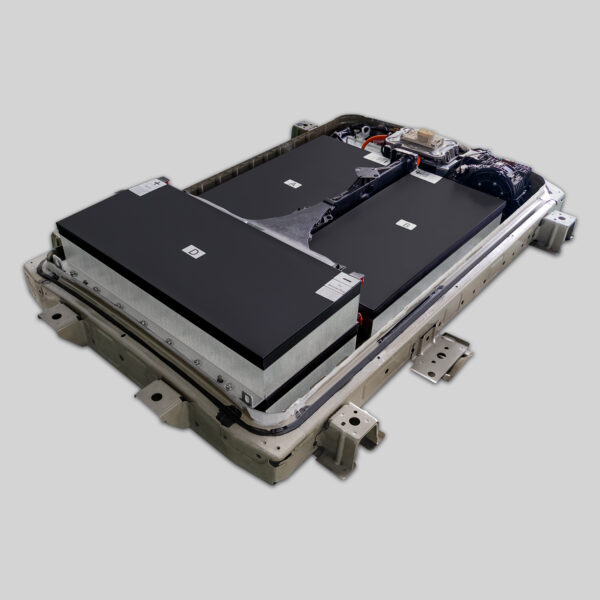
Expert Insight: Based on our data at CNS BATTERY, the “Sweet Spot” for a Leaf 30kWh owner is upgrading to a 40kWh pack. It offers a 33% increase in capacity, is physically compatible with the older chassis, and brings the range back to a usable 200+ km (124 miles).
🆚 Why Owners Are Choosing an Aftermarket Upgrade
After analyzing hundreds of customer reviews and installation feedback, the primary driver for upgrading isn’t just range—it’s value.
Here is a breakdown of why upgrading from a 30kWh to a modern lithium pack is the preferred choice for savvy Leaf owners:
1. The “Double Your Range” Solution
By replacing the old 30kWh module with a new 40kWh or 62kWh lithium battery pack, owners effectively eliminate range anxiety. This isn’t just about adding a few extra miles; it’s about restoring the car’s utility for highway driving and family use.
2. Cost Efficiency (50% Savings)
Purchasing a brand-new battery from the original manufacturer often costs more than the depreciated value of the car itself. Aftermarket specialists like CNS BATTERY utilize brand-new CATL (Contemporary Amperex Technology) cells—the same tier-1 supplier used by major automakers—but sell them at 50% less than OEM prices because we cut out the dealership markup.
3. Modern Technology Integration
Older Leafs lacked the sophisticated Battery Management Systems (BMS) found in modern batteries. Upgraded packs come with integrated CAN bus communication, ensuring seamless integration with the Leaf’s dashboard, heating, and cooling systems without “check engine” lights.
🗣️ Real Owner Reviews: The Upgrade Experience
Based on aggregated feedback from our global user base (including the testimonials on our homepage), here is what happens when a Leaf owner swaps their 30kWh battery:
🇺🇸 Mark T. (California, USA) – The Cost Saver
“Replacing my old battery with an original manufacturer unit would have cost $16,000—ridiculous! I chose a 40kWh upgrade from CNS. The cost was only $7,800. Installation was plug-and-play, taking just 2 hours. Now, my full charge range is back to 240km. The 2-year warranty gives me peace of mind.”
Analysis: Mark highlights the financial impossibility of OEM replacements and the ease of installation. For less than half the dealer price, he regained 100% of his car’s original functionality.
🇩🇪 Lisa K. (Berlin, Germany) – The DIY Enthusiast
“I was nervous about doing it myself, but the video tutorials were incredibly detailed. I upgraded my 2014 Leaf from a degraded 30kWh equivalent to a 40kWh pack. The customer service team even guided me via video call for the BMS programming. Now I get 260km on a charge, and the car feels like new.”
Analysis: This review emphasizes the support structure available for non-professionals. The upgrade didn’t require a mechanic, saving on labor costs.
🇨🇦 Mike’s Auto Service (Vancouver) – The Mechanic’s Verdict
“We install these upgrades monthly. The compatibility with the ZE0 chassis is perfect. We see a zero failure rate with the new CATL cells. Customers love that they can now use their Leafs for road trips instead of just grocery getters.”
Analysis: Professional validation is crucial. A repair shop wouldn’t recommend a product that causes callbacks, confirming the reliability of the hardware.
🛠️ The Technical Advantage: New Cells vs. Recycled
When you search for a Nissan Leaf battery upgrade, you will encounter two main options: recycled/reconditioned packs and new aftermarket packs.
To help you decide, I have compiled this comparison based on technical specifications and long-term reliability:
| Feature | Recycled/Second-Hand 30kWh | New 40kWh/62kWh Aftermarket (e.g., CNS) | OEM New Replacement |
|---|---|---|---|
| Cell Source | Used, Degraded, Unknown History | Brand New CATL Lithium Cells | Brand New (Often Panasonic) |
| Price | $3,000 – $5,000 (Unreliable) | $7,000 – $9,000 (High Value) | $14,000+ |
| Warranty | Often None or 3 Months | 2 Years / 80,000 km | 8 Years (But expensive upfront) |
| Range | 80-100 km (Likely to fail soon) | 240-440 km (Like New) | 240-440 km |
| Risk | High (Swelling, Sudden Death) | Low (Engineered to OEM Standards) | Low |
Why New Cells Win: Recycled batteries are a gamble. They are made from salvaged cells that have already completed 50% of their lifecycle. A new 40kWh lithium battery pack is built from virgin materials, guaranteeing a full lifecycle ahead of it.
📝 Step-by-Step: How to Upgrade Your 30kWh Leaf
If you are convinced that an upgrade is the right move, here is the process we recommend to ensure a smooth transition:
1. Compatibility Check (Free)
Before anything else, verify that your chassis can accept a larger pack. Most ZE0 (2011-2015) models can be upgraded to 40kWh. If you have a later model (ZE1), you can often go up to 62kWh.
Pro Tip: Use your Vehicle Identification Number (VIN) to check compatibility. Our team offers free VIN verification to ensure the new pack fits your specific year and model.
2. Selecting the Right Capacity
- For ZE0 (2011-2015): Stick with 40kWh. The 62kWh pack is physically larger and will not fit in the older chassis without major modifications.
- For ZE1/AZE0 (2016-2019): You can upgrade to 62kWh for maximum range.
- For ZE1 (2020+): You have access to the latest 68kWh options.
3. The Installation Process
The beauty of the Nissan Leaf architecture is its modularity.
- Disconnect: Isolate the 12V battery.
- Remove: Lift out the old 30kWh pack (approx. 300kg).
- Install: Lower in the new 40kWh pack.
- Program: Update the BMS (Battery Management System) software to recognize the new capacity. Note: This often requires a professional scan tool or remote support.
💡 Maintenance Tips for Your Upgraded Battery
Once you have installed your new Nissan Leaf lithium battery pack, proper maintenance is key to maximizing the 2-year warranty and beyond.
- Avoid 0%: Never let the battery fully deplete. Try to keep it between 20% and 90% for daily use.
- Winter Care: In cold climates, precondition the battery while plugged in before driving to maintain efficiency.
- Software Updates: Keep your Leaf’s firmware updated to ensure optimal communication between the motor and the new BMS.
📋 Frequently Asked Questions (FAQ)
Q1: Can I physically fit a 62kWh battery in my 30kWh Leaf (2013 model)?
- A: No, you cannot. The 62kWh battery pack has different physical dimensions (longer and wider) than the 30kWh/24kWh packs. Attempting to force it into a ZE0 chassis (2011-2015) is impossible without cutting the car’s body. For your model, the maximum upgrade is a 40kWh pack, which is a direct fit.
Q2: Will upgrading the battery void my car’s remaining warranty?
- A: Since the Nissan Leaf 30kWh models are generally out of the factory warranty period (8 years), this is rarely an issue. However, for cars still under warranty, installing an aftermarket part technically voids the powertrain warranty. Given that the car is likely worth less than the cost of a new OEM battery, this is usually a non-factor for most owners.
Q3: How long does the installation take?
- A: For a professional mechanic, the physical swap takes approximately 1-2 hours. This includes disconnecting the old unit and bolting in the new one. If BMS reprogramming is required, this may add an extra 30 minutes if done remotely.
Q4: Are these batteries truly “Plug and Play”?
- A: The physical connection is plug-and-play—the connectors match the original factory specifications. However, the software (BMS) usually requires reprogramming to recognize the new cells and capacity. We provide video guides and remote support to assist with this step.
Q5: What is the warranty on these upgraded packs?
- A: At CNS BATTERY, we offer a standard 24-month / 80,000 km warranty on all our Nissan Leaf battery upgrades. This covers defects in materials and workmanship, and we guarantee the capacity retention remains above 70% during this period.
🚀 Ready to Revive Your Nissan Leaf?
Don’t let a failing 30kWh battery force you into buying a new car. Upgrading to a modern, high-capacity lithium pack is the smartest financial decision for your EV.
If you are ready to double your range and save thousands of dollars, get your free custom quote today. Our team of technical experts will verify your VIN, confirm the perfect battery solution for your specific Leaf model, and guide you through the process.