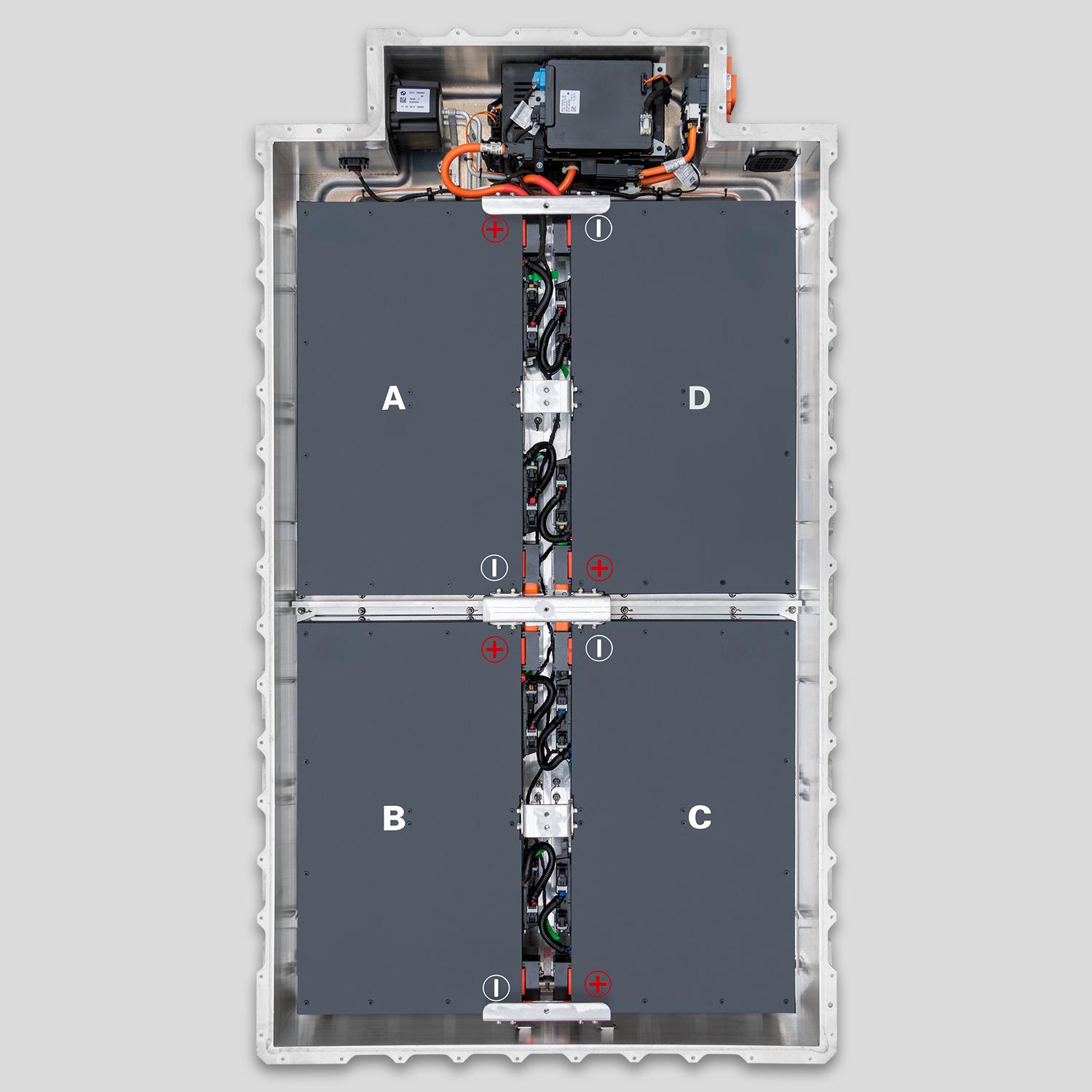
Nissan Leaf 24kWh to 30kWh Battery Swap Tips: Boost Range Safely & Effectively
Is your Nissan Leaf 24kWh leaving you stranded with limited range? Do you find yourself planning every trip around charging stations instead of enjoying the freedom of electric driving? If so, a Nissan Leaf 24kWh to 30kWh battery swap could be the game-changer you need. As EV battery experts at CNS BATTERY, we’ve helped hundreds of Leaf owners upgrade their batteries to unlock more range, better performance, and longer vehicle lifespan. In this guide, we’ll share proven tips to ensure your battery swap is seamless, safe, and successful.
Why Upgrade From 24kWh to 30kWh Battery?
The original 24kWh Nissan Leaf battery offers a real-world range of around 75-85 miles, which works for short commutes but falls short for longer trips. The 30kWh upgrade boosts this range to 100-120 miles—an impressive 26% increase in energy storage without sacrificing vehicle agility <superscript:2. Unlike larger battery upgrades, the 30kWh pack fits the same chassis as the 24kWh unit, with only a 21kg weight difference (294kg vs. 273kg) that doesn’t impact driving dynamics <superscript:4.
For Leaf owners with aging 24kWh batteries (2011-2017 models), this swap isn’t just a range boost—it’s a cost-effective way to extend your vehicle’s life. Replacing a degraded 24kWh battery with a 30kWh pack delivers better value than buying a new EV, keeping your trusted Leaf on the road for years to come.
Essential Nissan Leaf 24kWh to 30kWh Battery Swap Tips
1. Prioritize Compatibility & Quality Components
Not all 30kWh batteries work with every 24kWh Leaf. First, confirm your vehicle’s model year: 2011-2012 ZE0 models require a B24 22-36 pin adapter and CAN-bridge, while 2013+ AZE0 models only need a CAN-bridge for communication <superscript:4. Avoid generic batteries—opt for OEM-grade or certified refurbished packs from trusted suppliers like CNS BATTERY to ensure reliability and performance.
Always check the battery’s state of health (SOH) before purchase. A quality 30kWh pack should have an SOH of 90% or higher, with no history of deep discharge or thermal damage. This ensures you get maximum range and lifespan from your upgrade.
2. Master Safety Protocols Before Starting
EV batteries carry high voltage (400V+), so safety is non-negotiable. Before beginning the Nissan Leaf 24kWh to 30kWh battery swap, park on a flat surface, engage the emergency brake, and disconnect the high-voltage service plug—usually located in the rear passenger compartment or under the hood <superscript:1. Wear insulated gloves, safety goggles, and use insulated tools to avoid electrical shock.
Never work on the battery alone. Have a partner nearby, and keep a fire extinguisher rated for lithium-ion batteries within reach. If you’re not confident in handling high-voltage components, leave the swap to CNS BATTERY’s certified technicians.
3. Follow Proper Removal & Installation Steps
Start by removing the underbody splash guards to access the battery pack. Disconnect the three main connectors: rotate the B24 connector counterclockwise to release it, then carefully disconnect the power and signal cables <superscript:1. Use hydraulic jacks and secure supports to lift the vehicle 18-24 inches off the ground—never rely on jacks alone to support the car during battery removal.
When installing the new 30kWh pack, align it with the chassis mounting points and torque the bolts to Nissan’s specifications (typically 45 N·m). Reconnect the connectors in reverse order (positive first, then negative) to prevent short circuits <superscript:3. Double-check all connections before lowering the vehicle to avoid loose wires or poor communication.
4. Complete Battery Pairing & Code Clearing
After installation, your Leaf will trigger a P3102 fault code and enter turtle mode—this is normal, as the vehicle doesn’t recognize the new battery <superscript:4. Use Leaf Spy Pro (version 0.46.172+ for Android or 1.7.44.15+ for iOS) to read and clear the code, then perform a battery pairing procedure. This syncs the new 30kWh pack with the vehicle’s ECU, ensuring accurate range readings and optimal performance.
If you don’t have access to Leaf Spy Pro, CNS BATTERY’s team can handle the pairing process for you, eliminating the risk of incorrect programming that could damage the battery or vehicle.
Benefits of a Professional Nissan Leaf Battery Swap
While DIY swaps are possible for experienced enthusiasts, professional installation from CNS BATTERY offers unmatched peace of mind. Our technicians have specialized training in Nissan Leaf battery systems, ensuring every swap adheres to OEM standards. We use genuine adapters and CAN-bridges to avoid communication issues, and our post-installation testing verifies range, charging speed, and battery health.
A professional Nissan Leaf 24kWh to 30kWh battery swap also preserves your vehicle’s value. Improperly installed batteries can cause electrical faults, reduced range, or even safety hazards—issues that deter potential buyers if you sell your Leaf later. With CNS BATTERY, you get a warranty on parts and labor, protecting your investment for years.
Frequently Asked Questions (FAQ)
Will upgrading to a 30kWh battery void my Nissan warranty?
Nissan’s factory warranty covers original components, so a third-party battery swap may void the remaining battery warranty <superscript:7. However, CNS BATTERY offers a 2-year warranty on our 30kWh packs and installation, providing comparable or better coverage than the original warranty. If your Leaf is still under factory warranty, we can advise on options to minimize risk.
How long does the battery swap take?
A professional swap takes 2-3 hours, including preparation, installation, and pairing. DIY swaps can take 4-6 hours for first-timers, as troubleshooting connections or code clearing often adds delays.
Can I use a used 30kWh battery for the swap?
Used batteries are an option, but we recommend certified refurbished packs. Used batteries may have hidden degradation, while our refurbished 30kWh packs undergo rigorous testing to ensure SOH, capacity, and safety. CNS BATTERY’s refurbished packs offer the best balance of cost and reliability.
Will the 30kWh battery change my charging time?
Charging time increases slightly: a 230V/10A socket takes 13 hours to fully charge the 30kWh pack, compared to 10 hours for 24kWh <superscript:2. With a 32A charger, time drops to 5 hours, and fast charging (CHAdeMO) reaches 80% in 30 minutes—same as the 24kWh battery.
Ready to Upgrade Your Nissan Leaf Battery?
Don’t let a limited-range 24kWh battery hold you back. ANissan Leaf 24kWh to 30kWh battery swap unlocks the full potential of your EV, letting you drive farther without frequent charging stops. As trusted experts in Nissan Leaf battery upgrades, CNS BATTERY provides top-quality packs, professional installation, and exclusive support to make your upgrade seamless.
立即访问https://cnsbattery.com/nissan-leaf-battery/,获取独家折扣并咨询专家升级方案! Our team will assess your Leaf’s model year, recommend the best 30kWh battery option, and schedule your swap at a time that works for you. Experience the freedom of extended range—upgrade your Nissan Leaf battery today!