Here is the SEO-optimized article tailored for the target keyword, designed to rank well and convert readers into leads.
Must-Have Features for BMW i3 Battery Resale: The Ultimate Guide to Maximizing Value
The BMW i3 is a revolutionary vehicle that redefined urban mobility. However, as these cars age, the high-voltage battery pack inevitably degrades. If you are looking to buy a replacement BMW i3 battery or sell your used EV, understanding the specific features that drive resale value is critical.
At CNS BATTERY, we specialize in OEM-compatible lithium-ion solutions for the BMW i3. Through years of working with auto recyclers, repair shops, and individual owners, we have identified the exact specifications that make a used or refurbished i3 battery marketable and valuable.
This guide will walk you through the “must-have” features that separate a high-value i3 battery from scrap metal.
1. The Cell Chemistry Standard: Why NMC is King
When evaluating a BMW i3 battery for resale, the internal cell chemistry is the primary determinant of value.
- The Gold Standard: The BMW i3 originally utilized NMC (Nickel Manganese Cobalt) lithium-ion cells. For a replacement or resale battery to hold value, it must strictly adhere to this chemistry.
- Why it Matters: NMC offers the perfect balance of energy density and thermal stability required by the BMW i3’s sophisticated Battery Management System (BMS).
- The Resale Trap: Avoid batteries using LFP (Lithium Iron Phosphate) cells unless they are specifically designed for a 48V conversion (which the i3 is not). LFP cells operate at a different voltage curve and will cause the i3’s dashboard to display “High Voltage System Malfunction” errors, rendering the car undrivable and the battery worthless for this specific application.
Expert Tip: If you are sourcing a used pack, verify that it contains the original-spec NMC cells. If you are buying new aftermarket, ensure the manufacturer uses brand-new NMC cells from reputable Tier-1 suppliers (like CATL) rather than recycled or mixed cells.
2. Physical Compatibility: The “Plug-and-Play” Requirement
One of the biggest hurdles in the BMW i3 battery resale market is installation complexity. The feature that adds the most value is Physical OEM Compatibility.
- Housing & Dimensions: The i3 has a unique “T” shape and underbody mounting system. A valuable battery pack must fit the original mounting points without requiring chassis modifications.
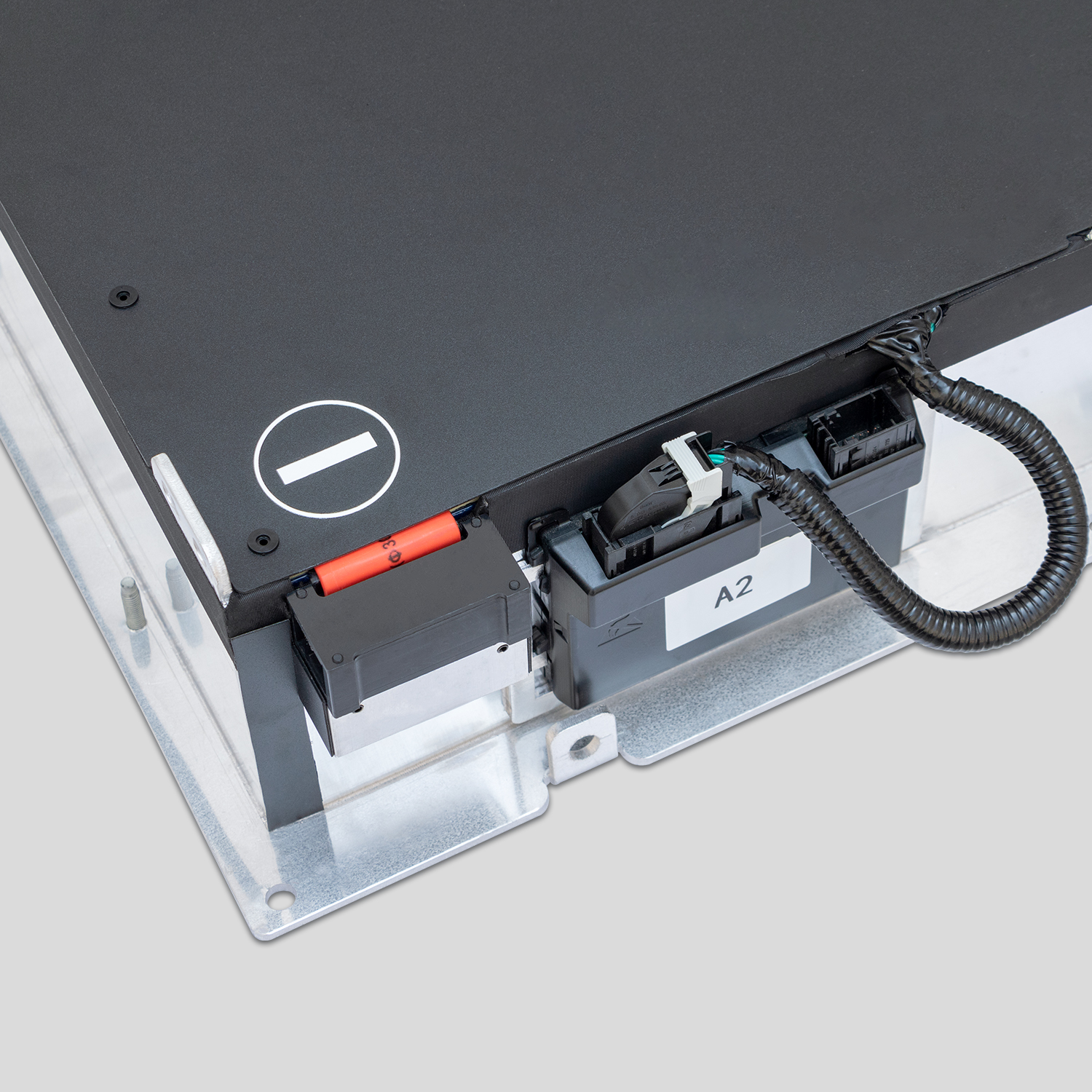
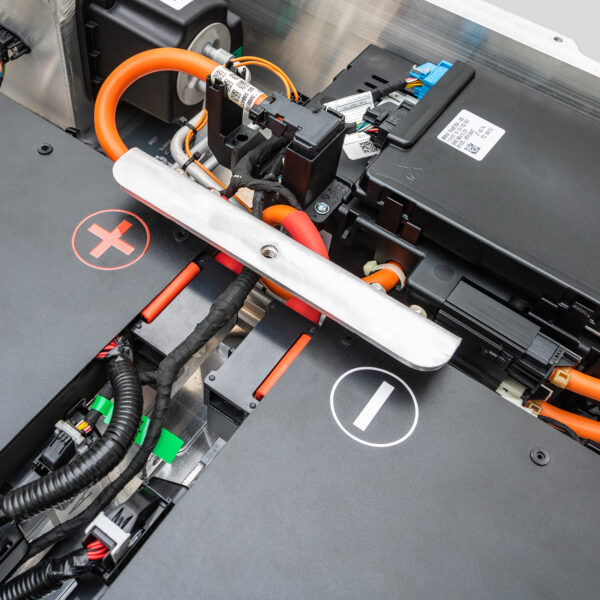
- Connector Integrity: The high-voltage (HV) connectors and low-voltage signal connectors must be factory-spec.
- High Value: Packs where the connectors “click” into place without adapters.
- Low Value: Packs requiring custom wiring harnesses or adapter cables, which introduce resistance and potential fire hazards.
Key Feature to Look For: A truly valuable BMW i3 battery will have the exact same interface as the OEM unit, allowing for a direct swap without cutting wires or modifying the vehicle’s BMS communication.
3. State of Health (SOH) and Capacity Metrics
Resale value is directly proportional to the remaining capacity. The BMW i3 dashboard displays “Battery Bars,” but for serious resale, you need hard data.
| Capacity Tier | Dashboard Bars (Approx.) | Resale Value Indicator | Typical Use Case |
|---|---|---|---|
| Premium | 12 Bars (100%) | High | Direct Replacement, Long-term ownership |
| Standard | 9-11 Bars (70-90%) | Medium | Short-term Commuting, Budget repairs |
| Scrap/Recycle | < 8 Bars (<60%) | Low | Cell harvesting, DIY projects |
- The 70% Threshold: In the automotive industry, a battery is generally considered “end of life” for automotive use when it drops below 70% of its original capacity (SOH). A BMW i3 battery with less than 70% SOH has drastically reduced range and is difficult to resell for vehicle use. However, if you are purchasing a replacement, a pack with 80-90% SOH offers the best balance of cost and longevity.
4. BMS Communication: The “Silent” Feature
This is the most technical but arguably the most important feature for BMW i3 battery resale. The Battery Management System (BMS) is the brain of the pack.
- CAN Bus Protocol: The replacement battery must speak the exact same “language” (CAN protocol) as the BMW’s existing system. If the BMS cannot communicate the State of Charge (SOC) accurately, the car will go into “Limp Mode.”
- No Error Codes: A high-value battery will integrate seamlessly without triggering error codes like “1234A8” (Battery Cell Monitoring) or “123456” (High Voltage System).
When buying a replacement for resale or personal use, insist on a unit that has been tested for CAN bus compatibility. At CNS BATTERY, we engineer our packs to mimic the original OEM BMS handshake perfectly, ensuring zero error codes on installation.
5. Safety Features: The Non-Negotiables
Safety is not just an ethical requirement; it is a feature that dictates insurability and legality.
- Thermal Management: The BMW i3 battery relies on an active cooling/heating system. A valuable pack must have intact cooling channels and functional temperature sensors.
- Physical Protection: Look for a robust housing that protects against road debris and water ingress (IP67 rating or higher).
- Certifications: For resale value, the battery should ideally come with documentation of safety testing (UN38.3 for transport, ISO standards).
6. Warranty Support: The Value Multiplier
The final feature that elevates a used or refurbished BMW i3 battery from a “cheap gamble” to a “must-have” investment is Warranty Support.
- The Standard: Most used battery sellers offer no warranty, or a very short 3-6 month guarantee.
- The Premium: A battery backed by a 2-year / 80,000 km warranty is significantly more attractive. This tells the buyer that the seller has confidence in the cell quality and assembly.
When you are looking to maximize your resale value, or when you are purchasing a replacement, ensure the warranty covers not just defects, but also performance degradation. A warranty that guarantees the battery will retain at least 70% capacity over the warranty period is the ultimate safety net.
Why Choose CNS BATTERY for Your BMW i3 Solution?
If you are navigating the complex world of BMW i3 battery resale or replacement, CNS BATTERY offers a superior alternative to the uncertainty of the used market.
We specialize in OEM-standard R&D for the BMW i3, utilizing brand-new NMC cells from CATL. Our packs are engineered for Plug-and-Play installation, ensuring perfect compatibility with the BMW i3’s chassis and BMS.
Key Advantages:
- Zero Error Codes: Guaranteed compatibility with the original vehicle software.
- Premium Pricing: We offer these high-spec batteries at roughly 50% of the cost of a brand-new OEM battery from a dealership.
- Risk-Free Investment: Backed by our industry-leading 2-year warranty.
Don’t gamble on the unknown quality of the used market. Get a reliable, high-value solution that drives customer satisfaction.
Customize your BMW i3 battery solution today and get a free quote!
Get Your Free Custom Quote Now
Frequently Asked Questions (FAQ)
Q1: Can I replace my BMW i3 battery myself? A: Yes, many of our customers are DIY mechanics. The BMW i3 battery is located under the vehicle, and with the right tools (insulated wrenches, PPE), it is possible to replace. However, we strongly recommend having a certified technician handle the installation to ensure the high-voltage system is managed safely and to avoid voiding warranties. We provide detailed video tutorials and PDF manuals to assist with the process.
Q2: What is the price difference between a new OEM BMW i3 battery and an aftermarket option? A: The price difference is substantial. A brand-new battery from an authorized BMW dealer can cost upwards of $16,000 USD. In contrast, a high-quality aftermarket solution from CNS BATTERY, using brand-new CATL cells and offering the same performance, typically costs around $7,800 USD or less, saving you over 50% on the replacement cost.
Q3: How long does a BMW i3 battery last? A: The lifespan depends heavily on usage and temperature. Generally, a BMW i3 battery will last 8-10 years or 160,000 to 240,000 kilometers before dropping below 70% capacity. Our replacement batteries are designed to meet or exceed this lifespan, offering long-term reliability.
Q4: Do I need to reprogram the car when installing a new battery? A: When installing a brand-new, compatible battery like those from CNS BATTERY, you generally do not need to “reprogram” the entire car. However, the vehicle may need to perform a “learning cycle” or the BMS may need to be initialized to recognize the new pack’s full capacity. Our technical support team provides guidance on this process if needed.