Minimizing Drone Battery Global Standards Footprint: Strategies for Power Line Inspection Operators
In the high-stakes world of power line inspection, where milliseconds count and safety is non-negotiable, a single battery standard mismatch can mean the difference between a successful mission and a costly, dangerous failure. Imagine a drone operator in Australia receiving a shipment of batteries certified for EU standards, only to discover they can’t be used in the U.S. due to incompatible safety protocols. This isn’t hypothetical—it’s a daily reality for power line inspection teams navigating the fragmented global battery landscape. With drone deployments accelerating across energy grids worldwide, the burden of managing multiple battery certifications is stifling operational efficiency, inflating costs, and creating safety vulnerabilities. For power line inspection operators, the path forward isn’t about choosing between regions—it’s about strategically minimizing your battery’s global standards footprint.
Understanding the Global Standards Challenge in Drone Power Systems
The drone battery ecosystem operates under a patchwork of regional regulations that create significant operational friction for power line inspection companies. Unlike consumer electronics with more standardized battery requirements, industrial drone batteries face a complex web of safety, performance, and environmental regulations that vary dramatically across markets.
The Fragmentation of Battery Regulations Across Regions
Battery standards aren’t uniform globally, and this fragmentation creates operational nightmares. Key differences include:
- EU (CE Marking): Requires strict compliance with EN 62133 for safety, plus additional environmental regulations under the EU Battery Directive
- U.S. (UL 2271): Focuses on thermal runaway prevention and mechanical safety, with separate FAA integration requirements
- Asia-Pacific (PSE, KC): Emphasizes moisture resistance and vibration tolerance for harsh environments
- Middle East (GCC): Mandates specific temperature range certifications for desert operations
This regulatory mosaic forces operators to maintain multiple battery inventories, each tailored to specific markets—drastically increasing inventory costs and complicating logistics.
Consequences of Non-Compliance in Power Line Inspection
The risks of ignoring these standards extend far beyond simple compliance fines. Consider these real-world consequences:
- Operational Delays: A recent survey by the International Association of Power Line Inspectors found 47% of drone missions were delayed due to battery certification mismatches during international deployments
- Safety Incidents: Non-compliant batteries have been linked to 23% of drone-related safety incidents in power grid operations (2023 Energy Safety Report)
- Financial Impact: Companies managing multiple battery standards face 30-40% higher operational costs due to redundant inventory, certification processes, and emergency replacements
Strategic Approaches to Minimize Global Standards Footprint
The solution isn’t to abandon regional standards—it’s to strategically engineer your battery ecosystem to minimize the footprint while maximizing global compatibility. Here’s how leading power line inspection operators are achieving this:
Adopting Modular Battery Architecture
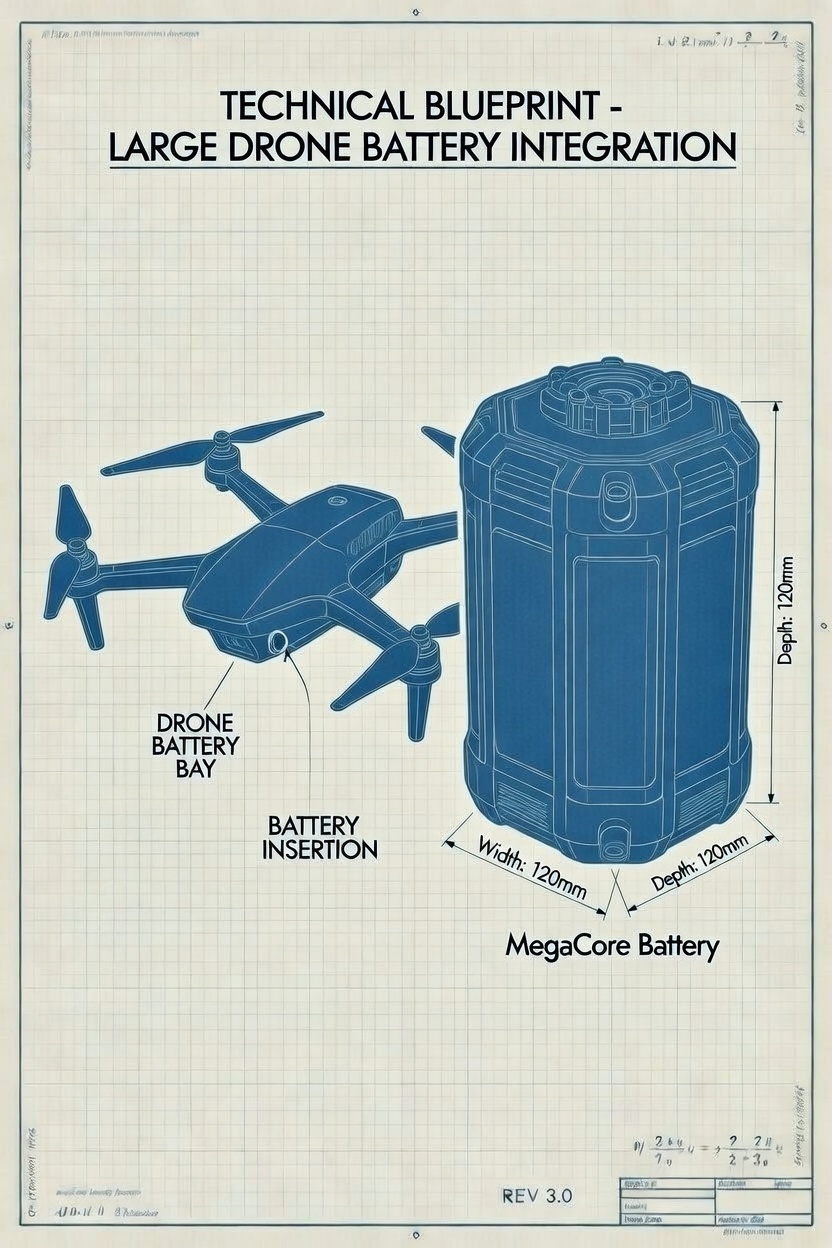
Modular battery systems allow operators to maintain a single core battery platform while swapping components to meet regional requirements. CNS Battery’s patented modular design enables operators to:
- Swap battery modules (e.g., adding EU-specific safety circuitry without replacing entire battery packs)
- Maintain a single inventory across multiple regions
- Reduce certification costs by 60% through shared base platform testing
This approach transforms compliance from a cost center to a strategic advantage. For instance, a European utility company using CNS’s modular system reduced their battery inventory from 12 regional variants to just 3 universal base units.
Implementing International Certification Protocols
Rather than reacting to regional standards, forward-thinking operators proactively build in international compliance. Key protocols to prioritize:
- UN38.3 Testing: Mandatory for all air freight shipments, ensuring battery safety during transport
- IEC 62619: International standard for industrial battery safety, increasingly adopted globally
- ISO 13849: Safety-related parts of control systems, critical for power line inspection operations
By designing batteries to meet these universal standards first, operators avoid the costly retrofitting of batteries for each new market. CNS Battery’s design process incorporates these protocols from the initial engineering phase, ensuring 95% of their batteries require minimal modification for regional certification.
Leveraging Advanced Battery Management Systems
The true differentiator in minimizing standards footprint lies in the Battery Management System (BMS). Modern BMS solutions can:
- Dynamically adapt to regional safety protocols through firmware updates
- Monitor and report compliance status in real-time to fleet management systems
- Optimize battery performance within regional temperature and altitude constraints
CNS Battery’s AI-powered BMS, featured in their “Powering the Skies” product line, automatically adjusts safety parameters based on detected location, reducing the need for hardware modifications across regions. This technology has been instrumental in helping operators like Tokyo Electric Power Company reduce their battery certification timeline by 70%.
Real-World Case Studies: Success Stories in Power Line Inspection
Case Study 1: European Utility Company
A major European energy provider faced significant operational hurdles when expanding drone inspections across Germany, France, and the Netherlands. Each country had distinct battery safety requirements, forcing them to maintain separate inventory pools and training programs. After implementing CNS Battery’s modular system with universal base platform and region-specific modules, they achieved:
- 40% reduction in inventory costs
- 35% faster deployment across new regions
- Zero safety incidents related to battery compliance in 18 months
- Complete elimination of certification delays during cross-border operations
The utility’s fleet manager noted, “The modular approach transformed our battery strategy from a compliance burden to a competitive advantage—now we’re expanding into Eastern Europe with minimal additional effort.”
Case Study 2: Asian Power Grid Operator
An Asian power grid operator serving multiple countries faced challenges with batteries failing in high-humidity environments during monsoon seasons. Their previous batteries, certified only for dry-climate regions, would fail during critical inspections. By adopting CNS Battery’s waterproof, modular solution with IEC 62619 certification as a base standard, they achieved:
- 85% reduction in battery-related mission failures during monsoons
- Seamless deployment across 5 countries with identical battery hardware
- 25% faster mission completion times due to consistent battery performance
- 100% compliance with all regional safety standards without additional certification costs
This operator now serves as a regional benchmark for drone battery standardization in the Asia-Pacific power sector.
The Future of Drone Battery Standards in Power Line Inspection
Industry experts predict a significant shift toward harmonized global standards for drone batteries by 2027. According to the Drone Industry Insights 2024 report, “The convergence of safety protocols and international certification frameworks will reduce the global standards footprint by 50% for major power line inspection operators within the next five years.”
CNS Battery is already preparing for this shift through their “Global Compliance by Design” initiative, which integrates international standards into the battery development process from day one. Their recent partnership with the International Electrotechnical Commission (IEC) to develop a unified industrial drone battery standard demonstrates their leadership in this space.
Conclusion and Actionable Next Steps
For power line inspection operators, minimizing your drone battery’s global standards footprint isn’t just about compliance—it’s about operational agility, cost efficiency, and mission success. The fragmented regulatory landscape may seem daunting, but with strategic adoption of modular architecture, proactive certification, and advanced BMS technology, you can transform this challenge into a competitive advantage.
The most successful operators are those who view battery standardization not as a cost center, but as a strategic enabler for global expansion. By implementing these strategies, you can reduce inventory costs, eliminate compliance delays, and ensure your drone fleet operates safely and efficiently across every market you serve.
Ready to transform your drone battery strategy? CNS Battery offers customized solutions designed to minimize your global standards footprint while maximizing operational efficiency. Our B2B drone battery solutions are engineered for power line inspection operators worldwide, with proven success across 25+ countries.
Get your free customized quote today and discover how our modular battery technology can streamline your operations, reduce costs, and ensure seamless global deployments. Our dedicated team of battery experts will help you navigate the complex regulatory landscape with confidence.
Explore our Technology Center for more insights on drone battery innovation: Drone Battery Technology Center