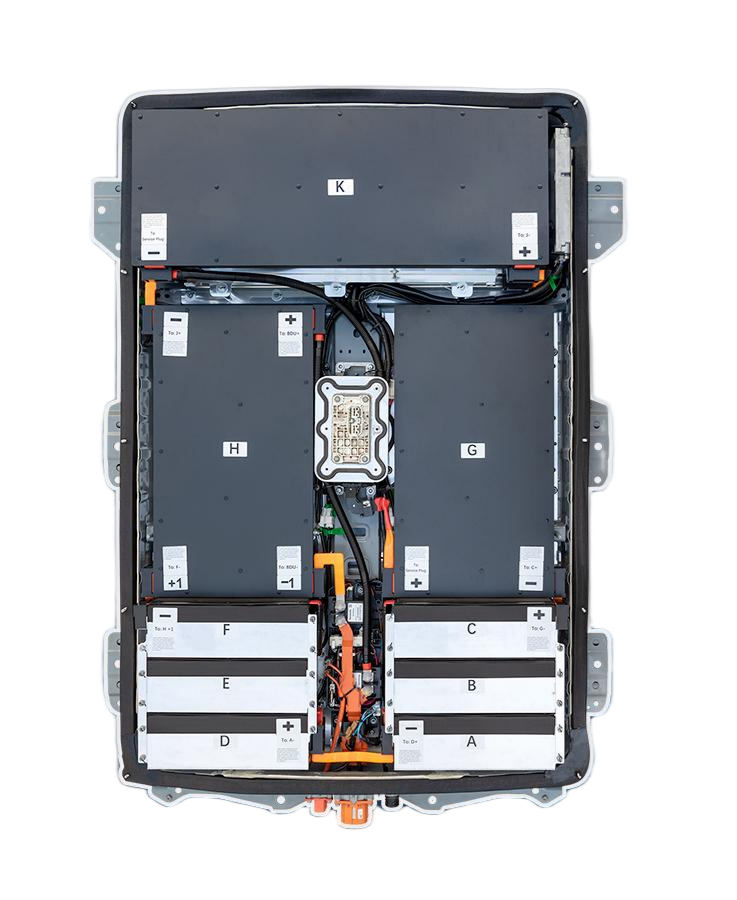
Mechanic’s Guide to BMW i3 Battery Safeties
When working with high-voltage electric vehicle systems, safety isn’t just a recommendation—it’s a requirement. For mechanics and technicians servicing the BMW i3, understanding battery safety protocols is essential for protecting both yourself and the vehicle. This comprehensive guide covers everything you need to know about BMW i3 battery safety procedures, from proper discharge methods to replacement considerations.
Understanding BMW i3 High-Voltage Battery Systems
The BMW i3 features a lithium-ion battery pack with capacities ranging from 70.2kWh to 79.1kWh depending on the model year and configuration. These batteries operate at approximately 350-400 volts, making proper safety procedures critical during any maintenance work.
Key Safety Components
Modern BMW i3 battery systems include multiple safety features:
- Automatic disconnect switches that isolate high-voltage circuits
- Battery Management Systems (BMS) monitoring cell temperature and voltage
- Thermal management systems preventing overheating
- Insulation monitoring detecting potential electrical leaks
Essential Safety Procedures for Technicians
1. Personal Protective Equipment (PPE)
Before approaching any high-voltage component, technicians must wear:
- Class 0 insulated gloves (rated for 1000V)
- Safety glasses with side shields
- Non-conductive footwear
- Flame-resistant clothing
2. Vehicle Preparation
Proper vehicle preparation minimizes risk during battery service:
- Park the vehicle on a level, dry surface
- Engage the parking brake
- Remove the key fob from the vehicle vicinity
- Wait minimum 10 minutes after power-off for capacitor discharge
- Verify zero voltage with a multimeter before touching any connections
3. Service Mode Activation
BMW i3 vehicles include a Service Mode that safely disables high-voltage systems. Access this through the vehicle’s diagnostic interface before beginning any battery work. This ensures the battery contactors remain open during service.
Common BMW i3 Battery Safety Concerns
Recent Recall Information
In early 2026, BMW issued recalls affecting certain i3 models due to insulation fault monitoring issues. This highlights the importance of working with qualified suppliers who understand these safety implications. Approximately 5,014 vehicles were affected, primarily from production dates between April 2024 and January 2025.
Warning Signs of Battery Issues
Technicians should watch for these indicators:
- Unexpected power loss during driving
- Warning messages on the instrument cluster
- Reduced charging capacity
- Unusual heat from the battery compartment
- Insulation fault codes in diagnostic scans
Battery Replacement and Upgrade Considerations
When BMW i3 battery replacement becomes necessary, several factors determine the best approach:
OEM vs. Aftermarket Options
While OEM batteries provide guaranteed compatibility, quality aftermarket solutions from reputable suppliers like CNS BATTERY offer cost-effective alternatives without compromising safety standards. Key considerations include:
- Cell quality and sourcing
- BMS compatibility
- Warranty coverage
- Installation support
Professional Installation Requirements
Battery replacement should only be performed by certified technicians with proper training in high-voltage systems. Improper installation can void warranties and create serious safety hazards.
Why Choose CNS BATTERY for BMW i3 Solutions
CNS BATTERY specializes in EV battery replacement and upgrade solutions with a focus on safety, quality, and customer support. Our commitment includes:
- Rigorous quality testing on all battery packs
- Compatible BMS systems ensuring seamless integration
- Technical support for installation teams
- Competitive pricing without sacrificing safety standards
Our team understands the unique requirements of BMW i3 battery systems and provides solutions that meet or exceed OEM specifications.
Maintenance Best Practices
Extending battery life requires consistent maintenance:
- Avoid extreme charging states – Keep SOC between 20-90% for daily use
- Monitor battery temperature during fast charging sessions
- Schedule regular diagnostic scans to catch issues early
- Follow manufacturer service intervals for cooling system maintenance
- Store vehicles properly during extended non-use periods
Building Trust Through Safety Compliance
For repair shops and fleet operators, documenting safety procedures builds customer confidence. Maintain records of:
- Technician certifications
- Equipment calibration dates
- Safety training completion
- Service procedure checklists
This documentation demonstrates your commitment to professional standards and protects your business from liability.
FAQ: BMW i3 Battery Safety Questions
Q: How long should I wait before working on a BMW i3 battery after turning off the vehicle?
A: Wait at least 10 minutes to allow high-voltage capacitors to discharge. Always verify zero voltage with a multimeter before proceeding.
Q: Can I replace a BMW i3 battery myself?
A: No. High-voltage battery replacement requires specialized training, equipment, and certifications. Only qualified technicians should perform this work.
Q: What are the signs of a failing BMW i3 battery?
A: Common indicators include reduced range, charging difficulties, warning messages, unexpected power loss, and diagnostic trouble codes related to battery management.
Q: How much does a BMW i3 battery replacement cost?
A: Costs vary significantly based on battery capacity and supplier. Quality aftermarket options from suppliers like CNS BATTERY can offer substantial savings compared to OEM pricing while maintaining safety standards.
Q: Are aftermarket BMW i3 batteries safe?
A: Yes, when sourced from reputable suppliers with proper testing and certification. CNS BATTERY ensures all products meet rigorous safety and performance standards.
Q: How often should BMW i3 batteries be inspected?
A: Professional inspection is recommended annually or every 20,000 kilometers, whichever comes first. More frequent checks may be needed for high-mileage vehicles.
Ready to explore safe, reliable BMW i3 battery solutions? Contact our expert team today for personalized recommendations and support.
Visit our main page to learn more about our EV battery replacement and upgrade services: CNS BATTERY EV Battery Home
Your safety and satisfaction are our top priorities. Trust CNS BATTERY for professional-grade EV battery solutions.