Mechanic’s Guide to BMW i3 Battery Performances
The complete technical reference for professionals handling BMW i3 battery replacements and upgrades in 2026.
Understanding BMW i3 Battery Architecture
The BMW i3 remains one of the most distinctive electric vehicles on the road, with two distinct generations requiring different battery service approaches. As a professional mechanic or EV specialist, understanding these differences is crucial for delivering optimal service to your customers.
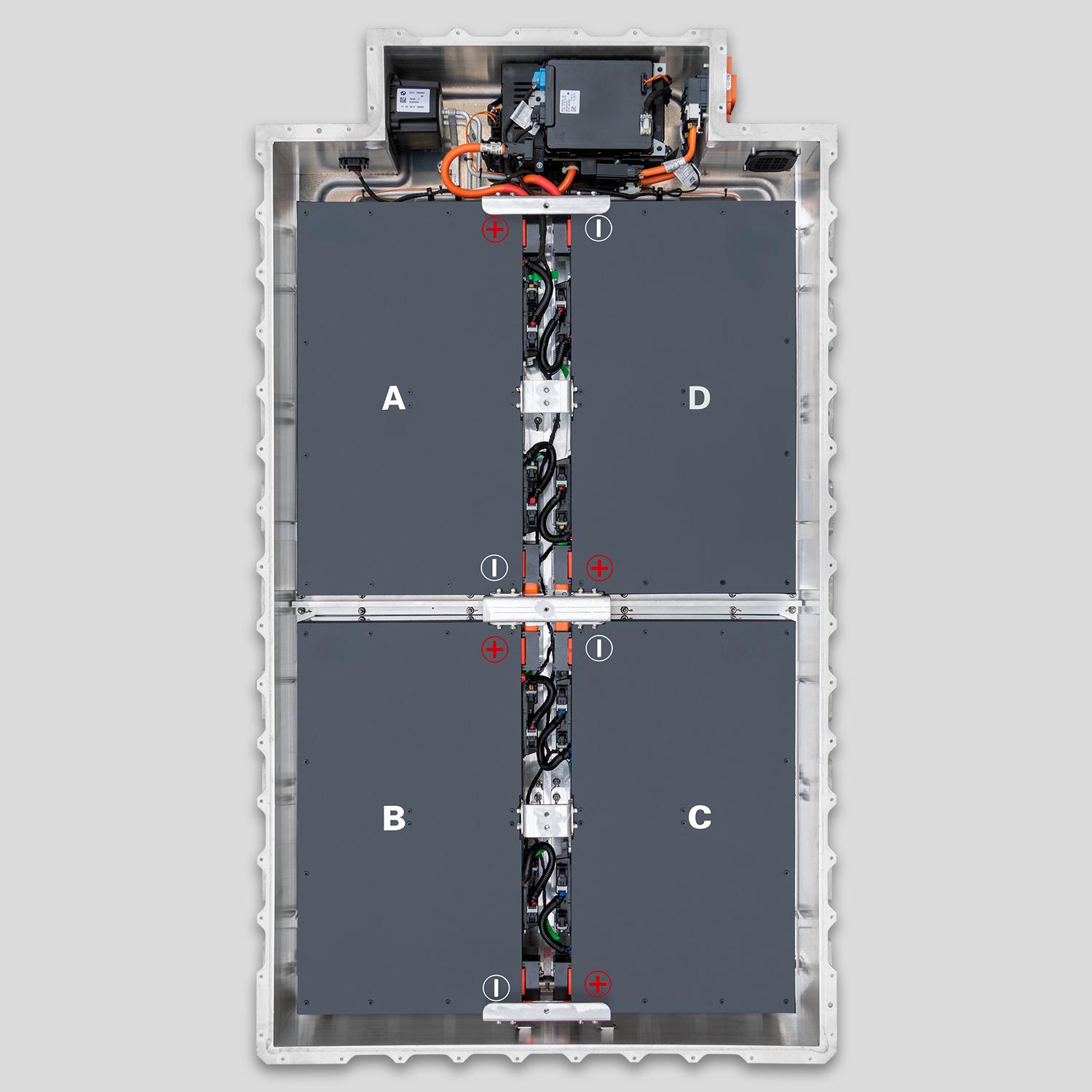
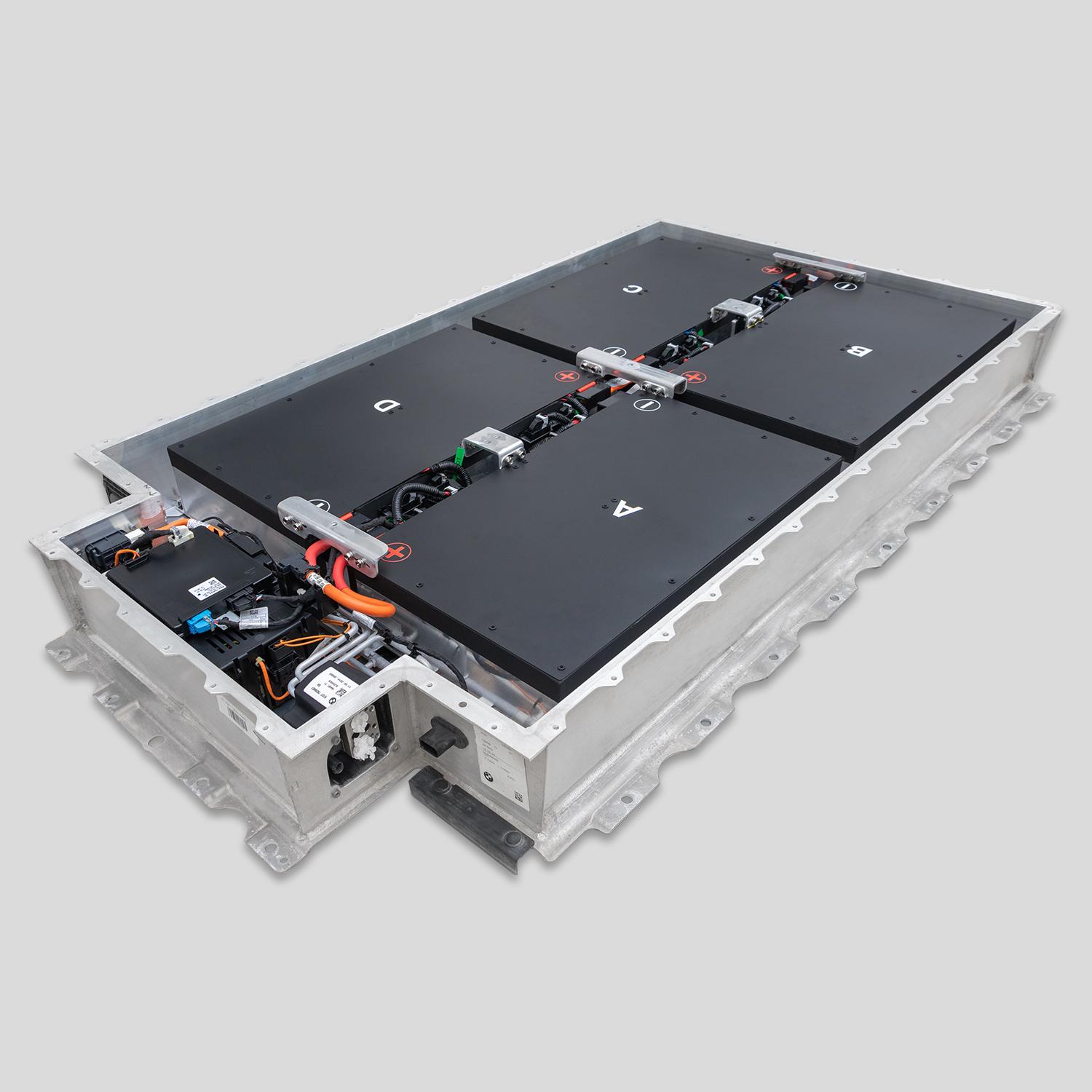
The first-generation BMW i3 (2014-2022) featured battery capacities ranging from 22 kWh to 42 kWh, with real-world ranges between 130-200 km. These vehicles now represent the primary market for battery replacement and upgrade services.
The new-generation BMW i3 (2026+) built on the Neue Klasse platform features 70-79 kWh batteries with 800V architecture and sixth-generation eDrive technology, offering ranges up to 625 km (CLTC).
Common Battery Performance Issues Mechanics Encounter
When diagnosing BMW i3 battery problems, several patterns emerge consistently across service centers:
Capacity Degradation
After 8-10 years of operation, first-generation i3 batteries typically show 20-30% capacity loss. Customers report reduced range, longer charging times, and occasional warning messages on the dashboard.
Module Imbalance
Individual cell modules within the battery pack can degrade at different rates, causing voltage imbalances that trigger BMS (Battery Management System) warnings. This often manifests as reduced power output or charging limitations.
Thermal Management Failures
The i3’s liquid cooling system can develop leaks or pump failures, leading to overheating during fast charging or high-load driving conditions.
Battery Replacement vs. Upgrade: What Mechanics Should Recommend
When customers approach you with battery concerns, you have two primary pathways:
OEM Replacement
- Pros: Guaranteed compatibility, maintains original warranty coverage
- Cons: Higher cost ($15,000-$20,000), limited availability for older models
- Best for: Vehicles under warranty or customers prioritizing factory specifications
Aftermarket Upgrade Solutions
- Pros: Cost-effective (40-60% savings), potential capacity improvements, faster availability
- Cons: Requires proper BMS integration, may affect some vehicle functions
- Best for: Out-of-warranty vehicles, budget-conscious customers, performance enthusiasts
Professional Tip: Always verify BMS compatibility before recommending any aftermarket solution. The BMW i3 uses a sophisticated communication protocol that requires proper integration.
Why Leading Shops Choose CNS BATTERY for BMW i3 Solutions
CNS BATTERY has established itself as a trusted partner for EV battery replacement and upgrade projects. Here’s what sets our solutions apart:
Quality Assurance
All battery packs undergo rigorous testing protocols including cycle life validation, thermal stress testing, and safety certification compliance. We understand that mechanic reputation depends on reliability.
Technical Support
Our engineering team provides direct technical consultation for installation challenges, BMS programming, and troubleshooting. We’re not just a supplier—we’re your technical partner.
Competitive Pricing
By working directly with manufacturers, we offer wholesale pricing that maintains healthy margins for service centers while remaining competitive for end customers.
Global Shipping
With streamlined logistics, we deliver battery solutions to workshops worldwide with proper hazardous materials handling and documentation.
Installation Best Practices for BMW i3 Battery Projects
Following proper procedures ensures customer satisfaction and protects your business from liability:
- Safety First: Always disconnect the 12V auxiliary battery before working on high-voltage systems. Use appropriate PPE including insulated gloves rated for 1000V.
- Diagnostic Verification: Complete a full vehicle diagnostic scan before and after installation. Document all fault codes and clear them systematically.
- BMS Calibration: After battery installation, perform BMS reset and calibration procedures using compatible diagnostic tools (ISTA, Rheingold, or equivalent).
- Thermal System Check: Verify coolant levels, pump operation, and leak-free connections before returning the vehicle to the customer.
- Test Drive Protocol: Complete a minimum 30km test drive covering various speed ranges to verify proper operation before customer delivery.
FAQ: BMW i3 Battery Questions Mechanics Ask
Q: How long does a BMW i3 battery replacement take?
A: Professional shops typically complete the job in 6-10 hours depending on technician experience and vehicle condition. First-time installations may require additional time for BMS programming.
Q: Can I upgrade to a higher capacity battery?
A: Yes, aftermarket solutions offer capacity upgrades from 42 kWh to 60+ kWh. However, this requires BMS modifications and may affect range calculations on the dashboard.
Q: What warranty should I expect on replacement batteries?
A: Quality aftermarket batteries typically come with 3-5 year warranties covering capacity retention above 70% and manufacturing defects.
Q: Are there compatibility issues with different i3 model years?
A: Yes, battery packs vary between 2014-2017 (60Ah), 2017-2018 (94Ah), and 2018-2022 (120Ah) models. Always verify exact specifications before ordering.
Q: What tools are required for BMW i3 battery service?
A: Essential tools include high-voltage safety equipment, BMW-compatible diagnostic scanner, torque wrenches, and coolant system service tools.
Ready to Elevate Your EV Service Capabilities?
The electric vehicle market continues expanding, and BMW i3 battery services represent a growing opportunity for forward-thinking workshops. Partnering with the right supplier makes all the difference.
CNS BATTERY combines technical expertise, quality products, and responsive support to help your business thrive in the EV service sector.
📧 Contact our team today for product catalogs, pricing, and technical consultation: https://cnsbattery.com/ev-battery-home/ev-battery-contact/
🔋 Explore our full EV battery solutions: https://cnsbattery.com/ev-battery-home
This guide reflects industry best practices as of March 2026. Always follow manufacturer specifications and local safety regulations when performing high-voltage vehicle service.