
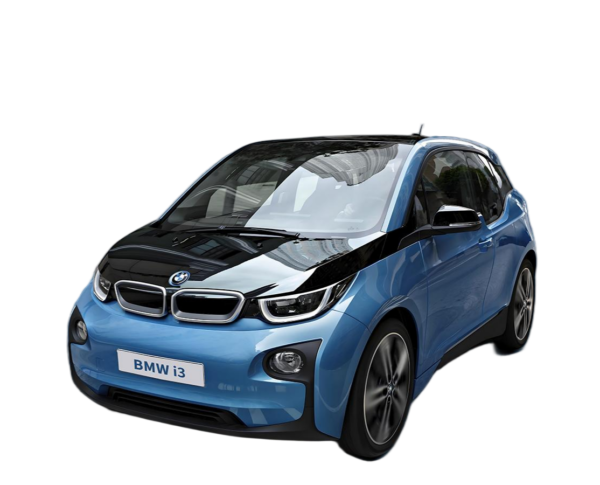
Mechanic’s Guide to BMW i3 Battery Environmentals
Understanding Your BMW i3 Battery’s Environmental Needs
As a BMW i3 owner, you’ve invested in one of the most innovative electric vehicles on the market. But did you know that your battery’s performance heavily depends on environmental conditions? At CNS BATTERY, we specialize in BMW i3 battery replacement and upgrade solutions, helping you maximize your vehicle’s lifespan and performance.
This comprehensive guide covers everything mechanics and owners need to know about BMW i3 battery environmentals, from temperature impacts to optimal storage conditions.
H2: Why Temperature Matters for BMW i3 Battery Performance
Temperature is the single most critical factor affecting your BMW i3 battery health. Lithium-ion batteries operate best within a specific temperature range, and extreme conditions can significantly impact performance and longevity.
H3: Optimal Operating Temperature Range
Your BMW i3 battery performs optimally between 15°C to 25°C (59°F to 77°F). Outside this range, you may notice:
- Reduced driving range in cold weather
- Slower charging speeds during temperature extremes
- Accelerated degradation from prolonged heat exposure
Recent testing shows that BMW’s new generation i3 models undergo rigorous testing in 零下30摄氏度 (-30°C) conditions at the Arctic Test Center in Sweden, ensuring reliability across diverse climates.
H3: Cold Weather Impact on Battery Capacity
In freezing temperatures, your BMW i3 may experience 20-30% range reduction. This happens because:
- Chemical reactions slow down in cold conditions
- Battery management systems use energy to warm the pack
- Increased cabin heating demands drain available power
Pro tip: Pre-condition your vehicle while still plugged in to preserve battery capacity during cold starts.
H2: Humidity and Moisture Protection
While temperature gets most attention, humidity and moisture pose serious risks to your BMW i3 battery system.
H3: Sealing and Protection Standards
BMW i3 batteries feature IP67-rated protection, meaning they’re:
- Dust-tight against particle intrusion
- Water-resistant up to 1 meter immersion for 30 minutes
However, prolonged exposure to high humidity environments can still cause:
- Connector corrosion over time
- Reduced insulation resistance
- Potential thermal management issues
H3: Storage Recommendations
For long-term storage, maintain these environmental conditions:
| Factor | Ideal Range |
|---|---|
| Temperature | 10°C – 25°C |
| Humidity | 40% – 60% |
| State of Charge | 50% – 70% |
| Location | Indoor, climate-controlled |
H2: Signs Your BMW i3 Battery Needs Replacement
Even with proper environmental care, batteries degrade over time. Watch for these warning signs:
- Significant range loss (below 70% of original capacity)
- Charging time increases dramatically
- Warning messages on the dashboard
- Uneven cell voltage readings during diagnostics
At CNS BATTERY, we provide comprehensive battery health assessments to determine if replacement or upgrade is your best option.
H2: BMW i3 Battery Upgrade Options
Technology has advanced significantly since earlier BMW i3 models. Consider these upgrade paths:
H3: Capacity Upgrades
Newer battery packs offer improved energy density, potentially increasing your range by 30-50% compared to original equipment.
H3: Thermal Management Improvements
Modern battery systems feature enhanced cooling systems that better handle extreme environmental conditions, extending overall battery life.
H3: Why Choose CNS BATTERY?
- Specialized BMW i3 expertise
- Quality-tested battery packs
- Professional installation services
- Warranty protection on all replacements
- Competitive pricing compared to dealership options
H2: Maintenance Best Practices for Long Battery Life
Protect your investment with these environmental management strategies:
- Park in shaded areas during hot weather
- Use garage storage when possible in extreme climates
- Avoid deep discharges below 20% regularly
- Limit fast charging to when necessary
- Schedule regular battery health checks annually
H2: FAQ – Common BMW i3 Battery Questions
Q1: How long does a BMW i3 battery typically last?
A: Most BMW i3 batteries last 8-12 years or 100,000-150,000 miles with proper care. Environmental conditions significantly impact actual lifespan.
Q2: Can I replace my BMW i3 battery myself?
A: We strongly recommend professional installation. High-voltage systems require specialized training and equipment for safe handling.
Q3: What’s the cost of BMW i3 battery replacement?
A: Costs vary based on capacity and model year. Contact CNS BATTERY for a personalized quote based on your specific needs.
Q4: Does extreme heat damage EV batteries permanently?
A: Prolonged exposure to temperatures above 45°C (113°F) can accelerate degradation. Proper thermal management helps minimize this risk.
Q5: Will upgrading my battery void my warranty?
A: Third-party upgrades may affect remaining factory warranty. Discuss with our experts to understand implications for your specific situation.
Q6: How do I know if my battery needs replacement or just maintenance?
A: A professional battery health diagnostic can determine if cells can be rebalanced or if full replacement is necessary.
H2: Ready to Optimize Your BMW i3 Battery Performance?
Don’t let environmental factors limit your electric driving experience. Whether you need a battery replacement, capacity upgrade, or simply want a professional health assessment, CNS BATTERY is here to help.
Our team of EV battery specialists understands the unique requirements of BMW i3 models and provides solutions that maximize performance while protecting your investment.
📞 Contact us today for a free consultation and discover how we can extend your BMW i3’s range and reliability.
👉 Get in touch: https://cnsbattery.com/ev-battery-home/ev-battery-contact/
This guide is provided by CNS BATTERY EV specialists. All recommendations are based on current industry standards and BMW i3 technical specifications. For personalized advice, consult with our certified technicians.


