Mechanic’s Guide to BMW i3 Battery Diagnostics
Is your BMW i3 losing range? Understanding battery health is the first step to restoring performance.
As a professional EV battery specialist at CNS BATTERY, I’ve helped hundreds of BMW i3 owners diagnose and resolve battery degradation issues. This comprehensive guide walks you through everything you need to know about BMW i3 battery diagnostics, from identifying warning signs to choosing the right replacement solution.
Understanding BMW i3 Battery Systems
The BMW i3 launched in 2014 as one of the first mass-market electric vehicles. Over its production run, it featured three main battery capacities:
- 22 kWh (2014-2016 models) – ~130km range
- 33 kWh (2016-2019 models) – ~183km range
- 42 kWh (2019-2022 models) – ~260km range
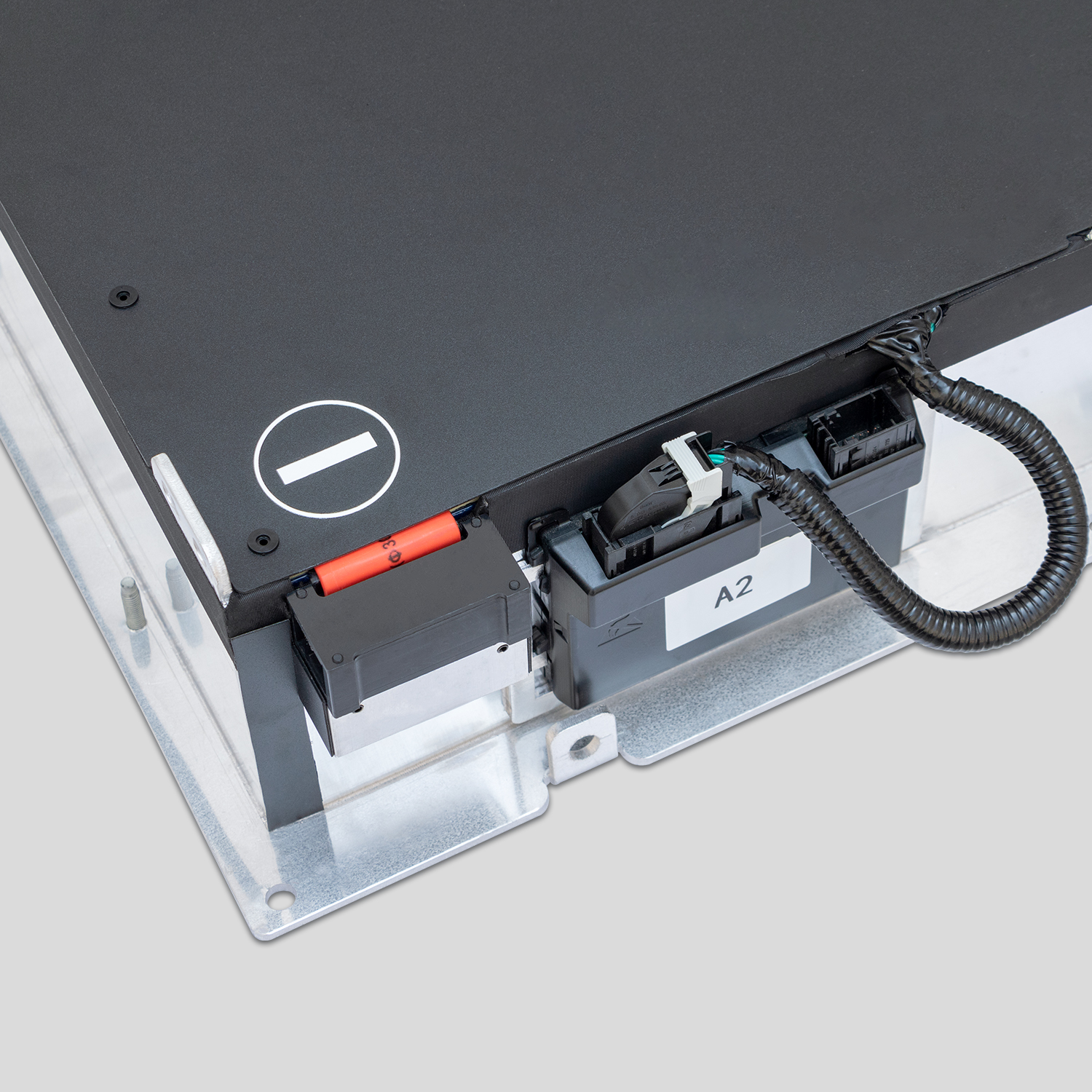
All versions use Samsung SDI lithium-ion cells packaged in a modular design. While reliable, these batteries naturally degrade over time, especially after 8-10 years of use.
Common BMW i3 Battery Warning Signs
Before diving into diagnostics, recognize these critical symptoms of battery degradation:
Reduced Driving Range
If your i3 suddenly shows 30-50% less range than when new, battery capacity loss is likely the culprit.
Charging Irregularities
Slow charging, failure to reach 100%, or unexpected charging stops indicate cell imbalance or BMS (Battery Management System) issues.
Warning Messages
The i3 dashboard may display “Drivetrain Malfunction” or “Battery Temperature” warnings when modules fail.
Rapid State-of-Charge Drops
Watch for sudden percentage drops (e.g., 60% to 30% in minutes) – a clear sign of degraded cells.
Step-by-Step BMW i3 Battery Diagnostics
Step 1: Check State of Health (SOH)
Use an OBD2 scanner with BMW-specific software (like BimmerLink or Carly) to read battery SOH. A healthy battery should show 85-100% SOH. Below 75% indicates significant degradation requiring attention.
Step 2: Module Voltage Testing
Each battery module should maintain consistent voltage (approximately 3.6-4.2V per cell). Voltage differences exceeding 0.1V between modules suggest cell imbalance needing correction.
Step 3: Thermal Management Inspection
The i3 uses liquid cooling for battery temperature regulation. Check for:
- Coolant leaks around the battery pack
- Faulty temperature sensors
- Blocked cooling channels
Step 4: BMS Communication Check
Ensure the Battery Management System communicates properly with the vehicle’s main computer. Error codes like 21F001 or 21F002 indicate BMS communication failures.
When to Consider Battery Replacement
Not every battery issue requires full replacement. However, consider professional battery replacement when:
- SOH drops below 70%
- Multiple modules show failure
- Range no longer meets daily needs
- Repair costs exceed 50% of replacement value
At CNS BATTERY, we specialize in BMW i3 battery upgrades that not only restore original performance but can increase capacity beyond factory specifications.
CNS BATTERY: Your Trusted EV Battery Partner
Why choose CNS BATTERY for your BMW i3 battery needs?
Premium Quality Cells
We use Grade-A lithium-ion cells with proven reliability and safety certifications.
Custom Capacity Options
Upgrade from 22kWh to 33kWh, 42kWh, or even higher capacities for extended range.
Professional Installation Support
Our team provides technical documentation and remote support for certified mechanics.
Warranty Protection
All replacements come with comprehensive warranty coverage for peace of mind.
Cost-Effective Solutions
Save 40-60% compared to dealership battery replacement while maintaining quality standards.
DIY vs. Professional Battery Service
While some diagnostics can be performed at home, battery replacement requires specialized expertise. High-voltage systems pose serious safety risks if handled improperly.
Recommended for DIY:
- SOH monitoring
- Basic voltage checks
- Software updates
Leave to Professionals:
- Module replacement
- BMS reprogramming
- Full battery pack installation
Maximizing Your BMW i3 Battery Lifespan
Extend your battery life with these proven maintenance tips:
- Avoid extreme temperatures – Park in shade or garage when possible
- Keep charge between 20-80% for daily use
- Use slow charging when time permits
- Update vehicle software regularly
- Schedule annual battery health checks
FAQ: BMW i3 Battery Diagnostics
Q: How long does a BMW i3 battery last?
A: With proper care, BMW i3 batteries typically last 10-15 years or 150,000-200,000 km before significant degradation occurs.
Q: Can I upgrade my i3 battery capacity?
A: Yes! CNS BATTERY offers upgrade options from 22kWh to 33kWh or 42kWh, providing up to 100% more range without modifying the battery enclosure.
Q: What does battery SOH mean?
A: State of Health (SOH) indicates remaining capacity compared to original. 100% = new battery, 70% = 30% capacity loss.
Q: How much does BMW i3 battery replacement cost?
A: Dealership replacements cost $15,000-$20,000 USD. CNS BATTERY offers competitive pricing at 40-60% less with equal or better quality.
Q: Is battery replacement worth it for older i3 models?
A: Absolutely! A battery upgrade can extend vehicle life by 5-8 years and significantly improve resale value.
Q: How long does battery replacement take?
A: Professional installation typically takes 4-8 hours depending on vehicle condition and upgrade complexity.
Ready to Restore Your BMW i3’s Performance?
Don’t let battery degradation limit your electric driving experience. Whether you need diagnostic support, battery replacement, or capacity upgrades, CNS BATTERY is here to help.
Contact our expert team today for a personalized consultation and quote. Visit our EV Battery Contact Page to get started.
Explore our full EV battery solutions at CNS BATTERY EV Battery Home
Your BMW i3 deserves a second life. Let’s make it happen together.