Mechanic’s Guide to BMW i3 Battery Charging Systems
Understanding Your BMW i3 Battery Architecture
The BMW i3 battery charging system represents one of the most sophisticated power management architectures in the electric vehicle market. Whether you own the legacy i3 (2014-2022) with its iconic carbon-fiber passenger cell or the new generation built on BMW’s Neue Klasse platform, understanding your battery’s charging mechanics is essential for optimal performance and longevity.
As EV battery specialists at CNS BATTERY, we’ve analyzed thousands of BMW i3 battery systems. This guide breaks down everything mechanics and owners need to know about charging systems, common failure points, and when replacement becomes necessary.
Core Charging System Components
On-Board Charger (OBC)
The On-Board Charger converts AC power from your home or public charging station into DC power for battery storage. BMW i3 models typically feature:
- 7.4 kW AC charging capacity (Level 2)
- 50 kW DC fast charging (legacy models)
- Up to 400 kW DC charging (2026 Neue Klasse models)
When the OBC fails, charging speeds drop dramatically or stop entirely. This is one of the most common service issues we encounter.
Battery Management System (BMS)
The BMS monitors cell voltage, temperature, and state of charge across all battery modules. Recent 2026 recalls affecting over 5,000 BMW i3 vehicles highlighted BMS-related insulation fault detection issues that could cause unexpected power loss.
Key BMS functions include:
- Cell balancing during charging
- Thermal management coordination
- State of Health (SOH) calculation
- Safety isolation monitoring
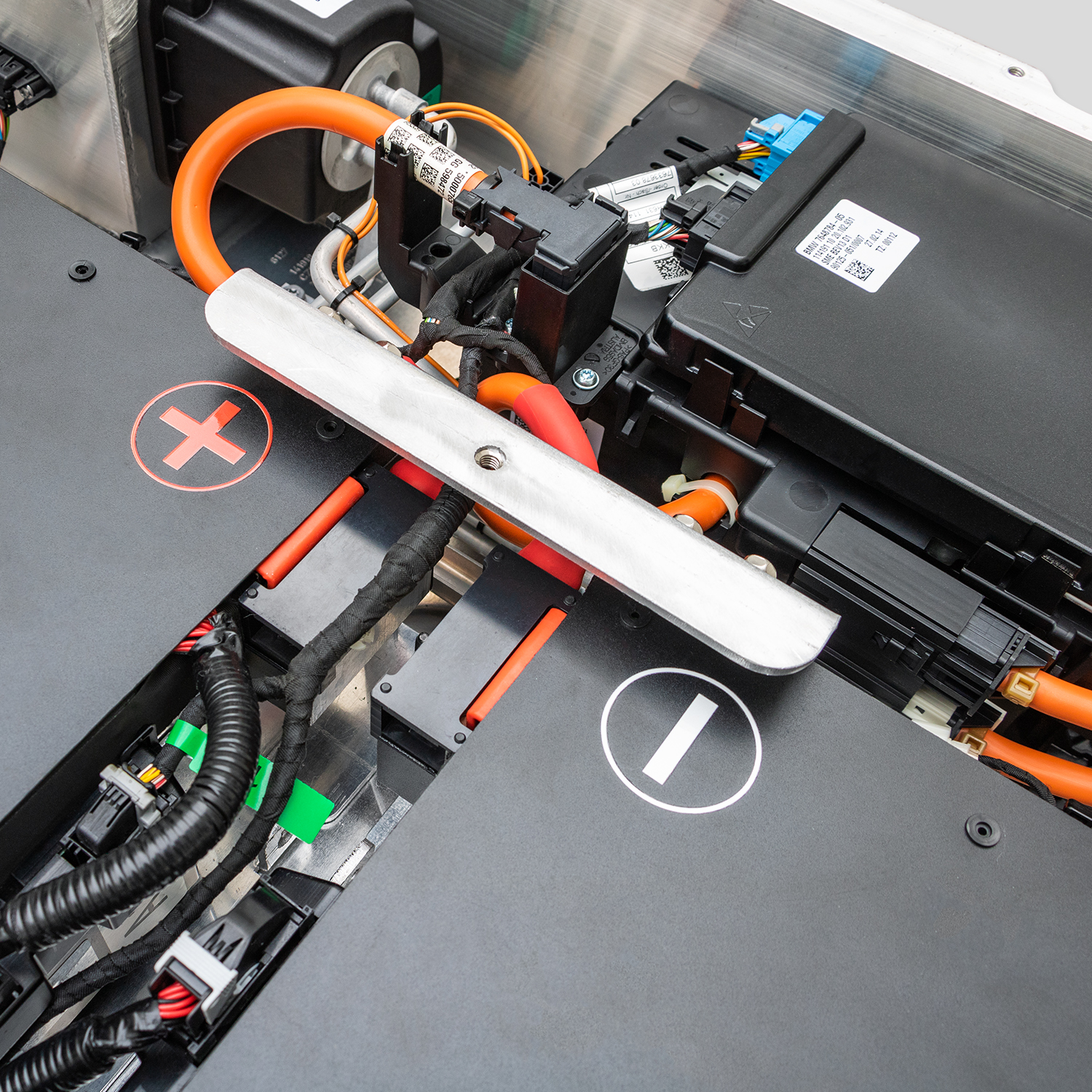
High-Voltage Battery Pack
The heart of your i3’s charging system. Legacy models featured 33 kWh lithium-ion packs, while new generation models offer significantly higher capacity supporting 900km range. Battery degradation typically becomes noticeable after 8-10 years or 150,000+ kilometers.
Common Charging System Problems
Slow Charging Times
If your BMW i3 takes longer than expected to charge, several factors could be responsible:
- Degraded battery cells reducing acceptance rate
- OBC malfunction limiting AC charging power
- Thermal management issues causing power throttling
- BMS calibration errors misreading state of charge
Charging Interruptions
Unexpected charging stops often indicate insulation faults or communication errors between the BMS and charging station. The 2026 recall specifically addressed monitoring mechanism failures that could cause false safety shutdowns.
Reduced Range After Charging
When a full charge no longer delivers expected range, battery capacity has likely degraded beyond acceptable thresholds. SOH below 70% typically warrants battery replacement consideration.
When to Consider Battery Replacement
Warning Signs
- Range anxiety despite full charging cycles
- Charging stops before reaching 100%
- Dashboard warnings related to high-voltage systems
- Uneven cell voltages detected during diagnostics
Replacement vs. Repair
For older i3 models, complete battery replacement often proves more cost-effective than module-by-module repairs. New generation batteries offer improved energy density and charging speeds that justify the investment.
At CNS BATTERY, we specialize in BMW i3 battery replacement and upgrade solutions that restore original performance specifications while incorporating latest technology improvements.
Professional Diagnostic Procedures
Step 1: Service Mode Access
Access the vehicle’s Service Mode Plus through the iDrive system to view:
- Current SOC Max readings
- Individual cell voltage data
- Historical charging patterns
- Fault code storage
Step 2: HV Battery Health Assessment
Professional diagnostic tools measure:
- Actual capacity vs. rated capacity
- Internal resistance across modules
- Thermal performance during charging cycles
- BMS communication integrity
Step 3: Charging System Verification
Test all charging inputs:
- AC Level 1 (standard household outlet)
- AC Level 2 (home/public charging stations)
- DC fast charging (CCS compatibility)
Maintenance Best Practices
Optimal Charging Habits
- Avoid frequent 100% charging for daily use (80% is optimal)
- Use DC fast charging sparingly to reduce thermal stress
- Maintain moderate battery temperatures during charging
- Schedule regular BMS calibration through authorized service
Storage Recommendations
For extended vehicle storage:
- Maintain 40-60% state of charge
- Store in temperature-controlled environments
- Check battery status monthly
- Avoid complete discharge
Why Choose CNS BATTERY for Your i3 Battery Needs
With the 2026 BMW i3 recalls highlighting critical battery monitoring issues, having a trusted partner for battery services becomes essential. CNS BATTERY offers:
- Certified EV battery specialists with BMW-specific training
- Comprehensive diagnostic equipment for accurate assessments
- Quality replacement batteries meeting or exceeding OEM specifications
- Warranty coverage on all battery replacement services
- Fast turnaround minimizing vehicle downtime
Our team understands the unique challenges of BMW’s high-voltage systems and provides solutions that prioritize safety, performance, and longevity.
Frequently Asked Questions (FAQ)
Q1: How long does a BMW i3 battery typically last?
A: BMW i3 batteries generally last 8-12 years or 150,000-200,000 kilometers before significant degradation occurs. Proper charging habits can extend this lifespan.
Q2: What does the 2026 BMW i3 recall mean for my battery?
A: The recall addresses insulation fault monitoring issues that could cause unexpected power loss. Affected vehicles (produced April 2024 – January 2025) should contact BMW dealers for software updates and system verification.
Q3: Can I upgrade my older i3 battery to higher capacity?
A: Yes, battery upgrades are possible with proper BMS reprogramming. CNS BATTERY offers upgrade solutions that increase range while maintaining vehicle safety systems.
Q4: How much does BMW i3 battery replacement cost?
A: Costs vary by model year and battery capacity. Contact CNS BATTERY for a personalized quote based on your specific vehicle requirements and desired performance outcomes.
Q5: What charging speed should I expect from my i3?
A: Legacy models support 50 kW DC fast charging (10-80% in ~45 minutes). New 2026 models support up to 400 kW DC charging for significantly faster charging times.
Ready to optimize your BMW i3 battery performance?
Visit our EV Battery Services Page for comprehensive solutions, or Contact Our Team for personalized consultation on battery replacement and upgrade options.
Your BMW i3 deserves expert battery care. Trust CNS BATTERY for professional, reliable EV battery solutions.