
Maximize ROI: Total Cost of Ownership (TCO) Strategies for Security and Surveillance Firms Drone Fleet
The security and surveillance industry is experiencing a dramatic transformation. Drone technology has evolved from a novel gadget to an essential component of modern security operations. However, many firms make a critical mistake: they focus solely on the purchase price while ignoring the true Total Cost of Ownership (TCO). This oversight can erode profit margins and diminish return on investment significantly.
Understanding the Real Cost Behind Your Drone Fleet
When security companies evaluate drone investments, the initial acquisition cost represents merely the tip of the iceberg. A comprehensive TCO analysis must account for battery replacement cycles, maintenance schedules, operator training, software subscriptions, regulatory compliance, and unexpected downtime. Industry data from 2025 reveals that operational expenses often exceed initial purchase costs by 200-300% over a three-year period.
Consider this reality: a mid-range surveillance drone priced at $15,000 might appear affordable. Yet, when you factor in battery replacements every 18 months ($2,500 per cycle), annual maintenance contracts ($3,000), pilot certification renewals ($1,500), and insurance premiums ($2,000 yearly), the three-year ownership cost approaches $45,000. Understanding these hidden expenses forms the foundation of smart fleet management.
Key Components of Drone Fleet TCO
Acquisition and Deployment Costs
The upfront investment includes not only the aircraft but also essential accessories: carrying cases, additional batteries, charging stations, and backup controllers. Security firms often underestimate the need for redundancy. A single drone cannot provide continuous coverage; you need at least three units per operational zone to account for charging cycles and potential malfunctions.
Battery Lifecycle Management
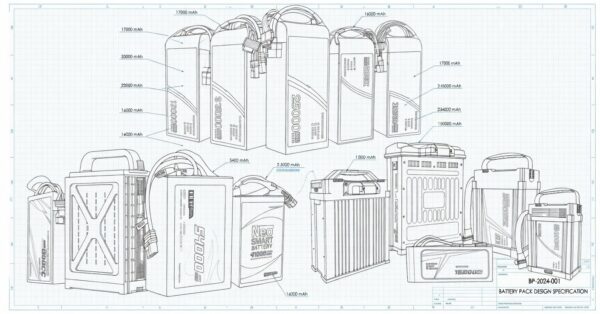
Battery degradation represents one of the most significant ongoing expenses. Lithium-polymer batteries typically maintain optimal performance for 300-500 charge cycles before capacity drops below 80%. For surveillance operations requiring extended flight times, this translates to battery replacements every 12-18 months depending on usage intensity. Smart battery management systems can extend lifecycle by 20-30% through proper charging protocols and storage practices.
Maintenance and Repair Expenses
Regular maintenance prevents costly emergency repairs. Scheduled inspections should occur every 100 flight hours, including motor checks, gimbal calibration, and firmware updates. Unexpected repairs from crashes or component failures can range from $500 for minor fixes to $5,000 for major component replacements. Establishing preventive maintenance schedules reduces unexpected downtime by up to 60%.
Training and Certification Requirements
Regulatory compliance demands certified operators. Initial pilot training costs approximately $2,000-3,500 per employee, with annual recertification adding another $800-1,200. Beyond regulatory requirements, specialized training for surveillance techniques, night operations, and emergency procedures enhances operational effectiveness while reducing accident risks.
Software and Data Management
Modern surveillance drones require subscription-based software for flight planning, data encryption, and video analytics. These subscriptions typically cost $500-2,000 annually per aircraft. Data storage solutions, particularly for high-resolution footage requiring long-term retention, add another layer of ongoing expenses that many firms overlook during initial budgeting.
Step-by-Step TCO Optimization Guide
Step 1: Conduct Comprehensive Fleet Audit
Begin by documenting every drone in your inventory, including purchase date, flight hours, battery cycles, and maintenance history. Create a spreadsheet tracking each aircraft’s operational status and projected replacement timeline. This baseline assessment reveals which units approach end-of-life and helps plan capital expenditures strategically.
Step 2: Implement Battery Rotation System
Establish a battery tracking system using QR codes or RFID tags. Record charge cycles, storage conditions, and performance metrics for each battery pack. Rotate batteries systematically to prevent uneven wear. Store batteries at 50-60% charge in climate-controlled environments to maximize lifespan. This systematic approach can extend battery life by 25-40%.
Step 3: Negotiate Volume Maintenance Contracts
Rather than paying per-repair rates, negotiate annual maintenance contracts with manufacturers or certified service providers. Volume discounts for multi-unit fleets can reduce maintenance costs by 30-50%. Include preventive maintenance visits in your contract to catch issues before they cause operational disruptions.
Step 4: Optimize Flight Operations
Analyze flight data to identify inefficiencies. Are drones flying longer routes than necessary? Could mission planning software reduce flight time while achieving the same coverage? Optimizing flight paths reduces battery consumption and wear on motors. Even 10% efficiency gains compound significantly across large fleets.
Step 5: Plan Strategic Replacement Cycles
Rather than replacing all drones simultaneously, implement staggered replacement schedules. This approach smooths capital expenditures and maintains consistent operational capacity. Consider leasing options for newer technology while owning core fleet units, balancing innovation with cost predictability.
Real-World TCO Optimization Example
SecureWatch Solutions, a mid-sized security firm operating 25 drones across three facilities, implemented comprehensive TCO management in early 2025. Their initial analysis revealed annual operational costs of $187,000, representing 340% of their initial fleet investment.
After implementing battery rotation protocols, they reduced battery replacement frequency from 14 months to 19 months, saving $18,000 annually. Negotiated maintenance contracts reduced repair costs by 35%, generating $22,000 in yearly savings. Optimized flight planning decreased average mission time by 15%, extending component lifespan and reducing battery cycles.
Within 18 months, SecureWatch reduced their TCO by 28% while improving operational availability from 78% to 94%. Their ROI improved from an initial projection of 2.3 years to an actual 1.6 years, demonstrating the tangible impact of systematic TCO management.
Technology Investments That Reduce Long-Term Costs
Smart charging stations with battery health monitoring provide early warnings about degradation, preventing unexpected failures during critical operations. Fleet management software offering predictive maintenance alerts can identify potential issues before they cause downtime. These technology investments typically pay for themselves within 12-18 months through reduced emergency repairs and improved operational reliability.
Consider investing in drones with modular designs allowing component-level replacements rather than entire unit swaps. While initially more expensive, modular systems reduce long-term replacement costs by 40-60%. Hot-swappable battery systems minimize downtime between missions, improving operational efficiency without requiring additional aircraft.
Building a Sustainable Drone Operations Budget
Develop a three-year rolling budget that accounts for all TCO components. Allocate 15-20% of initial fleet cost annually for ongoing operations, maintenance, and eventual replacement. This proactive budgeting prevents surprise expenses and ensures consistent operational capability.
Include contingency funds representing 10-15% of your annual drone budget for unexpected repairs, regulatory changes, or technology upgrades. Having reserved capital prevents operational disruptions when unforeseen expenses arise.
The Path Forward
Maximizing ROI on your security drone fleet requires shifting from purchase-price thinking to total ownership perspective. The firms thriving in 2026’s competitive landscape are those treating drones as long-term operational assets requiring strategic management rather than disposable tools.
Systematic TCO analysis reveals optimization opportunities invisible through traditional accounting. Battery management alone can improve margins by 15-20%. Maintenance optimization adds another 10-15%. Combined with operational efficiency gains, comprehensive TCO strategies can improve overall fleet ROI by 35-50% over three-year periods.
The question isn’t whether your security firm can afford to implement comprehensive TCO management—it’s whether you can afford not to. Every month of delayed optimization represents lost profitability and competitive disadvantage in an increasingly sophisticated market.
Ready to optimize your drone fleet’s total cost of ownership? Our team specializes in high-performance drone battery solutions designed to extend flight time and reduce replacement frequency. Visit our contact page at https://cnsbattery.com/drone-battery-home/drone-battery-contact to discuss how premium battery technology can transform your operational economics. The right power solutions don’t just keep your drones flying—they keep your profit margins soaring.


