The power utility industry stands at a critical juncture. As transmission infrastructure ages and demand for reliable electricity grows, power line patrol operators face mounting pressure to inspect thousands of miles of overhead lines efficiently. Drone technology has emerged as a game-changer, but implementing a successful drone fleet requires more than just purchasing equipment. Technical compatibility challenges can make or break your return on investment.
The Hidden Challenges Facing Power Line Inspection Drone Operations
Power utility companies deploying drone fleets encounter several critical obstacles that directly impact operational efficiency and ROI:
- Battery incompatibility across different drone models leading to increased downtime and replacement costs
- Communication protocol mismatches between drones, ground control stations, and data management systems
- Regulatory compliance complexities including FAA Part 107 requirements and Remote ID mandates
- Data integration failures preventing seamless workflow between inspection capture and analysis platforms
- Environmental resilience gaps causing equipment failures in extreme weather conditions common along transmission corridors
According to industry research from Hepta Insights, AI-enhanced drone inspection systems can maximize anomaly detection efficiency by up to 40%, but only when technical compatibility is properly addressed from the outset.
Building a Compatible Drone Fleet Architecture
Standardize Your Battery Ecosystem
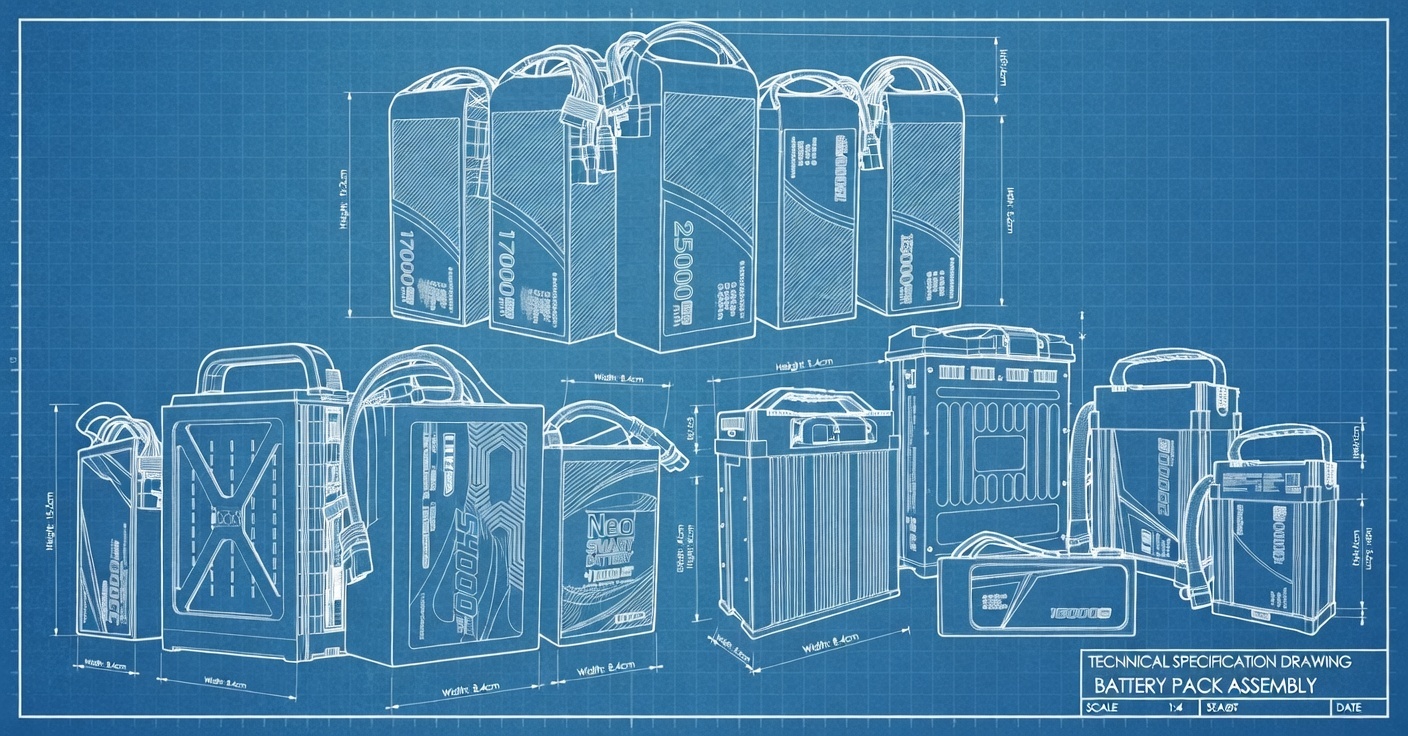
Battery management represents the single most critical compatibility factor for power line patrol operations. When drones cannot share battery resources across your fleet, operational costs skyrocket.
Key Battery Compatibility Considerations:
- Voltage and capacity standardization – Ensure all drones in your fleet operate on compatible voltage ranges (typically 22.2V to 52.8V for commercial inspection drones)
- Smart battery communication protocols – Select batteries with standardized BMS (Battery Management System) that communicate state-of-charge, health metrics, and temperature data
- Charging infrastructure compatibility – Invest in universal charging stations that accommodate multiple battery types without requiring separate equipment
- Thermal management consistency – Power line inspections often occur in extreme temperatures; batteries must perform reliably from -20°C to 50°C
Example: A regional utility company reduced battery-related downtime by 65% after standardizing their fleet to use interchangeable smart batteries with real-time health monitoring capabilities.
Ensure Communication Protocol Alignment
Your drones must communicate seamlessly with ground control systems, fleet management software, and regulatory compliance systems. The 2026 FAA Remote ID requirements make this more critical than ever.
Essential Communication Standards:
- MAVLink protocol support for universal drone-to-ground-station communication
- 4G/5G cellular connectivity for beyond visual line of sight (BVLOS) operations along extended transmission corridors
- Encrypted data transmission meeting cybersecurity standards for critical infrastructure protection
- Real-time telemetry streaming compatible with your existing asset management platforms
Rohde & Schwarz’s recent work on 5G-connected drone solutions demonstrates that production-optimized testing setups can ensure standards compliance and reliability before deployment.
Data Integration: The Make-or-Break Factor
Seamless Workflow from Capture to Analysis
Power line inspection generates massive amounts of visual and thermal data. Without proper technical compatibility, this data becomes stranded in silos, preventing actionable insights.
Data Compatibility Checklist:
✓ Standardized file formats (JPEG, TIFF, thermal radiometric data in standard formats)
✓ GPS metadata consistency across all capture devices for precise asset tagging
✓ Cloud platform API compatibility with your existing enterprise systems
✓ AI analysis tool integration for automated defect detection and prioritization
✓ Historical data comparison capabilities for trend analysis and predictive maintenance
DroneDeploy’s developer platform illustrates how automatic cross-platform support enables apps to work across more than 160 countries, demonstrating the value of standardized integration approaches.
Regulatory Compliance Integration
The regulatory landscape for commercial drone operations continues to evolve. Your technical architecture must accommodate current and future compliance requirements without requiring complete system overhauls.
2026 Compliance Requirements to Address:
- FAA Remote ID broadcasting – All commercial drones must broadcast identification and location information
- Battery transportation regulations – IATA’s 2026 lithium battery rules require batteries to be transported at no more than 30% state of charge
- Airspace authorization systems – Integration with LAANC or similar systems for automated flight authorization
- Operator certification tracking – Maintaining records of Part 107 certified pilots and their qualifications
Maximizing ROI Through Strategic Compatibility Planning
Calculate True Total Cost of Ownership
Many utilities underestimate the long-term costs of incompatible systems. A comprehensive ROI analysis must include:
| Cost Factor | Incompatible Fleet | Standardized Fleet |
|---|---|---|
| Battery replacement frequency | Every 18 months | Every 36 months |
| Training time per operator | 40 hours | 20 hours |
| Downtime due to equipment failure | 15% of operational time | 5% of operational time |
| Data processing inefficiency | 30% manual intervention | 10% manual intervention |
| Regulatory compliance costs | Variable, unpredictable | Fixed, budgetable |
Implement Phased Deployment Strategy
Rather than replacing your entire fleet at once, consider a phased approach that allows for compatibility testing and adjustment:
Phase 1: Deploy 3-5 drones with fully compatible systems on a single transmission corridor
Phase 2: Evaluate performance metrics, battery life, data quality, and operator feedback
Phase 3: Refine technical specifications based on real-world performance data
Phase 4: Scale deployment across additional corridors with proven compatible systems
Phase 5: Continuous optimization based on operational metrics and emerging technologies
Actionable Recommendations for Power Line Patrol Operators
Based on industry best practices and emerging standards, here are concrete steps to maximize your drone fleet ROI:
- Conduct a compatibility audit of your existing equipment before making new purchases
- Prioritize battery ecosystem standardization as your first compatibility investment
- Select drones with open API architecture enabling future integration flexibility
- Invest in operator training on compatible systems to reduce human error factors
- Establish performance benchmarks for battery cycles, data quality, and inspection coverage
- Build relationships with vendors who demonstrate long-term compatibility roadmaps
- Document all technical specifications creating an internal compatibility reference guide
- Plan for regulatory evolution ensuring your systems can adapt to new requirements
The Path Forward: Strategic Partnership Matters
Technical compatibility isn’t just about equipment specifications—it’s about choosing partners who understand the unique demands of power line patrol operations. The right battery and power system partner can mean the difference between a drone fleet that delivers consistent ROI and one that becomes a costly burden.
Power line inspection operations demand batteries that perform reliably in challenging electromagnetic environments, maintain consistent performance across temperature extremes, and integrate seamlessly with fleet management systems. When these elements align, utilities can achieve inspection coverage improvements of 300% compared to traditional methods while reducing operational costs by up to 50%.
Ready to optimize your power line patrol drone fleet compatibility?
Don’t let technical incompatibilities undermine your drone investment. Our team specializes in high-performance drone battery solutions designed specifically for utility inspection operations. We understand the unique challenges of power line patrol environments and offer batteries engineered for maximum compatibility, reliability, and ROI.
Contact our technical specialists today to discuss your fleet compatibility requirements and discover how the right battery ecosystem can transform your inspection operations.
👉 Visit our contact page: https://cnsbattery.com/drone-battery-home/drone-battery-contact
Maximize your drone fleet ROI through strategic technical compatibility. The future of power line inspection depends on it.