Maximize ROI: Supply Chain Traceability Strategies for E-commerce Drone Fleet Operators
The e-commerce landscape is undergoing a dramatic transformation, and drone fleet operators stand at the forefront of this revolution. As delivery expectations tighten and operational costs rise, supply chain traceability has emerged as the critical differentiator between profitable operations and financial drain. For drone fleet operators managing e-commerce logistics, implementing robust traceability strategies isn’t just about compliance—it’s about maximizing return on investment.
The Hidden Cost of Poor Traceability
Without comprehensive supply chain visibility, drone fleet operators face significant financial risks. Industry research indicates that companies with inadequate tracking systems experience up to 23% higher operational costs due to lost assets, inefficient battery management, and unplanned downtime. The global drone market, valued at approximately $3.72 billion in 2024, is projected to reach $15.72 billion by 2034, representing a compound annual growth rate of 15.5%. This explosive growth demands sophisticated management approaches.
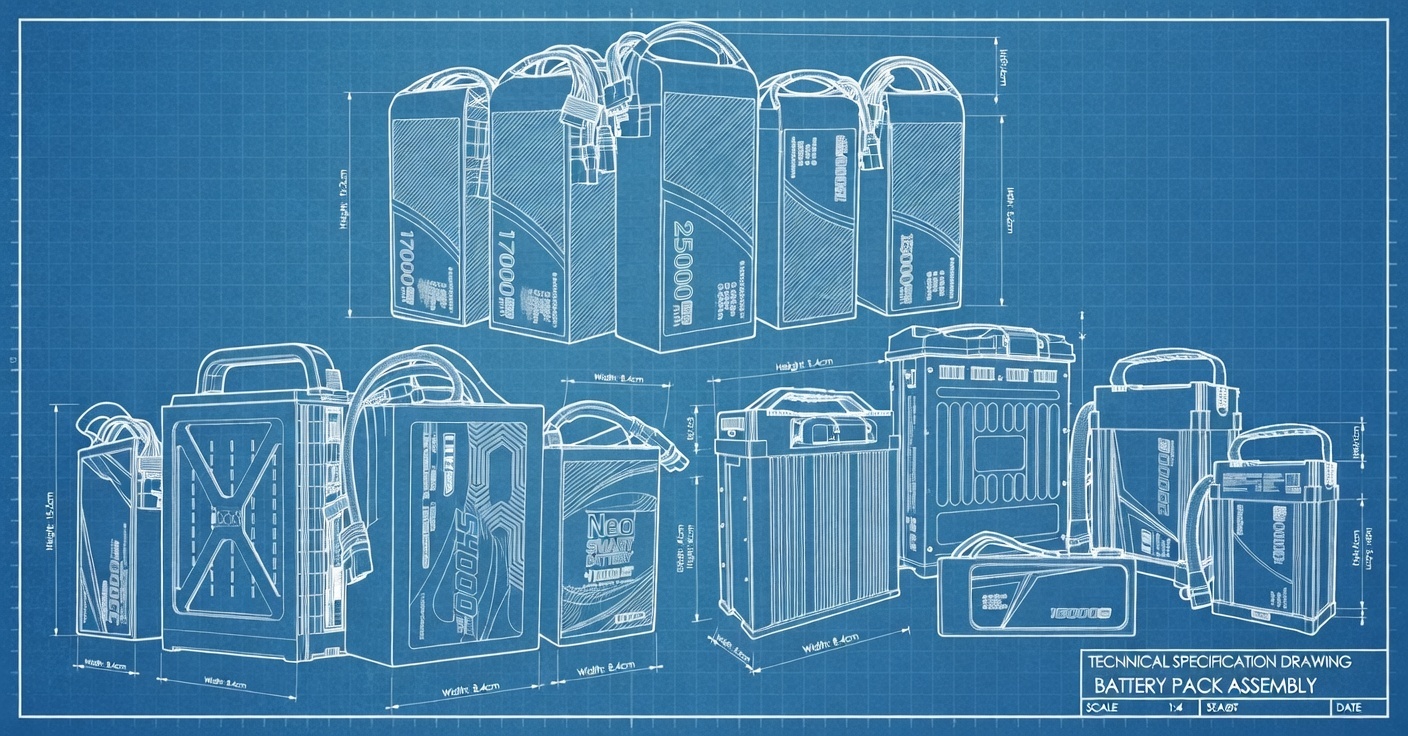
“Drone batteries are evolving from replaceable consumables to critical mission system components,” notes a recent Global Info Research analysis on intelligent drone battery markets. This shift underscores the importance of tracking every component throughout its lifecycle.
Core Components of Drone Fleet Traceability
Battery Management Systems (BMS) Integration
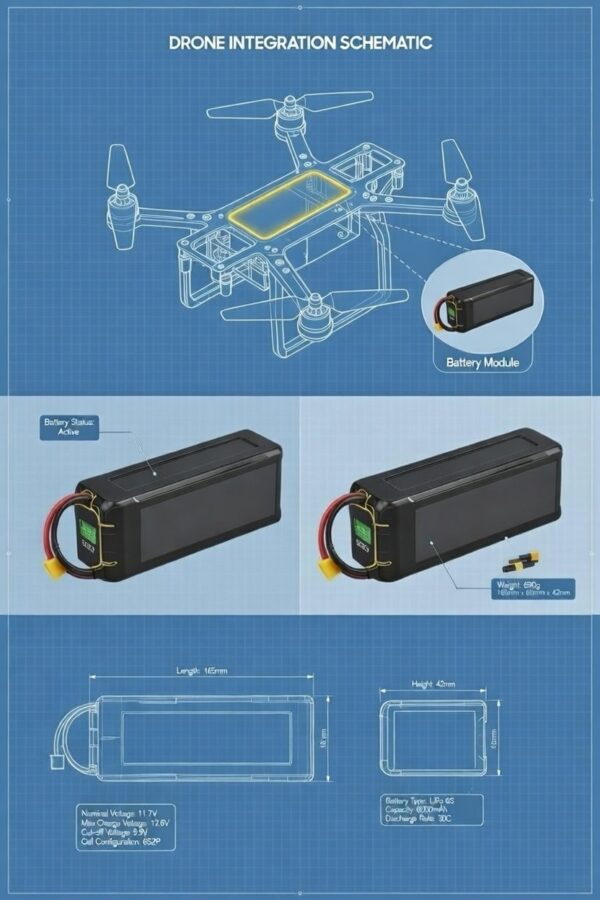
Modern drone operations depend heavily on intelligent battery management. A comprehensive BMS tracks charging cycles, protection mechanisms, and power monitoring across your entire fleet. Operators implementing advanced BMS solutions report 30-40% improvements in battery lifespan and 25% reduction in unexpected failures.
Key tracking metrics include:
- Charge-discharge cycle counts
- Temperature monitoring during operations
- Voltage consistency across battery cells
- Predictive maintenance alerts
GPS-Enabled Asset Tracking
Every drone in your fleet should maintain continuous location visibility. GPS-enabled tracking systems provide real-time positioning, route optimization, and geofencing capabilities. This technology proves essential for regulatory compliance, insurance requirements, and operational efficiency.
Blockchain-Enhanced Documentation
Emerging blockchain technologies offer immutable records for supply chain transactions. From component procurement to final delivery, blockchain creates transparent, auditable trails that enhance stakeholder confidence and streamline dispute resolution.
Best Practices for Implementing Traceability Systems
Successful drone fleet operators follow these proven strategies:
- Centralize Data Collection: Integrate all tracking systems into a unified dashboard. Fragmented data creates blind spots that undermine traceability efforts.
- Automate Maintenance Scheduling: Use predictive analytics to schedule battery replacements and component maintenance before failures occur. This approach reduces downtime by up to 45%.
- Implement RFID Tagging: Tag high-value components with RFID identifiers for instant identification and tracking throughout the supply chain.
- Establish Clear Audit Protocols: Regular audits ensure data accuracy and system integrity. Schedule quarterly reviews of all traceability records.
- Train Operations Teams: Personnel must understand traceability importance and proper data entry procedures. Human error remains a leading cause of tracking failures.
- Leverage AI-Powered Analytics: Machine learning algorithms identify patterns invisible to human analysis, predicting potential issues before they impact operations.
- Maintain Regulatory Compliance Documentation: Keep detailed records for aviation authorities, insurance providers, and customer requirements.
Case Study: Medical Supply Delivery Optimization
A compelling example comes from logistics operators implementing AI-powered blood delivery systems across urban networks. By deploying comprehensive traceability solutions, these operators achieved an average delivery time of 23 minutes across strategically located hubs.
The implementation included:
- Real-time battery status monitoring across 5 distribution hubs
- GPS tracking for every delivery drone
- Automated route optimization based on traffic and weather conditions
- Complete chain-of-custody documentation for medical supplies
Results demonstrated 60% faster delivery times compared to traditional ground transportation, with full traceability ensuring regulatory compliance for temperature-sensitive medical products. The ROI became evident within 18 months of implementation.
Calculating Your Traceability ROI
Understanding the financial impact helps justify traceability investments. Consider these calculation factors:
Cost Savings:
- Reduced battery replacement costs (30-40% extension)
- Lower insurance premiums (15-25% reduction with comprehensive tracking)
- Decreased loss and theft incidents (up to 70% improvement)
- Minimized regulatory fines through compliance documentation
Revenue Enhancement:
- Premium pricing for tracked, verified deliveries
- Expanded service offerings with guaranteed delivery windows
- Improved customer retention through transparency
Operational Efficiency:
- Reduced downtime through predictive maintenance
- Optimized fleet utilization rates
- Streamlined inventory management
Industry benchmarks suggest comprehensive traceability systems deliver ROI within 12-24 months for most drone fleet operations.
Technology Integration Roadmap
Implementing traceability doesn’t require overnight transformation. A phased approach minimizes disruption while building capabilities:
Phase 1 (Months 1-3): Deploy basic GPS tracking and battery monitoring across your fleet. Establish data collection protocols.
Phase 2 (Months 4-6): Integrate centralized dashboard systems. Begin predictive maintenance scheduling.
Phase 3 (Months 7-12): Implement advanced analytics and automation. Explore blockchain documentation options.
Phase 4 (Ongoing): Continuous optimization based on data insights and emerging technologies.
Overcoming Implementation Challenges
Common obstacles include legacy system integration, staff resistance, and upfront investment concerns. Address these through:
- Selecting modular solutions that integrate with existing infrastructure
- Demonstrating quick wins to build organizational support
- Calculating total cost of ownership rather than just initial investment
- Partnering with experienced technology providers
The Competitive Advantage of Transparency
In an increasingly crowded e-commerce logistics market, traceability provides meaningful differentiation. Customers value visibility into their deliveries, while business partners appreciate reliable, documented operations. This transparency builds trust that translates directly into customer loyalty and referral business.
Future-Proofing Your Operations
The drone logistics industry continues evolving rapidly. Today’s traceability investments prepare your operation for tomorrow’s requirements. Emerging regulations will likely mandate increasingly sophisticated tracking capabilities. Early adopters gain competitive advantages while avoiding costly retrofits.
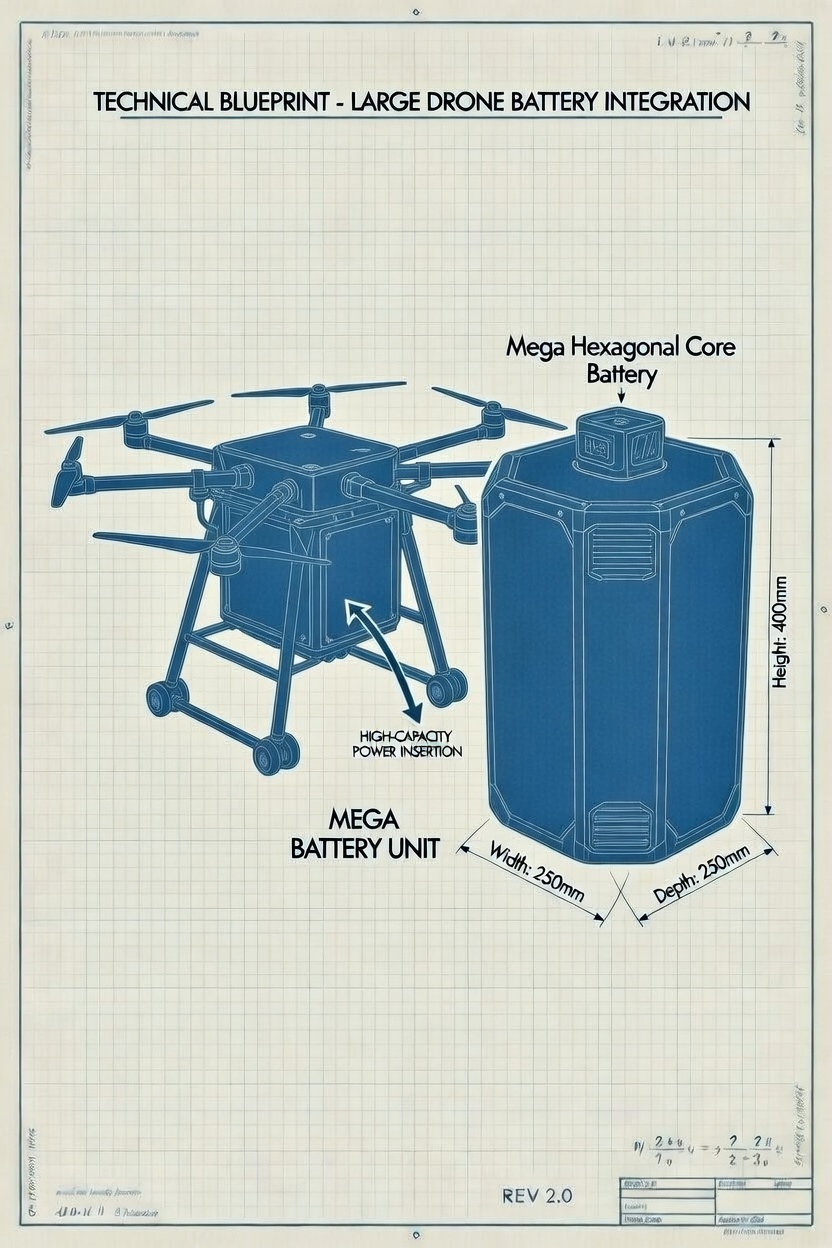
Solid-state battery technologies and high-energy-density solutions are transforming drone batteries from simple consumables into mission-critical components. This evolution demands equally sophisticated tracking approaches.
Conclusion: Taking Action on Traceability
Supply chain traceability represents more than operational overhead—it’s a strategic investment that drives measurable ROI for e-commerce drone fleet operators. From battery management to GPS tracking, from predictive maintenance to blockchain documentation, comprehensive traceability systems deliver tangible financial returns while positioning your operation for sustainable growth.
The question isn’t whether you can afford to implement traceability solutions. The real question is whether you can afford not to, as competitors leverage these capabilities to capture market share and optimize operations.
Ready to maximize your drone fleet ROI through advanced traceability solutions? Our team specializes in helping e-commerce drone operators implement customized tracking systems that deliver measurable results. Contact us today for a personalized consultation on optimizing your fleet’s supply chain visibility.
Get Your Custom Traceability Consultation
Explore our comprehensive drone battery solutions to learn how intelligent power management integrates with your traceability strategy for maximum operational efficiency.
This article provides general guidance for drone fleet operators. Specific implementation should consider your unique operational requirements, regulatory environment, and business objectives. Consult with qualified professionals before making significant technology investments.