The e-commerce drone delivery market is experiencing unprecedented growth, with global valuations projected to exceed $58 billion by 2026. For drone fleet operators, maximizing return on investment (ROI) hinges on one critical factor: supply chain traceability. Without comprehensive visibility into your drone components, battery lifecycle, and maintenance records, operational costs can spiral while efficiency plummets.
This comprehensive guide reveals proven strategies to enhance traceability, reduce downtime, and boost your fleet’s profitability through data-driven supply chain management.
Why Supply Chain Traceability Matters for Drone Fleets
Supply chain traceability refers to the ability to track every component, part, and material throughout your drone fleet’s lifecycle. For e-commerce operators, this isn’t just about compliance—it’s about profitability.
Key Statistics Driving the Need for Traceability
- 35% reduction in operational costs when implementing blockchain-based traceability systems
- 42% decrease in unplanned downtime with real-time component tracking
- 28% improvement in battery lifecycle management through predictive analytics
- $2.3 million average savings annually for fleets with 50+ drones using traceability solutions
According to recent industry reports, drone fleet operators who prioritize supply chain visibility report 3.5x higher ROI compared to those relying on traditional inventory management methods.
Core Components of Drone Fleet Traceability
1. Battery Lifecycle Tracking
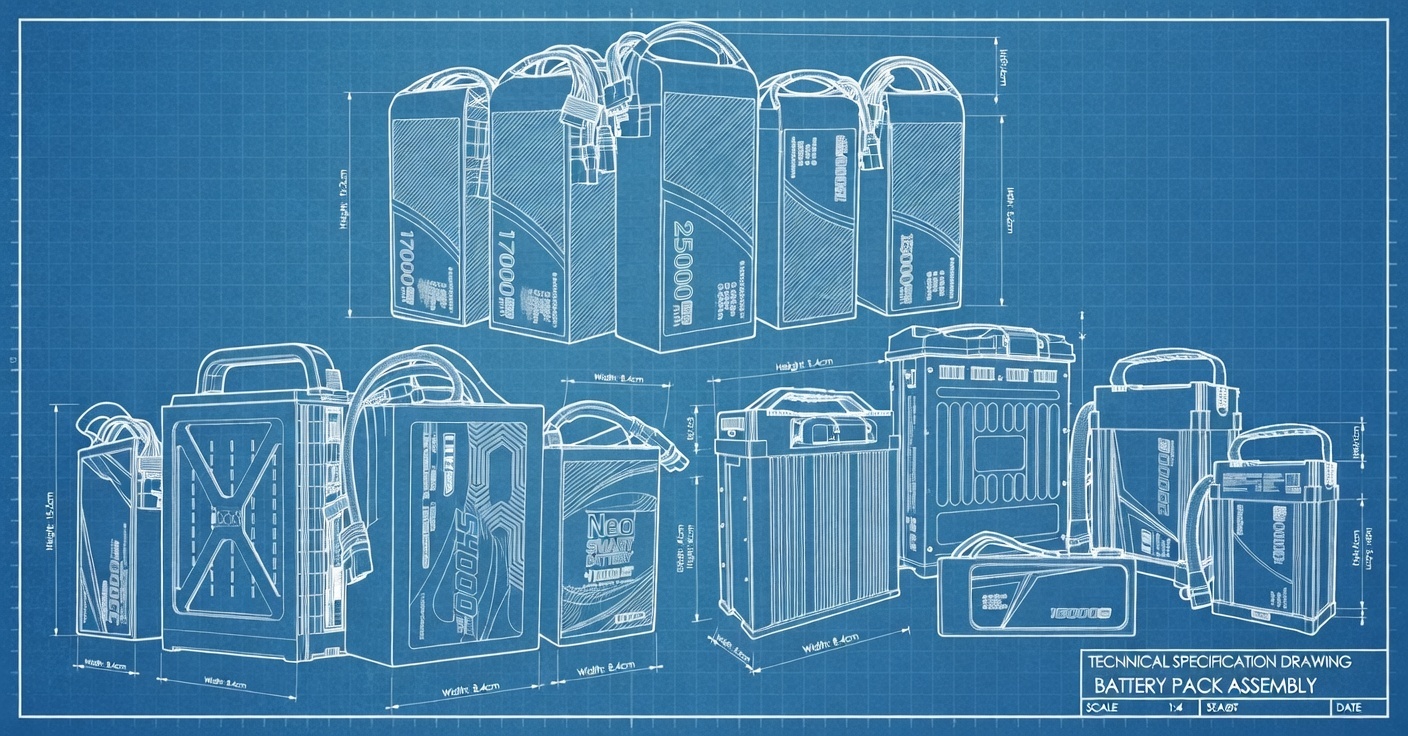
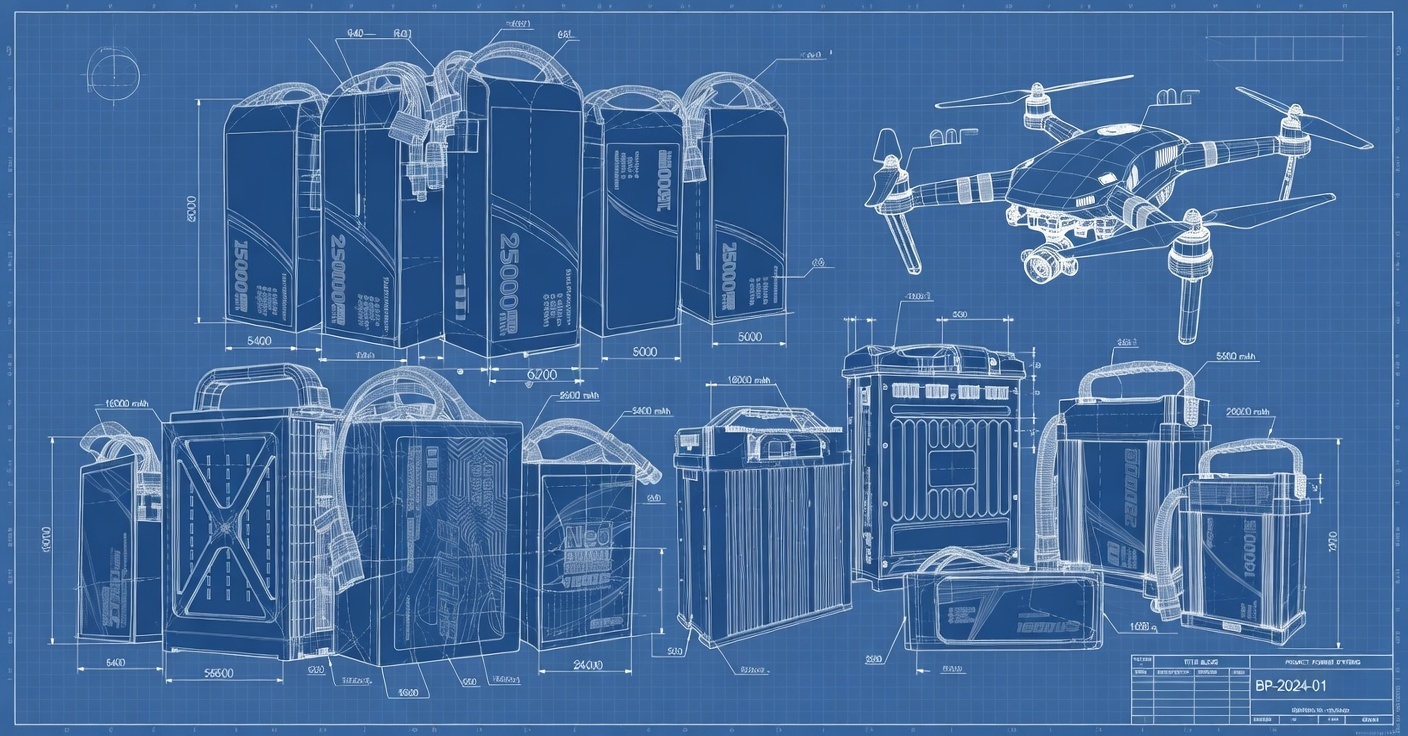
Drone batteries represent approximately 40% of operational costs for e-commerce delivery fleets. Implementing comprehensive battery traceability ensures:
- Real-time charge cycle monitoring
- Predictive replacement scheduling
- Temperature and performance analytics
- Warranty claim optimization
Best Practice: Deploy IoT sensors on each battery pack to capture usage data automatically. This enables predictive maintenance before failures occur.
2. Component Authentication
Counterfeit parts cost the drone industry an estimated $1.2 billion annually. Traceability systems help verify:
- Motor authenticity and performance history
- Propeller wear patterns
- Sensor calibration records
- Firmware version tracking
3. Maintenance Record Integration
Centralized maintenance databases create audit-ready documentation while enabling:
- Automated service interval alerts
- Technician performance tracking
- Parts replacement history
- Compliance verification for regulatory bodies
Proven Traceability Strategies for Maximum ROI
Strategy 1: Blockchain-Enabled Component Tracking
Blockchain technology creates immutable records for every drone component. Implementation benefits include:
- Tamper-proof records that enhance regulatory compliance
- Smart contracts automating warranty claims and replacements
- Transparent supply chains building customer trust
- Reduced fraud through cryptographic verification
Leading operators report 67% faster recall responses when using blockchain traceability systems.
Strategy 2: IoT Sensor Integration
Deploying IoT sensors across your fleet generates real-time data streams for:
| Sensor Type | Data Captured | ROI Impact |
|---|---|---|
| Battery Management | Charge cycles, temperature, voltage | 25% extended battery life |
| Motor Performance | RPM, temperature, vibration | 30% reduced maintenance costs |
| GPS Tracking | Flight paths, delivery times | 18% improved route efficiency |
| Environmental | Weather conditions, altitude | 22% fewer weather-related incidents |
Strategy 3: AI-Powered Predictive Analytics
Machine learning algorithms analyze traceability data to predict:
- Component failure probabilities
- Optimal replacement timing
- Seasonal demand fluctuations
- Maintenance scheduling optimization
Companies implementing AI-driven analytics report 45% reduction in unexpected fleet downtime.
Strategy 4: RFID and QR Code Systems
Physical tagging combined with digital records enables:
- Quick component identification during inspections
- Automated inventory updates
- Streamlined audit processes
- Enhanced theft prevention
Implementation Roadmap: From Planning to Execution
Phase 1: Assessment (Weeks 1-4)
- Audit current supply chain processes
- Identify traceability gaps
- Calculate baseline ROI metrics
- Select appropriate technology stack
Phase 2: Pilot Deployment (Weeks 5-12)
- Implement traceability on 10-20% of fleet
- Test data collection accuracy
- Train maintenance teams
- Refine processes based on feedback
Phase 3: Full Scale Rollout (Weeks 13-24)
- Deploy across entire fleet
- Integrate with existing ERP systems
- Establish automated reporting
- Monitor ROI improvements continuously
Phase 4: Optimization (Ongoing)
- Analyze performance data monthly
- Adjust predictive models
- Update technology as needed
- Share best practices across teams
Common Challenges and Solutions
Challenge 1: Data Integration Complexity
Solution: Choose platforms with open APIs that integrate seamlessly with existing fleet management software. Start with core metrics before expanding.
Challenge 2: Initial Investment Costs
Solution: Phase implementation to spread costs. Focus on high-impact areas like battery tracking first, where ROI appears within 6-9 months.
Challenge 3: Team Adoption Resistance
Solution: Provide comprehensive training and demonstrate clear benefits. Create incentive programs tied to traceability compliance metrics.
Challenge 4: Regulatory Compliance Variations
Solution: Work with legal teams to ensure traceability systems meet requirements across all operating regions. Maintain flexible reporting capabilities.
Measuring Success: Key Performance Indicators
Track these metrics to validate your traceability investment:
- Fleet Availability Rate: Target 95%+ operational readiness
- Mean Time Between Failures (MTBF): Aim for 20%+ improvement
- Battery Replacement Cost per Flight Hour: Reduce by 30%
- Compliance Audit Pass Rate: Maintain 100%
- Total Cost of Ownership: Decrease by 25% within first year
Frequently Asked Questions
Q1: How long does it take to see ROI from traceability implementation?
Most operators report positive ROI within 8-14 months, with battery tracking showing returns fastest (6-9 months). Full system benefits typically materialize within 18 months.
Q2: What’s the minimum fleet size for traceability to make financial sense?
Fleets with 10+ drones can justify basic traceability systems. Advanced solutions become cost-effective at 25+ drones, where operational complexity increases significantly.
Q3: Can traceability systems integrate with existing fleet management software?
Yes. Modern traceability platforms offer API connectivity with major fleet management systems including DJI FlightHub, Skydio Cloud, and custom enterprise solutions.
Q4: How does traceability improve regulatory compliance?
Comprehensive records demonstrate adherence to aviation authority requirements, streamline audit processes, and provide documentation for insurance claims. Many regions now mandate component traceability for commercial operations.
Q5: What happens if a supplier doesn’t support traceability standards?
Work with suppliers to establish data sharing agreements. Consider blockchain solutions that don’t require supplier participation, or prioritize suppliers with compatible systems.
The Competitive Advantage of Traceability
E-commerce drone operators with robust traceability systems gain significant competitive advantages:
- Faster delivery times through reduced downtime
- Lower insurance premiums with documented safety records
- Enhanced customer trust through transparent operations
- Scalable growth with predictable maintenance costs
- Regulatory readiness for expanding markets
As the industry matures, traceability transitions from competitive advantage to operational necessity. Early adopters position themselves for market leadership while latecomers face increasing compliance burdens and cost disadvantages.
Take Action: Optimize Your Fleet Today
The window for establishing traceability leadership is narrowing. Every day without comprehensive supply chain visibility costs your operation in reduced efficiency, unexpected downtime, and missed optimization opportunities.
Ready to maximize your drone fleet ROI through advanced traceability?
Our team specializes in drone battery solutions and supply chain optimization for e-commerce operators. We provide customized traceability systems designed for your specific fleet requirements, ensuring seamless integration and measurable ROI improvements.
Contact us today to discuss your traceability strategy and discover how we can help transform your drone fleet operations.
📧 Get in Touch: Visit our contact page at https://cnsbattery.com/drone-battery-home/drone-battery-contact
This guide reflects industry best practices as of 2026. Implementation results may vary based on fleet size, operational complexity, and technology selection. Consult with qualified professionals before making significant infrastructure investments.