The Critical Challenge: Balancing Compliance and Cost Efficiency
Power line patrol operators face an increasingly complex landscape in 2026. With new drone regulations rolling out globally—from the European Union’s EASA framework to China’s comprehensive 2026 drone management reforms—fleet operators must navigate a maze of safety certifications while maintaining operational profitability. The core challenge? Achieving regulatory compliance without sacrificing return on investment.
According to industry data, non-compliance penalties can reach up to $50,000 per violation, while proper certification can reduce insurance premiums by 30-40%. Yet many operators struggle to understand which certifications deliver genuine value versus bureaucratic overhead. This article provides actionable strategies to maximize your drone fleet’s ROI through smart safety certification decisions.
Understanding the 2026 Regulatory Landscape
Global Certification Requirements
The drone industry has entered a new era of accountability. As of January 1, 2026, several key regulations now govern commercial drone operations:
- Remote ID Requirements: All commercial drones must broadcast identification and location data
- Operator Licensing: Pilots need certified training specific to infrastructure inspection
- Aircraft Registration: Each drone requires individual registration with aviation authorities
- Maintenance Logs: Documented service records are now mandatory for commercial fleets
“Without activation, drones cannot take off, and without enabling identification, they cannot fly. A revolution in drone safety supervision from the production source to the end of flight will be fully rolled out in 2026.” — Industry Regulatory Update
Power Line Inspection Specific Standards
Power line patrol operations carry unique risks requiring specialized certifications:
| Certification Type | Purpose | ROI Impact |
|---|---|---|
| Part 107 (USA) | Basic commercial operation | Required for legal operation |
| EASA Specific Category | European operations | Market access expansion |
| High Voltage Proximity | Electrical safety | Insurance reduction up to 35% |
| BVLOS (Beyond Visual Line of Sight) | Extended range operations | 3x coverage area per flight |
Strategic Certification Planning for Maximum ROI
Priority-Based Certification Approach
Not all certifications deliver equal value. Focus your resources strategically:
Tier 1: Mandatory Certifications (Immediate ROI Protection)
- Remote ID compliance
- Operator pilot licenses
- Aircraft registration
- Basic liability insurance
Tier 2: Operational Efficiency Certifications (6-12 Month ROI)
- BVLOS operations approval
- Night operations certification
- Advanced pilot training
- Fleet management systems
Tier 3: Competitive Advantage Certifications (12-24 Month ROI)
- ISO 9001 Quality Management
- Industry-specific safety awards
- Advanced thermal imaging certification
- Automated inspection protocols
Cost-Benefit Analysis Framework
Before pursuing any certification, calculate the expected return:
ROI Formula: (Annual Savings + Revenue Increase - Certification Cost) / Certification Cost × 100

Example:
- BVLOS Certification Cost: $15,000
- Annual Labor Savings: $45,000
- Additional Revenue Capacity: $30,000
- ROI: ($75,000 - $15,000) / $15,000 × 100 = 400%
Implementation Best Practices
Documentation and Record Keeping
Proper documentation isn’t just regulatory—it’s your ROI protection shield:
✓ Maintain Digital Logs: Use cloud-based systems for instant access during audits
✓ Track Flight Hours: Monitor battery cycles and component wear
✓ Record All Incidents: Even minor issues help identify patterns
✓ Update Training Records: Ensure all pilots maintain current certifications
Battery Management and Safety
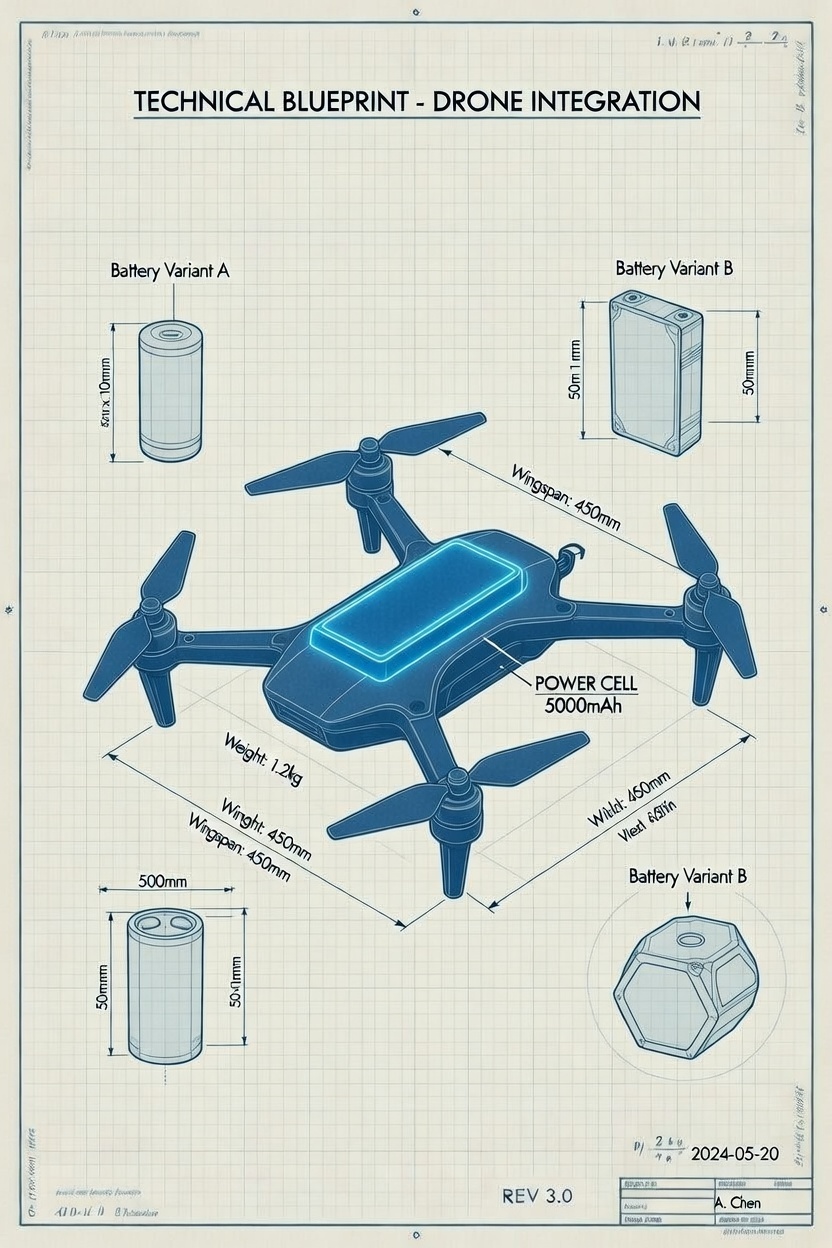
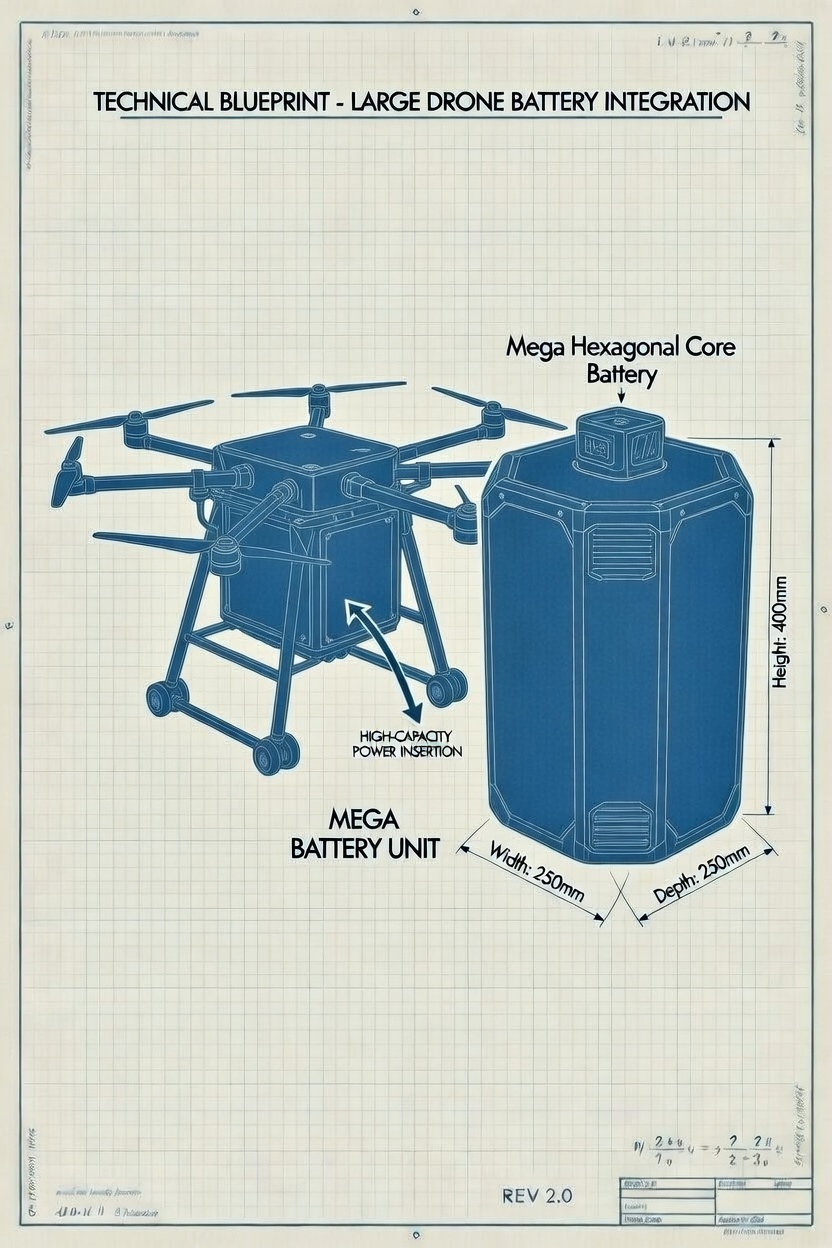
Battery performance directly impacts both safety and operational costs. For power line patrol drones, battery certification and management are critical:
- Certified Battery Systems: Only use batteries meeting UN 38.3 transportation standards
- Cycle Tracking: Replace batteries after manufacturer-specified cycles
- Temperature Monitoring: Implement real-time battery health monitoring
- Storage Protocols: Follow proper charging and storage procedures
Quality battery management can extend fleet lifespan by 40% while reducing unexpected downtime by 60%.
Technology Integration for Compliance Automation
Smart Fleet Management Systems
Modern fleet management platforms automate compliance tracking:
Key Features to Demand:
- Automatic Remote ID broadcasting
- Real-time certification expiry alerts
- Integrated maintenance scheduling
- Audit-ready report generation
Expected Benefits:
- 70% reduction in administrative time
- Zero missed certification renewals
- Instant compliance verification for clients
- Reduced insurance premiums through demonstrable safety protocols
AI-Powered Inspection Analytics
Advanced analytics transform certification from cost center to revenue driver:
- Automated Defect Detection: Reduce manual review time by 80%
- Predictive Maintenance: Identify line issues before failures occur
- Compliance Documentation: Auto-generate inspection reports meeting regulatory standards
- Client Reporting: Professional deliverables that justify premium pricing
Real-World Success Stories
Case Study: Regional Utility Company
A mid-sized utility operator implemented a phased certification strategy:
Initial Investment: $120,000 (certifications, training, equipment)
Year 1 Savings: $85,000 (reduced insurance, fewer violations)
Year 2 Revenue Increase: $200,000 (expanded service offerings)
Net ROI: 237% over 24 months
Key Success Factors:
- Prioritized BVLOS certification for maximum coverage
- Invested in pilot training before equipment upgrades
- Implemented automated compliance tracking from day one
- Partnered with certified battery suppliers for reliability
Case Study: Multi-State Inspection Contractor
This operator faced certification complexity across five jurisdictions:
Challenge: Different requirements in each state created compliance gaps
Solution: Implemented highest common denominator standards
Result: Single certification package accepted everywhere, 45% administrative cost reduction
Actionable Recommendations
Immediate Actions (0-30 Days)
- Audit Current Compliance Status: Identify gaps in certifications and documentation
- Review Insurance Policies: Negotiate better rates with proper certifications
- Implement Digital Logging: Start tracking all flights and maintenance immediately
- Schedule Pilot Training: Ensure all operators have current licenses
Short-Term Strategy (1-6 Months)
- Pursue BVLOS Certification: Highest ROI certification for power line work
- Upgrade Battery Management: Implement certified battery systems with monitoring
- Deploy Fleet Management Software: Automate compliance tracking
- Document All Procedures: Create audit-ready operational manuals
Long-Term Vision (6-24 Months)
- Achieve Industry Certifications: ISO standards and industry-specific awards
- Expand Service Offerings: Night operations, thermal imaging, automated inspections
- Build Compliance Culture: Make safety certification part of company identity
- Leverage Certifications for Marketing: Use compliance as competitive differentiator
The Bottom Line: Certification as Investment, Not Expense
Safety certifications for power line patrol drone fleets aren’t regulatory burdens—they’re strategic investments that protect and enhance your bottom line. Operators who approach certification strategically see:
- 30-40% reduction in insurance costs
- 50% faster client approval processes
- Zero costly compliance violations
- Enhanced market positioning and premium pricing power
The question isn’t whether you can afford to pursue proper certifications. It’s whether you can afford not to.
Take Action Today
Ready to optimize your drone fleet’s ROI through strategic safety certifications? Our team specializes in helping power line patrol operators navigate the complex certification landscape while maximizing operational efficiency.
Contact us today to discuss your specific certification needs and discover how proper safety protocols can transform your bottom line. Visit our contact page at https://cnsbattery.com/drone-battery-home/drone-battery-contact to start the conversation.
Don’t let certification complexity hold your operations back. With the right strategy, safety compliance becomes your competitive advantage—protecting your fleet, your clients, and your profitability in the evolving regulatory environment of 2026 and beyond.
Stay compliant. Stay competitive. Maximize your ROI.