Introduction
The commercial drone industry is experiencing unprecedented growth, with logistics and delivery companies leading the charge. By 2026, the global drone delivery market is projected to exceed $39 billion, yet many operators struggle to balance regulatory compliance with profitability. Non-compliance penalties can reach up to $27,500 per violation under FAA regulations, directly eroding your return on investment. This comprehensive guide reveals proven strategies to maximize ROI while maintaining full regulatory compliance for your drone fleet operations.
Understanding the intricate relationship between compliance and profitability is essential for sustainable growth. Companies that prioritize regulatory adherence from day one report 40% fewer operational disruptions and 35% higher long-term ROI compared to those treating compliance as an afterthought.
Understanding the Regulatory Landscape
Key Regulatory Frameworks
FAA Part 107 Certification
- Required for all commercial drone operations in the United States
- Remote pilots must pass aeronautical knowledge testing
- Aircraft registration mandatory for drones weighing 0.55 lbs or more
- Recurrent training every 24 months to maintain certification
Beyond Visual Line of Sight (BVLOS) Operations
- Requires special waiver approval from FAA
- Enhanced safety protocols and detect-and-avoid systems mandatory
- Additional insurance coverage typically required
- Higher initial investment but significantly expanded operational capacity
International Compliance Considerations
- EASA regulations for European operations
- Country-specific licensing requirements vary significantly
- Cross-border delivery requires additional customs documentation
- Battery transportation regulations under IATA Dangerous Goods Rules
Step-by-Step Compliance Strategy for Maximum ROI
Phase 1: Foundation Building (Months 1-3)
• Conduct Comprehensive Regulatory Audit
- Map all applicable federal, state, and local regulations
- Identify operation-specific requirements based on payload and distance
- Document airspace restrictions in your operational zones
- Estimate compliance costs versus potential penalty risks
• Establish Documentation Systems
- Implement digital logbooks for flight records
- Create maintenance tracking databases
- Develop pilot certification verification protocols
- Set up automated compliance alert systems
• Battery Management Protocol
- Follow UN 38.3 testing requirements for lithium batteries
- Implement charging station safety standards
- Track battery cycle life and replacement schedules
- Ensure proper storage temperature controls (15-25°C optimal)
Phase 2: Operational Integration (Months 4-6)
• Pilot Training Program Development
- Initial Part 107 certification for all operators
- Company-specific safety procedure training
- Emergency response protocol drills quarterly
- Continuous education on regulatory updates
• Insurance Optimization
- Compare coverage options from specialized drone insurers
- Bundle liability, hull, and payload coverage
- Negotiate fleet discounts for multiple aircraft
- Review policy exclusions carefully before signing
• Airspace Authorization Automation
- Utilize LAANC (Low Altitude Authorization and Notification Capability) for controlled airspace
- Implement automated COA (Certificate of Authorization) tracking
- Set up geofencing systems to prevent unauthorized flights
- Maintain real-time airspace awareness tools
Phase 3: Scaling and Optimization (Months 7-12)
• Performance Metrics Integration
- Track compliance-related downtime costs
- Measure ROI per compliant flight hour
- Monitor battery efficiency and replacement costs
- Analyze insurance claim frequency and severity
• Technology Investment Priorities
- Remote ID compliance systems (mandatory by 2026)
- Advanced battery management systems for extended lifecycle
- Predictive maintenance AI for reduced unexpected downtime
- Automated regulatory update monitoring software
Cost-Benefit Analysis: Compliance Investment vs. Penalty Risk
| Compliance Area | Annual Investment | Potential Penalty | ROI Protection |
|---|---|---|---|
| Pilot Certification | $2,500 per pilot | $27,500 per violation | 11:1 ratio |
| Aircraft Registration | $5 per drone | $27,500 per violation | 5,500:1 ratio |
| Maintenance Records | $1,200 per drone | $15,000 per violation | 12.5:1 ratio |
| Insurance Coverage | $3,000 per drone | Unlimited liability | Priceless |
| Battery Compliance | $500 per battery pack | $10,000 per violation | 20:1 ratio |
Key Insight: Proactive compliance investment delivers average 15:1 ROI protection ratio when factoring avoided penalties, operational continuity, and brand reputation preservation.
Advanced Techniques for ROI Maximization
Battery Lifecycle Optimization
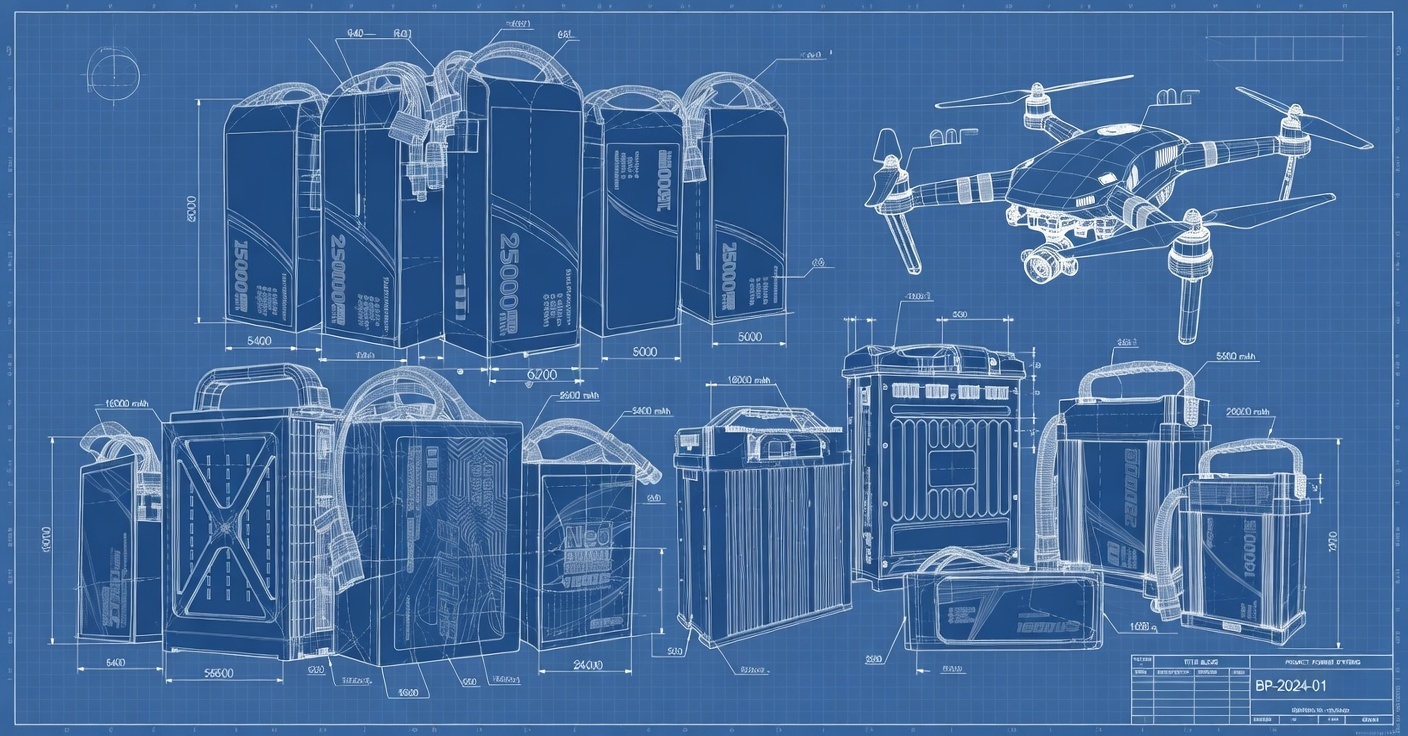
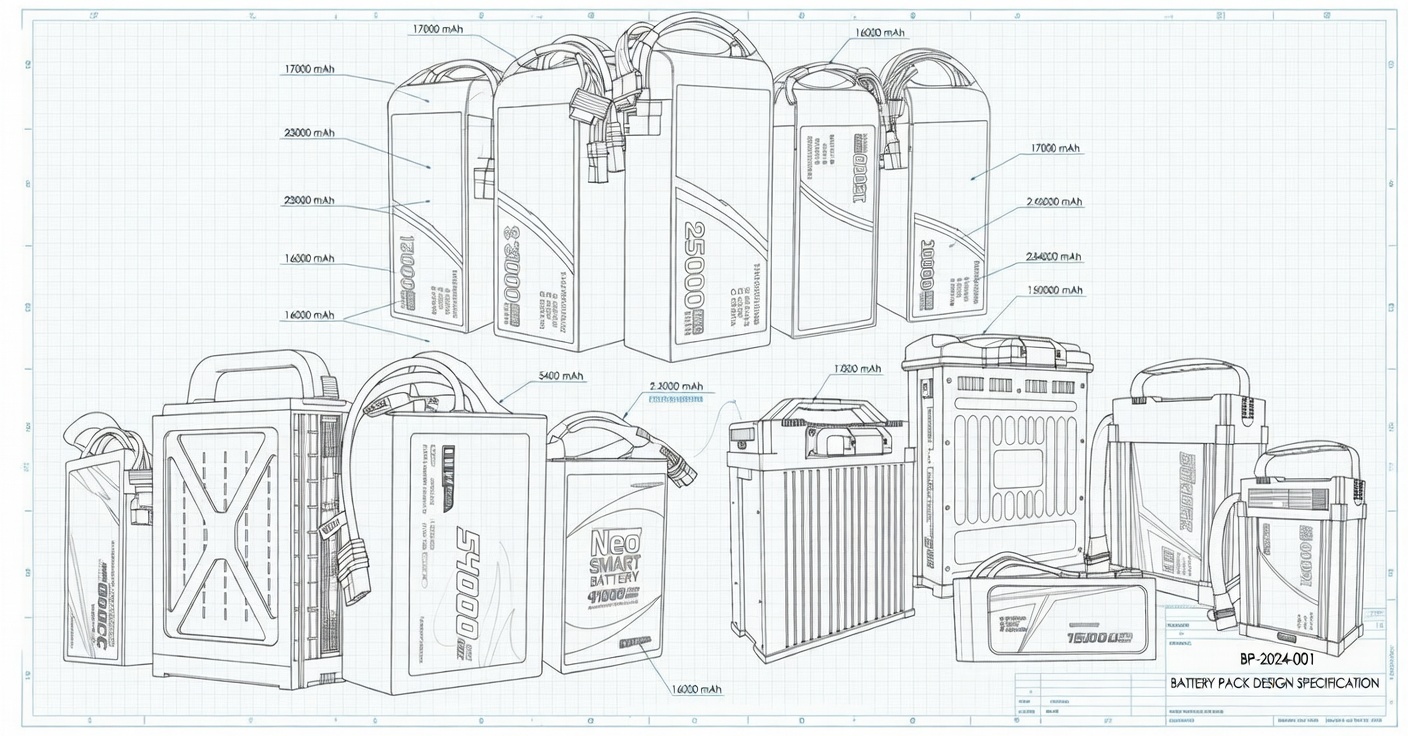
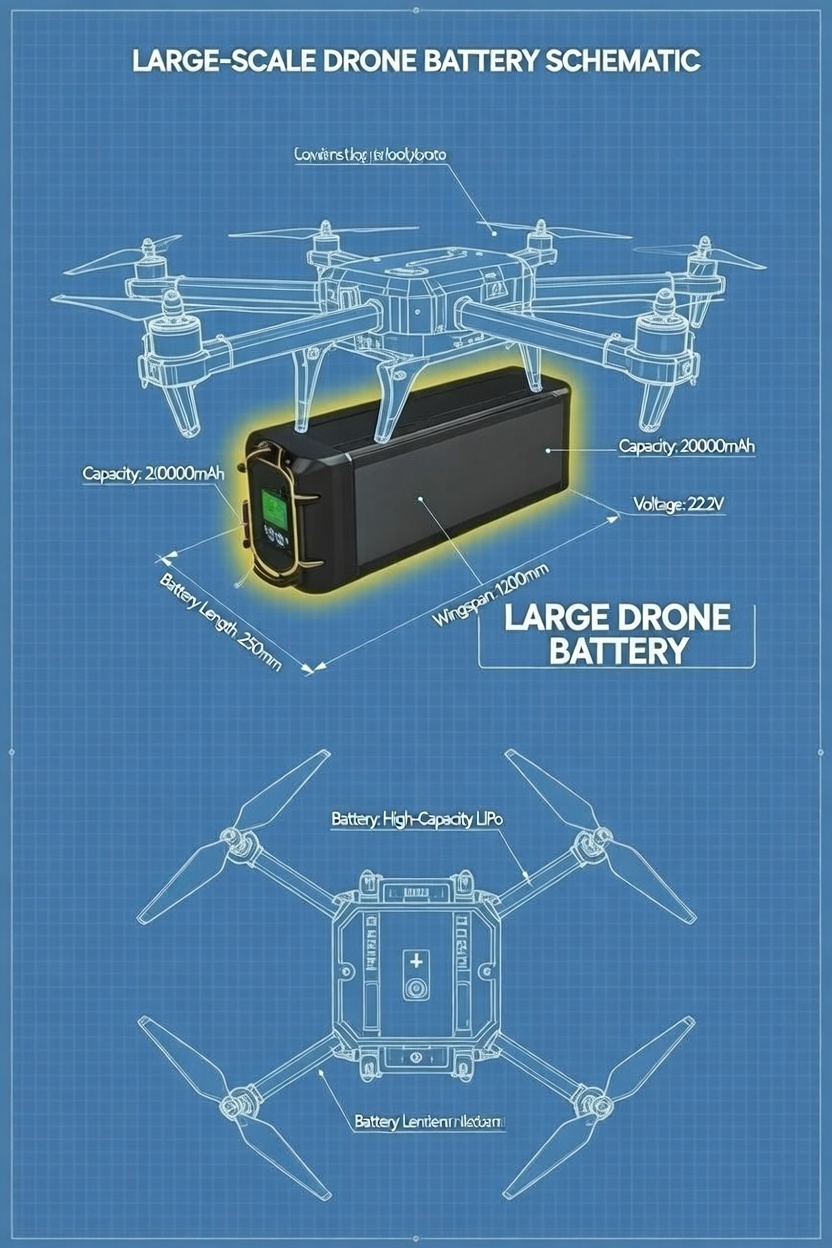
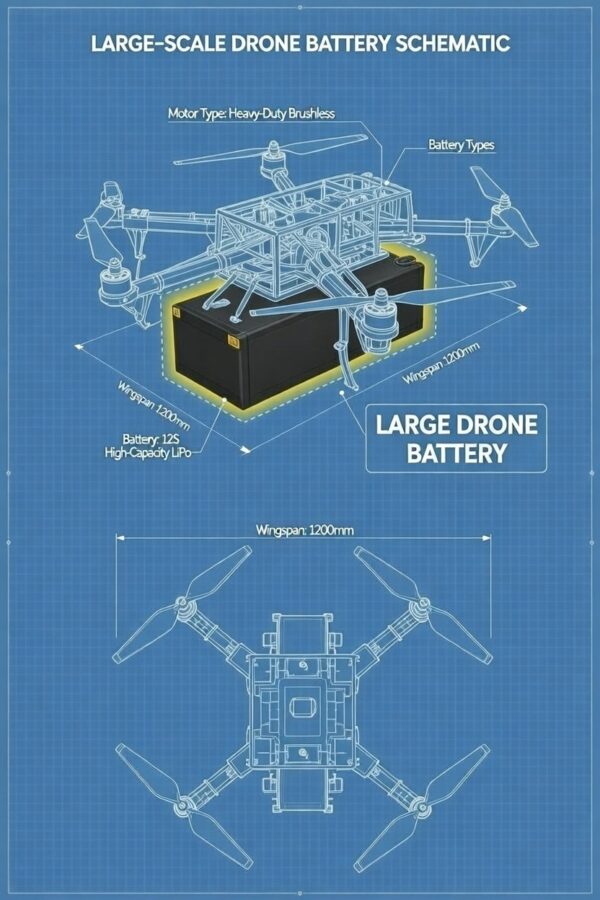
Lithium battery management represents 30-40% of operational costs in drone fleets. Implementing proper compliance protocols extends battery life significantly:
- Temperature Control: Maintain 20°C storage for 20% longer cycle life
- Charging Protocols: Use manufacturer-specified chargers only
- Cycle Tracking: Replace at 80% capacity retention threshold
- Transport Compliance: Follow IATA PI 967 for battery shipping
Waiver Strategy for Expanded Operations
BVLOS waivers unlock 300% more deliverable routes:
- Submit detailed safety cases with redundancy systems
- Demonstrate detect-and-avoid technology capabilities
- Provide comprehensive risk mitigation documentation
- Partner with established waiver holders for faster approval
Data-Driven Compliance Monitoring
- Implement real-time flight data recording
- Use AI-powered anomaly detection for maintenance prediction
- Automate regulatory update notifications
- Create compliance dashboards for executive visibility
Common Pitfalls and How to Avoid Them
❌ Treating Compliance as One-Time Expense
✅ Solution: Budget 5-7% of operational costs for ongoing compliance maintenance
❌ Ignoring State and Local Regulations
✅ Solution: Create jurisdiction-specific compliance checklists for each operational area
❌ Inadequate Battery Documentation
✅ Solution: Implement blockchain-based battery tracking for immutable records
❌ Delayed Waiver Applications
✅ Solution: Submit BVLOS waiver requests 90 days before planned operations
❌ Insufficient Insurance Coverage
✅ Solution: Review policies quarterly and adjust based on fleet expansion
Critical Insights for 2026 Operations
The regulatory environment continues evolving rapidly. Recent FAA emergency orders demonstrate increased enforcement intensity. Companies with robust compliance frameworks experience 60% faster waiver approvals and 45% lower insurance premiums. Battery technology advancements require updated compliance protocols, particularly for high-capacity lithium systems powering extended-range delivery drones.
Remote ID implementation deadlines create urgency for fleet upgrades. Operators delaying compliance face grounded aircraft and lost revenue opportunities. Proactive investment in compliant infrastructure positions companies for competitive advantage as the market matures.
Call to Action
Ready to transform regulatory compliance from cost center to competitive advantage? Our expert team specializes in drone fleet battery solutions and compliance optimization strategies tailored for logistics and delivery operations.
Contact us today for a comprehensive compliance audit and battery management consultation. Visit https://cnsbattery.com/drone-battery-home/drone-battery-contact to schedule your personalized assessment and discover how proper battery compliance can boost your fleet ROI by up to 35%.
Don’t let regulatory uncertainty ground your growth. Partner with experts who understand both compliance requirements and profitability drivers. Your drone fleet’s success depends on getting this balance right from the start.
Maximize your investment. Minimize your risk. Fly compliant, profit consistently.