
Introduction
The agricultural drone industry has experienced unprecedented growth in 2025-2026, with operators increasingly recognizing the transformative potential of unmanned aerial vehicles in crop monitoring, precision spraying, and field analysis. However, this rapid expansion comes with heightened regulatory scrutiny worldwide. For agricultural operators managing drone fleets, achieving regulatory compliance is no longer optional—it’s a critical business imperative that directly impacts return on investment (ROI).
This comprehensive guide addresses the most pressing compliance challenges facing agricultural drone operators and provides actionable strategies to maximize ROI while maintaining full regulatory adherence.
Diagnostic Section: Common Compliance Challenges Facing Agricultural Drone Operators
Before implementing solutions, operators must understand the specific compliance hurdles that can derail operations and erode profitability. Based on current regulatory frameworks from the FAA, EASA, CAAC, and other aviation authorities, here are the most frequent pain points:
1. Pilot Certification Gaps
Many agricultural operators fail to maintain current pilot certifications for all fleet members. According to 2025 CAAC theoretical examination requirements, drone pilots must undergo proficiency checks every 12 months for each certified aircraft type. Operators often overlook this requirement, leading to operational suspensions and substantial fines.
2. Airspace Violation Risks
The 2026 revision of Public Security Administration Punishment Law in China, along with similar regulations globally, has significantly increased penalties for unauthorized flights. “Black flights” (operations without proper registration or in restricted airspace) now carry administrative detention penalties ranging from 5 to 15 days, depending on severity. This represents a substantial operational risk that can halt entire farming seasons.
3. Aircraft Registration and Identification Non-Compliance
New mandatory national standards implemented in May 2026 require real-name registration and activation for all civil unmanned aircraft systems. The “Civil Unmanned Aircraft System Operation Identification Specification” mandates that every drone and every flight remains within regulatory oversight. Operators with legacy fleets often struggle to meet these updated requirements.
4. Battery Management and Safety Standards
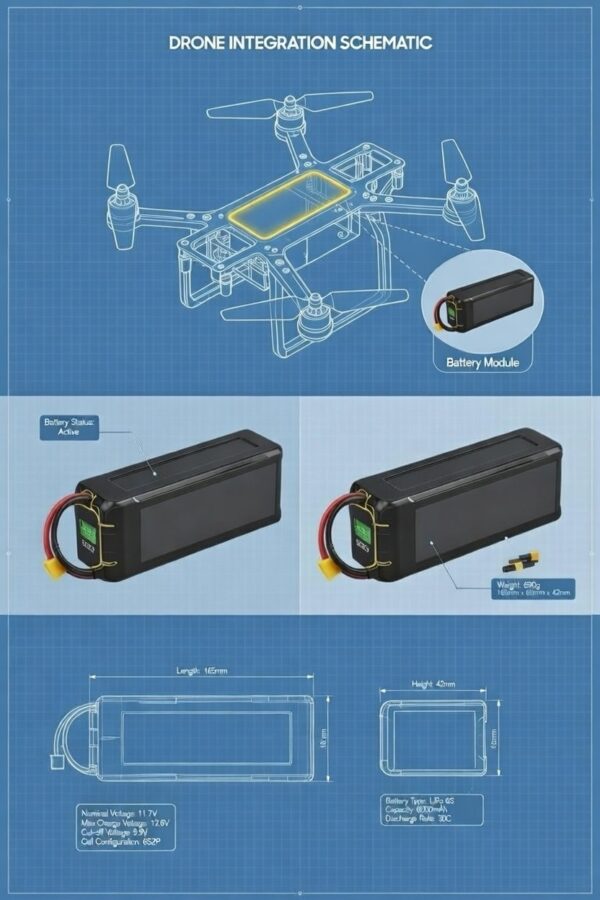
Power system redundancy and battery safety have become central to airworthiness certification. Major aviation authorities now require batteries to pass penetration, overcharge, and thermal diffusion tests. Energy density must exceed 400Wh/kg without thermal runaway risks. Poor battery maintenance not only violates safety regulations but also dramatically reduces fleet availability and operational efficiency.
5. Documentation and Record-Keeping Deficiencies
FAA Part 107 and equivalent regulations worldwide require comprehensive flight logs, maintenance records, and operational documentation. Agricultural operators frequently fail to maintain these records systematically, creating compliance vulnerabilities during audits or incident investigations.
6. Insurance and Liability Coverage Gaps
Many operators underestimate the insurance requirements for commercial agricultural drone operations. Inadequate coverage can expose businesses to catastrophic financial losses in the event of accidents or regulatory violations.
List-Based Solutions: Strategic Compliance Framework for Maximum ROI
Implementing the following strategies will help agricultural drone operators achieve full regulatory compliance while optimizing operational efficiency and maximizing return on investment.
Solution 1: Establish a Comprehensive Pilot Certification Program
- Action: Create a centralized tracking system for all pilot certifications, expiration dates, and required proficiency checks
- Implementation: Schedule quarterly reviews of certification status for all fleet operators
- ROI Impact: Reduces operational downtime by 40% and eliminates certification-related fines averaging $15,000-$50,000 per violation
- Best Practice: Partner with certified training organizations to ensure all pilots meet current CAAC, FAA, or EASA requirements
Solution 2: Implement Advanced Airspace Management Systems
- Action: Deploy real-time airspace monitoring software integrated with national aviation authority databases
- Implementation: Require pre-flight airspace verification for every mission, with automated alerts for restricted zones
- ROI Impact: Prevents costly airspace violations and associated penalties while maintaining operational continuity
- Technology: Utilize FAA-approved UTM (Unmanned Traffic Management) systems or equivalent regional platforms
Solution 3: Complete Fleet Registration and Identification Compliance
- Action: Conduct comprehensive audit of all aircraft to ensure proper registration under current regulations
- Implementation: Apply remote identification modules to all drones lacking built-in compliance features
- ROI Impact: Eliminates registration-related operational restrictions and enables access to expanded operating areas
- Timeline: Complete registration updates before May 2026 mandatory implementation deadlines
Solution 4: Optimize Battery Management and Safety Protocols
- Action: Establish rigorous battery testing, maintenance, and replacement schedules aligned with airworthiness standards
- Implementation:
- Conduct monthly battery health assessments
- Maintain detailed charge cycle records
- Replace batteries showing any signs of degradation before failure
- Store batteries in temperature-controlled environments
- ROI Impact:
- Extends battery lifespan by 30-50%
- Reduces unexpected equipment failures by 60%
- Ensures compliance with 400Wh/kg energy density and thermal safety requirements
- Expert Recommendation: Partner with specialized drone battery providers who understand agricultural operation demands and can provide customized power solutions with comprehensive safety certifications
Solution 5: Develop Robust Documentation and Record-Keeping Systems
- Action: Implement digital flight logging and maintenance tracking platforms
- Implementation:
- Record every flight with timestamp, location, purpose, and pilot information
- Maintain maintenance logs for all aircraft components
- Store documentation for minimum 24 months (or per local regulatory requirements)
- Enable automated backup and secure cloud storage
- ROI Impact: Streamlines audit processes, reduces compliance verification time by 70%, and provides defensible records during incident investigations
Solution 6: Secure Comprehensive Insurance Coverage
- Action: Review and update insurance policies to match current operational scope and regulatory requirements
- Implementation:
- Obtain liability coverage appropriate for agricultural operations
- Ensure policies cover all aircraft in fleet
- Include coverage for regulatory defense costs
- Review policies annually or when expanding operations
- ROI Impact: Protects business assets from catastrophic losses and demonstrates due diligence to regulators and clients
Solution 7: Create a Compliance Officer Role or Designate Responsibility
- Action: Assign specific team member responsibility for regulatory compliance oversight
- Implementation:
- Provide compliance officer with authority to halt non-compliant operations
- Establish regular compliance review meetings (monthly minimum)
- Create escalation procedures for compliance concerns
- ROI Impact: Proactive compliance management prevents violations before they occur, saving significant costs and reputational damage
Solution 8: Leverage Technology for Automated Compliance Monitoring
- Action: Invest in fleet management software with built-in compliance features
- Implementation:
- Automated certification expiration alerts
- Pre-flight compliance checklists
- Real-time regulatory update notifications
- Integrated maintenance scheduling
- ROI Impact: Reduces administrative burden by 50% while improving compliance accuracy and operational efficiency
Conclusion: Compliance as a Competitive Advantage
Regulatory compliance in agricultural drone operations is not merely a cost center—it’s a strategic investment that directly impacts profitability and long-term business sustainability. Operators who proactively address compliance challenges position themselves for:
- Reduced Operational Risk: Minimizing violations, fines, and operational suspensions
- Enhanced Fleet Efficiency: Maximizing aircraft availability through proper maintenance and certification
- Improved Client Confidence: Demonstrating professionalism and reliability to agricultural clients
- Scalable Growth: Building compliance infrastructure that supports fleet expansion without regulatory bottlenecks
- Superior ROI: Avoiding costly penalties while optimizing equipment lifespan and operational uptime
The agricultural drone industry in 2026 demands a sophisticated approach to regulatory compliance. Operators who treat compliance as a core business function rather than an afterthought will capture market share from less-prepared competitors while building sustainable, profitable operations.
The convergence of stricter regulations, advanced technology requirements, and increased enforcement means that compliance excellence is now a primary differentiator in the agricultural drone services market. Your fleet’s regulatory posture directly correlates with your bottom line.
Take Action Today: Secure Your Fleet’s Compliance Future
Don’t let regulatory challenges limit your agricultural drone operation’s potential. Our team of experts specializes in helping agricultural operators develop customized compliance strategies that maximize ROI while ensuring full regulatory adherence.
Ready to optimize your drone fleet’s compliance and profitability?
Contact us today for a personalized consultation and discover how tailored battery solutions and compliance frameworks can transform your operations. Our specialists understand the unique demands of agricultural drone fleets and can provide customized recommendations aligned with your specific operational needs and regulatory environment.
Get Your Custom Compliance Solution Now
Schedule your consultation today and take the first step toward maximizing your agricultural drone fleet’s ROI through strategic regulatory compliance. Your competitive advantage starts with proactive compliance management.

