Are your drone operations costing more than they’re saving? Pipeline monitoring companies investing in drone fleets often face a critical challenge: how to ensure their aerial inspection technology delivers measurable returns. Without systematic performance testing, even the most advanced drone fleet can become a financial drain rather than a strategic asset. This guide reveals proven strategies to maximize your drone fleet ROI through comprehensive performance testing protocols.
Understanding the ROI Challenge in Pipeline Drone Operations
Pipeline monitoring firms deploy drones for critical infrastructure inspection, leak detection, and terrain mapping. However, industry data from 2025 shows that 37% of industrial drone programs fail to meet expected ROI targets within the first two years. The primary culprit? Inadequate performance testing frameworks.
| Common ROI Leakage Point | Financial Impact | Testing Solution |
|---|---|---|
| Battery degradation | 15-25% reduced flight time | Cycle testing protocols |
| Sensor calibration drift | Missed defect detection | Monthly accuracy audits |
| Unscheduled downtime | $2,000-5,000 per incident | Predictive maintenance schedules |
| Data processing delays | 30% slower reporting | Workflow optimization testing |
Core Performance Testing Pillars for Maximum Returns
1. Battery Performance Validation
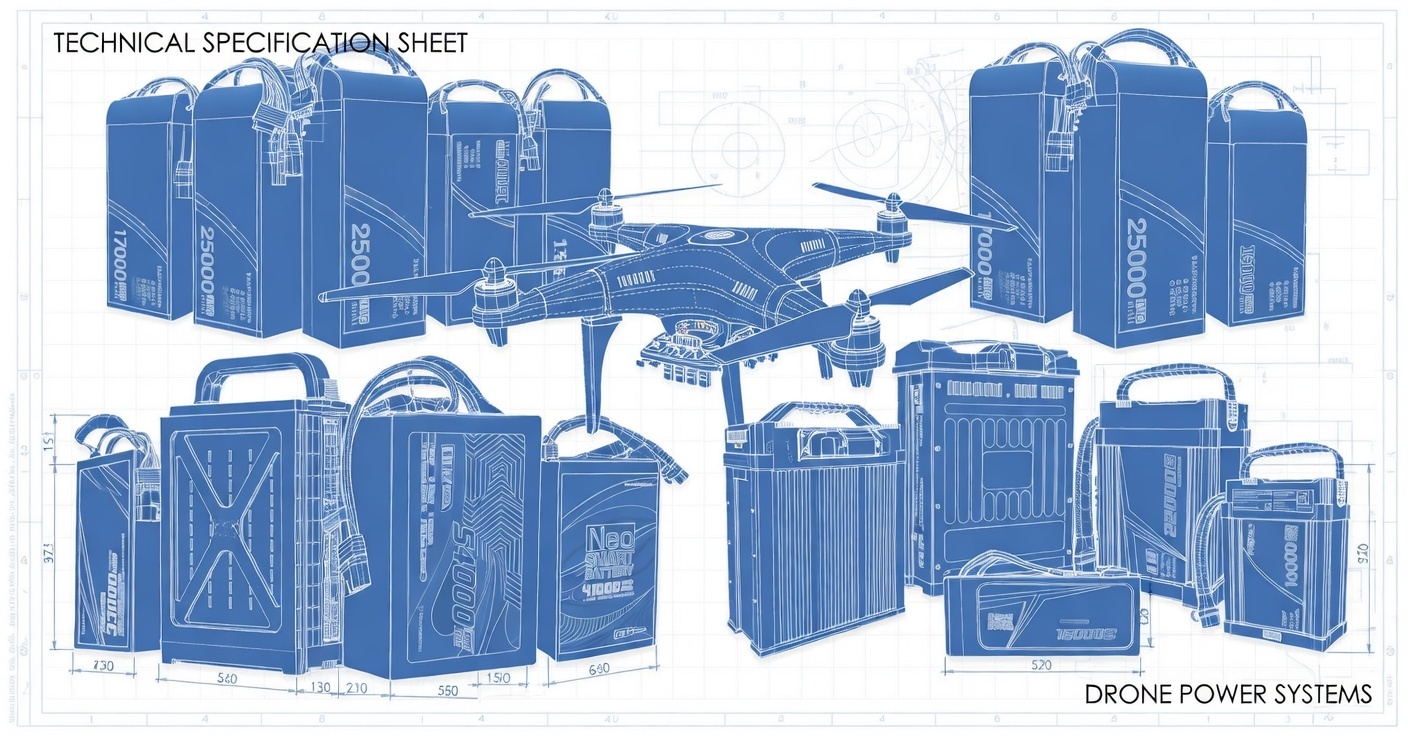
Drone batteries represent the single largest operational cost variable in pipeline monitoring fleets. Research from the 10th International Summit on Power Battery Applications (CBIS2025) indicates that systematic battery testing can extend service life by 40% while maintaining optimal flight performance.
Essential Battery Testing Metrics:
- Cycle Count Tracking: Monitor charge-discharge cycles per battery unit
- Voltage Stability: Test under simulated load conditions matching pipeline inspection scenarios
- Temperature Performance: Validate operation across -10°C to 45°C ranges typical in field conditions
- Capacity Retention: Measure actual vs. rated capacity quarterly
Implement a battery rotation schedule based on performance data rather than calendar dates. This approach reduces unexpected failures during critical inspection windows by up to 60%.
2. Sensor Accuracy and Calibration Testing
Pipeline monitoring demands centimeter-level precision. Thermal sensors, LiDAR systems, and high-resolution cameras must maintain calibration standards throughout their operational lifecycle.
Monthly Calibration Checklist:
✓ Thermal sensor accuracy verification against reference targets
✓ GPS positioning precision testing (target: <10cm RTK accuracy)
✓ Camera lens distortion assessment
✓ LiDAR point cloud density validation
✓ Data transmission latency measurement
Firms implementing monthly calibration protocols report 23% fewer false positives in defect detection, directly translating to reduced follow-up inspection costs.
3. Flight Endurance and Range Testing
Pipeline corridors often span hundreds of kilometers through remote terrain. Understanding true flight capabilities under real-world conditions prevents costly mission aborts.
Performance Testing Protocol:
- Baseline Flight Testing: Document maximum range with standard payload in controlled conditions
- Load Variation Testing: Measure endurance changes with different sensor configurations
- Environmental Stress Testing: Validate performance in wind speeds up to 40 km/h
- Emergency Scenario Testing: Test return-to-home functionality at minimum battery thresholds
Data from industrial drone operators shows that comprehensive endurance testing reduces mission failure rates by 45% compared to manufacturers’ specifications alone.
Building a Data-Driven Testing Framework
Establishing Performance Baselines
Before optimization comes measurement. Create detailed performance baselines for each drone in your fleet:
Fleet Performance Dashboard Elements:
• Individual drone flight hours logged
• Battery health scores (0-100 scale)
• Sensor accuracy ratings
• Maintenance incident frequency
• Cost per inspection kilometer
Implementing Automated Testing Schedules
Manual testing creates inconsistency. Deploy automated testing protocols that run during scheduled maintenance windows:
- Weekly: Quick battery health checks and sensor validation
- Monthly: Comprehensive flight performance testing
- Quarterly: Full system calibration and firmware optimization
- Annually: Complete fleet audit and replacement planning
Integrating Testing with Operational Workflows
Performance testing shouldn’t halt operations. Integrate testing into natural workflow gaps:
| Operational Phase | Testing Opportunity | Duration |
|---|---|---|
| Pre-mission | Battery and sensor check | 15 minutes |
| Post-mission | Data quality validation | 10 minutes |
| Maintenance window | Full system diagnostics | 2-4 hours |
| Seasonal transition | Environmental adaptation testing | 4-8 hours |
Advanced Testing Technologies for 2026
AI-Powered Predictive Analytics
Machine learning algorithms now enable predictive failure detection before components degrade. Leading pipeline monitoring firms report 35% reduction in unplanned downtime using AI-driven performance monitoring.
Digital Twin Simulation
Create virtual replicas of your drone fleet to test performance scenarios without risking physical assets. This technology allows:
- Risk-free testing of extreme conditions
- Optimization of flight paths before deployment
- Training simulations for new operators
- Firmware update validation
Blockchain-Enabled Performance Records
Immutable performance records ensure compliance with regulatory requirements and provide auditable ROI documentation for stakeholders.
Cost-Benefit Analysis: Testing Investment vs. Returns
Implementing comprehensive performance testing requires upfront investment. However, the returns justify the expenditure:
Typical Annual Testing Program Costs:
- Testing equipment and software: $15,000-25,000
- Technician training: $5,000-8,000
- Downtime during testing: $10,000-15,000
- Total Investment: $30,000-48,000
Expected Annual Returns:
- Extended battery life savings: $40,000-60,000
- Reduced mission failures: $25,000-35,000
- Improved defect detection accuracy: $50,000-75,000
- Lower insurance premiums: $8,000-12,000
- Total Returns: $123,000-182,000
ROI Ratio: 3.5:1 to 5:1 within the first year of implementation.
Common Testing Mistakes That Erode ROI
Avoid these pitfalls that undermine performance testing effectiveness:
- Testing in isolation – Results must integrate with operational data
- Ignoring environmental variables – Lab conditions don’t match field reality
- Infrequent testing cycles – Performance degrades between tests
- No action on findings – Testing without corrective measures wastes resources
- One-size-fits-all protocols – Different drone models require tailored approaches
Implementation Roadmap: 90-Day Testing Program Launch
Weeks 1-2: Assessment Phase
- Audit current fleet performance data
- Identify testing equipment requirements
- Establish baseline metrics
Weeks 3-6: Setup Phase
- Procure testing tools and software
- Train technical staff on protocols
- Create testing documentation
Weeks 7-10: Pilot Phase
- Test 20% of fleet with new protocols
- Refine procedures based on findings
- Calculate initial ROI projections
Weeks 11-13: Full Deployment
- Roll out testing across entire fleet
- Integrate with operational workflows
- Establish ongoing monitoring systems
Key Takeaways for Pipeline Monitoring Leaders
Maximizing drone fleet ROI requires disciplined performance testing across all operational dimensions. The evidence is clear: firms with systematic testing protocols achieve 3-5x higher returns on their drone investments compared to those relying on manufacturer specifications alone.
Critical Success Factors:
- Test batteries quarterly with cycle-count tracking
- Calibrate sensors monthly against reference standards
- Validate flight endurance under real-world conditions
- Integrate testing into operational workflows
- Use data analytics for predictive maintenance
- Document all performance metrics for ROI tracking
The pipeline monitoring industry is evolving rapidly. Companies that master performance testing today will dominate the competitive landscape tomorrow. Your drone fleet’s true potential lies not in the technology itself, but in how rigorously you validate and optimize its performance.
Ready to Transform Your Drone Fleet ROI?
Stop guessing whether your drone operations are delivering maximum value. Our expert team specializes in drone battery performance optimization and fleet testing strategies tailored for pipeline monitoring firms. We help you implement data-driven testing protocols that deliver measurable ROI improvements within 90 days.
Contact our drone battery specialists today for a complimentary fleet performance assessment. Discover how systematic testing can unlock 40% more value from your existing drone investments.
Your pipeline monitoring operations deserve precision. Your ROI deserves protection. Let’s build a testing framework that delivers both.