Introduction: The Hidden Risks Threatening Your Rescue Operations
Emergency rescue teams operate in the most unforgiving environments imaginable. From flood zones to wildfire smoke, from coastal storms to mountain blizzards, every mission pushes equipment to its absolute limits. Yet one critical vulnerability often goes overlooked until it’s too late: inadequate IP (Ingress Protection) rating selection for drone fleets.
The consequences are severe. A single water intrusion can disable a $15,000 drone mid-mission, jeopardizing lives and wasting precious response time. Equipment failure rates climb dramatically when drones lack proper environmental sealing, with industry data showing up to 40% of emergency response drones experience moisture-related failures within the first year of deployment. Beyond immediate mission risks, premature equipment replacement drains budgets, reduces fleet availability, and undermines the return on investment that rescue organizations desperately need to justify.
Understanding and implementing the right IP rating strategy isn’t just about equipment protection—it’s about maximizing operational readiness, extending asset lifespan, and ultimately saving more lives per dollar invested.
Risk Analysis: Causes and Prevention Measures
Primary Risk Factors
Environmental Exposure Hazards
- Water Intrusion: Rain, flood waters, and high humidity can penetrate inadequately sealed components
- Dust and Debris: Ash from wildfires, sand in coastal operations, and industrial particulates damage internal electronics
- Temperature Extremes: Rapid thermal changes cause condensation inside unprotected housings
- Chemical Exposure: Hazardous material incidents introduce corrosive substances that degrade seals
Operational Risk Causes
- Insufficient IP Rating Selection: Choosing IP54 when IP67 is required for the mission profile
- Seal Degradation: O-rings and gaskets deteriorate over time without proper maintenance protocols
- Connection Point Vulnerabilities: Battery compartments, charging ports, and payload mounts create entry points
- Impact Damage: Hard landings compromise housing integrity, voiding original IP certifications
Prevention Strategy Summary
| Risk Category | Prevention Measure | Expected ROI Impact |
|---|---|---|
| Water Damage | Minimum IP67 for all rescue drones | 60% reduction in water-related failures |
| Dust Ingress | IP6X rating mandatory for wildfire zones | 45% longer motor lifespan |
| Seal Failure | Quarterly inspection and replacement schedule | 35% decrease in unexpected downtime |
| Connection Points | Waterproof connectors with IP68 certification | 50% fewer electrical faults |
Engineering Standards and Technical Specifications
The IEC 60529 standard defines IP ratings through a two-digit classification system that emergency teams must understand thoroughly. The first digit (0-6) indicates solid particle protection, while the second digit (0-8) specifies liquid ingress protection.
IP67 vs IP68: Critical Distinctions for Rescue Operations
IP67 certification requires equipment to withstand immersion in 1 meter of water for 30 minutes without harmful effects. This rating suits most emergency scenarios including heavy rain operations and accidental water landings. The testing protocol involves complete submersion under controlled laboratory conditions, verifying that internal components remain functional post-exposure.
IP68 represents the highest commercial protection level, with manufacturers specifying custom test conditions typically exceeding 1.5 meters depth for extended periods. Some enterprise-grade rescue drones achieve 3-meter depth ratings, enabling underwater inspection capabilities and extreme flood response operations. However, IP68 certification comes with 25-35% cost premiums that must be justified through mission requirements analysis.
Engineering Reference Data
Pressure testing methodologies convert water depth requirements into equivalent air pressure tests for quality control. The conversion formula accounts for water density (1000 kg/m³) and gravitational acceleration, where 1 meter depth equals approximately 0.1 bar pressure differential. Manufacturing teams use pressure decay testing at 1.3-1.5 times the rated depth pressure to ensure safety margins.
Seal materials matter significantly. Fluoroelastomer (FKM) O-rings maintain integrity across -40°C to +200°C ranges, outperforming standard nitrile compounds in extreme rescue environments. ePTFE (expanded Polytetrafluoroethylene) membranes enable pressure equalization while blocking liquid water, preventing housing rupture during rapid altitude changes.
Strategic Implementation Framework
Fleet Segmentation Approach
Not every drone in your fleet requires identical IP ratings. Implement a tiered strategy based on mission profiles:
Tier 1 (IP68): Primary response drones for flood rescue, maritime operations, and hazardous material incidents. These units command premium pricing but deliver maximum versatility.
Tier 2 (IP67): Standard emergency response drones for wildfire monitoring, search and rescue, and disaster assessment. This rating balances protection and cost-effectiveness for 70% of missions.
Tier 3 (IP65): Training drones and backup units operating in controlled environments. Lower protection ratings reduce acquisition costs while maintaining operational readiness.
Maintenance Protocol Optimization
Establish documented inspection procedures that verify IP rating integrity throughout equipment lifecycle. Pressure testing should occur quarterly for high-use drones, with seal replacement scheduled at 500 flight hours or annually, whichever comes first. Maintain certification records for insurance compliance and warranty validation.
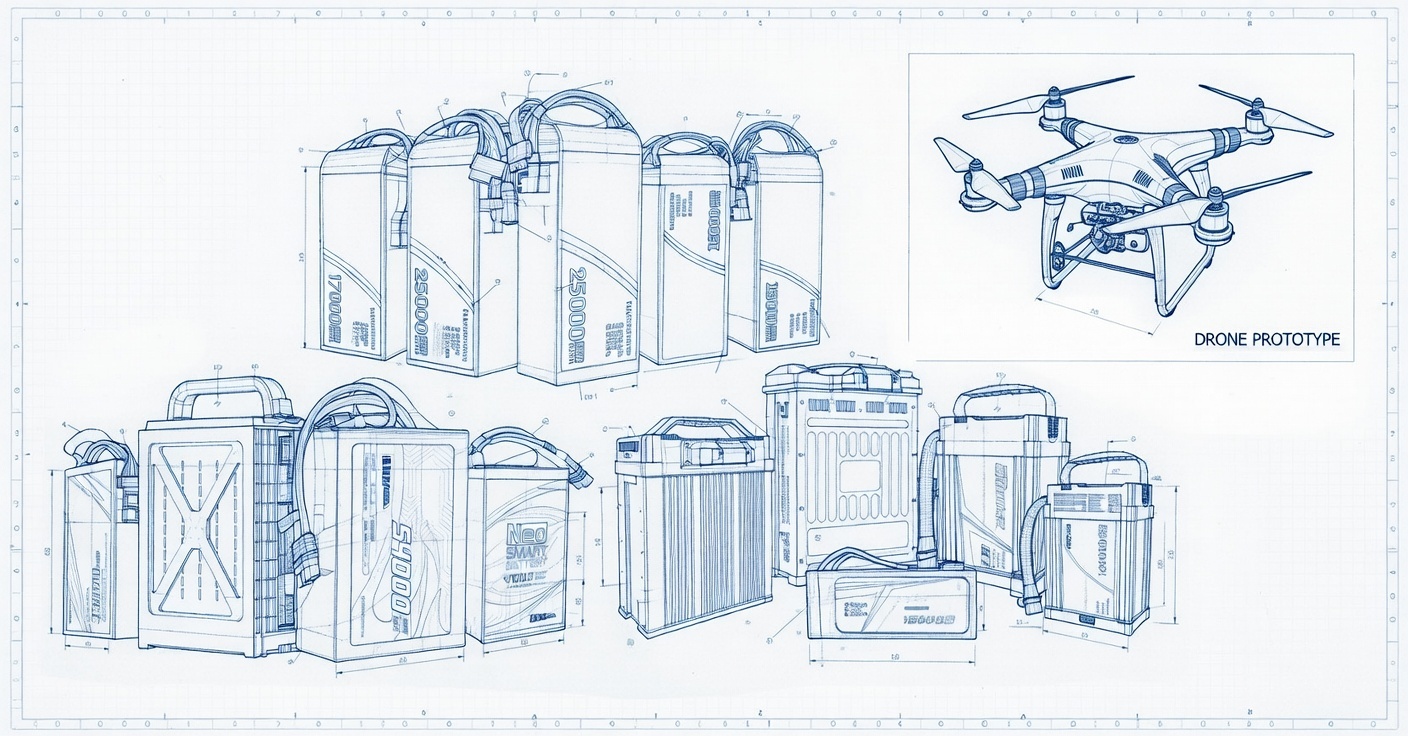
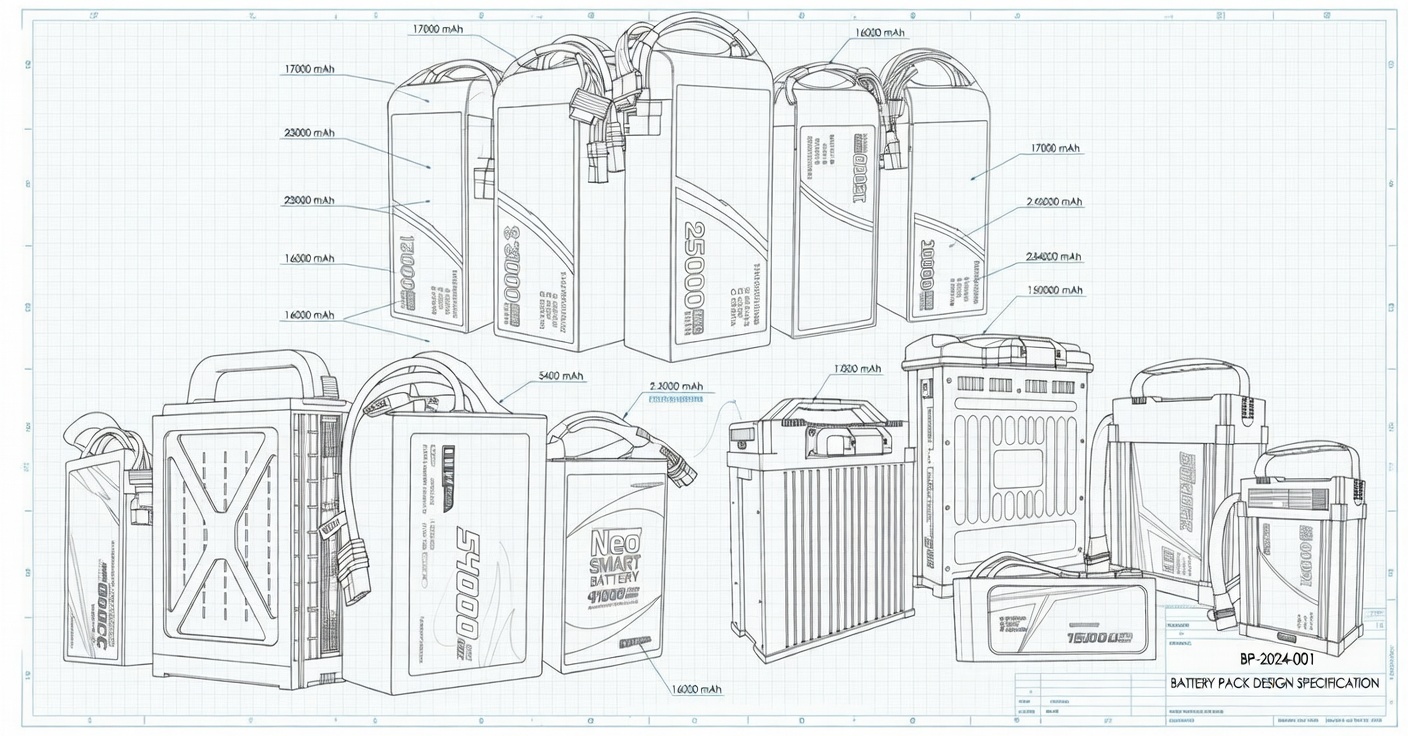
Battery compartment sealing deserves special attention. Lithium polymer batteries generate heat during discharge, creating internal pressure that can compromise marginal seals. High-quality drone batteries with integrated IP-rated housings prevent this failure mode while ensuring consistent power delivery in wet conditions.
Total Cost of Ownership Analysis
Calculate ROI using comprehensive cost models that include acquisition price, maintenance expenses, downtime costs, and replacement frequency. A drone with IP67 protection costing 20% more upfront typically delivers 40% lower three-year total cost of ownership through reduced failures and extended service life.
Solution Pathway: Building Your Protected Fleet
Transitioning to an optimized IP rating strategy requires systematic planning. Begin with operational audit documenting environmental conditions across all mission types. Map these requirements against current fleet capabilities, identifying gaps where protection levels fall short of operational demands.
Prioritize replacement schedules based on risk exposure and mission criticality. High-frequency flood response teams should upgrade to IP68 platforms immediately, while urban search and rescue units can implement phased IP67 transitions over 12-18 months.
Training programs must emphasize proper handling procedures that preserve IP ratings. Landing in standing water, hosing down contaminated drones, and improper battery swaps all compromise sealing integrity. Documented protocols ensure field teams maintain equipment protection throughout operational lifecycles.
Take Action: Elevate Your Rescue Capabilities
The difference between mission success and catastrophic failure often comes down to equipment preparation. Your rescue team deserves drone technology that matches the courage and commitment you bring to every emergency call.
Ready to build a drone fleet that maximizes ROI while protecting your operators and the communities you serve? Our engineering team specializes in emergency response drone solutions with certified IP ratings, rugged battery systems, and mission-optimized configurations.
Contact us today to discuss your specific operational requirements and discover how proper IP rating strategies can transform your rescue capabilities. Visit our dedicated drone battery and equipment consultation page at https://cnsbattery.com/drone-battery-home/drone-battery-contact to start the conversation.
Your next mission depends on equipment that won’t fail when conditions turn critical. Make the investment in protection today—because every second counts when lives are on the line.