Maximize ROI: IP Rating Strategies for Emergency Rescue Teams Drone Fleet
In the high-stakes environment of emergency rescue operations, every second counts, and every piece of equipment must perform flawlessly. When a drone fleet is deployed to search for survivors in flood zones, navigate through dust-filled collapse sites, or operate in freezing mountainous regions, the margin for error is non-existent. The introduction of Unmanned Aerial Vehicles (UAVs) into rescue protocols has revolutionized situational awareness, but it has also introduced a critical vulnerability: environmental exposure.
The risk is not merely financial; it is operational and ethical. A drone failure due to water ingress or dust contamination during a mission can lead to catastrophic data loss, delayed response times, and potentially the loss of life. Furthermore, the replacement costs of high-end thermal and LiDAR-equipped rescue drones are substantial. When a fleet is grounded because a single rainstorm compromised the electronics, the Return on Investment (ROI) plummets. The hidden costs of downtime, emergency repairs, and mission aborts often outweigh the initial savings of purchasing equipment with lower ingress protection standards. Therefore, understanding and implementing robust IP (Ingress Protection) rating strategies is not just a technical specification choice; it is a fundamental risk management protocol for any serious emergency rescue team.
Understanding the Shield: IP Ratings in Rescue Context
The IEC 60529 standard classifies the degrees of protection provided against the intrusion of solid objects (like dust) and liquids (like water). For rescue teams, the difference between IP54 and IP67 is the difference between a successful mission and a grounded fleet.
- First Digit (Solids): Ranges from 0 (no protection) to 6 (dust tight). In rescue scenarios involving building collapses or wildfire smoke, dust protection is critical. A rating of ‘5’ protects against limited dust ingress, but ‘6’ ensures complete protection, which is vital for motor longevity and sensor accuracy.
- Second Digit (Liquids): Ranges from 0 to 9. Rescue operations frequently occur in rain, snow, or over water. A rating of ‘4’ protects against splashing water, but ‘7’ allows for temporary immersion, and ‘8’ supports continuous immersion. For flood rescue, IP67 or IP68 is often the baseline requirement.
Engineering references suggest that relying on manufacturer claims without verifying testing standards can be risky. True IP ratings require rigorous testing under controlled pressure and duration. For instance, an IP65 rating protects against low-pressure water jets, which simulates heavy rain, but does not guarantee survival if the drone accidentally lands in a puddle.
Risk Causes and Prevention Measures
To maximize ROI, rescue teams must identify the specific environmental threats that lead to equipment failure. Below is a summary of the primary risk causes and the corresponding prevention strategies derived from engineering best practices.
Risk Causes
- Water Ingress: Rain, snow, humidity, or accidental submersion can short-circuit flight controllers and power distribution boards.
- Dust and Particulate Contamination: Fine dust from collapsed structures or ash from wildfires can jam motors and obstruct cooling vents, leading to overheating.
- Corrosion: Exposure to saltwater in maritime rescue operations accelerates corrosion on connectors and battery terminals.
- Thermal Shock: Rapid temperature changes when moving from a warm vehicle to a cold outdoor environment can cause condensation inside the chassis.
- Battery Compromise: Lithium-polymer batteries are particularly sensitive to moisture. A compromised battery cell can lead to thermal runaway or sudden power loss.
Prevention Measures
- Select High-IP Chassis: Prioritize drones with a minimum rating of IP65 for general rescue and IP67 for flood or maritime operations.
- Conformal Coating: Apply conformal coating to internal PCBs to add an extra layer of protection against humidity and corrosion beyond the external casing.
- Sealed Connectors: Ensure all data and power connectors use aviation-grade sealed plugs rather than exposed pins.
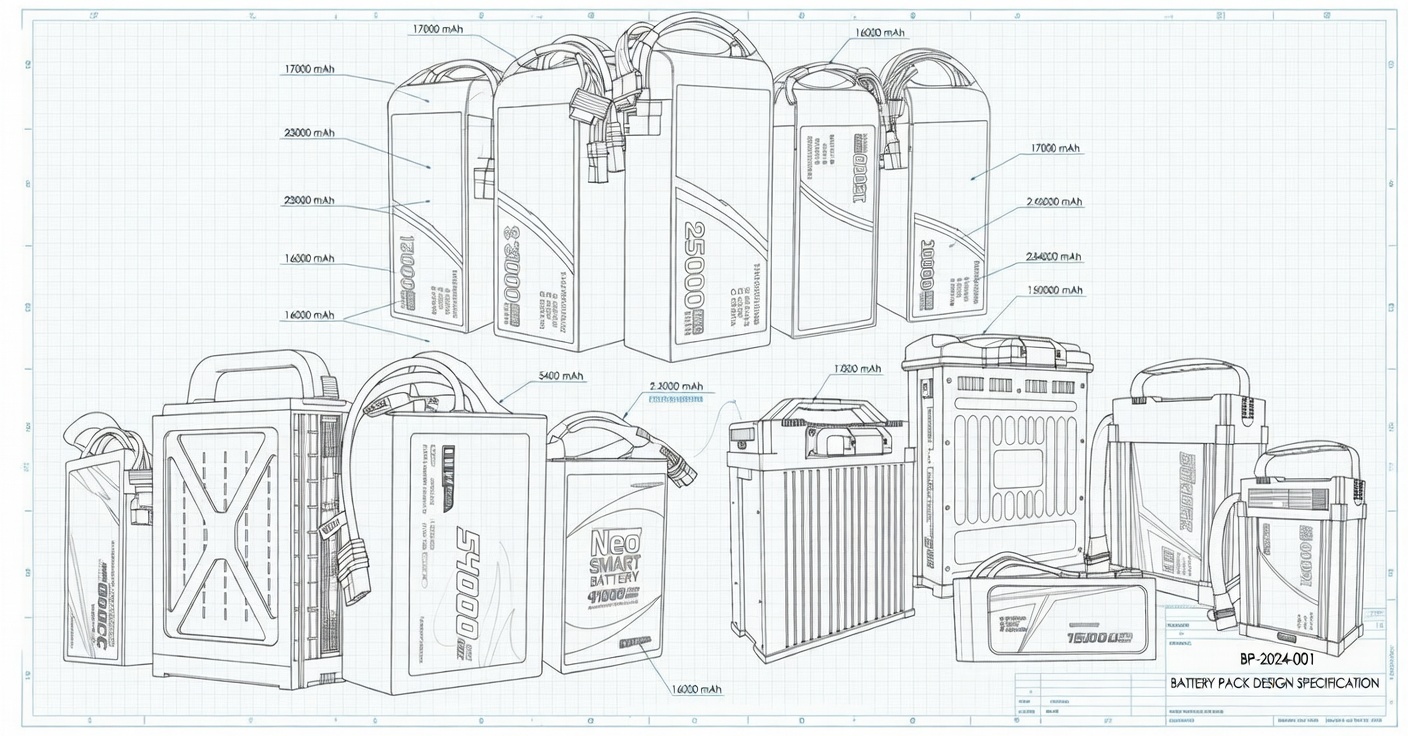
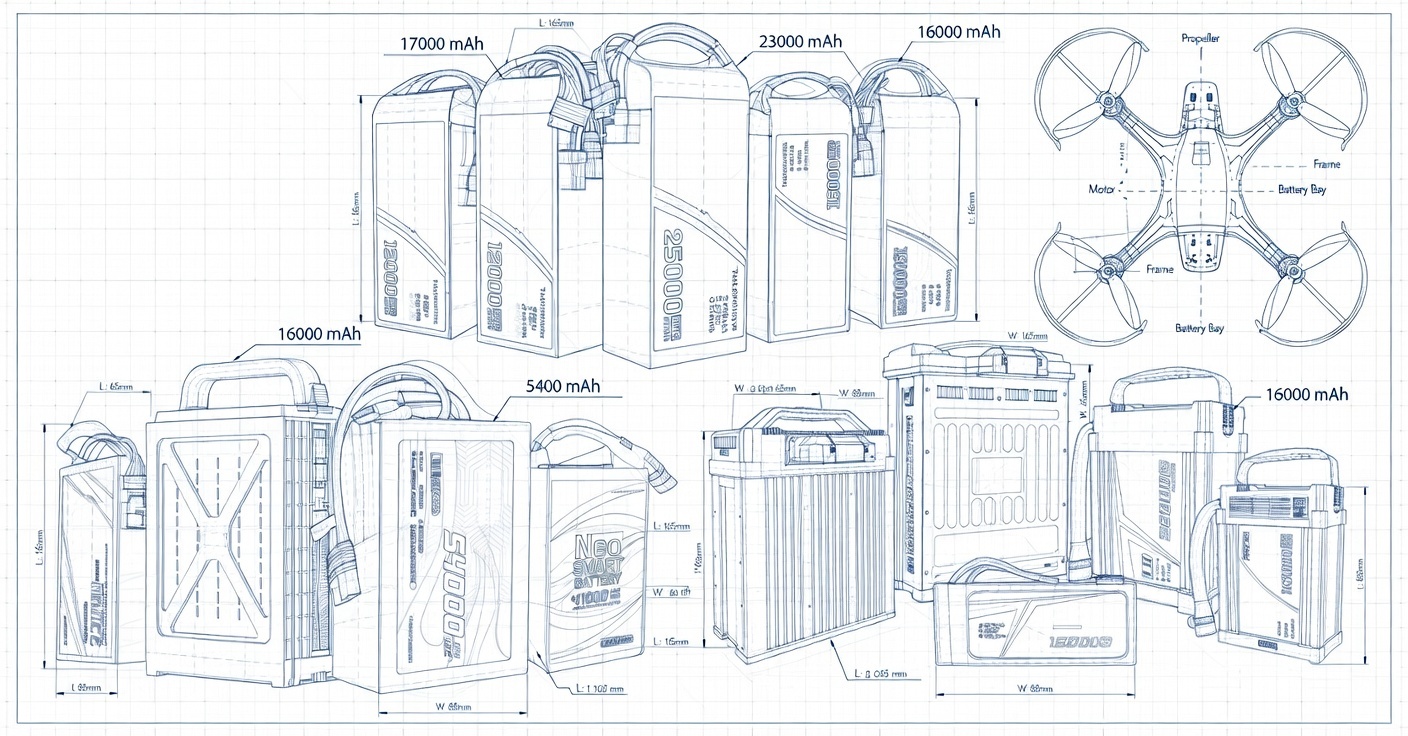
- Battery Housing: Utilize intelligent battery systems with independent IP ratings. The battery should be sealed separately from the main body to prevent cell damage.
- Regular Maintenance Protocols: Implement post-mission cleaning routines to remove salt and dust, and inspect seals for wear and tear regularly.
Engineering Solutions for Fleet Longevity
Maximizing ROI is not just about buying the most expensive drone; it is about engineering a system that survives the mission. From an engineering perspective, the integration of the power system is often the weak link. Even if the drone frame is IP67 rated, a poorly sealed battery compartment can render the protection useless.
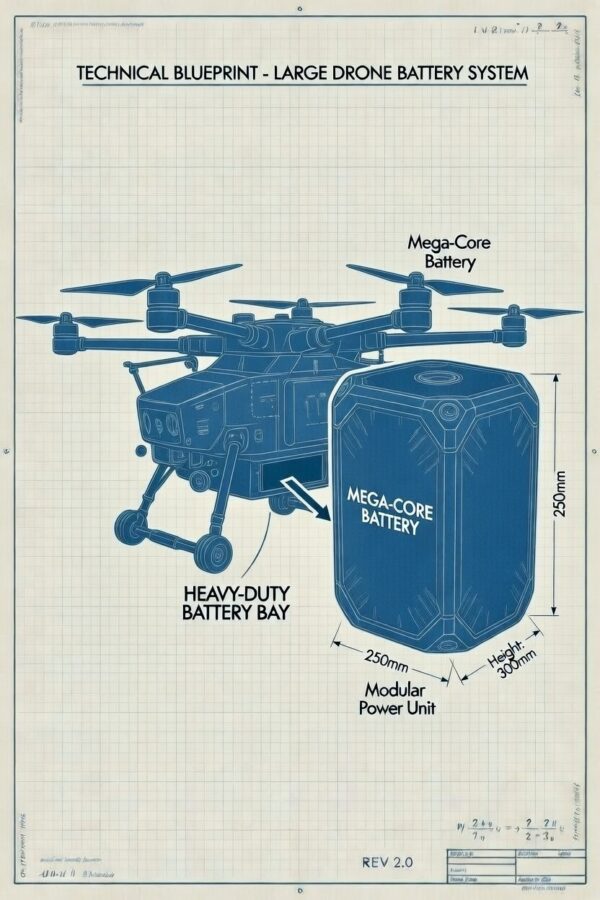
Advanced rescue fleets are moving towards modular battery systems where the battery itself carries a high IP rating, independent of the airframe. This ensures that even if the drone body is compromised during a rough landing, the power source remains intact and safe. Furthermore, thermal management must be balanced with sealing. Over-sealing a drone can trap heat, leading to battery degradation. Engineering solutions involve using hydrophobic vents that allow air exchange for cooling while blocking water molecules.
Another critical aspect is the use of redundant systems. In mission-critical rescue, a single point of failure is unacceptable. Redundant flight controllers and power systems, housed within protected compartments, ensure that if one system fails due to environmental stress, the backup can bring the drone home. This redundancy directly impacts ROI by reducing the loss rate of hardware during complex operations.
Calculating the True ROI
When evaluating the cost of IP-rated equipment, teams must look beyond the purchase price. The Total Cost of Ownership (TCO) includes maintenance, replacement, and mission success rates. A drone that costs 20% more but lasts three times longer in harsh conditions offers a significantly better ROI.
Consider the cost of a failed mission. If a drone crashes due to water ingress during a search operation, the cost includes the hardware loss, the data loss, the time spent recovering the wreckage, and the delay in rescue efforts. By investing in higher IP ratings and protected battery systems, teams reduce the probability of these failures. Additionally, insurance premiums for drone fleets often correlate with the reliability and safety standards of the equipment. Certified IP-rated fleets may qualify for lower premiums, further enhancing the financial argument for robust protection strategies.
Future-Proofing Your Rescue Operations
As technology evolves, so do environmental challenges. Future rescue drones will likely operate in even more extreme conditions, including chemical spill zones and high-radiation areas. Building a fleet with high IP standards today prepares the team for tomorrow’s challenges. It is essential to partner with suppliers who understand the nuance of rescue operations and can provide custom solutions for battery protection and sealing.
The integration of smart battery management systems (BMS) that monitor cell health in real-time also contributes to ROI. By preventing the use of damaged batteries that might fail under stress, teams can avoid mid-air power losses. These systems, when housed in robust, IP-rated enclosures, become a cornerstone of fleet reliability.
Conclusion
For emergency rescue teams, the drone fleet is more than just hardware; it is a lifeline. Protecting that lifeline from the elements is a strategic imperative. By prioritizing IP rating strategies, understanding the engineering behind ingress protection, and calculating the long-term ROI, teams can ensure their operations remain effective regardless of the weather or terrain. The goal is to deploy with confidence, knowing that the equipment will perform when lives depend on it.
To explore advanced drone battery solutions designed for high-resilience rescue operations and to discuss how customized power systems can enhance your fleet’s IP strategy, we invite you to reach out. Our team specializes in providing robust energy solutions that meet the rigorous demands of emergency response.
Contact us today to optimize your drone fleet’s power and protection: https://cnsbattery.com/drone-battery-home/drone-battery-contact