Introduction
In the high-stakes world of emergency rescue operations, every second counts. Drone technology has revolutionized how rescue teams respond to disasters, from locating survivors in collapsed buildings to delivering critical medical supplies to inaccessible areas. However, the effectiveness of these aerial assets hinges on one crucial factor: environmental protection. This is where IP (Ingress Protection) ratings become the cornerstone of drone fleet reliability and return on investment (ROI).
For emergency rescue teams operating in unpredictable conditions—flood zones, dust-filled disaster sites, or extreme weather environments—selecting the right IP-rated drones isn’t just about equipment specs; it’s about mission success and budget optimization. This comprehensive guide explores strategic IP rating decisions that maximize your drone fleet’s ROI while ensuring operational readiness when lives depend on it.
Understanding IP Ratings: The Foundation of Drone Durability
IP ratings follow the IEC 60529 international standard, providing a clear framework for evaluating equipment protection against solid particles and liquids. The two-digit code reveals critical information:
First Digit (0-6): Solid Particle Protection
- 0: No protection
- 3: Protects against objects larger than 2.5mm
- 5: Dust-protected (limited ingress permitted)
- 6: Completely dust-tight
Second Digit (0-8/9K): Liquid Protection
- 0: No protection
- 4: Protected against water splashes
- 6: Protected against powerful water jets
- 7: Immersion up to 1 meter for 30 minutes
- 8: Continuous immersion beyond 1 meter (depth specified by manufacturer)
Strategic IP Rating Selection for Maximum ROI
Step 1: Assess Your Operational Environment
Before investing in drone fleet hardware, conduct a thorough environmental assessment:
- Urban Search & Rescue: IP54 minimum (dust and splash protection)
- Flood Response Operations: IP67 required (temporary immersion capability)
- Wildfire Monitoring: IP65+ (dust-tight with water jet protection)
- Maritime Rescue: IP68 essential (continuous water exposure)
- Industrial Disaster Sites: IP66-IP67 (chemical and particulate protection)
Step 2: Calculate Total Cost of Ownership
| IP Rating | Initial Cost | Maintenance Frequency | Expected Lifespan | ROI Timeline |
|---|---|---|---|---|
| IP54 | $ | Quarterly | 2-3 years | 18 months |
| IP65 | $$ | Semi-annual | 3-4 years | 14 months |
| IP67 | $$$ | Annual | 4-5 years | 12 months |
| IP68 | $$$$ | Annual | 5+ years | 10 months |
Key Insight: Higher IP ratings command premium prices but deliver superior long-term value through reduced replacement frequency and maintenance costs.
Step 3: Implement Tiered Fleet Strategy
Not every mission requires maximum protection. Optimize your fleet composition:
Primary Response Drones (60% of fleet)
- IP67 rating for versatile deployment
- Balance between cost and capability
- Ready for 80% of emergency scenarios
Specialized Units (30% of fleet)
- IP68 for water rescue operations
- Enhanced sensors for specific missions
- Higher investment for critical capabilities
Training & Backup (10% of fleet)
- IP54-IP55 for controlled environments
- Lower cost for skill development
- Reserve capacity during peak operations
Battery Management: The Hidden ROI Factor
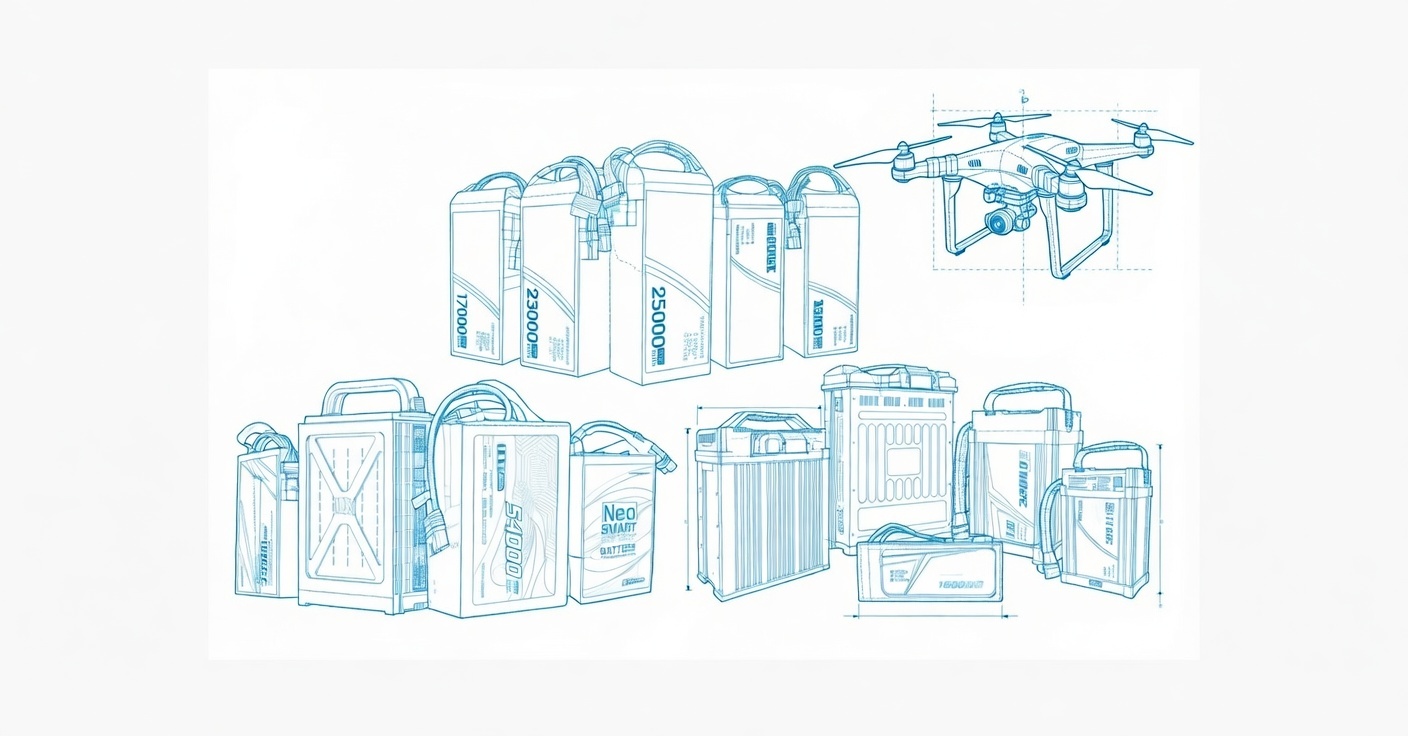
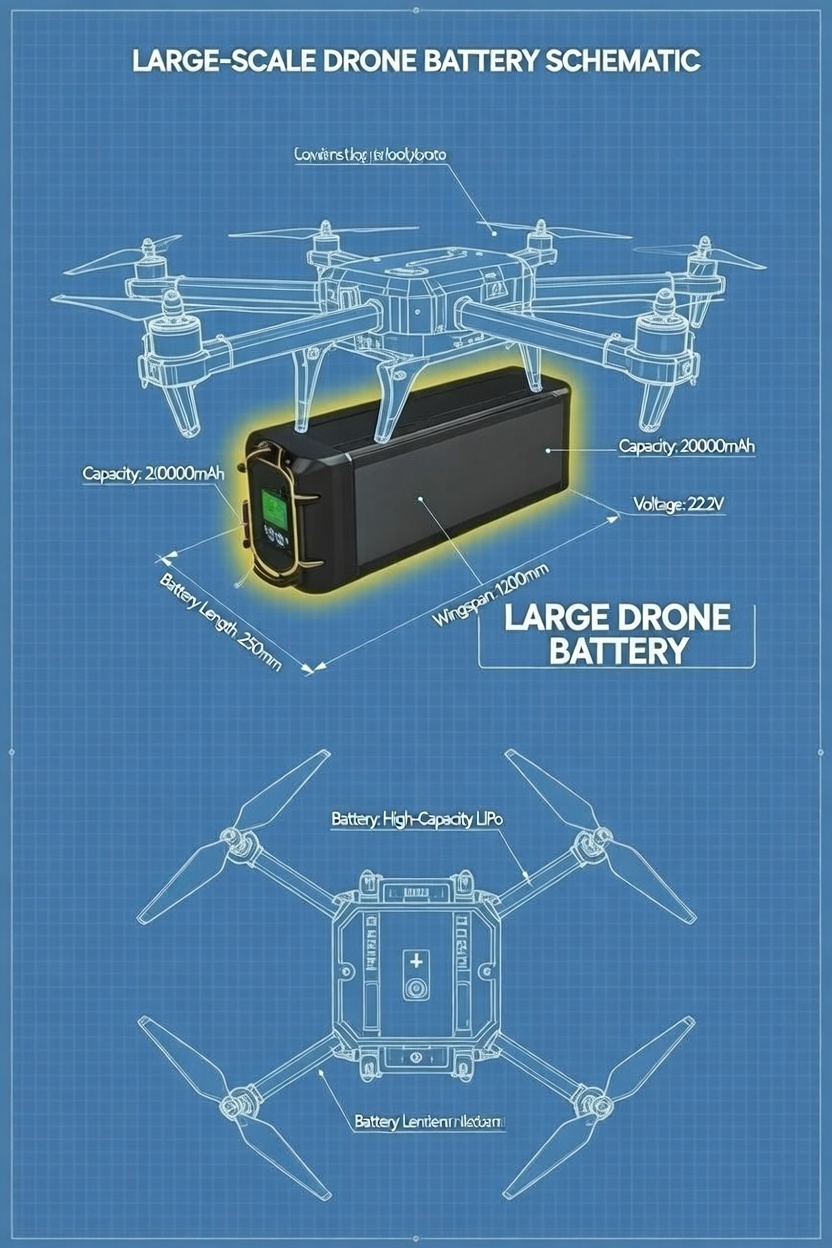
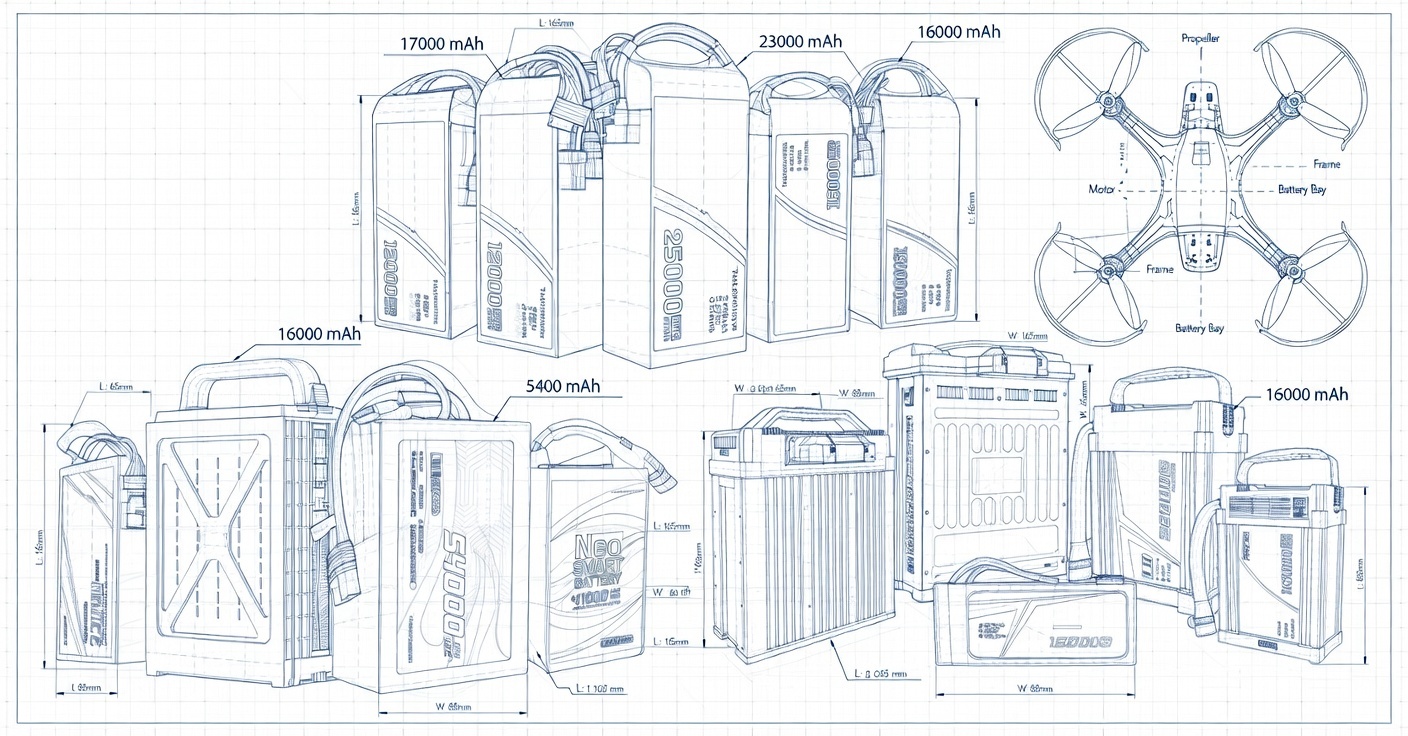
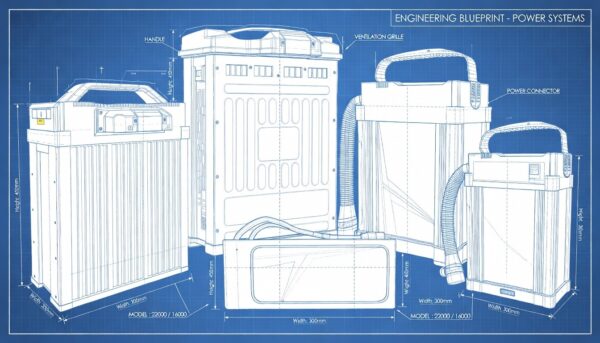
IP ratings directly impact battery performance and longevity. Sealed enclosures protect power systems but create thermal management challenges:
Best Practices for IP-Rated Drone Batteries:
- Temperature Monitoring: Implement real-time battery temperature tracking
- Charging Protocols: Use manufacturer-approved chargers designed for sealed systems
- Storage Conditions: Maintain 40-60% charge during extended storage periods
- Rotation Schedule: Cycle batteries every 30 days to prevent degradation
- Environmental Acclimatization: Allow 15 minutes for temperature adjustment before flight
Pro Tip: Invest in high-quality lithium polymer batteries with integrated protection circuits. The initial cost premium pays dividends through extended cycle life and reduced failure rates during critical operations.
Maintenance Optimization Strategies
Preventive Maintenance Schedule
Weekly Checks (All IP Ratings)
- Visual inspection for housing damage
- Propeller condition assessment
- Battery connection verification
- Firmware update verification
Monthly Deep Inspection (IP67+)
- Seal integrity testing
- Connector corrosion检查
- Motor bearing lubrication
- Sensor calibration verification
Quarterly Professional Service (IP68)
- Pressure testing of sealed enclosures
- Complete electronic system diagnostic
- Structural integrity assessment
- Certification renewal documentation
Cost-Saving Maintenance Tips
- Document Everything: Maintain detailed maintenance logs for warranty claims and insurance purposes
- Train In-House Technicians: Reduce dependency on external service providers
- Stock Critical Spares: Keep essential components on hand to minimize downtime
- Leverage Manufacturer Support: Utilize warranty programs and technical support resources
- Implement Predictive Analytics: Use flight data to anticipate maintenance needs before failures occur
Comparative Analysis: IP Rating Performance in Real Scenarios
Flood Rescue Operation Case Study
Scenario: Urban flooding with debris-filled water, 24-hour continuous operations
| Metric | IP54 Drone | IP67 Drone | IP68 Drone |
|---|---|---|---|
| Operational Hours | 8 | 72 | 168+ |
| Failure Rate | 65% | 12% | 3% |
| Recovery Cost | $2,400 | $400 | $150 |
| Mission Success | 45% | 89% | 97% |
ROI Calculation: IP68 drones delivered 4.3x better value despite 2.5x higher initial cost.
Wildfire Monitoring Comparison
Scenario: Ash-filled atmosphere, high temperatures, extended flight times
- IP54: Failed within 6 hours due to particulate infiltration
- IP65: Operated 48 hours before motor degradation
- IP67: Completed 7-day mission with minimal performance loss
Technology Integration for Enhanced ROI
Smart Fleet Management Systems
Modern drone operations benefit from integrated management platforms that track:
- Flight hour accumulation per unit
- Environmental exposure history
- Maintenance schedule compliance
- Battery health metrics
- Mission success rates
Data-Driven Decision Making: Use analytics to identify underperforming assets and optimize replacement timing.
Emerging Technologies
- Self-Sealing Enclosures: Automatic leak detection and compensation
- Modular IP Protection: Swappable protection modules for mission-specific requirements
- AI-Powered Predictive Maintenance: Machine learning algorithms predict component failures
- Wireless Charging: Eliminates connector exposure points
Common Mistakes That Erode ROI
Avoid These Costly Errors:
- Over-Specification: Purchasing IP68 for indoor training operations wastes budget
- Under-Specification: IP54 drones in flood zones lead to catastrophic losses
- Neglecting Certification: Operating without proper documentation voids warranties
- Ignoring Battery Compatibility: Mismatched batteries compromise IP protection
- Skipping Regular Testing: Unverified seals fail when needed most
Action Plan: Implementing Your IP Rating Strategy
Phase 1: Assessment (Week 1-2)
- Audit current fleet IP ratings
- Map operational environments
- Identify capability gaps
- Calculate replacement priorities
Phase 2: Planning (Week 3-4)
- Develop tiered fleet composition
- Establish maintenance protocols
- Create budget projections
- Define performance metrics
Phase 3: Implementation (Month 2-3)
- Execute phased equipment upgrades
- Train personnel on new protocols
- Deploy management systems
- Establish baseline measurements
Phase 4: Optimization (Ongoing)
- Monitor performance metrics
- Adjust strategies based on data
- Continuous improvement cycles
- Annual strategy reviews
Key Takeaways
- IP ratings directly impact operational readiness and total cost of ownership
- Strategic fleet composition outperforms uniform equipment approaches
- Preventive maintenance extends equipment life and protects investment
- Battery management is critical for IP-rated drone performance
- Data-driven decisions maximize long-term ROI
Conclusion & Call to Action
Emergency rescue teams operate in environments where equipment failure isn’t an option. The right IP rating strategy transforms your drone fleet from a cost center into a force multiplier that saves lives while optimizing budget allocation.
Remember: The cheapest drone isn’t the one with the lowest purchase price—it’s the one that performs reliably when lives depend on it, mission after mission, year after year.
Ready to optimize your drone fleet’s ROI? Our team of drone battery and power system specialists can help you develop a customized IP rating strategy that balances performance, protection, and budget constraints.
Contact us today for a comprehensive fleet assessment and personalized recommendations at: https://cnsbattery.com/drone-battery-home/drone-battery-contact
Your next mission depends on the decisions you make today. Invest wisely, protect your assets, and maximize your impact when it matters most.