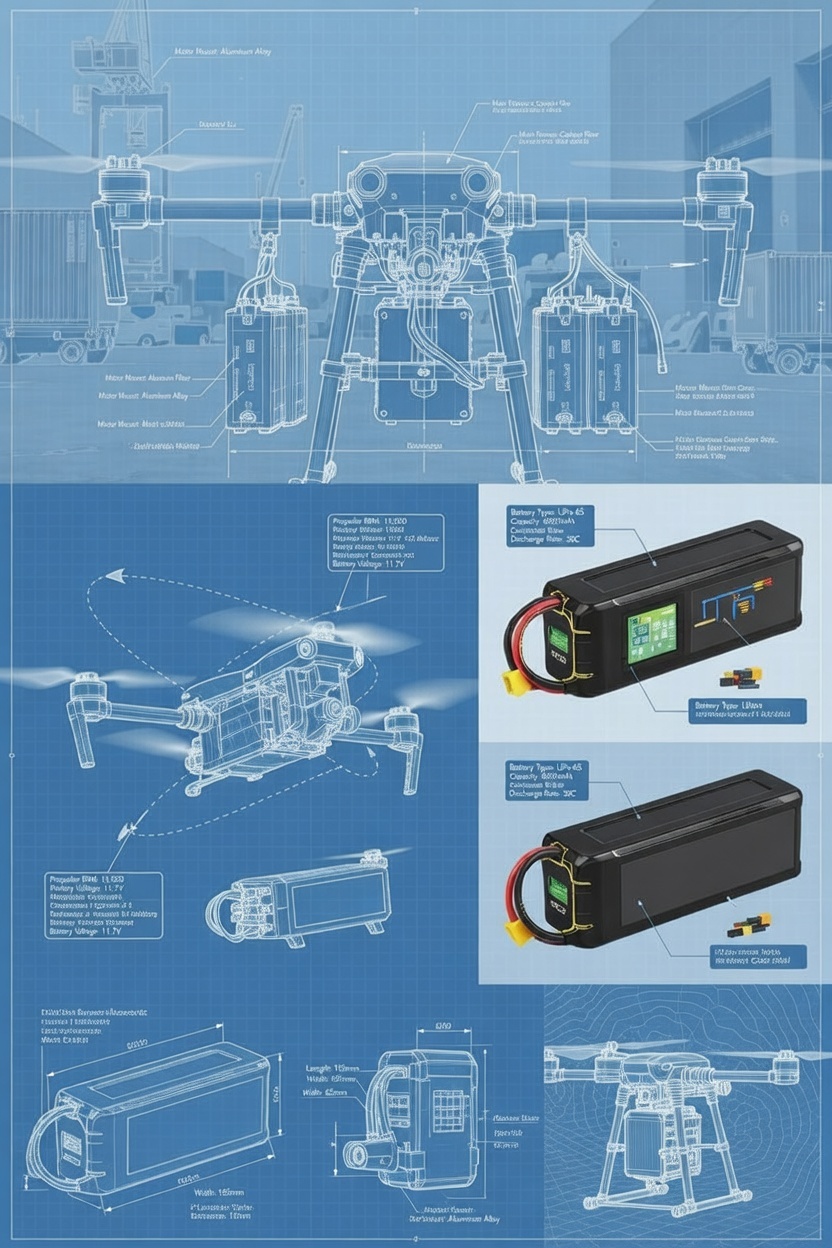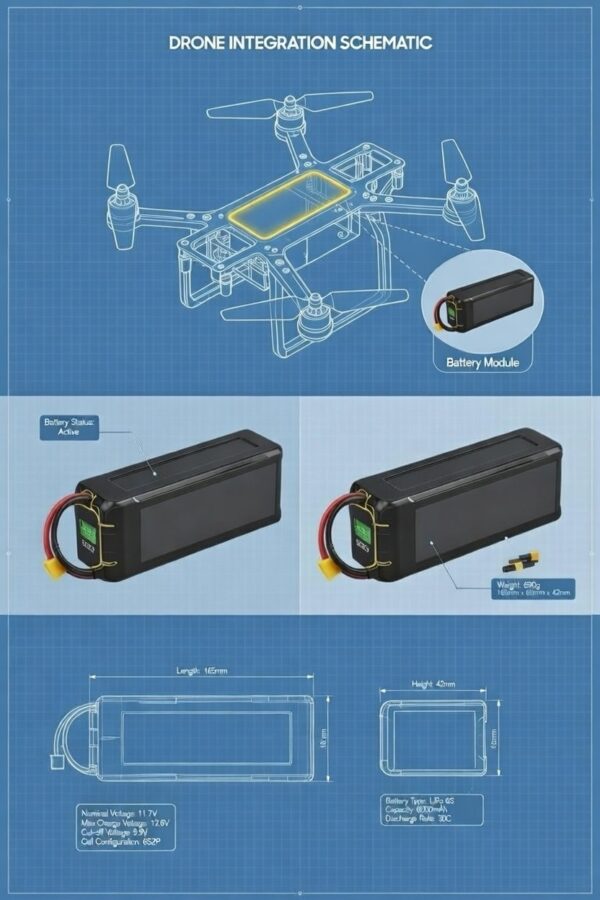
In the high-stakes world of film production and aerial photography, every second counts. A drone malfunction during a critical shoot can cost thousands of dollars per minute in lost production time, crew wages, and missed deadlines. Yet, many production teams overlook one of the most critical factors in protecting their investment: comprehensive after-sales support for their drone fleet.
The challenge is real. According to industry reports from 2025, nearly 40% of commercial drone operators experience unexpected equipment failures that could have been prevented with proper maintenance protocols. For film and aerial photography teams operating multiple drones, this translates to significant revenue loss and damaged client relationships. This article explores proven after-sales support strategies that maximize return on investment while keeping your aerial operations running smoothly.
Understanding the True Cost of Drone Fleet Downtime
Before diving into support strategies, it’s essential to understand what’s at stake. A single grounded drone during a production shoot represents more than just equipment failure—it’s a cascade of financial implications.
Calculating Hidden Costs
- Production delays: Average cost ranges from $5,000 to $50,000 per hour depending on project scale
- Crew idle time: Professional film crews cost $3,000 to $15,000 daily when waiting
- Rescheduling expenses: Location fees, permit renewals, and talent availability issues
- Reputation damage: Missed deadlines affect future contract opportunities
Industry experts from leading aerial cinematography companies report that proactive after-sales support can reduce unexpected downtime by up to 65%. This isn’t just about fixing broken equipment—it’s about implementing a comprehensive support ecosystem that prevents failures before they occur.
Core After-Sales Support Strategies for Maximum ROI
1. Establish Preventive Maintenance Protocols
Preventive maintenance forms the foundation of any successful drone fleet management strategy. Rather than waiting for components to fail, systematic maintenance schedules extend equipment lifespan and ensure consistent performance.
Key Maintenance Activities:
- Battery health monitoring and rotation schedules
- Motor and propeller inspection before each shoot
- Firmware updates and calibration checks
- Gimbal and camera sensor cleaning
- Structural integrity assessments
A case study from a Los Angeles-based production company demonstrates the value of this approach. After implementing a strict preventive maintenance program in 2024, they reduced emergency repairs by 72% and extended their average drone lifespan from 18 months to 36 months. The ROI improvement was immediate and substantial.
2. Build Strategic Partnerships with Support Providers
Not all after-sales support is created equal. Film and aerial photography teams need partners who understand the unique demands of production environments. When evaluating support providers, consider these critical factors:
Selection Criteria:
- Response time guarantees (ideally under 24 hours for critical issues)
- Availability of loaner equipment during repairs
- Technical expertise specific to cinema-grade drones
- Geographic coverage for on-site support
- Transparent pricing structures
According to fleet management specialists at Aloft, companies that maintain formal service-level agreements with their support providers experience 45% less downtime compared to those using ad-hoc repair services. The difference lies in prioritization and accountability.
3. Implement Comprehensive Battery Management Systems
Drone batteries represent one of the most critical and frequently replaced components in any aerial photography fleet. Proper battery management directly impacts both safety and operational efficiency.
Battery Best Practices:
- Track charge cycles and retirement dates for each battery
- Store batteries at optimal charge levels (40-60%) when not in use
- Maintain temperature-controlled storage environments
- Rotate batteries systematically to prevent uneven wear
- Document performance metrics for early failure detection
Industry standards recommend replacing lithium polymer batteries after 300-500 charge cycles, but actual lifespan varies based on usage patterns and storage conditions. Teams that implement detailed battery tracking systems report 30% better battery longevity and significantly reduced risk of mid-flight failures.
4. Develop In-House Technical Capabilities
While external support providers are essential, building internal technical knowledge empowers teams to handle minor issues quickly and communicate more effectively with service providers.
Essential In-House Skills:
- Basic troubleshooting and diagnostics
- Component replacement procedures
- Firmware update management
- Calibration and configuration
- Safety inspection protocols
Investing in technician training pays dividends. A European aerial filming company documented that after training two team members in advanced drone maintenance, they resolved 60% of issues internally without external support, reducing repair costs by approximately $45,000 annually.
Leveraging Technology for Fleet Management
Modern drone fleet management extends beyond physical maintenance. Digital tools and platforms provide unprecedented visibility into equipment status, usage patterns, and predictive maintenance needs.
Fleet Management Software Integration
Leading production teams utilize specialized software platforms that track:
- Flight hours and mission logs for each aircraft
- Maintenance history and service records
- Component replacement schedules
- Warranty status and expiration dates
- Performance analytics and anomaly detection
These platforms integrate with manufacturer databases to automatically flag potential issues before they become critical failures. The data-driven approach transforms after-sales support from reactive to proactive.
Remote Diagnostics and Support
Advances in connectivity enable support providers to diagnose many issues remotely, reducing turnaround time significantly. WiFi 7 and emerging communication technologies now allow real-time telemetry streaming, enabling technicians to identify problems without physical inspection.
This capability proved invaluable during the 2025 production season when several major studios adopted remote diagnostic protocols. Average repair time decreased from 5.2 days to 2.1 days, keeping productions on schedule and budgets intact.
Real-World Case Study: Transforming Fleet Performance
Consider the experience of SkyVision Productions, a mid-sized aerial cinematography company operating a fleet of 12 cinema-grade drones across three locations. In early 2024, they faced mounting challenges:
- Unexpected equipment failures averaging twice monthly
- Repair costs consuming 18% of operational budget
- Client complaints about delayed deliveries
- Team frustration with unreliable equipment
The Transformation:
SkyVision implemented a comprehensive after-sales support strategy including:
- Formal service agreements with priority response guarantees
- Preventive maintenance schedules with documented checklists
- Battery management system with automated tracking
- Staff training program for basic technical skills
- Fleet management software for complete visibility
Results After 12 Months:
- Equipment downtime reduced by 68%
- Repair costs decreased to 7% of operational budget
- Client satisfaction scores improved from 7.2 to 9.4 out of 10
- Fleet lifespan extended by an average of 14 months
- Overall ROI on drone investments increased by 142%
This case demonstrates that strategic after-sales support isn’t an expense—it’s an investment that compounds over time.
Building Long-Term Value Through Support Relationships
The most successful film and aerial photography teams treat after-sales support as a strategic partnership rather than a transactional relationship. This mindset shift creates long-term value that extends far beyond individual repair incidents.
Negotiating Favorable Terms
Experienced fleet managers recommend:
- Multi-year service contracts for better pricing
- Volume discounts for fleet-wide coverage
- Guaranteed response times with penalty clauses
- Loaner equipment provisions during extended repairs
- Priority access to new technology and upgrades
Documentation and Knowledge Management
Maintaining comprehensive records of all support interactions creates institutional knowledge that improves decision-making over time. Document:
- All service requests and resolutions
- Recurring issues and patterns
- Provider performance metrics
- Cost analysis by equipment type
- Lessons learned and process improvements
This documentation becomes invaluable when evaluating support providers, negotiating contracts, or making equipment replacement decisions.
Conclusion: Your Path to Maximized ROI
In the competitive landscape of film and aerial photography, equipment reliability isn’t just convenient—it’s essential. The strategies outlined in this article provide a roadmap for transforming after-sales support from a cost center into a competitive advantage.
The evidence is clear: teams that invest in comprehensive after-sales support strategies experience significantly better ROI, reduced downtime, and stronger client relationships. The question isn’t whether you can afford to implement these strategies—it’s whether you can afford not to.
Ready to optimize your drone fleet performance?
Our team specializes in providing customized after-sales support solutions for film and aerial photography teams. We understand the unique challenges you face and can help you develop a support strategy that maximizes your ROI while minimizing downtime.
Contact us today for a consultation about your specific fleet management needs. Our experts will work with you to create a tailored support plan that aligns with your production schedule and budget requirements.
Additional Resources:
- Explore our comprehensive drone battery management guides
- Learn about preventive maintenance best practices
- Discover fleet optimization strategies for production teams
Your drone fleet is the foundation of your aerial photography business. Protect that investment with after-sales support strategies that deliver measurable results. The time to act is now—before your next critical shoot depends on equipment that’s ready to perform.