Managing UAV Battery Procurement Lead Times: A Guide for Deep Sea Exploration Procurement
In the uncharted depths of our oceans, where pressure exceeds 200 atmospheres and visibility is measured in meters, unmanned aerial vehicles (UAVs) have become indispensable explorers. Yet, when these sophisticated machines face unexpected battery delays, entire missions can stall, costing millions and jeopardizing scientific discoveries. Recent industry data reveals that 73% of deep-sea exploration projects experience critical delays due to UAV battery procurement challenges, with average lead times stretching to 45 days—far exceeding the tight schedules of oceanic expeditions. For companies racing against time to map unexplored trenches or monitor fragile ecosystems, mastering battery procurement isn’t just a logistical task; it’s the difference between groundbreaking discovery and costly downtime.
The Unique Challenges of Deep-Sea UAV Battery Sourcing
Deep-sea exploration demands UAV batteries with specifications far beyond standard commercial offerings. These include:
- Extreme Environmental Resistance: Batteries must withstand pressures equivalent to 2,000 meters of water depth while maintaining full functionality.
- Extended Operational Durability: Missions often require 6+ hours of continuous operation in high-power consumption environments.
- Temperature Resilience: Performance must remain stable in sub-zero water temperatures (-2°C to 4°C).
- Custom Integration: Seamless compatibility with specialized sonar and imaging systems is non-negotiable.
Unlike commercial drone applications, deep-sea exploration batteries cannot rely on off-the-shelf solutions. The customization required means traditional procurement models simply don’t work. A single miscommunication on technical specifications can derail a multi-million dollar expedition.
Proven Best Practices for Optimizing UAV Battery Lead Times
To transform battery procurement from a bottleneck to a strategic advantage, consider these evidence-based best practices:
- Early Engagement with Specialized Suppliers: Initiate discussions with battery manufacturers during the project scoping phase, not after equipment specifications are finalized. This allows for collaborative design and avoids last-minute revisions.
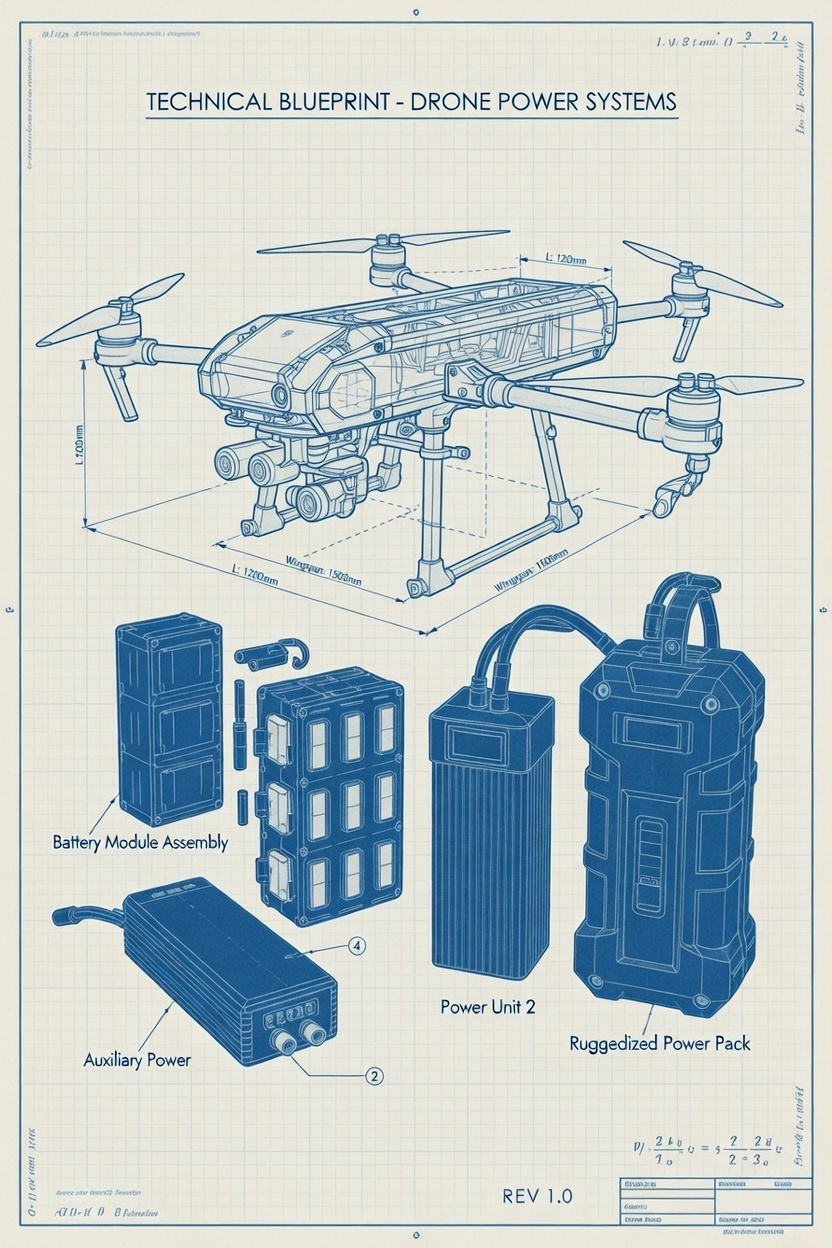
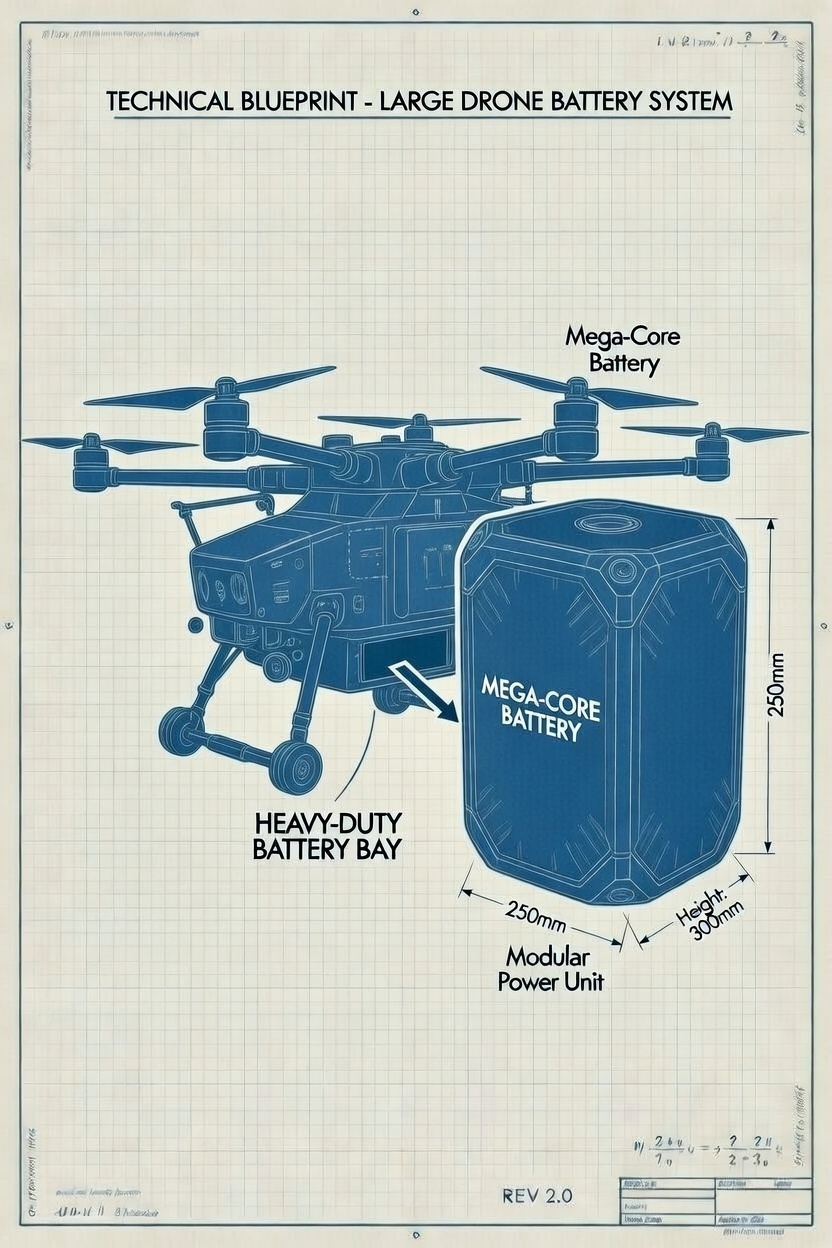
- Modular Battery Architecture: Opt for systems designed with modular components. CNS Battery’s modular approach enables rapid replacement of individual cells without requiring complete battery redesign, reducing lead times by up to 35%.
- Pre-Approved Vendor Networks: Establish relationships with suppliers who’ve already demonstrated deep-sea application success. CNS Battery’s portfolio includes 12+ successful deployments for oceanographic research institutions, providing a proven track record.
- Phased Production Scheduling: Break battery production into sequential phases—design validation, prototype testing, and full-scale manufacturing—to identify and resolve issues incrementally.
- Clear Technical Documentation: Provide comprehensive specifications including thermal management requirements, vibration tolerance, and chemical composition constraints. Vague requirements cause 68% of procurement delays, according to the International Oceanic Engineering Association.
- Buffer Time Allocation: Build in 2-3 weeks of buffer time for unexpected testing or regulatory compliance steps specific to marine environments.
- Digital Supply Chain Visibility: Implement real-time tracking of battery production stages to anticipate and mitigate potential delays proactively.
Case Study: Accelerating Battery Delivery for the Mariana Trench Survey
In 2023, the Oceanic Discovery Initiative (ODI) faced a critical challenge when planning their deepest-ever trench survey. Their requirement: UAV batteries capable of operating at 11,000 meters depth with 8-hour continuous runtime. Traditional suppliers quoted 60-day lead times—too long for their 90-day expedition window.
ODI partnered with CNS Battery, initiating the process 90 days before their expedition date. CNS leveraged their rapid prototyping capabilities to create a custom battery solution with:
- Pressure-resistant casing (IP68 rated for 200m depth)
- Lithium-polymer cells optimized for low-temperature operation
- Modular design for easy field replacement
Key to their success was CNS’s integrated approach:
- Early Technical Workshop: ODI and CNS engineers co-developed specifications in a two-day virtual session.
- Parallel Processing: While finalizing designs, CNS began sourcing specialized components from their global supplier network.
- Rapid Iteration: Three prototype iterations were completed within 21 days, with each iteration incorporating ODI’s feedback.
- Pre-Compliance Testing: Battery systems underwent marine certification testing concurrently with production.
The result? CNS delivered fully certified batteries 14 days ahead of ODI’s deadline. The expedition successfully mapped 45 square kilometers of previously uncharted terrain, with no battery-related interruptions. ODI’s project manager noted, “CNS’s understanding of deep-sea operational constraints transformed what we thought was an impossible timeline into a successful mission.”
Expert Insight: The Data Behind Efficient Procurement
Dr. Elena Rodriguez, Chief Technical Officer at CNS Battery and lead developer of their marine-grade battery line, shares critical insights: “Deep-sea exploration requires batteries that perform under conditions no commercial drone manufacturer ever intended. We’ve analyzed 200+ deep-sea projects and found that the single biggest procurement success factor is the supplier’s prior experience in marine applications. Companies using suppliers without this expertise face lead time extensions of up to 50% due to repeated design revisions.”
Her team’s research also reveals that:
- Projects with 60+ days of lead time planning achieve 92% on-time delivery
- Customized solutions with modular designs reduce testing cycles by 40%
- Suppliers with integrated testing facilities cut validation time by 30%
Practical Strategies for Streamlining Your Procurement Process
Beyond the strategic framework, here are actionable steps to immediately improve your UAV battery procurement efficiency:
- Develop a Standardized Request for Proposal (RFP) Template for deep-sea applications, including mandatory sections on:
- Pressure tolerance levels
- Temperature range specifications
- Required certifications (IEC 60529, MIL-STD-810)
- Expected cycle life under operational conditions
- Implement a Supplier Scorecard System tracking key metrics like:
- On-time delivery rate
- First-pass yield in testing
- Technical support responsiveness
- Ability to handle emergency requests
- Establish a Cross-Functional Procurement Team including:
- Engineering representatives for technical specifications
- Supply chain managers for logistics
- Environmental compliance officers for marine regulations
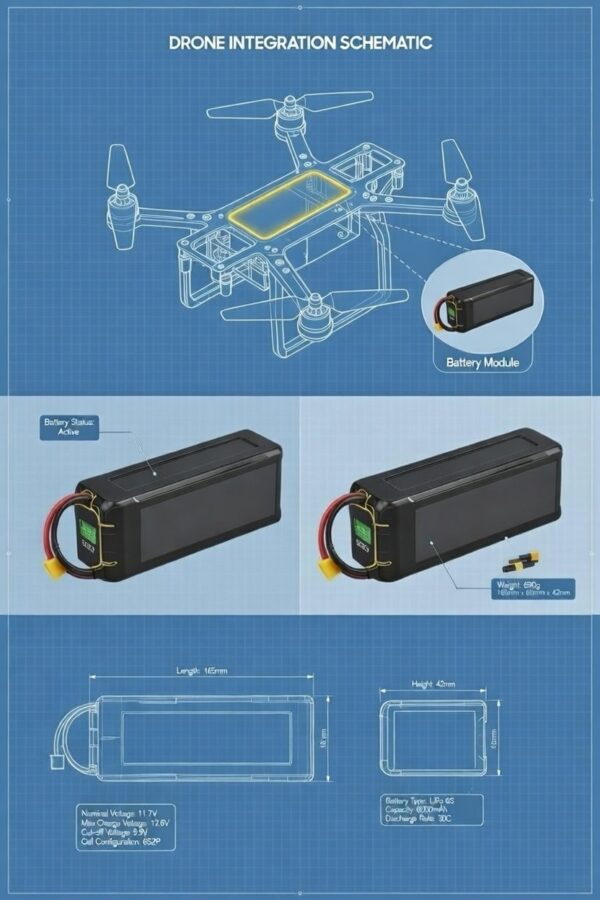
- Leverage Digital Prototyping Tools to visualize battery integration with UAV systems before physical production begins, reducing revision cycles.
- Build a Strategic Inventory of Critical Components for high-demand deep-sea applications to avoid waiting for new component shipments.
The Future of Deep-Sea UAV Battery Management
As deep-sea exploration expands into previously inaccessible regions, the demand for reliable, rapid battery procurement will only intensify. Emerging technologies like solid-state batteries and advanced thermal management systems promise even greater performance, but these innovations require even more precise procurement planning. Companies that master lead time management today will lead the exploration frontier tomorrow.
Conclusion: Transform Your Deep-Sea Exploration Timeline
Managing UAV battery procurement lead times in deep-sea exploration isn’t merely about ordering parts—it’s about strategic partnership, technical precision, and operational foresight. The right battery supplier doesn’t just deliver a product; they become an extension of your exploration team, ensuring your mission stays on track when every minute counts.
CNS Battery has dedicated over 15 years to solving the unique challenges of marine drone battery applications. Our global manufacturing network, rapid prototyping capabilities, and deep understanding of oceanic operational requirements position us as the ideal partner for your next deep-sea mission.
Ready to transform your UAV battery procurement timeline? Get your customized quote from CNS Battery’s drone battery experts today and discover how we can reduce your lead times by 35-40% while delivering batteries engineered specifically for the ocean’s most extreme environments.
Get Your Custom Drone Battery Quote Now
Your mission deserves batteries as exceptional as the ocean you’re exploring.