Long Range Nissan Leaf Battery Replacement vs AESC: Which Option Delivers Better Value in 2026?
If you own a Nissan Leaf and notice your driving range shrinking, you’re facing a critical decision: stick with the original AESC battery or upgrade to a long-range third-party replacement. With over 700,000 Leaf vehicles sold worldwide since 2010, battery degradation has become a common concern for owners of ZE0, AZE0, and ZE1 models.
This comprehensive guide compares both options to help you make an informed investment decision.
Understanding the Nissan Leaf Battery Challenge
The Nissan Leaf pioneered mass-market electric vehicles, but early models (2011-2017) experienced accelerated battery degradation due to the absence of active thermal management systems. Many owners report capacity loss of 20-30% within 5-7 years, significantly reducing practical driving range.
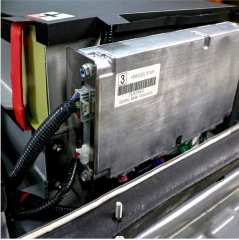
AESC (Automotive Energy Supply Corporation) served as Nissan’s original battery supplier, providing laminated lithium-ion cells. While reliable initially, aging AESC packs now face availability issues and premium pricing.
AESC Original Battery: Pros and Cons
Advantages
- OEM compatibility guaranteed with factory specifications
- Established track record with Nissan vehicles
- Direct dealer support network
Limitations
- Higher cost ($8,000-$12,000 for complete replacement)
- Limited capacity upgrade options (stuck at original kWh rating)
- Supply constraints due to AESC production challenges in 2025-2026
- No range improvement over your degraded original pack
Long-Range Third-Party Battery Replacement Benefits
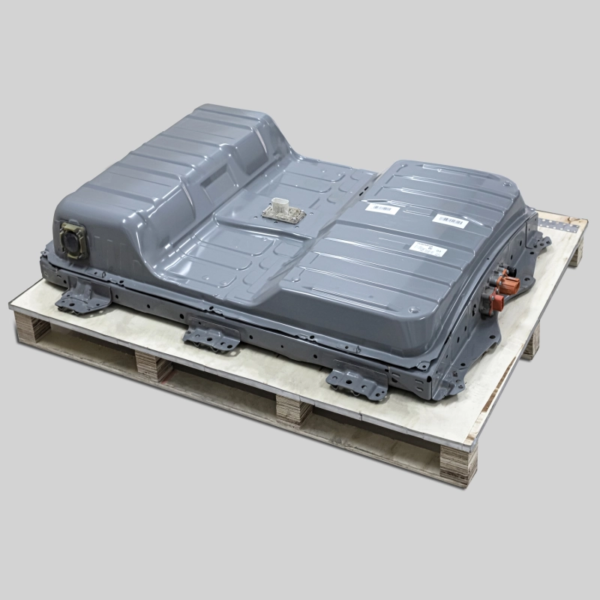
Modern EV battery specialists like CNS BATTERY offer compelling alternatives for Leaf owners seeking extended range and better value.
Key Advantages
1. Capacity Upgrade Options
Upgrade from 24kWh to 40kWh, 60kWh, or even 62kWh battery packs, effectively doubling your original range without purchasing a new vehicle.
2. Cost Efficiency
Third-party replacements typically range $5,000-$7,600, representing 40-50% savings compared to OEM AESC options while delivering superior capacity.
3. Advanced Cell Technology
Newer CATL-based modules feature improved energy density and better thermal characteristics than original AESC cells from 2011-2017.
4. 100% SOH Guarantee
Quality providers offer brand-new cells with full State of Health, unlike refurbished OEM packs with unknown histories.
5. CAN Bridge Compatibility
Modern replacement packs include integrated CAN communication systems, ensuring seamless dashboard integration without error codes.
Installation and Compatibility Considerations
Professional installation remains crucial regardless of your battery choice. Third-party long-range replacements require:
- Model-specific mounting (ZE0, AZE0, or ZE1 configurations)
- BMS (Battery Management System) calibration
- Software updates for accurate range display
Reputable suppliers provide detailed installation guides and technical support to ensure proper integration with your Leaf’s existing systems.
Real-World Performance Comparison
| Feature | AESC Original | Long-Range Third-Party |
|---|---|---|
| Capacity | 24-40kWh (original) | 40-62kWh (upgraded) |
| Cost | $8,000-$12,000 | $5,000-$7,600 |
| Range Improvement | None | 60-150% increase |
| Warranty | 8 years (new vehicle only) | 3-5 years (replacement) |
| Availability | Limited | Readily available |
Making the Right Choice for Your Leaf
Choose AESC original if you prioritize OEM certification above all else and plan to sell your vehicle soon.
Choose long-range third-party replacement if you want to maximize value, extend driving range, and keep your Leaf on the road for years to come. For most owners planning long-term vehicle retention, the upgrade path delivers superior ROI.
At CNS BATTERY, we specialize in Nissan Leaf battery upgrades that combine cutting-edge cell technology with plug-and-play compatibility. Our solutions help Leaf owners overcome range anxiety without the cost of a new EV purchase.
FAQ: Nissan Leaf Battery Replacement Questions
Q1: How long does a Nissan Leaf battery replacement take?
A: Professional installation typically requires 6-10 hours. Most shops complete the work within one business day, including system calibration and testing.
Q2: Will a third-party battery void my vehicle warranty?
A: For Leaf models beyond the original 8-year battery warranty period, this concern is moot. Third-party replacements don’t affect remaining vehicle warranties on non-battery components.
Q3: Can I upgrade from 24kWh to 62kWh in my 2013 Leaf?
A: Yes, with proper CAN bridge integration. Capacity upgrades from 24kWh to 40kWh, 60kWh, or 62kWh are compatible with 2011-2020 Leaf models (ZE0/AZE0/ZE1).
Q4: What’s the expected lifespan of a replacement battery?
A: Quality lithium-ion replacement packs should deliver 10-15 years of service with proper care, similar to or exceeding original AESC battery longevity.
Q5: How do I verify battery quality before purchase?
A: Request SOH certification, cell manufacturer documentation (CATL, etc.), and warranty terms. Reputable suppliers provide complete technical specifications and testing reports.
Ready to extend your Nissan Leaf’s range? Explore our complete EV battery solutions and get a personalized quote for your vehicle.