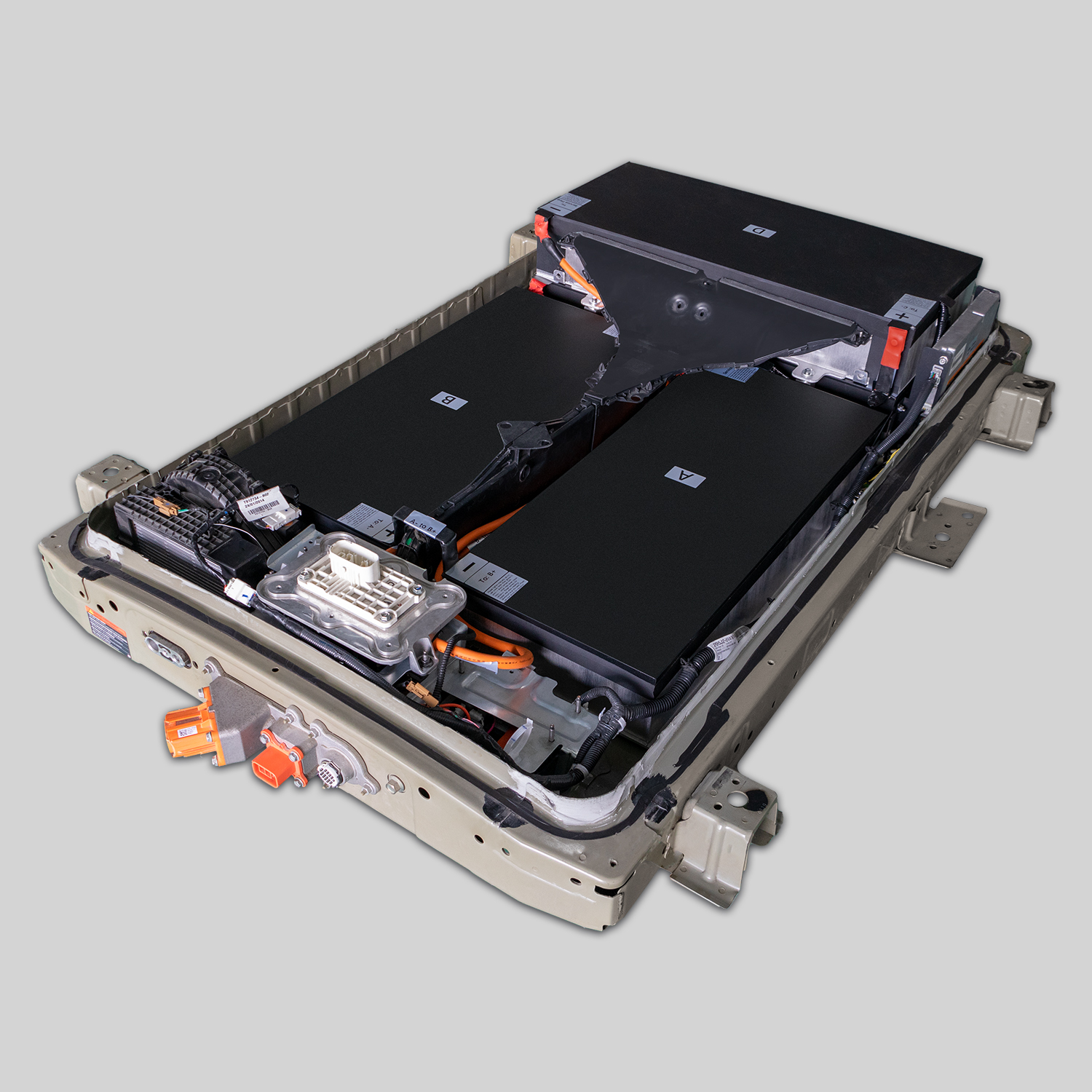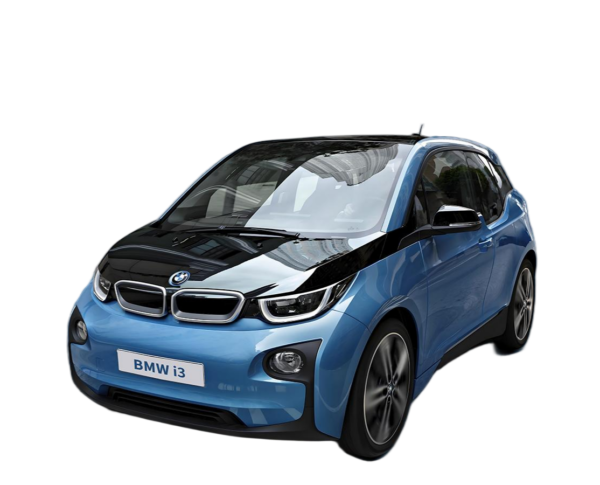
Key Factors in BMW i3 Battery Bulk Selection
The BMW i3, a pioneer in the premium electric vehicle segment, relies heavily on the integrity of its high-voltage battery system. For distributors, fleet managers, and repair shops, sourcing these batteries is not merely a transaction; it is a strategic decision that impacts customer retention, operational costs, and brand reputation. As demand for sustainable mobility solutions grows, the market is flooded with options ranging from Original Equipment Manufacturer (OEM) replacements to third-party alternatives. However, navigating this landscape requires a deep understanding of technical specifications, supply chain logistics, and long-term reliability. This guide aims to dissect the critical factors involved in selecting BMW i3 batteries, ensuring that bulk procurement decisions are informed, efficient, and profitable.
1. Deciphering Battery Specifications and Chemistry
The first step in bulk selection is understanding the technical heart of the battery: the cell chemistry and pack configuration. The BMW i3 has utilized different battery technologies across its production years, primarily transitioning from 60Ah (42 kWh gross) to 94Ah (58 kWh gross) modules.
- Cell Chemistry: The choice between Lithium Iron Phosphate (LFP) and Nickel Manganese Cobalt (NMC) is pivotal. While NMC offers higher energy density, CNS BATTERY specializes in high-grade NMC cells, specifically utilizing brand-new CATL (Contemporary Amperex Technology Co. Limited) cells. CATL is a global leader in lithium-ion battery manufacturing, known for supplying premium automotive brands. Selecting batteries built with renowned OEM-grade cells like CATL ensures superior thermal stability and energy efficiency compared to generic or recycled alternatives.
- Capacity and Range: When purchasing in bulk, it is essential to match the battery capacity (kWh) to the specific model year of the BMW i3 fleet. Mismatched capacities can lead to communication errors with the Vehicle Control Unit (VCU) or the need for complex reprogramming.
- Battery Management System (BMS): A robust BMS is non-negotiable. It acts as the brain of the battery, monitoring voltage, temperature, and state of charge. Bulk selections should prioritize batteries with intelligent BMS that offer features like cell balancing and fault code reporting, which are crucial for maintaining a fleet’s health.
2. Quality Assurance and Testing Protocols
Bulk purchasing amplifies both the rewards of quality and the risks of failure. Therefore, rigorous quality assurance (QA) standards are the cornerstone of any procurement strategy.
- New vs. Refurbished: The market often presents a false economy. Refurbished or “repaired” batteries, while initially cheaper, carry the risk of degraded cells, inconsistent performance, and shorter lifespans. In contrast, sourcing brand-new battery packs guarantees uniform cell health and eliminates the “ghost” of previous degradation cycles.
- Testing Procedures: A reliable supplier conducts 100% full-load testing on every unit. This involves simulating real-world driving conditions to verify the battery’s discharge curves, charge acceptance, and thermal response. Bulk buyers should request detailed QA documentation to verify that each batch meets the specified voltage and capacity tolerances.
- Safety Standards: Lithium-ion batteries are classified as dangerous goods. Suppliers must adhere to international safety standards (such as UN38.3 for transport) and implement strict safety protocols during manufacturing to prevent defects like micro-shorts or thermal runaway.
3. Supply Chain Stability and Logistics
For bulk operations, consistency is king. A disruption in the battery supply chain can halt repair operations or fleet deployments.
- Manufacturing Capacity: The ability of the manufacturer to meet large order volumes without lead time slippage is critical. Suppliers with in-house R&D and manufacturing capabilities, like CNS BATTERY, can offer more predictable delivery schedules compared to trading companies that rely on third-party factories.
- Global Shipping (DDP): Shipping lithium batteries internationally involves complex regulations (IATA, IMDG). A key factor in bulk selection is whether the supplier offers Delivered Duty Paid (DDP) services. This means the supplier handles all logistics, customs clearance, and duties, delivering the batteries directly to your warehouse. This reduces the administrative burden and risk for the buyer, especially when importing into regions like Europe or North America.
- Packaging: Given the weight and sensitivity of EV batteries, robust packaging is mandatory. Bulk shipments should utilize fumigation-free wooden crates or reinforced steel frames to prevent physical damage during transit.
4. Warranty and After-Sales Support
The warranty structure is often the most telling indicator of a product’s expected lifespan and the supplier’s confidence.
- Warranty Duration: Standard industry warranties are often short. A superior bulk selection offers extended coverage. For instance, a 2-year or 80,000 km warranty significantly exceeds the average, providing a safety net for both the distributor and their end客户.
- Technical Support: Bulk buyers often need support for installation, programming, or troubleshooting. A supplier that offers dedicated technical hotlines, remote video guidance, or even on-site support (for very large volumes) adds immense value. This is particularly important for BMW i3 models, which may require specific BMS programming or gateway activation during replacement.
- Return Policies: Clear and fair Return Merchandise Authorization (RMA) policies are essential. Look for suppliers who offer free replacement or repair for defects in materials and workmanship, minimizing downtime for your business.
5. Cost-Effectiveness and Value Proposition
While price is a significant factor in bulk purchasing, it should be evaluated through the lens of Total Cost of Ownership (TCO) rather than the initial sticker price.
- Price vs. Performance: A battery priced at 50% less than an OEM part is only a bargain if it lasts as long. By utilizing new CATL cells and offering direct factory pricing, bulk selections can achieve a balance where the cost is drastically reduced without compromising the performance metrics of the original factory battery.
- Inventory Management: Partnering with a supplier that offers a wide range of compatible models (e.g., covering various BMW i3 trims and years) simplifies inventory management. It allows a single supplier to fulfill diverse needs, reducing the complexity of managing multiple vendor relationships.
6. Environmental and Compliance Factors
Modern procurement increasingly considers the environmental footprint and regulatory compliance of products.
- Sustainability: Sourcing new batteries from reputable manufacturers often means better adherence to environmental regulations in the production process. Furthermore, buying new reduces the reliance on the unregulated recycling market, which can be environmentally hazardous.
- Certifications: Ensure the batteries comply with regional safety and electromagnetic compatibility (EMC) directives required in your target market (e.g., E-Mark for Europe).
Frequently Asked Questions (FAQ)
Q1: What is the primary difference between OEM BMW i3 batteries and third-party replacements?
The primary difference lies in the supply chain and cost structure. OEM batteries are sold through the official BMW dealer network, which includes substantial brand markup and dealer overheads. Third-party replacements, especially those from specialized manufacturers like CNS BATTERY, are built to OEM specifications (using similar high-grade cells like CATL) but are sold directly or through distributors, cutting out the middleman and saving customers up to 50% on the cost.
Q2: Can I install a third-party battery on a BMW i3 without triggering fault codes?
Yes, provided the battery is manufactured to strict OEM standards. High-quality third-party batteries replicate the original communication protocols, voltage curves, and physical dimensions. They are designed to be plug-and-play. However, in some cases, especially with older models or specific trims, a simple reset or gateway activation might be required, which professional technical support from the supplier can assist with.
Q3: What is the expected lifespan of a new BMW i3 battery pack?
A brand-new BMW i3 battery pack, utilizing high-grade NMC chemistry (like those from CATL), typically has a lifespan of 8 to 15 years or 200,000 to 300,000 kilometers under normal driving conditions. This lifespan is contingent on proper thermal management and charging habits. Most reputable suppliers guarantee that the battery will retain at least 70% of its capacity over the warranty period (e.g., 2 years or 80,000 km).
Q4: How does DDP (Delivered Duty Paid) shipping work for lithium batteries?
DDP shipping means the seller (supplier) assumes all risks and costs associated with delivering the goods to the buyer’s door, including export/import duties and taxes. For lithium batteries, this is complex due to their classification as dangerous goods. A reliable supplier partners with certified freight forwarders (like DHL, FedEx, or UPS) to handle the hazardous material documentation and ensure the batteries arrive compliantly and safely, regardless of the destination country.
Ready to upgrade your inventory with reliable, high-performance BMW i3 batteries? Contact CNS BATTERY today for a free bulk quote and discover how our OEM-compatible solutions can maximize your profitability.