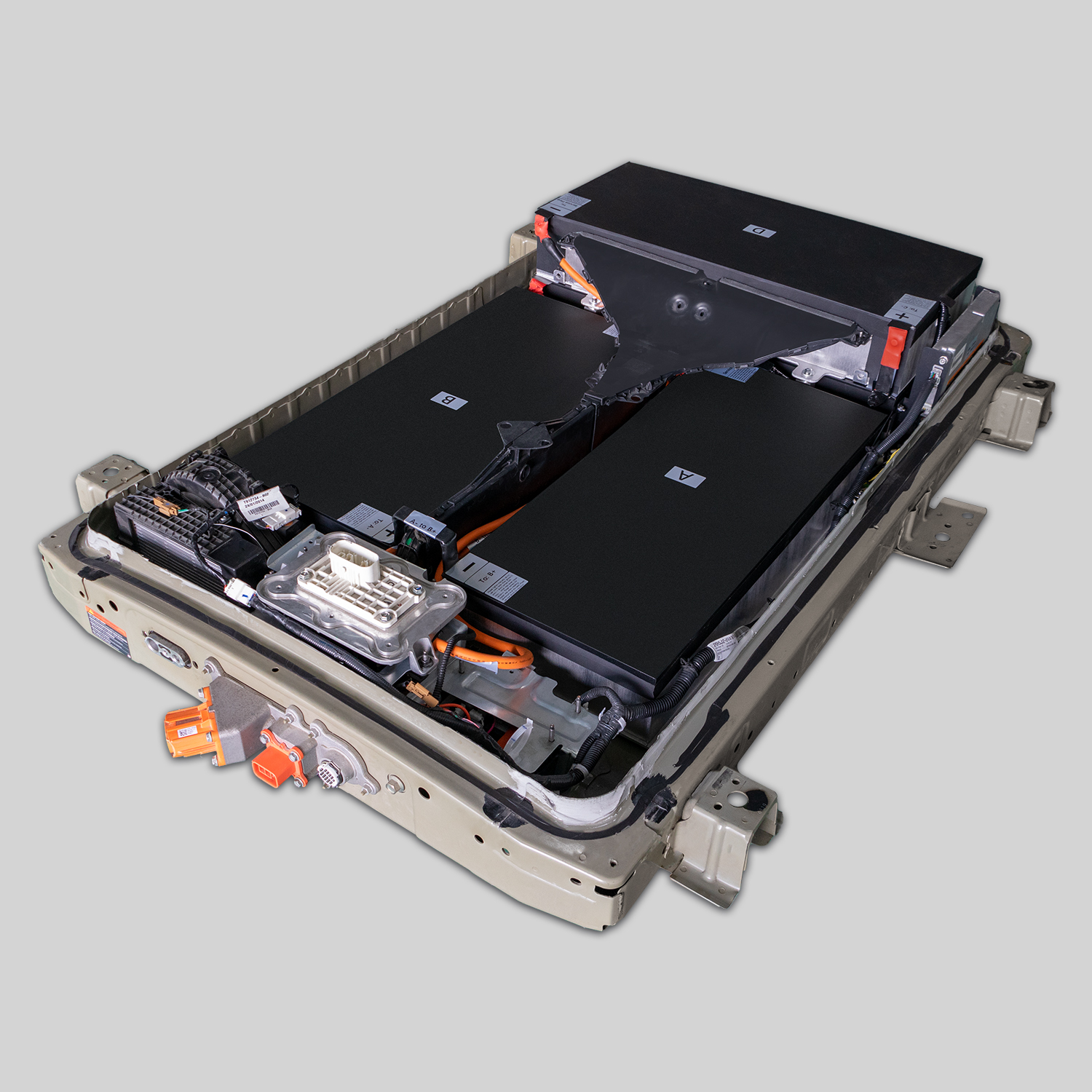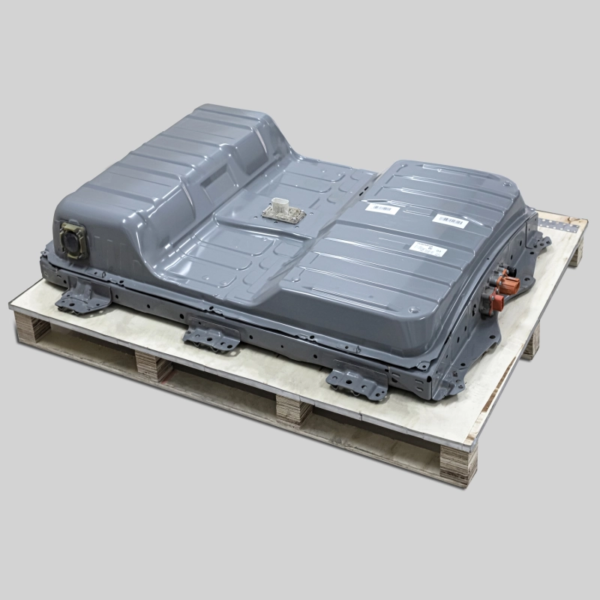
Is It Worth a High-Capacity Leaf Plus EV Battery for Fleet Owners?
For fleet owners managing a business built on mobility, every decision boils down to the bottom line: uptime, cost-per-mile, and total cost of ownership (TCO). The Nissan Leaf and e-NV200 have been staples in electric fleets for years due to their reliability and low initial maintenance. However, as these vehicles age, battery degradation becomes the primary bottleneck.
When faced with replacing a degraded battery, the standard capacity (24kWh, 30kWh, or 40kWh) often feels restrictive. This raises the critical question: Is upgrading to a high-capacity “Leaf Plus” EV battery (50kWh, 62kWh, or 68kWh) a worthwhile investment for a commercial fleet?
Based on our decade of experience in OEM-compatible battery manufacturing and data from thousands of fleet deployments, the answer is a resounding yes—provided you source the right solution.
The Fleet Manager’s Dilemma: Standard vs. Upgraded Range
Fleet operations are not about weekend joyrides; they are about maximizing daily revenue hours. A standard capacity Nissan Leaf (e.g., 40kWh) often struggles to cover more than 100-120 miles (160-190 km) of real-world mixed driving before needing a recharge. For a delivery driver or taxi operator, this means:
- Lost Revenue Time: Downtime spent charging cuts directly into billable hours.
- Vehicle Swapping: Fleets often need to own 1.5x the number of vehicles to cover shifts, increasing capital expenditure.
- Anxiety & Inefficiency: Drivers rush routes to return to base, leading to suboptimal routing and stress.
The “Leaf Plus” Advantage:
By upgrading to a 62kWh or 68kWh lithium battery pack, you effectively double the viable daily range. This transforms the economics of the vehicle. Instead of a vehicle that needs a mid-shift charge, you have a vehicle that can operate a full 8-10 hour shift on a single charge, even in cold climates or with heavy HVAC use.
The Math: Cost vs. Longevity
To determine if it is “worth it,” fleet owners must look beyond the sticker price of the battery and calculate the Cost Per Kilometer (CPK) over the battery’s lifespan.
1. The 50% Cost Saving Rule
Purchasing a new OEM battery from a dealership is often prohibitively expensive for a fleet vehicle, sometimes costing as much as buying a second-hand car. Third-party refurbished batteries are cheaper but come with high risk.
CNS BATTERY provides a middle ground. We manufacture OEM-compatible, brand-new lithium battery packs using CATL cells (the same quality tier used by major automakers). Our solution offers a 50%+ cost reduction compared to OEM prices while maintaining the safety and longevity of new cells.
Expert Insight: Refurbished batteries might save $2,000 upfront, but if they fail in 6 months due to cell aging, your CPK becomes infinite. Investing in a new core is the only fleet-grade solution.
2. Warranty as a Financial Shield
For fleet accounting, predictability is king. A high-capacity battery is only worth it if it comes with a warranty that matches the intensity of fleet use.
Our standard offering includes a 2-year / 80,000 km warranty (whichever comes first). This is significantly longer than the industry standard for aftermarket batteries (often 1 year). This warranty covers defects and performance degradation, ensuring that if the battery drops below 70% capacity prematurely, it is replaced at no cost to you. This eliminates the financial risk of the upgrade.
Operational Efficiency: Beyond Just Bigger Numbers
A high-capacity battery isn’t just about “more kWh”; it is about operational resilience.
1. Eliminating “The Dreaded Mid-Shift Charge”
With a standard battery, a driver might need to stop for 45 minutes to an hour to top up. With a 62kWh+ pack, this stop vanishes. Drivers can work straight through their shift, increasing the number of deliveries or rides completed per day.
2. Future-Proofing Against Degradation
Fleet vehicles are hard on batteries. They cycle daily, often in extreme temperatures. A high-capacity pack gives you a “buffer.”
- Year 1: 62kWh = 220+ miles range.
- Year 3: Even if the battery degrades to 80% (50kWh effective), it still performs like a brand-new standard Leaf.
This means your vehicle remains viable for longer, delaying the need for another replacement cycle.
3. Simplified Logistics
Imagine managing a fleet where half the cars are 40kWh and half are 62kWh. Logistics software often relies on accurate range data. By standardizing your entire fleet on high-capacity packs, you simplify route planning. Every vehicle has the same predictable range, making dispatching significantly easier.
Why Choose a CNS BATTERY High-Capacity Pack?
As a fleet owner, you need a partner, not just a vendor. At CNS, we specialize in Nissan Leaf (ZE0, AZE0, ZE1) and e-NV200 solutions designed specifically for commercial use.
1. OEM Fitment, Zero Modifications
Our batteries are engineered to fit the Nissan chassis perfectly. There is no cutting, welding, or custom bracket fabrication required. It is a plug-and-play solution that fits the original mounting points and connectors. This reduces labor time during replacement, getting your vehicle back on the road faster.
2. CATL Cells for Ultimate Reliability
We do not use recycled or repurposed cells. Every high-capacity pack is built using brand-new, A-grade CATL lithium cells. CATL is a global leader in battery technology, known for thermal stability and long cycle life—essential traits for a vehicle that might be fast-charged daily.
3. Customization for Specific Needs
While we offer standard 62kWh upgrades, we understand that fleet needs vary. Some routes might require maximum range, while others prioritize weight savings.
- ZE1/ZE0 Models: We offer 40kWh, 50kWh, 62kWh, and 68kWh variants.
- e-NV200: We provide 40kWh and 50kWh options to maximize cargo efficiency.
4. Global DDP Shipping
Fleet operations don’t stop at borders. We offer DDP (Delivered Duty Paid) shipping to over 50 countries. Whether your fleet is in California, Berlin, or London, we handle the customs and logistics, delivering the battery directly to your depot.
Case Study: A European Logistics Fleet
To illustrate the value, consider a European logistics company we worked with last year. They operated 15 Nissan e-NV200 vans with degraded 30kWh batteries.
- The Problem: Vans were returning to the depot at 2 PM with no charge left, requiring a second shift change or leaving packages undelivered.
- The Solution: They upgraded all 15 vans to our 50kWh lithium battery packs.
- The Result:
- Range: Increased from 80km to 348km per charge.
- Shifts: Vans now complete full 10-hour shifts without recharging.
- Savings: They avoided purchasing 5 new vans, saving over $250,000 in capital costs. The battery upgrade cost them less than $15,000 total.
Making the Decision
For fleet owners, sticking with a standard capacity battery is often a false economy. The limitations of range restrict your operational capacity and force you into inefficient charging schedules.
Investing in a high-capacity Leaf Plus EV battery from a reputable manufacturer like CNS BATTERY is not just an upgrade; it is a strategic move to extend the life and profitability of your existing assets. By offering new-cell reliability at half the OEM price and doubling your daily range, the return on investment is clear.
Don’t let battery degradation slow down your business. Upgrade to the capacity your fleet actually needs.
Frequently Asked Questions (FAQ)
1. How much does a high-capacity upgrade cost compared to a dealership?
Generally, a dealership OEM replacement can cost upwards of $12,000 – $16,000. A CNS BATTERY 62kWh pack typically costs around $7,800 – $8,200, representing a saving of over 50%. This allows you to reinvest capital into growing your fleet rather than just maintaining it.
2. Will a larger battery void my vehicle’s warranty or affect the BMS?
Our batteries are designed to communicate seamlessly with the Nissan Leaf’s Battery Management System (BMS). We perform VIN compatibility checks to ensure the software matches your specific model (ZE0, AZE0, ZE1). The installation is plug-and-play, and the BMS programming is handled during setup, ensuring no communication errors.
3. How long does the installation take?
For a professional technician, installing a CNS battery typically takes 1 to 2 hours. We provide step-by-step installation videos and PDF manuals. If you are not technically inclined, we offer remote video guidance from our engineers to assist your mechanic during the process.
4. What is the warranty coverage for fleet use?
We offer a standard 2-year / 80,000 km warranty on all our automotive batteries. This covers defects in materials and workmanship, as well as performance degradation (ensuring the battery maintains at least 70% capacity). This warranty is designed to withstand the demands of commercial fleet usage.
5. Can I get a quote for multiple vehicles?
Absolutely. We specialize in fleet solutions and offer volume discounts for bulk orders. Whether you need to replace one battery or fifty, our technical experts can provide a customized quote.
Ready to optimize your fleet’s performance? Contact our technical experts now for a free, customized quote and let us help you calculate the exact savings for your operation.