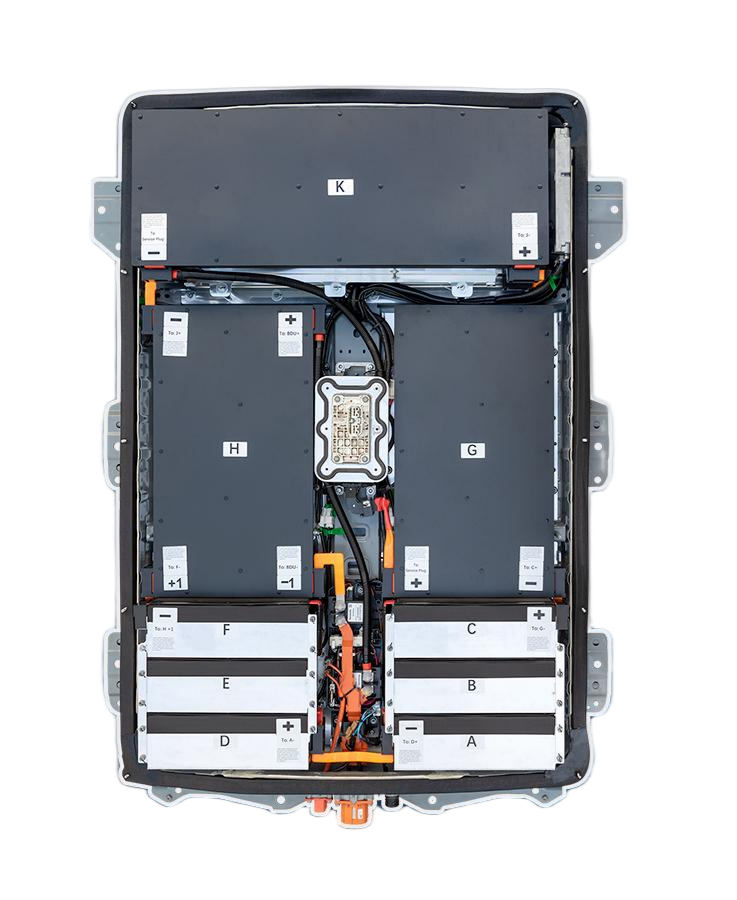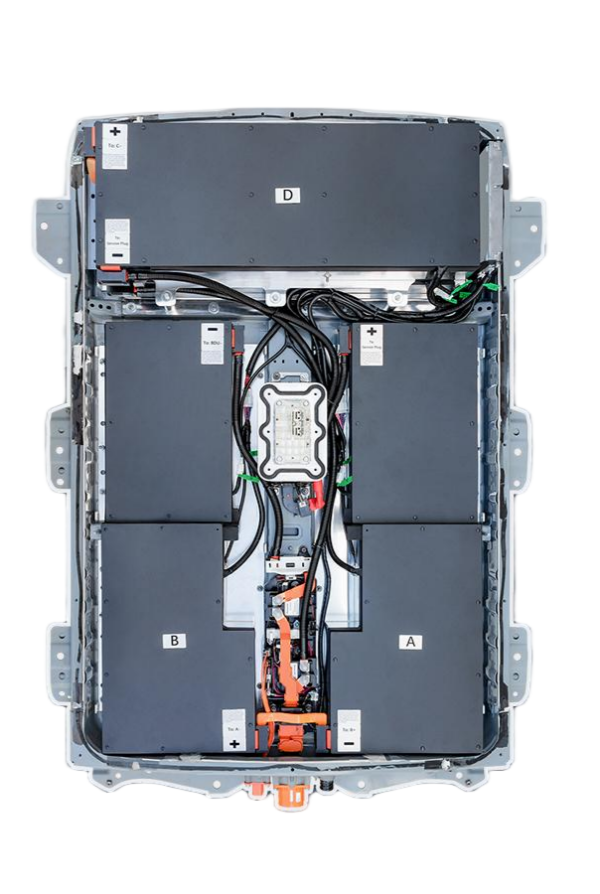
Is It Worth the Switch? High-Capacity Leaf Plus EV Batteries for Fleet Owners
Fleet owners face a unique challenge: the pressure to electrify is high, but the math of operational costs must add up. While the Nissan Leaf (specifically the ZE1, AZE0, and ZE0 models) is a staple in many electric fleets due to its reliability, range anxiety and frequent charging can cripple productivity. This leads to a critical question: Is upgrading to a high-capacity Leaf Plus EV battery a viable strategy for reducing Total Cost of Ownership (TCO), or is it just an expensive modification?
As a fleet manager, you aren’t just buying a battery; you are buying uptime. This article analyzes the financial and operational impact of high-capacity upgrades specifically for commercial operations.
The Operational Bottleneck: Why Standard Fleet Range Fails
Most standard Nissan Leaf batteries in fleet circulation are the 24kWh, 30kWh, or 40kWh variants. For a private driver, this might suffice. For a fleet, it creates a bottleneck.
- Charging Downtime: A standard Leaf might require 2-3 charging cycles per day for active use. Each charge takes time (even with DC fast charging), taking the vehicle out of revenue-generating service.
- Battery Degradation: Fleet vehicles are driven hard. The lithium-ion cells in older Leafs degrade faster, often dropping below 70% State of Health (SOH). This means a 40kWh car might only have the usable range of a 28kWh car.
- “Buffer” Driving: Fleet drivers often drive cautiously to preserve the remaining battery, reducing efficiency.
The Solution: Upgrading to a 62kWh or 68kWh Leaf Plus battery effectively doubles the usable energy capacity. This isn’t just about going further; it is about reducing the frequency of charging.
The Cost Analysis: New Battery vs. New Vehicle
One of the biggest misconceptions is that upgrading a battery costs as much as buying a new car. The reality, based on current market solutions, is drastically different.
1. The “Scrap vs. Upgrade” Dilemma
When a fleet vehicle’s battery degrades beyond usability, the standard options are:
- Option A: Scrap the car and buy a new EV (Cost: $25,000 – $35,000+).
- Option B: Replace the battery with a new high-capacity pack (Cost: Significantly lower).
By choosing a high-quality aftermarket solution, such as those engineered to OEM standards, you can extend the life of a reliable chassis for another 100,000+ miles.
2. Price Comparison
To illustrate the savings, consider the following comparison (based on current industry estimates for compatible replacement solutions):
| Cost Factor | Original Manufacturer (OEM) Replacement | High-Quality OEM-Compatible Upgrade (e.g., CNS) |
|---|---|---|
| Battery Cost | $12,000 – $16,000+ | $6,000 – $8,000 |
| Labor (Est.) | Included or High | Moderate (Plug-and-Play options reduce this) |
| Downtime | High (Long waitlists) | Lower (Faster availability) |
| TCO Impact | High Capital Expenditure | Operational Expense (CapEx avoided) |
The Verdict: An OEM-compatible high-capacity battery can save a fleet operation 50% or more compared to an original manufacturer replacement, and a staggering 70% compared to buying a new vehicle.
The “Plus” Advantage: Operational Efficiency
Beyond the raw math of the price tag, the high-capacity Leaf Plus battery offers fleet-specific advantages that translate directly to the bottom line.
Extended Duty Cycles
A 62kWh+ battery provides the energy density needed for full-shift operations without mid-shift charging. For delivery vans (like the e-NV200, which uses the same platform) or taxi services, this means:
- No lost revenue during 45-minute DC charging sessions.
- Simplified logistics, as vehicles can return to the depot only at the end of the day.
Superior Battery Chemistry
Upgrading isn’t just about adding more kWh; it is about upgrading the chemistry. Modern high-capacity replacement packs utilize brand-new CATL (Contemporary Amperex Technology) cells. These cells offer:
- Higher Energy Density: More power in the same chassis space.
- Longer Cycle Life: New cells are rated for thousands of cycles, outlasting the degraded cells in the original battery.
- Better Thermal Management: Modern Battery Management Systems (BMS) prevent overheating, a critical factor for vehicles driven in hot climates or under heavy loads.
Future-Proofing the Asset
By upgrading the battery, you convert an older Leaf into a “Leaf Plus” equivalent. This means your fleet retains the benefit of the latest battery technology without the depreciation hit of a new car. Furthermore, modern replacement batteries are designed with plug-and-play compatibility, meaning they connect directly to the existing vehicle harness without modifications, preserving the vehicle’s warranty on non-battery components.
Addressing the Elephant in the Room: Reliability
Fleet managers cannot afford breakdowns. The hesitation often lies in the reliability of non-OEM parts.
This is where E-A-T (Expertise, Authoritativeness, Trustworthiness) matters. When evaluating a high-capacity upgrade, you must look for:
- OEM Engineering Standards: The battery must be engineered to match the original factory specifications for voltage, communication protocols, and physical dimensions.
- Warranty Coverage: A standard OEM battery might offer a short warranty. Look for suppliers offering extended coverage (such as 2 years / 80,000 km) to mitigate risk.
- Technical Support: Does the supplier offer 24/7 technical support or video guidance for your maintenance team? This is crucial for minimizing downtime during the initial installation.
Conclusion: A Strategic Investment
For fleet owners, the answer to “Is it worth it?” is a resounding yes, provided you choose a solution engineered to OEM standards.
Purchasing a high-capacity Leaf Plus EV battery is not a modification; it is a strategic asset renewal. It allows you to:
- Slash replacement costs by avoiding new vehicle purchases.
- Double the range and efficiency of your existing assets.
- Utilize the latest battery technology (like CATL cells) in a proven chassis.
Before you scrap that old Leaf or e-NV200, calculate the ROI of a battery upgrade. The savings in capital expenditure and the gain in operational uptime make this the most logical choice for a modern, cost-effective electric fleet.
Frequently Asked Questions (FAQ)
Q1: Will upgrading to a 62kWh battery void my vehicle’s warranty? While the battery upgrade itself comes with its own warranty (typically 2 years / 80,000 km for high-quality OEM-compatible packs), it is important to check with your specific fleet insurer. However, because modern upgrades are designed as direct OEM replacements (plug-and-play), they do not require modifications to the vehicle’s chassis or motor, minimizing the risk of affecting the drivetrain warranty.
Q2: How long does the installation take for a fleet of vehicles? For a professional technician, installing a high-capacity Leaf Plus battery typically takes 1-2 hours per vehicle. The process is designed to be straightforward, often involving removing the old pack and bolting in the new one. For larger fleets, it is recommended to schedule installations to minimize operational disruption.
Q3: Are these high-capacity batteries safe for daily heavy use? Yes. Reputable high-capacity batteries utilize brand-new CATL lithium-ion cells, which are known for their durability and safety. They are equipped with advanced Battery Management Systems (BMS) that monitor temperature and voltage in real-time, making them suitable for the rigorous demands of fleet operations.
Q4: Where can fleet owners get a quote for these batteries? Fleet managers looking for OEM-compatible high-capacity solutions can contact specialized manufacturers directly. These suppliers often offer volume discounts for fleet purchases and provide VIN compatibility checks to ensure a perfect fit for Nissan Leaf (ZE0, ZE1, AZE0) and e-NV200 models.