
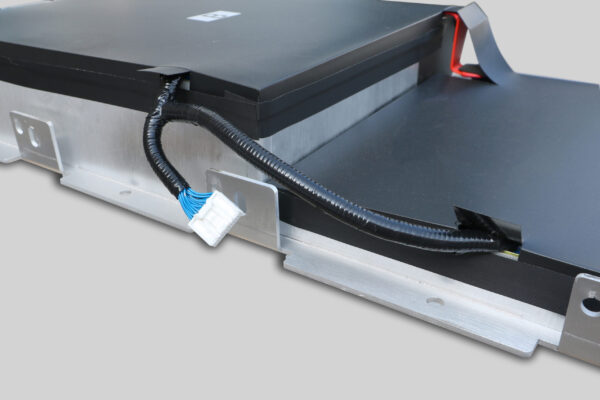
Is It Worth Investing in a Durable Nissan Leaf Battery for EV Owners?
If you own a Nissan Leaf (ZE0, ZE1, or AZE0) or e-NV200, you know that battery degradation is inevitable. As the heart of your vehicle ages, range anxiety sets in, and the original manufacturer’s replacement price can be astronomical. This leads to a critical question every EV owner faces: Is it worth investing in a durable, high-quality replacement battery, or should you cut corners with a cheaper alternative?
The short answer is a resounding yes. Investing in a durable, OEM-standard battery isn’t just about fixing a problem; it’s about reviving your vehicle’s performance, safety, and longevity. At CNS Battery, we specialize in providing Original Factory Standard replacement solutions for Nissan and BMW EVs. Our batteries are engineered to last, utilizing brand-new cells and rigorous testing to ensure they outperform cheaper, refurbished alternatives.
Here is why choosing a durable solution is the smartest financial and practical decision for your electric journey.
The “Cheap Fix” Trap: Why Refurbished Batteries Fail
Many owners, desperate to save money, fall into the trap of purchasing refurbished or “repaired” battery packs. These are often made from discarded cells that have already endured significant wear.
- The Reality: These batteries might work for a few months, but their capacity degrades rapidly. Users often report swelling, sudden power drops, and complete failure within 6-12 months.
- The Hidden Cost: When a cheap battery fails, you don’t just lose the initial purchase price; you also lose installation labor costs and face the inconvenience of being stranded. You end up paying twice.
Expert Insight: A battery is not just a container for cells; it’s a complex system of Battery Management Systems (BMS), thermal management, and structural integrity. Durability comes from using brand-new, high-grade cells from top manufacturers like CATL, not from patching together old ones.
The CNS Battery Advantage: Built to Last
When you invest in a CNS Battery solution, you are paying for longevity and peace of mind. We don’t just assemble packs; we engineer them to meet the strict standards of the original factory, but at a fraction of the cost.
1. Premium Cell Technology
Unlike competitors using recycled cells, we utilize brand-new CATL lithium-ion cells. CATL is a global leader in battery technology, and their cells offer superior energy density, thermal stability, and cycle life. This means your Nissan Leaf or e-NV200 will achieve the maximum possible range and maintain it for years.
2. Unbeatable Warranty Protection
Durability is backed by our industry-leading warranty. We offer a 2-year or 80,000 km warranty (whichever comes first), far exceeding the standard coverage offered by most competitors and even some original manufacturers. This includes protection against defects and coverage for performance degradation, ensuring your battery maintains at least 70% capacity.
3. OEM Precision Fit
Our packs are designed specifically for Nissan Leaf ZE0, ZE1, AZE0, and e-NV200 models. The connectors, dimensions, and voltage profiles are an exact match for the original factory parts. This “Plug-and-Play” design means no modifications are required, preserving your vehicle’s safety systems and original warranty eligibility.
Real-World Performance: What Owners Are Saying
Don’t just take our word for it. The durability of our batteries is proven by thousands of kilometers driven by satisfied customers worldwide.
| Owner | Model & Year | Solution | Results & Feedback |
|---|---|---|---|
| David L. | Leaf ZE1 (2021) | 62kWh New Pack | “Previously tried a refurbished battery that swelled in 6 months. After switching to CNS with brand-new CATL cells, the range is consistent at 440km. It feels like a new car!” |
| Tom H. | Leaf ZE0 (2014) | 62kWh Upgrade | “Installed it myself using the video guide. The build quality is solid. After a year of daily use, the capacity is still strong, and there’s no significant degradation.” |
| Mike’s Auto Service | Repair Shop Fleet | OEM Custom | “We replaced dozens of Leaf batteries for customers. CNS has an almost zero failure rate. Their durability and compatibility are why we keep reordering.” |
Cost-Benefit Analysis: The Long-Term Savings
Let’s break down the math to answer the “Is it worth it?” question definitively.
| Comparison Factor | Cheap/Refurbished Battery | CNS Durable Battery |
|---|---|---|
| Initial Cost | Low (Approx. $3,000-$5,000) | Mid-Range (Approx. $7,800) |
| Cell Quality | Recycled, Aged, High Risk | Brand-New CATL, Premium Grade |
| Expected Lifespan | 6-12 Months (High Failure Rate) | 5+ Years (2-Year Full Warranty) |
| Hidden Costs | Frequent replacements, labor redo, towing | Zero (Reliable performance) |
| Risk Level | High (Swelling, Fire Hazard) | Low (OEM Safety Standards) |
The Verdict: While the upfront cost of a durable battery is higher than a “junkyard special,” the long-term value is undeniable. You save money by not having to replace the battery every year. More importantly, you gain the safety and reliability required for daily driving.
Technical Support: Your Safety Net
Durability isn’t just about the hardware; it’s about the support behind it. We understand that installing a high-voltage battery can be daunting.
- 24/7 Expert Assistance: Our team of automotive battery certification experts is available via phone, email, or online chat.
- Remote Installation Guidance: If you encounter issues during setup, we offer video call support. Our engineers can guide you step-by-step, from tool preparation to BMS programming, ensuring a safe and successful installation.
- Comprehensive Resources: We provide detailed installation manuals, high-definition tutorial videos, and PDF guides covering safety precautions.
Conclusion: Revive Your EV with Confidence
Investing in a durable Nissan Leaf battery is absolutely worth it. It transforms your EV from a depreciating asset into a reliable, long-range machine once again. By choosing a CNS Battery solution, you are opting for the safety of brand-new cells, the security of an industry-leading warranty, and the peace of mind that comes with OEM-standard engineering.
Don’t let range anxiety or fear of breakdowns keep you off the road. Choose durability. Choose reliability.
Ready to get your Nissan Leaf back to its best? Get a free, no-obligation quote today and see how much you can save compared to the original manufacturer’s price.
Get Your Free Custom Quote Now
Frequently Asked Questions (FAQ)
1. How long does a durable replacement battery last?
A high-quality replacement battery, like those from CNS using brand-new CATL cells, is designed to last for many years. We back this with a 2-year or 80,000 km warranty. Under normal driving conditions, you can expect the battery to maintain over 70% of its capacity throughout the warranty period, and often for several years beyond that.
2. Can I install the battery myself, or do I need a professional?
While we recommend installation by a certified technician to ensure safety and avoid voiding the warranty, many of our customers successfully install the batteries themselves. We provide comprehensive support, including step-by-step video tutorials and remote video guidance. If you have basic mechanical skills and the right tools, a DIY installation is feasible.
3. Will a new battery improve my car’s range compared to the original?
Yes, significantly. If your original battery is degraded (which is common in older Leafs), a new CNS battery will restore your vehicle to its full original range. Furthermore, we offer upgrade options (e.g., upgrading from a 40kWh to a 62kWh pack), which can actually increase your driving range beyond the original factory specifications.
4. What is the difference between a new battery and a refurbished one?
The difference is in the cells and construction.
- New (CNS): Uses brand-new, A-grade cells from top manufacturers (CATL). These have full cycle life, superior thermal management, and are assembled to OEM standards.
- Refurbished: Uses recycled cells pulled from old, discarded batteries. These cells are already worn out, have inconsistent performance, and are often poorly reassembled, leading to high risks of swelling and failure.


