Is It Worth DIY Nissan e-NV200 Battery for EV Owners?
Thomas B. (Amsterdam, Netherlands)
Nissan e-NV200 (2022 Model) | 50kWh
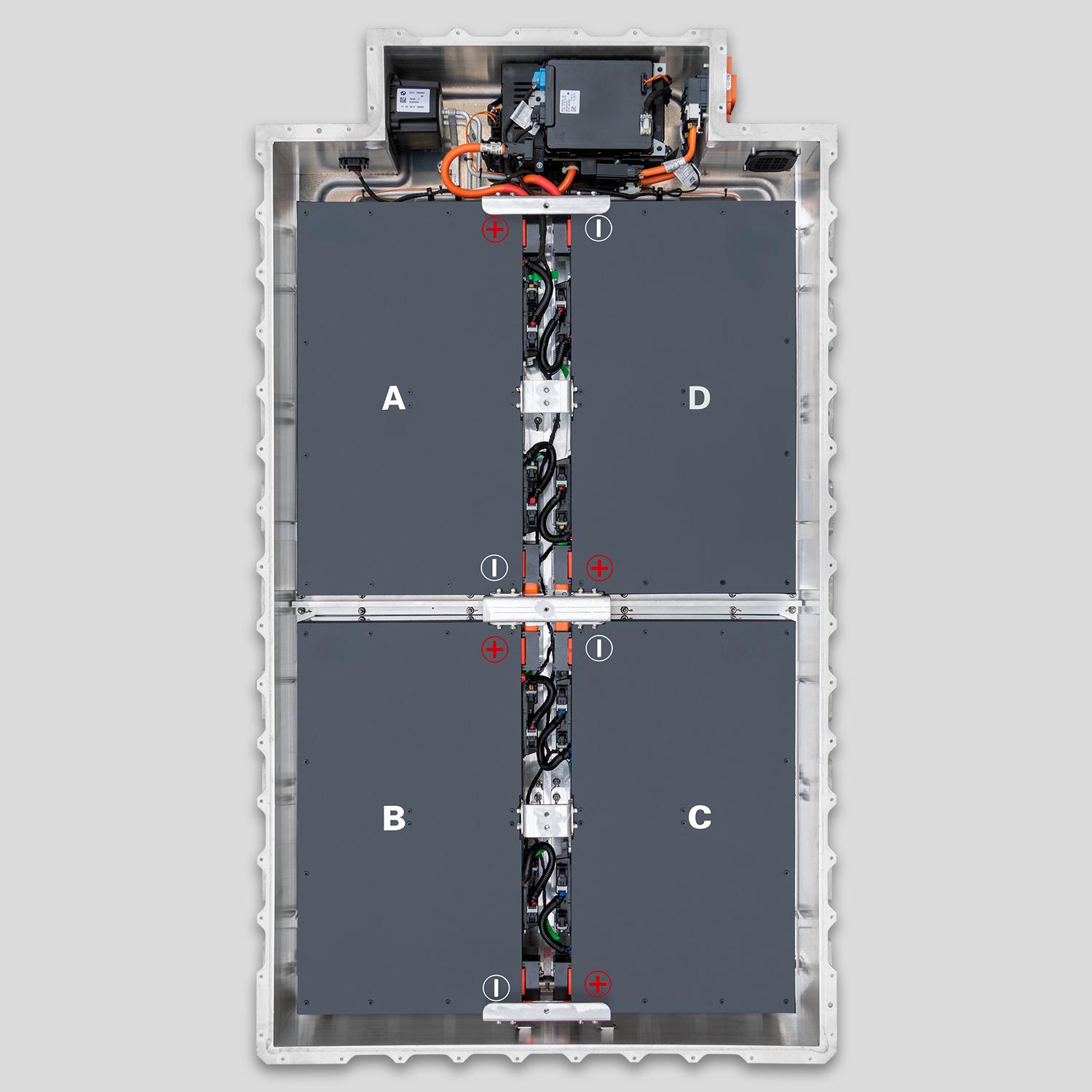
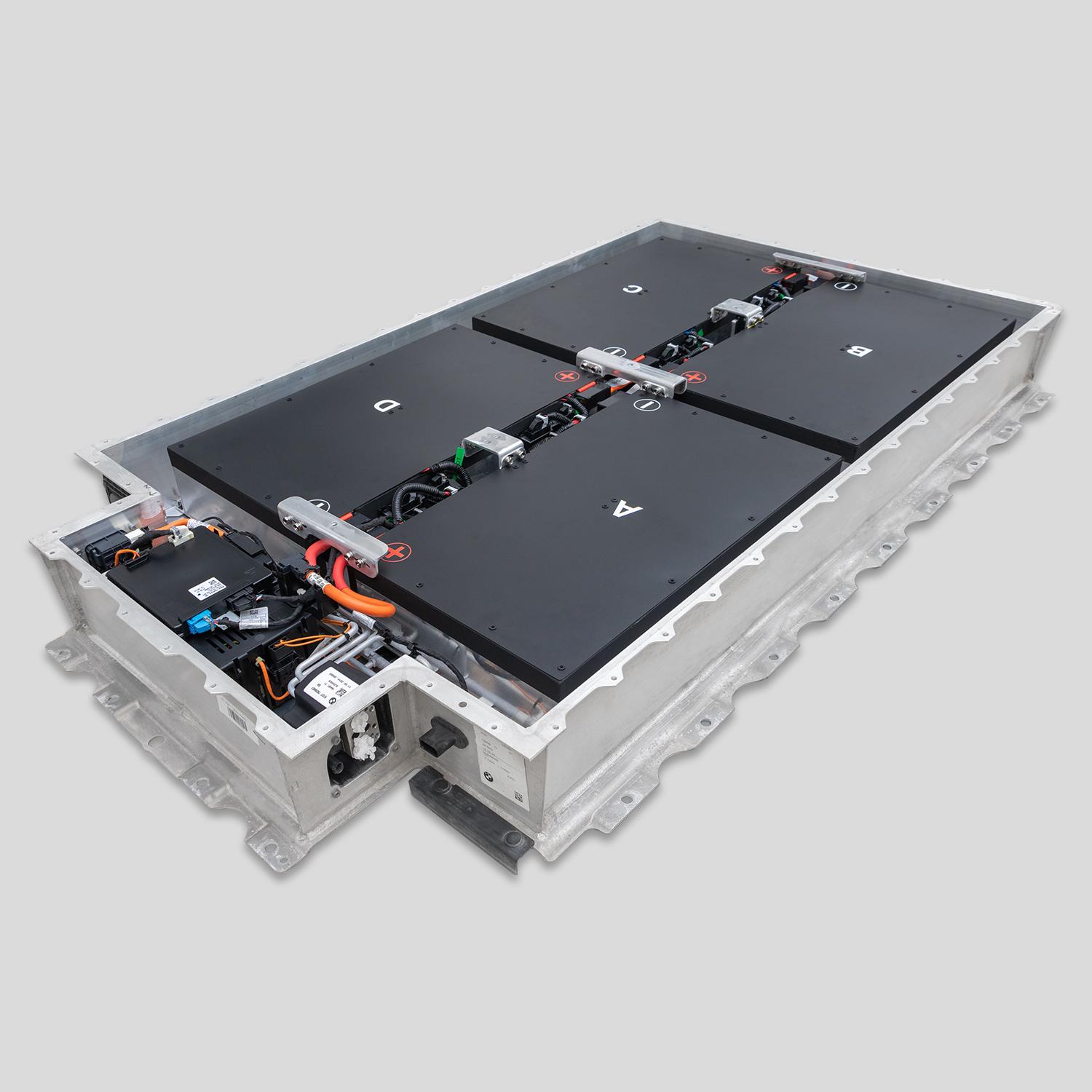
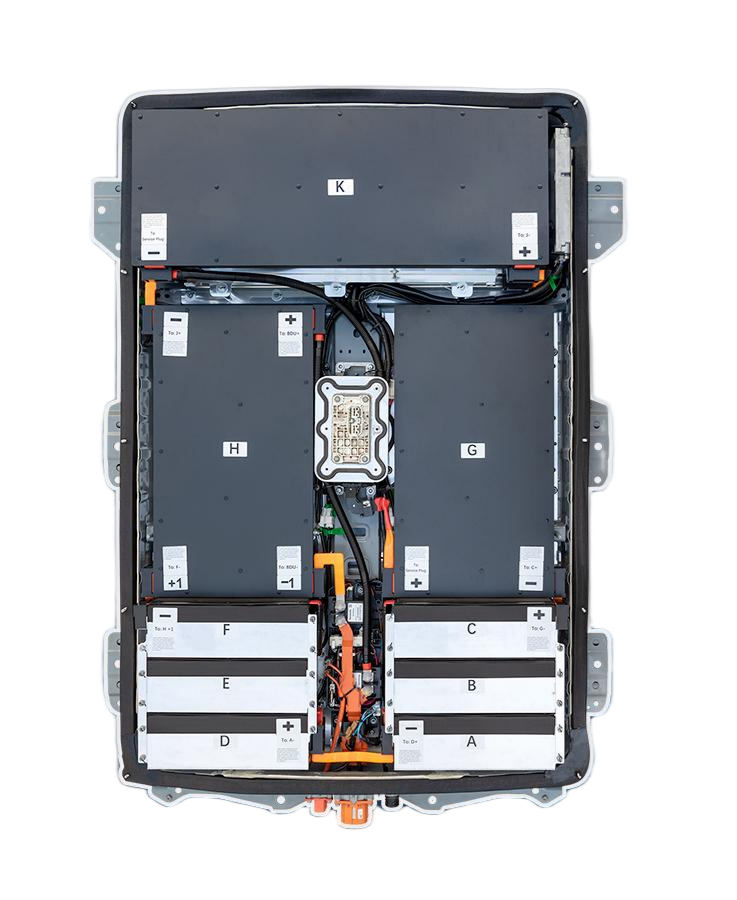
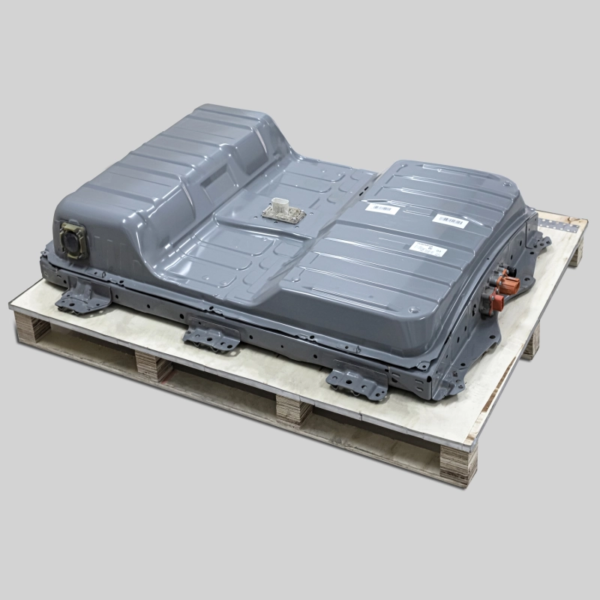
“My old car battery was 5 years old and had degraded to the point where it could only travel 150km, requiring daily charging, which was very inconvenient. I replaced it with a 50kWh battery from CNS, and the installation was surprisingly simple. The complete battery pack was plug-and-play; it automatically matched the system after plugging in the connector, without any additional steps. Now, the full charge consistently provides 348km of range, and even with the air conditioning on during highway driving in the summer, the range never dropped below 330km, which is much better than the old battery. Last month, I went to the beach, and even in the high temperature of 38℃, the battery didn’t experience any overheating protection issues; the discharge was very stable. The seller also provided a free installation toolkit, including insulated gloves and terminal cleaner, which was very thoughtful. After two months of use, the battery capacity is still at 12 bars, and the after-sales service even sent a battery maintenance manual explaining how to extend its lifespan – truly professional! Thank you, CNS team!”
For Nissan e-NV200 owners, the decision to replace a degraded battery is often a crossroads. With the original manufacturer’s price often exceeding $10,000, the financial burden can be crushing. Many owners are now looking at the DIY route, wondering if it is truly worth the risk and effort. Based on the experience of Thomas B. from Amsterdam and the technical capabilities of modern aftermarket solutions, the answer is a resounding yes—provided you have the right tools and the right battery.
The Financial Reality of Battery Replacement
The primary driver for a DIY e-NV200 battery swap is the staggering cost difference. Replacing a Nissan e-NV200 battery through a dealership or using OEM refurbished parts can cost upwards of $12,000 to $16,000. For a commercial van or a daily commuter, this often exceeds the vehicle’s resale value, forcing owners into a difficult choice: scrap a mechanically sound vehicle or find a cheaper alternative.
This is where the DIY aftermarket solution shines. By sourcing a brand-new 50kWh battery pack directly from a manufacturer like CNS Battery, owners can cut the cost by more than 50%. In Thomas’s case, he saved thousands compared to the OEM quote, effectively giving his 2022 e-NV200 a “second life” without the financial strain of a new car purchase.
Is the DIY Process Feasible for the Average Owner?
A common fear is the complexity of the installation. However, modern aftermarket batteries are engineered for compatibility. As Thomas noted, the CNS battery was designed as a plug-and-play solution. This means:
- No Modifications Required: The connectors matched the original factory parts perfectly.
- Simplified Wiring: The harnesses are pre-configured to match the e-NV200’s specifications.
- No Coding Needed: The Battery Management System (BMS) automatically synced with the vehicle upon connection.
While Thomas had the help of basic tools and safety gear (which CNS provided in a free toolkit), the process did not require a certified mechanic. This highlights that with proper preparation, the physical installation is within reach of a technically inclined owner or a local mechanic familiar with basic EV safety.
Performance and Reliability: Matching the Original
Beyond cost and installation, the critical question is performance. Will a DIY battery perform as well as the original?
Thomas’s results suggest it can even exceed expectations. His new 50kWh pack delivered a consistent 348km of range—a massive improvement over the 150km of his degraded old battery. Crucially, the battery maintained stability under stress, showing no overheating issues even in 38°C weather during highway driving with the AC on. This demonstrates that high-quality aftermarket batteries use robust thermal management systems and premium cells (such as CATL) that meet or exceed OEM durability standards.
The Safety Net: Why Warranty Matters
Despite the “Do It Yourself” nature of the project, the peace of mind comes from the warranty and support structure. Thomas emphasized the importance of the 24-month / 80,000km warranty, which is significantly longer than many OEM offerings for replacement batteries. Furthermore, the inclusion of a maintenance manual and responsive customer service ensures that DIY doesn’t mean “Do It Alone.”
For e-NV200 owners facing the battery replacement dilemma, the DIY route offers a compelling value proposition: brand-new performance at half the price, with the safety of a comprehensive warranty.
Frequently Asked Questions (FAQ)
1. How difficult is the DIY installation for a Nissan e-NV200 battery?
The installation is designed to be straightforward. As demonstrated by Thomas’s experience, it is largely a plug-and-play process where the connectors match the vehicle’s original harness. However, due to the high voltage involved, it is recommended to follow the provided safety manual strictly. Most owners with basic mechanical skills, or a local mechanic, can complete the swap in a few hours using standard tools.
2. Will a DIY battery void my car’s warranty or cause compatibility issues?
High-quality aftermarket batteries, like those offered by CNS, are built to OEM specifications. This means they match the voltage, capacity, and interface of the original battery. A proper installation should not cause compatibility issues. Regarding the vehicle warranty, while the powertrain warranty might be specific to OEM parts, replacing the battery with a compatible aftermarket unit generally does not void the entire vehicle warranty, though it is always best to check local regulations.
3. What kind of range can I expect after the DIY replacement?
You can expect a significant improvement in range. Unlike degraded old batteries that may only provide 100-150km, a brand-new 50kWh or 62kWh aftermarket battery can restore the vehicle to its original factory range specifications (typically 300km+ depending on driving conditions and temperature).
4. How does the cost compare to buying from a dealer?
The cost savings are substantial. While dealers may charge $12,000 to $16,000 for a replacement, a direct-from-manufacturer DIY solution can cost approximately 50% less. This makes the DIY route not just a cost-saving measure, but often the only financially viable option to keep an e-NV200 on the road.
5. What support is available if I encounter a problem during installation?
Manufacturers like CNS provide comprehensive support. This includes detailed installation manuals, video tutorials, and direct access to technical experts. As seen in other cases, if a wiring issue arises, engineers can often provide remote video guidance to resolve the issue quickly, ensuring you are not left stranded.
Ready to restore your Nissan e-NV200 to its full potential? Get a free custom quote today to see how much you can save with a direct replacement solution.