Here is the SEO-optimized article tailored for DIY enthusiasts looking to upgrade their Nissan Leaf Plus with a compatible battery solution.
Is It Worth Compatible Leaf Plus EV Battery for DIY Enthusiasts?
The short answer is a resounding yes. For the modern DIY enthusiast, upgrading to a compatible Nissan Leaf Plus EV battery is no longer a gamble but a strategic investment. If you own a pre-2018 Nissan Leaf (ZE0/AZE0 models) and are tired of the “range anxiety” that comes with a 40kWh or 24kWh pack, swapping to a 62kWh or 50kWh compatible unit is the definitive way to breathe new life into your vehicle.
This isn’t just about adding more miles; it is about restoring your car to its original glory—or better—without the crippling cost of a dealership replacement. At CNS BATTERY, we have seen thousands of DIYers successfully make this transition, turning their aging EVs into reliable daily drivers.
1. The DIY Math: Cost vs. Value
One of the primary hurdles for a DIYer is the budget. The economics of choosing a compatible aftermarket battery versus an OEM (Original Equipment Manufacturer) unit are staggering.
- OEM Price Tag: A brand-new battery from a Nissan dealership can cost upwards of $16,000.
- DIY Solution: A high-quality, compatible Leaf Plus battery (utilizing new CATL cells) costs roughly 50% less.
Why This Matters for You: As a DIY enthusiast, your labor is free (or the cost of a pizza for your mechanic friend). By cutting the massive labor markup from the dealership and opting for a compatible pack designed for plug-and-play, you are looking at a fraction of the total cost to achieve the same performance metrics as a brand-new Leaf Plus.
2. The “Plug-and-Play” Reality Check
A common fear among DIYers is the complexity of the Battery Management System (BMS) and physical fitment. The term “compatible” can sometimes sound like “you might need to modify this.”
However, the latest generation of compatible Leaf Plus batteries has evolved significantly. Based on our engineering standards, a worth-it solution must meet these criteria for a DIYer:
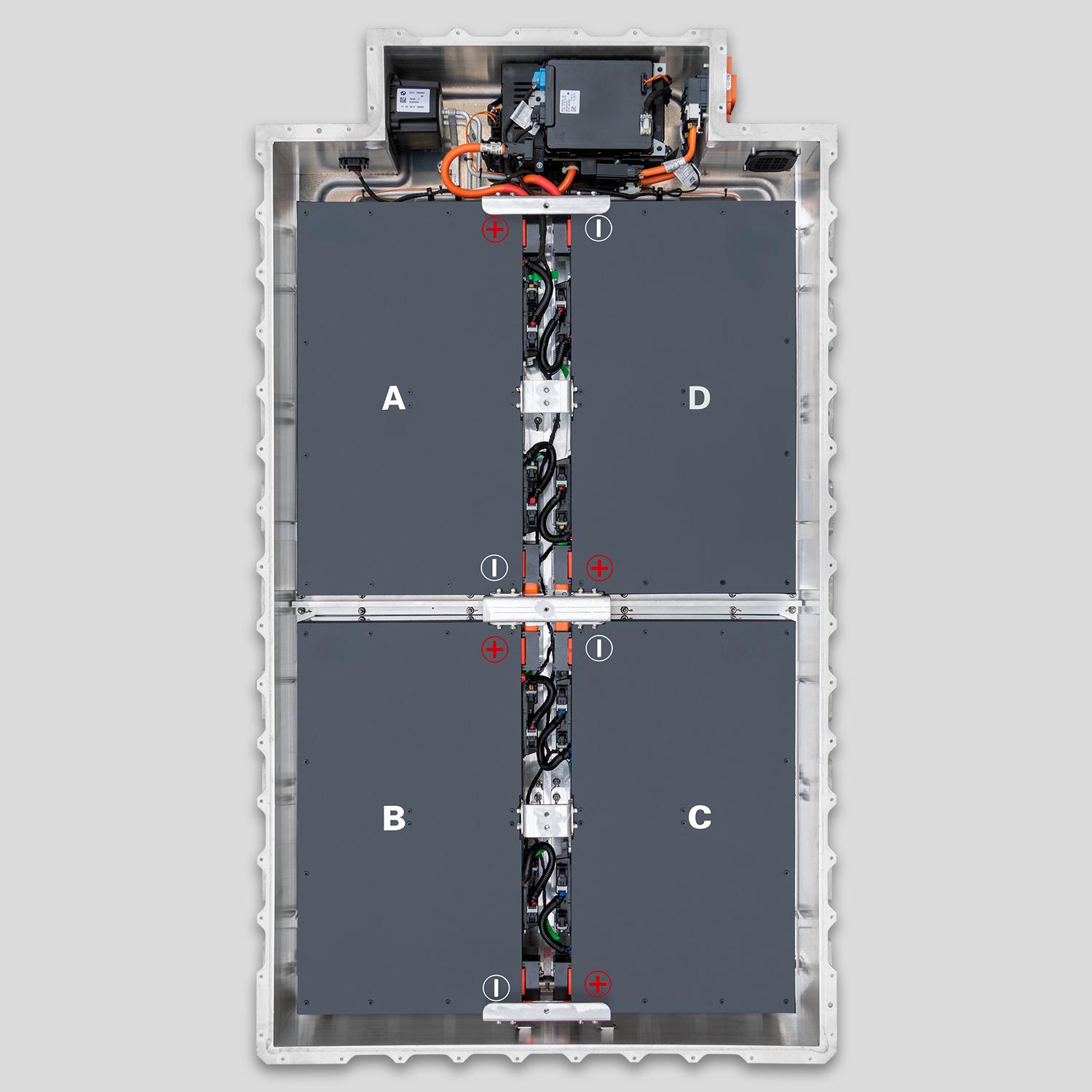
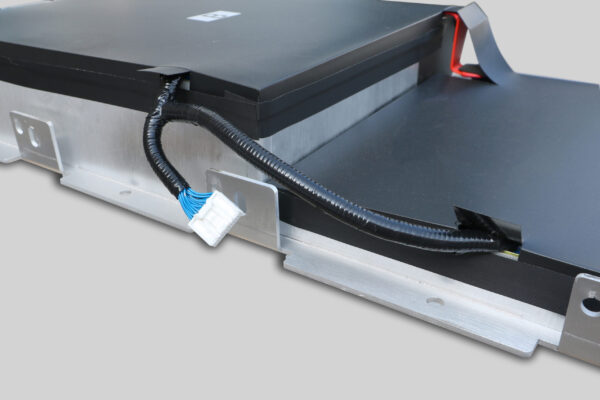
- OEM Interface Matching: The connectors for the high-voltage cables and signal lines must match the original harness. You should not need to cut and splice wires.
- BMS Registration: The battery must communicate seamlessly with the car’s Vehicle Control Unit (VCU). A worth-it battery will either come pre-programmed or provide a straightforward registration process (often via a simple video call with tech support).
- Physical Dimensions: The chassis must align perfectly with the factory mounting points. You should be able to unbolt the old pack and bolt in the new one without drilling new holes.
Expert Tip: Before purchasing, always verify that the battery supplier offers a VIN compatibility check. This simple step prevents 90% of installation headaches.
3. Performance: Does “Compatible” Mean “Compromised”?
Many DIYers worry that “compatible” means “refurbished” or “used.” This is a critical distinction.
A high-quality compatible Leaf Plus EV battery utilizes brand-new, pristine cells from top-tier manufacturers like CATL. This is not a repackaged old battery.
| Feature | Worth-It Compatible Battery | Risky “Compatible” Option |
|---|---|---|
| Cell Source | Brand New (CATL/Contemporary Amperex) | Used/Recycled/Salvaged |
| Warranty | 2 Years / 80,000 km | Often None or Very Short |
| Range Gain | 200+ km (Real World) | Unpredictable Degradation |
| Safety | Factory-standard BMS & Protection | Unknown History, Swelling Risk |
The Verdict: If the compatible battery uses new cells and meets OEM physical standards, the performance is identical to a factory unit. You will regain the 220+ mile (350km+) range that defines the Leaf Plus experience.
4. The Installation Process: Is It Truly DIY-Friendly?
Let’s address the elephant in the room: Installing a 300kg+ battery pack is heavy work, but the electrical complexity is what usually scares people off.
The Reality:
- Physical Labor: This requires a hydraulic jack or a lift. The pack is heavy, but the mounting bolts are standard.
- Electrical Connection: Modern compatible packs are designed for direct replacement. You disconnect the old battery terminals and connect the new ones.
- Software/Registration: This is where DIYers often need support. A worth-it supplier will offer remote video guidance to help you register the new battery’s BMS with the car. This usually takes less than 30 minutes.
Real User Experience: Many of our customers, like Mark T. from California, have successfully completed this swap in 2 hours with just a friend’s help and a tutorial video. If you can change your oil, you can supervise this installation.
5. Why Compatibility is the Future for EV Enthusiasts
The automotive industry is shifting, and OEMs are locking down their software and parts. For the DIY community, compatibility is the key to vehicle longevity.
By choosing a compatible Leaf Plus battery, you are:
- Avoiding Obsolescence: Nissan no longer produces the ZE0 model in many markets. Compatible batteries keep these cars on the road.
- Saving Money: You are not paying for the Nissan brand premium.
- Gaining Expertise: You learn about your car’s core system, making future repairs easier.
6. Making the Right Choice: What to Look For
Before you pull the trigger on a purchase, ensure the compatible battery you select offers these guarantees:
- New Cell Warranty: It must be explicitly stated that the cells are new, not recycled.
- Longevity: Look for a warranty that matches or exceeds industry standards (e.g., 2 years or 80,000 km).
- Technical Support: The supplier should offer pre-sales VIN checks and post-sales BMS registration help.
Conclusion
For the savvy DIY enthusiast, the answer is clear: Yes, it is absolutely worth it. Swapping to a compatible Leaf Plus EV battery is the most cost-effective way to transform your short-range EV into a long-distance cruiser.
You are not just replacing a part; you are upgrading your car to a newer standard. With the right supplier providing new cells, OEM-matching hardware, and solid technical support, this is a win-win scenario. Stop paying premium prices for dealership parts and take control of your EV’s destiny.
Ready to upgrade your Nissan Leaf? Get a Free Custom Quote today and see how much you can save.
Get Your Free Custom Quote Now
Frequently Asked Questions (FAQ)
Q1: Will a compatible Leaf Plus battery void my car’s warranty?
A: Generally, aftermarket parts do not automatically void a vehicle’s warranty. However, if a failure is directly caused by the aftermarket part, the manufacturer may deny coverage for that specific repair. To be safe, it is recommended to consult your specific warranty terms. Most users report no issues with general vehicle operation post-installation.
Q2: How long does it take to install a compatible Leaf Plus battery?
A: For a professional technician, the installation typically takes 1-2 hours. For a DIY enthusiast with basic tools and assistance, it usually takes around 2-3 hours. This includes removing the old battery, installing the new one, and reconnecting the cables.
Q3: Do I need special tools to program the new battery?
A: You do not necessarily need expensive OEM diagnostic tools. Reputable manufacturers provide remote technical support. They can guide you through the registration process via a video call, helping you connect the necessary cables and confirm the BMS handshake with the car’s system.
Q4: What is the expected range after installing a compatible 62kWh battery?
A: You can expect a real-world range of approximately 230-260 miles (370-420 km) on a full charge, depending on driving conditions, temperature, and terrain. This is a significant upgrade from the original 40kWh model, which typically offers around 70-80 miles (110-130 km).