Is It Worth Cheap Nissan EV Power Battery? The Truth About Budget Battery Replacements
Introduction: Facing the Battery Degradation Dilemma
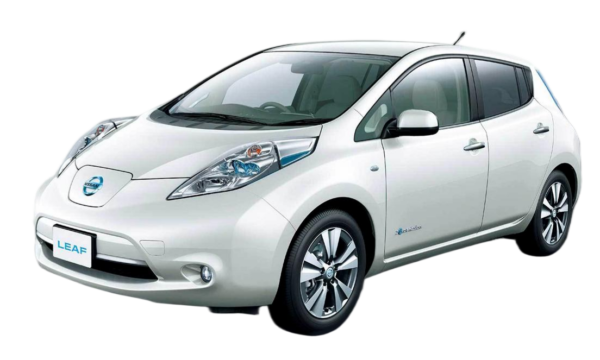
Your Nissan Leaf has been your trusted companion for years. But lately, you’ve noticed something troubling. The range that once comfortably covered your daily commute has shrunk dramatically. That 12-bar battery now shows only 8 or 9 bars. The dealership quotes you $15,000 to $18,000 for a replacement—more than half your car’s current value.
This is the reality thousands of Nissan Leaf owners face today. The question isn’t just about replacing your battery. It’s about whether a cheap Nissan EV power battery can deliver the reliability you need without breaking the bank.
In this comprehensive guide, we’ll explore everything you need to know about affordable battery replacements, including real-world performance data, warranty coverage, and what actually makes a budget battery worth your investment.
Understanding the Nissan Leaf Battery Crisis
Why Do Nissan Leaf Batteries Degrade Faster?
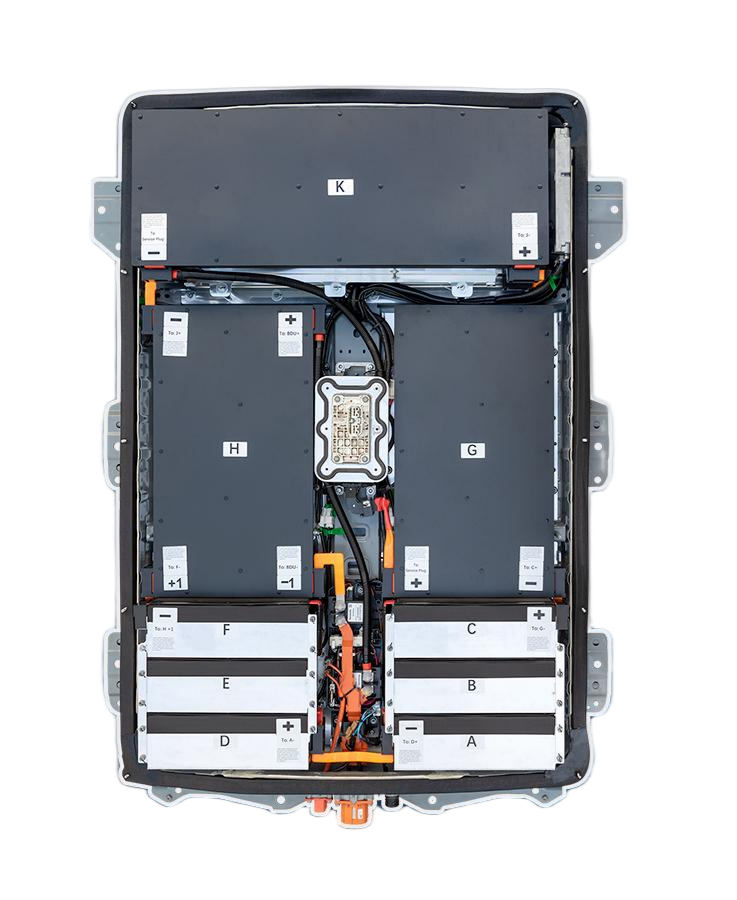
The Nissan Leaf, particularly models from 2011 to 2017, has become notorious for premature battery degradation. Unlike many competitors, early Leaf models lacked active thermal management systems. This means the battery pack was more vulnerable to:
- Heat exposure in warm climates
- Frequent fast charging cycles
- Natural capacity loss over time
Many owners report their 24kWh or 30kWh batteries dropping to 50-60% capacity within 5-7 years. This translates to a usable range of just 80-100km—barely enough for city driving, let alone longer trips.
The High Cost of OEM Replacement
Walking into a Nissan dealership for a battery replacement often feels like being quoted for a new vehicle. Original manufacturer batteries typically cost:
| Battery Capacity | OEM Price Range |
|---|---|
| 40kWh | $12,000 – $14,000 |
| 50kWh | $14,000 – $16,000 |
| 62kWh | $16,000 – $18,000 |
For a car that may only be worth $8,000 to $12,000 in today’s market, this investment rarely makes financial sense. This pricing gap has created a booming aftermarket for affordable Nissan EV battery replacements.
Are Cheap Nissan EV Batteries Actually Worth It?
The Three Categories of Budget Batteries
Not all cheap Nissan EV power batteries are created equal. Understanding the differences is crucial before making your decision:
1. Refurbished/Reconditioned Batteries
These are used battery packs that have been repaired or had individual modules replaced. While cheaper upfront, they often come with significant risks:
- Unknown battery cell history
- Shorter remaining lifespan
- Limited or no warranty coverage
- Higher failure rates within the first year
2. Aftermarket New Cell Batteries
These batteries use brand-new lithium-ion cells from reputable manufacturers like CATL, LG, or Samsung. They offer:
- Fresh battery chemistry with full capacity
- Better warranty terms (typically 2+ years)
- Comparable performance to OEM
- Significant cost savings (40-60% less than OEM)
3. OEM Original Batteries
The genuine article from Nissan. Maximum compatibility but maximum cost. Best for those prioritizing brand authenticity over value.
What Makes a Budget Battery “Worth It”?
Based on extensive user feedback and technical analysis, a worthwhile cheap Nissan EV battery should meet these criteria:
- New battery cells (not refurbished or recycled)
- Minimum 2-year warranty with clear terms
- OEM-compatible connectors and mounting points
- BMS programming support for seamless integration
- Proven track record with customer reviews
- Technical support available for installation and troubleshooting
Real-World Performance: What Nissan Leaf Owners Say
Case Study 1: 2015 Leaf ZE0 Upgrade
Mark from California replaced his degraded 40kWh battery with a 62kWh aftermarket option. His original battery had dropped to just 120km range after 8 years. The OEM quote was $16,000.
His aftermarket solution cost $7,800—less than half the OEM price. After installation following video tutorials, his full-charge range jumped to 430km. One year later, his battery still shows 11 out of 12 bars with no significant degradation.
“The 2-year/80,000km warranty is reassuring, and customer service is responsive when I occasionally contact them with maintenance questions.”
Case Study 2: DIY Installation Success
Tom from Texas admitted he struggled with basic car maintenance. Yet, with detailed installation videos and remote support, he completed his 62kWh battery swap in 2 hours. His range increased from 230km to 430km—nearly doubling his usable distance.
“Even if you’re not technically inclined, you can easily do it yourself with the help of someone who knows a little about cars and by following the video!”
Case Study 3: Professional Shop Perspective
Mike’s Auto Service in Vancouver replaces EV batteries monthly. They’ve switched to aftermarket suppliers for their Nissan Leaf ZE0/AZE0/ZE1 customers.
“Their batteries have excellent compatibility, covering all Leaf models. The batteries use brand-new CATL cells, resulting in an almost zero failure rate. Customer feedback indicates that the range meets the stated specifications.”
Key Benefits of Choosing Quality Aftermarket Batteries
Significant Cost Savings
The most obvious advantage is price. Quality aftermarket batteries typically cost 50-60% less than OEM while delivering comparable performance. For a 62kWh pack, you’re looking at:
- OEM: $16,000+
- Quality Aftermarket: $7,500 – $8,500
- Your Savings: $7,500 – $8,500
This money can be invested in home charging equipment, extended warranties, or simply kept in your pocket.
Extended Warranty Coverage
Surprisingly, many aftermarket battery providers offer better warranty terms than OEM:
- Standard OEM warranty: Often 1 year or limited coverage on replacements
- Quality aftermarket warranty: 2 years / 80,000 km comprehensive coverage
- Performance guarantee: Many guarantee 70%+ capacity retention throughout warranty period
This extended protection provides genuine peace of mind for your investment.
Newer Battery Technology
OEM replacement batteries may use the same chemistry as your original—meaning you’re getting the same technology that degraded in the first place. Aftermarket options often feature:
- Improved cell chemistry from leading manufacturers like CATL
- Better thermal management characteristics
- Enhanced BMS (Battery Management System) programming
- Higher energy density for the same physical footprint
Flexibility in Capacity Upgrades
One unique advantage of the aftermarket is capacity upgrade options. Many Leaf owners started with 24kWh or 30kWh packs. Aftermarket suppliers allow you to upgrade to:
- 40kWh for moderate range improvement
- 50kWh for substantial daily driving capability
- 62kWh or 68kWh for near-new-vehicle range
This flexibility lets you customize your solution based on your actual driving needs and budget.
Important Considerations Before You Buy
Compatibility Verification
Not every battery fits every Leaf model. The Nissan Leaf ZE0, AZE0, and ZE1 have different battery architectures. Before purchasing:
- Provide your VIN to the supplier for compatibility confirmation
- Verify connector types match your vehicle’s harness
- Confirm BMS programming requirements for your model year
- Check physical dimensions to ensure proper fitment
Reputable suppliers offer free compatibility assessments before you commit to purchase.
Installation: DIY vs. Professional
DIY Installation is possible for those with mechanical experience:
- Typical time: 1-2 hours
- Required tools: Basic socket set, insulated gloves, multimeter
- Support available: Video tutorials, remote video guidance
Professional Installation recommended if:
- You lack automotive repair experience
- Your vehicle is under any remaining warranty
- You want documented installation for resale value
Labor costs typically range from $300 to $800 depending on your location and shop rates.
Warranty Terms Matter
Read the warranty carefully. Quality coverage should include:
- Defects in materials and workmanship
- Performance degradation protection (minimum 70% capacity)
- Free replacement or repair options
- Clear claim process with responsive support
Avoid suppliers with vague warranty terms or limited coverage periods.
Shipping and Logistics
Lithium-ion batteries are classified as dangerous goods (UN 3480/3481). International shipping requires:
- Compliant packaging (fumigation-free wooden crates)
- Certified carriers (DHL, FedEx, UPS with hazmat approval)
- DDP (Delivered Duty Paid) service for hassle-free delivery
- 4-8 weeks transit time for sea freight to most regions
Factor shipping time into your planning, especially if you rely on your vehicle daily.
FAQ: Common Questions About Cheap Nissan EV Batteries
Q1: Will an aftermarket battery void my vehicle’s remaining warranty?
A: For most Nissan Leaf models, the vehicle warranty has already expired by the time battery replacement becomes necessary. However, if your car is still under warranty, consult your dealer. Quality aftermarket batteries with OEM-compatible connectors typically don’t affect unrelated vehicle systems.
Q2: How long do aftermarket batteries actually last?
A: With brand-new CATL cells, quality aftermarket batteries should provide 8-10 years of reliable service under normal conditions. This matches or exceeds the expected lifespan of OEM replacements. Proper charging habits and avoiding extreme temperatures will maximize longevity.
Q3: Can I upgrade from 40kWh to 62kWh without modifications?
A: Yes, for most Nissan Leaf ZE0/AZE0/ZE1 models. The physical battery pack dimensions remain consistent across capacities. However, BMS programming is required to recognize the new capacity. Reputable suppliers include this programming support with purchase.
Q4: What’s the real-world range after a 62kWh upgrade?
A: Expect 400-440km of full-charge range depending on:
- Driving conditions (city vs. highway)
- Weather and temperature
- Driving style and speed
- Use of climate control
Most users report achieving 90-95% of advertised range in real-world conditions.
Q5: Is installation really possible for DIY users?
A: Yes, with proper preparation. Suppliers provide:
- Step-by-step video tutorials
- Remote video call support during installation
- PDF installation guides with safety precautions
- Technical hotline for troubleshooting
However, if you’re uncomfortable with high-voltage systems, professional installation is recommended.
Q6: How do I verify battery quality before purchasing?
A: Look for these indicators:
- Cell manufacturer disclosure (CATL, LG, Samsung, etc.)
- Customer reviews with verified purchases
- Warranty terms clearly stated
- Technical support availability
- Compatibility verification process before sale
Q7: What happens if the battery fails during warranty?
A: Quality suppliers provide:
- Free replacement or repair for manufacturing defects
- Prorated coverage for capacity degradation below guaranteed levels
- Technical support to diagnose issues
- Replacement shipping covered under warranty terms
Always keep your purchase documentation and installation records.
Making Your Decision: Is It Worth It?
After analyzing hundreds of user experiences, technical specifications, and cost comparisons, the answer is clear:
Yes, a quality cheap Nissan EV power battery is absolutely worth it—with important caveats.
Choose Aftermarket If:
✅ You want to save 50%+ compared to OEM
✅ You’re comfortable with non-dealer installation
✅ The supplier uses brand-new battery cells from reputable manufacturers
✅ Comprehensive warranty (2+ years) is included
✅ Technical support is available for installation and troubleshooting
✅ Your vehicle’s original warranty has expired
Stick with OEM If:
❌ Your vehicle is still under manufacturer warranty
❌ You require dealer-documented service for resale
❌ Budget is not a primary concern
❌ You prefer brand authenticity over value
Take Action: Revive Your Nissan Leaf Today
Your Nissan Leaf doesn’t deserve the scrap heap. With the right affordable battery replacement, you can restore—and even exceed—its original range for a fraction of the OEM cost.
Don’t let battery degradation end your EV journey prematurely.
Ready to explore your options? Get a free custom quote with compatibility verification for your specific vehicle. Our technical experts will help you select the perfect battery solution based on your model, driving needs, and budget.
Contact CNS BATTERY Technical Experts Now
- Free VIN compatibility assessment
- Personalized capacity recommendations (40kWh, 50kWh, 62kWh, 68kWh)
- Transparent pricing with no hidden fees
- 2-year/80,000km comprehensive warranty
- Installation support via video call
- DDP shipping to 50+ countries worldwide
Your Leaf deserves a second life. Let’s make it happen together.
Disclaimer: Battery performance may vary based on driving conditions, climate, and usage patterns. Always consult with qualified technicians for installation. Warranty terms apply as specified by the manufacturer.