
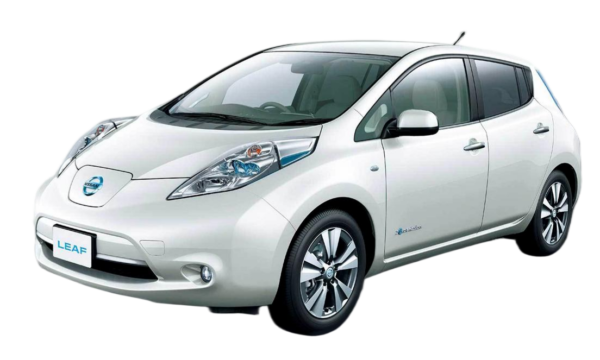
Is It Worth Bulk Leaf EV Battery for Electric Vehicle Repair?
For electric vehicle (EV) repair shops and fleet managers, the Nissan Leaf remains one of the most common vehicles rolling into service bays. As these vehicles age, battery degradation becomes a critical issue. The question isn’t just if the battery needs replacing, but how to do it profitably and sustainably.
Bulk purchasing of Leaf EV batteries isn’t just a cost-saving tactic; it’s a strategic business pivot. For repair shops, offering a full battery pack replacement transforms a struggling, low-mileage Leaf into a “new” car. However, the hesitation often lies in the upfront investment and the reliability of aftermarket solutions. Is bulk buying the key to unlocking this lucrative market?
The Hidden Costs of Ignoring Battery Replacements
Many repair shops avoid battery replacements because they perceive the cost of a new pack as too high or the process as too complex. However, the alternative is often worse.
When a Leaf owner comes in with a degraded battery, they typically have two options: spend $12,000-$16,000 at a Nissan dealership (which is often more than the car is worth) or junk the vehicle. As a repair shop, if you cannot offer a third option, you are effectively telling your customer to walk away. You lose the repair job, and the customer loses their car.
By purchasing in bulk, you can offer a solution that costs roughly 50% less than OEM prices. This turns a potential write-off into a profitable service. Instead of charging for a diagnostic and sending the customer home, you charge for a complete battery overhaul. The math is simple: bulk buying reduces your per-unit cost, allowing you to offer competitive pricing while maintaining a healthy margin.
Why Bulk Purchasing is a Game-Changer for Repair Shops
The automotive aftermarket is shifting. Shops that adapt to the EV revolution by stocking high-demand components like battery packs will thrive. Bulk purchasing specifically for Nissan Leaf models (ZE0, AZE0, ZE1) offers distinct advantages:
1. Inventory Stability and Customer Satisfaction
Stocking bulk batteries ensures you are never out of stock when a customer needs a replacement. The Nissan Leaf has specific battery configurations (40kWh, 62kWh), and lead times can frustrate customers. By having inventory on hand, you can perform the replacement immediately, increasing customer retention and satisfaction.
2. OEM-Compatible Quality at Wholesale Prices
The fear with bulk aftermarket parts is often quality. However, modern bulk battery suppliers, such as those utilizing brand-new CATL cells, provide OEM-equivalent performance. These aren’t refurbished or salvaged cells from junkyards; they are new lithium-ion modules engineered to match the original factory standards. This means the vehicle’s range and performance are restored to “like new” levels, ensuring your shop’s reputation remains intact.
3. Solving the “Battery Registration” Nightmare
One of the biggest technical hurdles in Leaf battery replacement is the software registration and BMS (Battery Management System) programming. A reputable bulk supplier doesn’t just ship boxes; they provide technical support. This includes remote video guidance and troubleshooting for the complex registration process. If you buy a bulk pack and get stuck, having an engineer on the phone (or video call) to guide you through the BMS programming is what separates a good bulk deal from a bad one.
The Technical Edge: New Cells vs. Refurbished
When considering a bulk purchase, the technical specifications matter immensely. You are not just buying a box of bricks; you are buying the heart of the vehicle.
| Feature | Refurbished/Salvaged Packs | Bulk New Cell Packs (e.g., CNS BATTERY) |
|---|---|---|
| Cell Source | Aged cells, unknown history, potential for swelling | Brand-new CATL cells, zero cycle life |
| Warranty | Often none, or very short (3-6 months) | 2 Years / 80,000 km official warranty |
| Performance | Unpredictable degradation, range anxiety | Guaranteed capacity, full range restoration |
| Safety | Risk of thermal runaway due to old cells | Ultimate safety standards, new BMS integration |
Buying bulk batteries made from new cells eliminates the “lottery” aspect of battery repair. You know exactly what you are installing, and you can back it with a substantial warranty. This is crucial for your shop’s liability and reputation.
Maximizing Profit: The “Plug and Play” Advantage
Time is money in a repair shop. The faster you can install a battery, the more jobs you can do. The best bulk battery solutions are designed for Plug-and-Play installation.
- Perfect Fit: The brackets, connectors, and wiring harnesses are designed to match the OEM specifications. There is no need for modification or “hack” wiring.
- Reduced Labor: A professional technician can install a bulk new pack in approximately 1-2 hours. This includes disconnecting the old unit, lifting out the heavy pack, and bolting in the new one.
- No Rework: Because the voltage and interface match perfectly, there is no need for post-installation fiddling with the vehicle’s software (aside from the standard registration process, which your supplier should support).
Overcoming Logistics: Shipping and Handling
A common concern with bulk buying is logistics. Batteries are heavy and classified as dangerous goods (UN 3480). However, established bulk suppliers handle this seamlessly.
They typically offer DDP (Delivered Duty Paid) services. This means the supplier manages all the customs clearance, duties, and the complex shipping regulations (IATA, IMDG). You don’t have to worry about getting a container stuck in customs. Furthermore, they use robust packaging, such as fumigation-free wooden crates, ensuring the batteries arrive undamaged, ready for your shelf.
The Verdict: Is Bulk Buying Worth It?
For the modern EV repair shop, the answer is a resounding yes. Bulk buying Nissan Leaf batteries is no longer a niche gamble; it is a necessary evolution of your service offerings.
By partnering with a manufacturer that provides new-cell technology, robust warranties, and technical support, you de-risk the investment. You transform your shop from a place that fixes brakes and tires into a facility that can resurrect electric vehicles. You capture the entire job, from diagnosis to delivery, keeping the customer loyal to your brand.
If you are ready to explore how bulk purchasing can increase your shop’s revenue and provide a sustainable solution for your Leaf customers, it is time to get a quote.
Frequently Asked Questions (FAQ)
1. How long does it take to install a bulk Nissan Leaf battery?
A professional installation typically takes 1 to 2 hours. This includes disconnecting the vehicle power, removing the old battery mounting brackets, connecting the new battery cables, testing the voltage, and running diagnostics. The process is designed to be plug-and-play, minimizing downtime for the customer.
2. What kind of warranty comes with bulk batteries?
Reputable bulk suppliers offer a 2-year / 80,000 km warranty. This coverage includes protection against defects in materials and workmanship. It also covers performance degradation, ensuring the battery maintains at least 70% capacity over the warranty period. This is significantly longer than the warranties offered on refurbished or salvaged packs.
3. Are these batteries compatible with my specific Leaf model?
Yes, but verification is key. Bulk batteries are manufactured to OEM standards to fit specific Nissan Leaf series (ZE0, AZE0, ZE1). To ensure perfect compatibility, you should provide the vehicle’s VIN code or model year to the supplier before purchasing. They will confirm the voltage, capacity, and interface matching to guarantee a perfect fit.
4. What support is available if I have trouble with the BMS registration?
Most bulk suppliers offer comprehensive technical support. This includes remote video guidance (via Zoom or similar platforms) where an engineer can walk you through the BMS programming step-by-step. They also provide high-definition installation videos and PDF manuals covering safety precautions and wiring diagrams.
5. How are the batteries shipped, and is it safe?
Lithium-ion batteries are shipped as dangerous goods (UN 3480). Suppliers handle this by partnering with carriers like DHL, FedEx, or UPS to ensure compliance with IATA (air) or IMDG (ocean) regulations. The batteries are packed in fumigation-free wooden crates to prevent damage during transit. Many suppliers also offer DDP (Delivered Duty Paid) services, meaning they handle all customs duties and clearance.
Ready to offer your customers a reliable, cost-effective battery replacement solution? Get a Free Custom Quote Now and see how bulk buying can transform your repair shop’s profitability.


