Is It Worth Buying an Affordable Nissan Leaf Battery for EV Owners?
The Nissan Leaf has been a pioneer in the electric vehicle (EV) revolution, offering reliability and efficiency for over a decade. However, as these vehicles age, owners face a critical juncture: the battery pack degrades. When the range drops from 150 miles to 70 miles, the car often ends up in a salvage yard or sits unused.
But what if you could revive your Leaf for half the price of a dealership replacement? The market is flooded with options ranging from $3,000 to $16,000. This guide explores whether an affordable Nissan Leaf battery is a smart investment or a risky gamble.
The Cost Conundrum: Why Affordability Matters
The sticker shock of a new OEM battery from a Nissan dealer is often the primary reason owners consider alternatives. A genuine replacement can easily exceed $15,000, not including labor. For a car that might be worth $6,000 on the used market, this math rarely adds up.
The Alternative: Third-party manufacturers, like CNS BATTERY, offer new lithium-ion packs starting at around $7,000 to $8,000. This price point makes economic sense. It allows owners to extend the life of a reliable vehicle without paying a premium for the “Nissan” badge.
However, affordability should never mean sacrificing quality. The key is distinguishing between a cheap, refurbished “salvage yard” pack and a new, affordable OEM-spec battery.
Refurbished vs. New: The Hidden Risks
Before deciding if an affordable battery is “worth it,” you must understand what you are buying. There are two distinct categories in the aftermarket:
- Refurbished/Salvage Packs: These are batteries pulled from wrecked cars. While they might be cheap initially, they carry the same age and degradation as the donor vehicle. They often lack robust warranties and can fail within months.
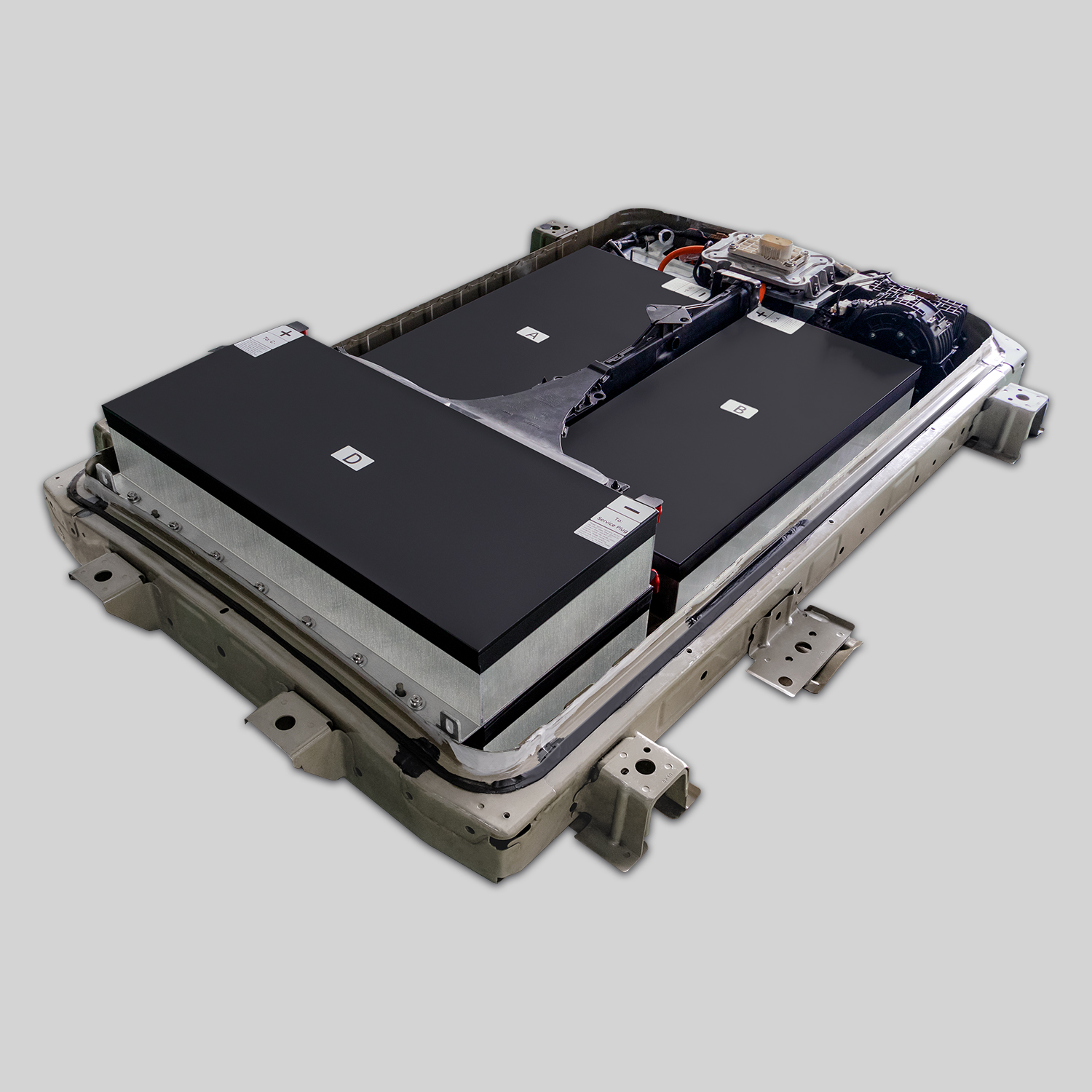
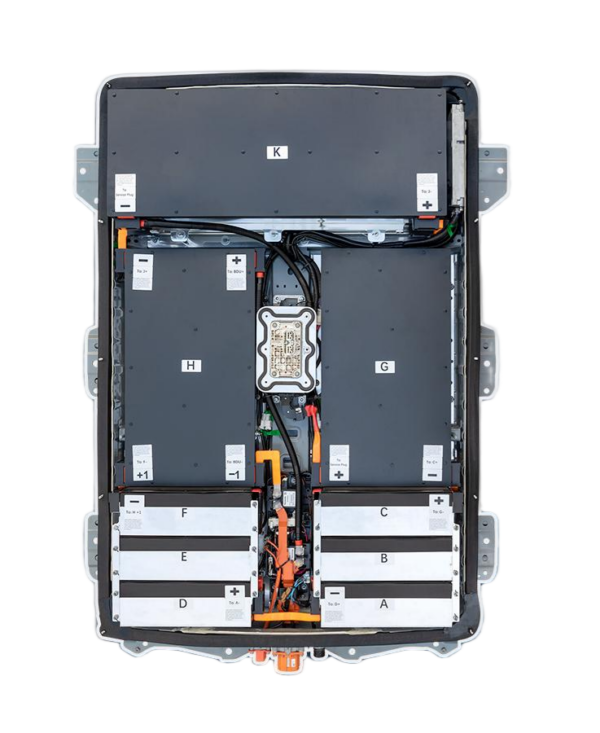
- New OEM-Compatible Packs: These are manufactured using brand-new cells (often from top-tier suppliers like CATL) and designed to meet or exceed the original factory specifications.
The Verdict: An affordable battery is only worth it if it is built with brand-new cells and adheres to strict safety standards. Buying a cheap refurbished pack is rarely worth the risk, but investing in a new, high-quality aftermarket solution is a legitimate way to save thousands.
Performance and Compatibility
A major concern for EV owners is whether an aftermarket battery will integrate seamlessly with the Vehicle Control Unit (VCU) and Body Control Module (BCM).
Modern aftermarket manufacturers have solved this through rigorous R&D. A high-quality affordable battery should offer:
- Plug-and-Play Installation: Matching the exact connectors and dimensions of the OEM pack.
- Full System Communication: The Battery Management System (BMS) should communicate flawlessly with the car’s dashboard, showing accurate State of Charge (SOC) and State of Health (SOH).
- Range Restoration: Users should see a return to the original factory range (e.g., 150+ miles for a 40kWh pack).
Warranty and Support: The Safety Net
One of the biggest reasons an affordable battery is worth it today is the warranty coverage offered by reputable manufacturers. Unlike the used car market, which offers “as-is” sales, top aftermarket brands provide substantial protection.
For instance, CNS BATTERY offers a warranty that covers 2 years or 80,000 km. This surpasses many standard industry offerings and provides peace of mind that the investment is protected against manufacturing defects.
Making the Decision
If you own a Nissan Leaf or e-NV200 and are facing battery replacement, an affordable new battery is absolutely worth considering—if you choose the right supplier.
It transforms an expensive paperweight back into a reliable daily driver. By opting for a new pack made with premium cells and backed by a solid warranty, you are not cutting corners; you are making a smart, value-driven decision.
Frequently Asked Questions (FAQ)
Q: Is an aftermarket battery safe for my Nissan Leaf?
A: Yes, if purchased from a reputable manufacturer that uses new, high-grade cells (such as CATL) and includes a robust Battery Management System (BMS). Always verify the manufacturer’s safety certifications.
Q: Will an aftermarket battery void my car’s warranty?
A: Generally, no. However, it is always best to check local regulations. A properly installed aftermarket battery should not affect unrelated systems. Some manufacturers offer VIN compatibility checks to ensure seamless integration.
Q: How much can I save compared to a dealership?
A: You can typically save 50% or more. While a dealership might charge $15,000+, a high-quality aftermarket solution can cost around $7,000–$8,000, including labor in many cases.
Q: How long does installation take?
A: Professional installation usually takes 1 to 2 hours. The process is similar to an oil change for a mechanic familiar with EVs, involving disconnecting the old pack and bolting in the new one.
Q: What models are compatible with these affordable batteries?
A: Most manufacturers support the full range of Nissan Leafs, including the ZE0, AZE0, and ZE1 platforms, as well as the e-NV200. Always confirm compatibility with your specific model year.
Ready to bring your EV back to life? Get a free custom quote for your Nissan Leaf or e-NV200 battery today.