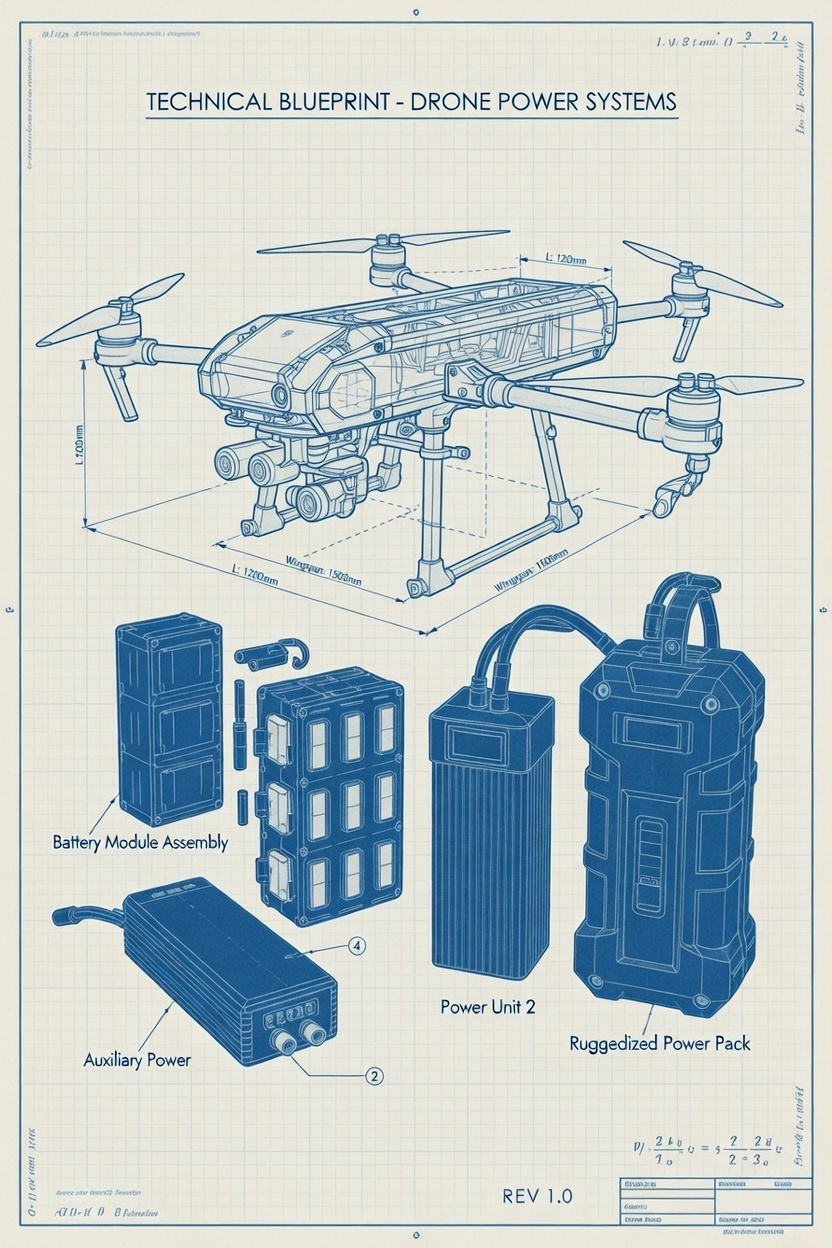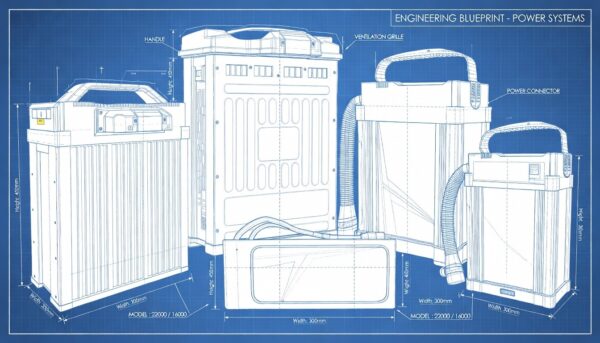
Innovative Eco-Friendly Drone Battery Solutions for Future Innovations
The drone industry is soaring—literally—yet a silent crisis threatens its sustainable growth. Current lithium-ion batteries, while powering today’s aerial marvels, generate staggering environmental costs. Every year, over 50 million tons of electronic waste floods landfills globally (UNEP, 2023), with drone batteries contributing significantly to this toxic tide. Their short lifespan (typically 300-500 cycles), slow charging, and reliance on scarce cobalt and lithium—mined with severe ecological and human rights impacts—create a bottleneck for the industry’s green future. As drone applications expand from delivery services to precision agriculture, the demand for truly sustainable power sources isn’t just an option; it’s an urgent necessity. Ignoring this challenge risks turning the skies into a symbol of environmental harm rather than progress. The good news? Breakthrough innovations in eco-friendly drone battery technology are rapidly emerging, offering a path to decarbonize aerial operations without sacrificing performance.
The Core Challenges: Why Current Batteries Fall Short
Before exploring solutions, understanding the limitations is critical. Today’s drone batteries face a triad of interconnected problems:
- Environmental Footprint: Lithium mining devastates ecosystems (e.g., water depletion in Chile’s Atacama Desert), while battery disposal releases heavy metals into soil and water. The EU estimates 70% of battery materials are lost after single use.
- Performance Constraints: Limited flight time (often 20-30 minutes), lengthy recharge times (60+ minutes), and weight restrictions cap drone utility for commercial and industrial applications.
- Resource Scarcity & Ethics: Cobalt (used in 80% of current batteries) is linked to child labor in the Democratic Republic of Congo, and lithium supply chains are vulnerable to geopolitical instability.
These challenges aren’t just ecological—they directly impact business viability. A delivery drone with a 20-minute flight time requires frequent landings and battery swaps, increasing operational costs and carbon emissions from ground transport. The industry needs batteries that are inherently sustainable, high-performing, and ethically sourced.
Pioneering Eco-Friendly Battery Technologies: Beyond Lithium
The future of drone power lies in reimagining the chemistry and design. Leading innovators are shifting focus to alternatives that prioritize circularity and efficiency:
- Sodium-Ion Batteries: Emerging as a game-changer, sodium-ion uses abundant, low-cost sodium (found in seawater) instead of lithium. Stanford researchers (2022) demonstrated sodium-ion cells achieving 90% capacity retention after 3,000 cycles—surpassing many lithium-ion batteries. They’re also safer (less prone to thermal runaway), operate effectively in extreme temperatures, and have a 50% lower carbon footprint in production. Companies like CATL are already integrating them into drone prototypes, targeting 40% longer flight times with minimal environmental cost.
- Solid-State Batteries: Replacing flammable liquid electrolytes with solid conductors, solid-state tech (e.g., from QuantumScape) offers 2-3x energy density, faster charging (15-20 minutes), and enhanced safety. Crucially, they can utilize recycled materials more effectively. A 2023 MIT study showed solid-state batteries could reduce lifecycle emissions by up to 65% compared to conventional lithium-ion, making them ideal for long-duration drone missions.
- Bio-Based & Recyclable Materials: Innovations are integrating sustainable components. Batteries using bio-polymer binders (from plant starches) and aluminum current collectors (recyclable at 95% efficiency) are entering the market. The European Battery Alliance reports that such materials can cut embodied carbon by 30% while maintaining performance. These aren’t just “greener” options—they’re engineered for end-of-life recyclability, closing the loop.
Real-World Impact: How Eco-Batteries Transform Drone Operations
The shift isn’t theoretical; it’s already delivering tangible results:
- Agricultural Monitoring: A major U.S. agribusiness replaced lithium batteries in its crop-scan drones with sodium-ion alternatives. The result? Flight time increased from 25 to 45 minutes per charge, allowing a single drone to cover 2x the farmland. Crucially, the company reduced its battery waste by 75% and cut charging downtime by 60%, boosting farmer productivity and reducing the carbon footprint of each acre surveyed.
- Urban Delivery Logistics: A European logistics startup piloting solid-state batteries in delivery drones reported a 50% reduction in battery-related ground transport emissions (due to fewer recharging stops). The drones also operated reliably in sub-zero winter temperatures—a common failure point for lithium-ion—ensuring consistent service.
- Wildlife Conservation: Conservation groups using drones for anti-poaching patrols switched to fully recyclable bio-based batteries. The extended flight times enabled longer surveillance missions without battery swaps, while the absence of toxic metals ensured safe disposal in sensitive ecosystems. The project saw a 40% increase in effective patrol coverage.
These examples prove that eco-friendly batteries aren’t a compromise—they’re a performance and sustainability upgrade.
The Path Forward: Key Actions for Industry Adoption
Adopting these innovations requires strategic action from drone manufacturers, operators, and policymakers:
- Prioritize Circular Design: Design batteries for disassembly and material recovery from the outset. Partner with recyclers like Li-Cycle or Redwood Materials to establish take-back programs.
- Invest in R&D for Scalable Alternatives: Allocate R&D budgets towards sodium-ion and solid-state tech, focusing on cost reduction and energy density. The EU’s Battery Regulation 2023 mandates 12% recycled content by 2030—early movers will gain a competitive edge.
- Demand Transparency: Require suppliers to provide full lifecycle assessments (LCA) and ethical sourcing certifications (e.g., IRMA for cobalt). Certifications like the Cradle to Cradle standard ensure true environmental and social accountability.
- Collaborate on Infrastructure: Work with energy providers to integrate drone charging stations powered by renewable energy (solar/wind), maximizing the carbon benefits of new battery tech.
Embrace the Sustainable Sky: Your Next Step
The drone revolution can be a beacon of environmental innovation—if we power it with the right technology. The shift from lithium-dependent batteries to truly eco-friendly alternatives isn’t just possible; it’s accelerating. Companies leading this charge are already seeing improved operational efficiency, reduced costs, and enhanced brand reputation among environmentally conscious clients.
Don’t just watch the future of drone power—build it. Explore how cutting-edge eco-friendly drone battery solutions can transform your operations. Our team of battery specialists works with leading drone manufacturers and operators to implement sustainable power systems tailored to your specific needs, from agricultural monitoring to urban logistics. Discover the performance, reliability, and environmental benefits of next-generation drone batteries.
Ready to power your drones responsibly? Request a custom solution and consultation today.
👉 Explore Sustainable Drone Battery Options Now
Join the movement where innovation meets responsibility. The sky is the limit—when your power source is truly sustainable.