How to Upgrade Nissan Leaf Battery on a Budget: New Packs
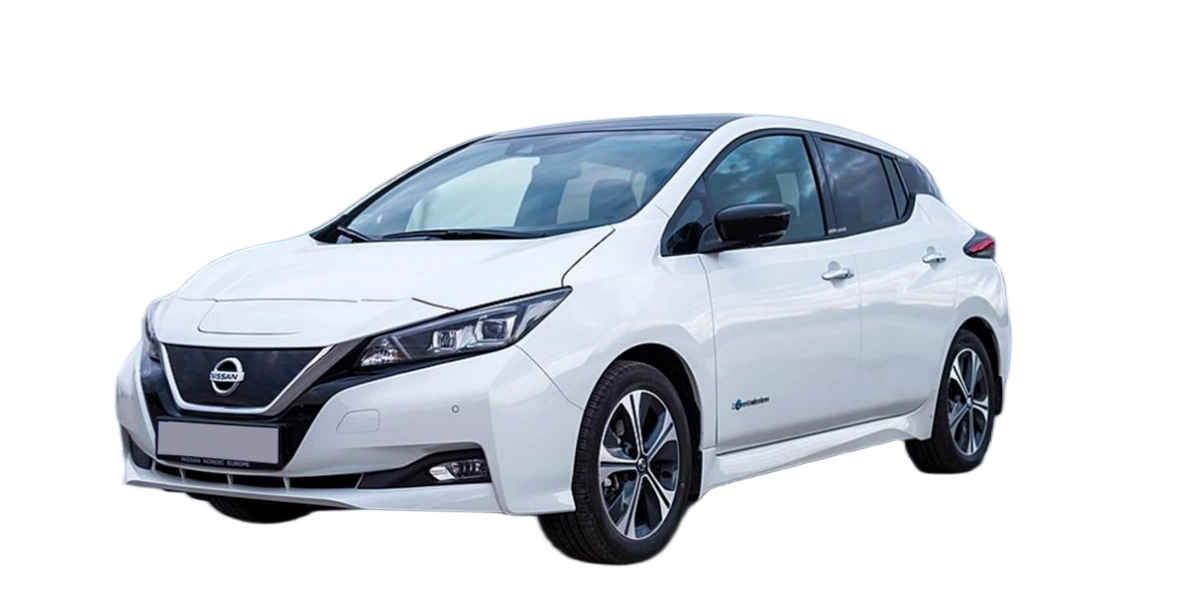
Owning a Nissan Leaf is a smart choice for eco-conscious drivers, but battery degradation over time is an inevitable reality. When the range drops from a comfortable 150 miles to a stressful 70 miles, the decision to upgrade your Nissan Leaf battery becomes critical. However, the price tag from the original manufacturer (often exceeding $10,000) can be a dealbreaker.
This guide is for Leaf owners who want to revive their car’s range without breaking the bank. We will explore how to source brand-new battery packs that meet OEM standards but cost 50% less than the dealership, specifically focusing on the ZE0, AZE0, and ZE1 models.
Why You Should Consider an Upgrade Now
If you drive a Nissan Leaf ZE0 (2011-2017), AZE0 (2018-2022), or ZE1 (2023+), you likely face two options: buy a used battery with unknown health or pay a fortune for a new one.
- The Used Battery Trap: Many budget buyers turn to refurbished or used packs. While cheaper upfront, these often use degraded cells, leading to rapid capacity loss, swelling, or safety hazards within months.
- The Budget Solution: A brand-new Nissan Leaf battery pack from a specialized aftermarket manufacturer offers the durability of a new system at half the price.
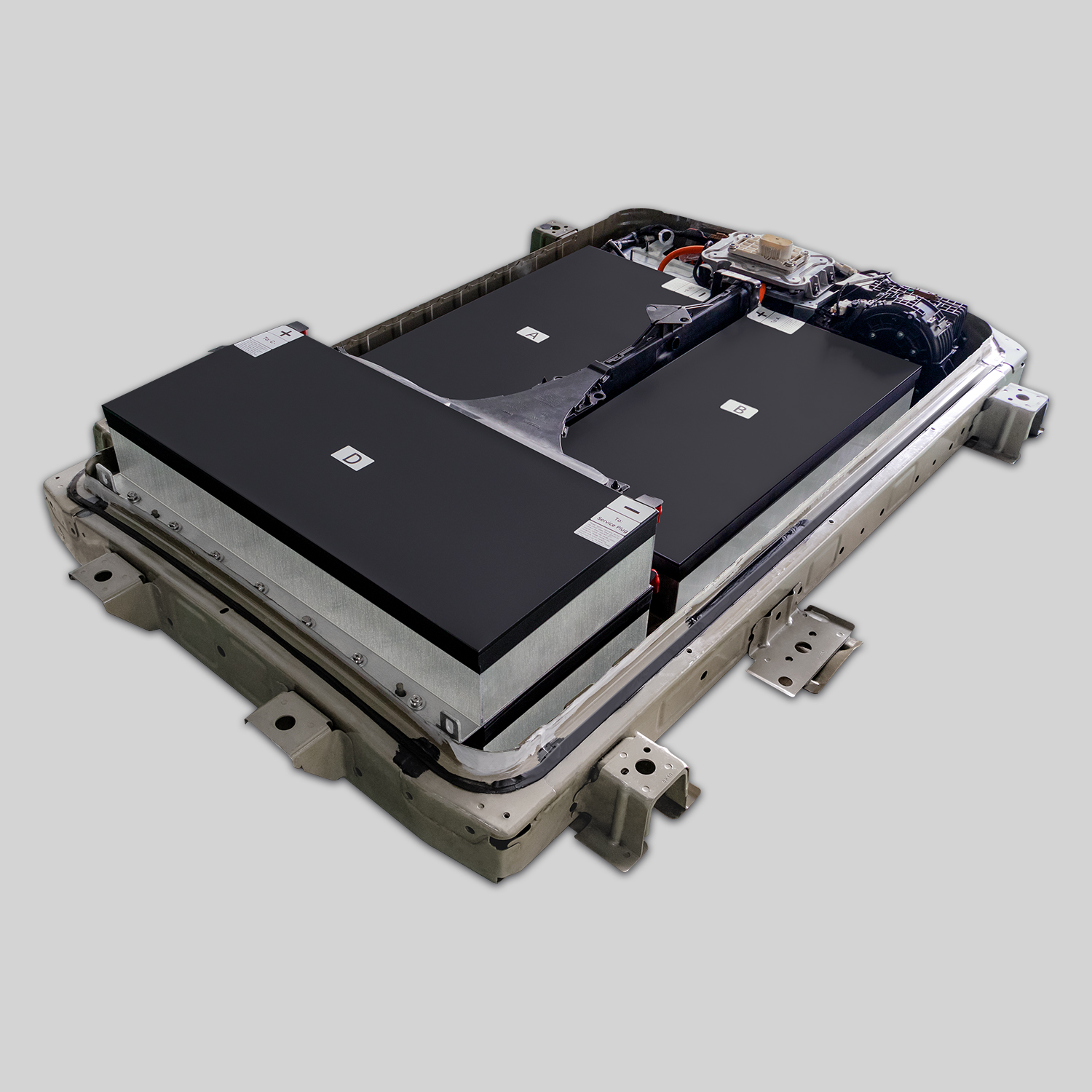
Upgrading isn’t just about cost; it is about safety and performance. New packs utilize fresh CATL (Contemporary Amperex Technology) cells, known for their thermal stability and energy density.
Choosing the Right Model: ZE0, AZE0, or ZE1?
Not all Nissan Leaf batteries are interchangeable. To ensure a seamless battery replacement, you must match the pack to your specific chassis code.
Compatibility Guide:
| Model Code | Production Years | Compatible Battery Packs |
|---|---|---|
| Leaf ZE0 | 2011 – 2017 | 24kWh, 30kWh, 40kWh, 62kWh |
| Leaf AZE0 | 2018 – 2022 | 40kWh, 62kWh |
| Leaf ZE1 | 2023 – Present | 40kWh, 62kWh |
Key Insight: The ZE1 model often requires specific software compatibility. When sourcing a new pack, ensure the supplier provides BMS (Battery Management System) programming support to match the new hardware to your vehicle’s computer. This is a crucial step often overlooked in DIY upgrades.
The Cost Breakdown: Saving 50% Without Sacrificing Quality
One of the biggest myths in the EV aftermarket is that “cheap” means “dangerous.” This isn’t always true if you source directly from the manufacturer.
A typical OEM Nissan replacement can cost between $8,000 and $16,000, depending on the region and capacity. In contrast, a new aftermarket pack designed for the Nissan Leaf offers significant savings:
- Price Point: Expect to pay roughly 50% less than the dealership.
- Quality Control: Reputable suppliers use the same A-grade cell chemistry (like CATL) but without the massive dealer markup.
- Warranty: Look for providers offering a 2-year or 80,000km warranty. This is a standard benchmark for reliability in the aftermarket industry.
By choosing a new pack over a used one, you avoid the “middleman miles.” A used battery might have already lost 20-30% of its capacity, whereas a new pack starts at 100% and can last for hundreds of thousands of miles.
The Installation Process: DIY or Professional?
Installing a new Nissan Leaf battery is often described as “Plug and Play,” but there is more to it than just bolting in a box.
- Physical Fit: The aftermarket packs are designed to fit the OEM dimensions perfectly. You do not need to modify the chassis, brackets, or wiring harnesses.
- Software Integration: This is the most technical part. The new Battery Management System (BMS) needs to communicate with the car’s Vehicle Control Unit (VCU). This usually requires specific programming tools or dongles.
- Time Required: For a professional mechanic, the physical swap takes about 1-2 hours. For a DIY enthusiast with the right tools (and a video guide), it is manageable over a weekend.
Pro Tip: If you are doing this yourself, watch the installation tutorials provided by the manufacturer first. Ensure you have insulated tools and follow the safety protocol to disconnect the 12V battery before starting.
Real User Experience: Upgrading from 40kWh to 62kWh
Many Leaf owners find that their old 24kWh or 40kWh batteries no longer suffice. A popular budget hack is to upgrade the capacity during the replacement.
- The Scenario: Mark T. from California had a 2015 ZE0 with a degraded 40kWh pack. Instead of replacing it with another 40kWh, he upgraded to a 62kWh lithium battery pack.
- The Result: His cost was under $8,000 (half the OEM price), and his range jumped from a degraded 120km to a full 430km.
- The Verdict: “It was plug-and-play,” Mark reported. “The BMS programming was successful on the first try, and now the car feels brand new.”
This upgrade path is only possible with a brand-new pack, as used batteries rarely offer the option to increase capacity beyond the original factory spec.
Safety First: Avoiding Counterfeit Cells
When shopping for a “budget” battery, the biggest risk is receiving counterfeit or B-grade cells. These can overheat or catch fire.
To ensure safety:
- Verify the Source: Only buy from manufacturers that disclose their cell origin (e.g., CATL, LG, or Samsung).
- Check Certifications: Look for UN38.3 certification for lithium batteries, which proves they have passed rigorous safety tests for transport and operation.
- Warranty Terms: A company confident in its product will offer a substantial warranty. If the warranty is vague or short (e.g., 30 days), walk away.
Frequently Asked Questions (FAQ)
Q1: Can I install a new Nissan Leaf battery myself?
Yes, many owners successfully perform DIY installations. The process is physically straightforward (removing bolts and connectors), but it requires strict adherence to high-voltage safety protocols. Most importantly, you will need to reprogram the BMS. Reputable suppliers offer video call support or detailed manuals to guide you through the software handshake between the battery and the car.
Q2: How much range will I get after upgrading to a new 40kWh or 62kWh pack?
A brand-new 40kWh pack typically restores your range to approximately 240-260 km (150 miles), while a 62kWh pack can achieve 340-400 km (240 miles) under normal driving conditions. This is a massive improvement over a degraded old battery, which might only offer 100-150 km.
Q3: Is there a warranty on these new aftermarket batteries?
Yes. Reputable aftermarket manufacturers offer warranties comparable to OEM standards. For instance, a standard warranty covers 2 years or 80,000 km, protecting against defects in materials and workmanship. Some even cover capacity retention, guaranteeing the battery maintains at least 70% health over the warranty period.
Q4: How long does shipping take for international customers?
Due to the nature of lithium batteries (classified as dangerous goods), shipping times vary. Air freight is fast but expensive, while sea freight is economical but takes 4-8 weeks. Many manufacturers offer DDP (Delivered Duty Paid) services, handling customs clearance so the battery arrives at your door without import hassles.
Ready to give your Nissan Leaf a second life with a brand-new, budget-friendly battery? Don’t let high dealership prices stop you from enjoying long-range electric driving.
Get a Free Custom Quote for your Nissan Leaf Battery today.