How to Upgrade Nissan Leaf Battery Modules: Step-by-Step Guide (2026)
Are you looking to upgrade your Nissan Leaf battery modules to boost range, replace degraded cells, or enhance performance—but worried about compatibility, safety, or improper installation? Unlike full battery pack swaps, upgrading individual Nissan Leaf battery modules offers a cost-effective way to revitalize your EV, especially for older ZE0/AZE0 models with 24kWh/30kWh packs. However, module upgrades demand precision: mismatched modules, incorrect voltage, or poor cell balancing can lead to thermal runaway, shortened lifespan, or damage to the Leaf’s BMS. As CNS BATTERY experts, we’ve crafted a comprehensive guide to safe, effective module upgrades—covering pre-checks, tools, step-by-step procedures, and critical pitfalls to avoid. This guide empowers you to upgrade with confidence, whether you’re a DIY enthusiast or working with a professional.
Pre-Upgrade Essentials: Compatibility & Preparation
Successful Nissan Leaf battery module upgrades start with thorough preparation. Skipping these steps risks costly mistakes and safety hazards—prioritize compatibility and safety first.
1. Module Compatibility Checks
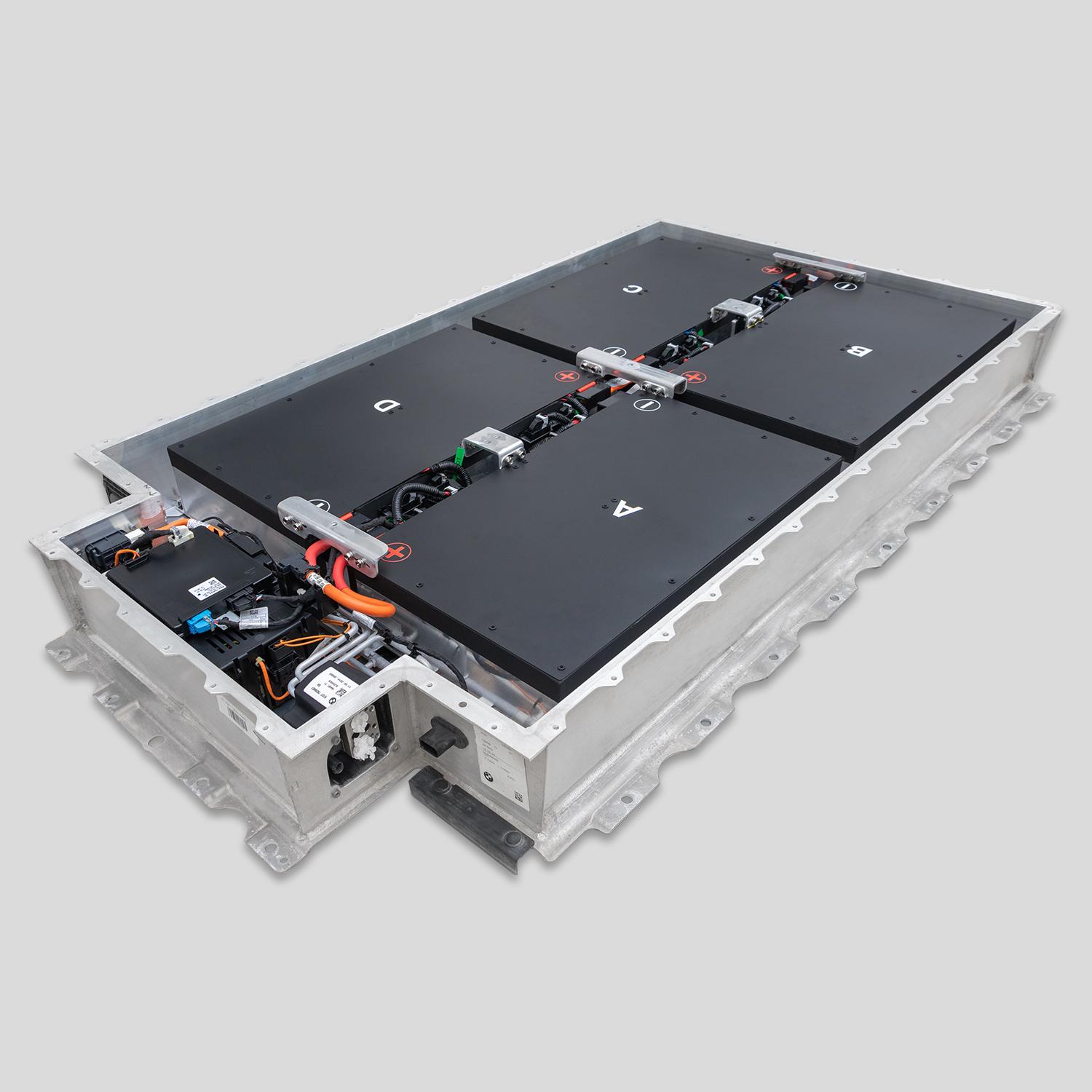
The Leaf’s battery pack consists of multiple modules (e.g., 24kWh packs have 48 modules, 30kWh packs have 60 modules). Ensure new modules meet these non-negotiable criteria:
-
Voltage Consistency: New modules must match the原车 module voltage (3.6V per cell, 12-cell modules = 43.2V). Never mix voltages—even a 0.5V difference can damage the BMS and cause cell imbalance.
-
Capacity Matching: Module capacity (Ah) must align with the existing pack (e.g., 24kWh modules are 50Ah, 30kWh are 62.5Ah). Mismatched capacities lead to uneven charging/discharging and premature failure.
-
Cell Type Alignment: Stick to the same cell chemistry as the original (NCM for OEM, LFP for upgrades). Mixing NCM and LFP modules disrupts charging protocols and thermal management.
-
Certification: Choose CNS BATTERY modules certified to UN38.3 and IEC 62133 standards—avoid untested “refurbished” modules with unknown cell health.
2. Tools & Safety Equipment
Gather these tools to ensure safe, precise module handling and installation:
-
Safety Gear: 1000V-rated insulated gloves, safety glasses, Class D fire extinguisher (for lithium-ion incidents), and non-conductive work boots.
-
Mechanical Tools: Torx screwdriver set (T20-T40), socket wrench (10-19mm), torque wrench (20-45 N·m), and anti-static mat to prevent ESD damage.
-
Electrical Tools: Multimeter (to test module voltage), cell balancer (for post-installation balancing), and insulating tape.
-
Specialized Items: Battery pack opening tool (to access modules), module lifting straps (to avoid cell damage), and CNS module alignment guide.
Step-by-Step Guide to Upgrade Nissan Leaf Battery Modules
Follow these steps for ZE0/AZE0 models (2011-2019); ZE1 models (2020+) have sealed packs and require professional module access. Always disconnect high-voltage power before starting.
Step 1: Disconnect High-Voltage Power
-
Park the Leaf on level ground, turn off the ignition, and engage the parking brake. Disconnect the 12V battery (negative terminal first) and wait 10 minutes to discharge high-voltage capacitors—critical to avoid electric shock.
-
Lift the vehicle with a 3-ton hydraulic jack and secure it with jack stands. Remove the underbody covers (10-12 bolts) to access the battery pack.
Step 2: Remove the Battery Pack & Access Modules
-
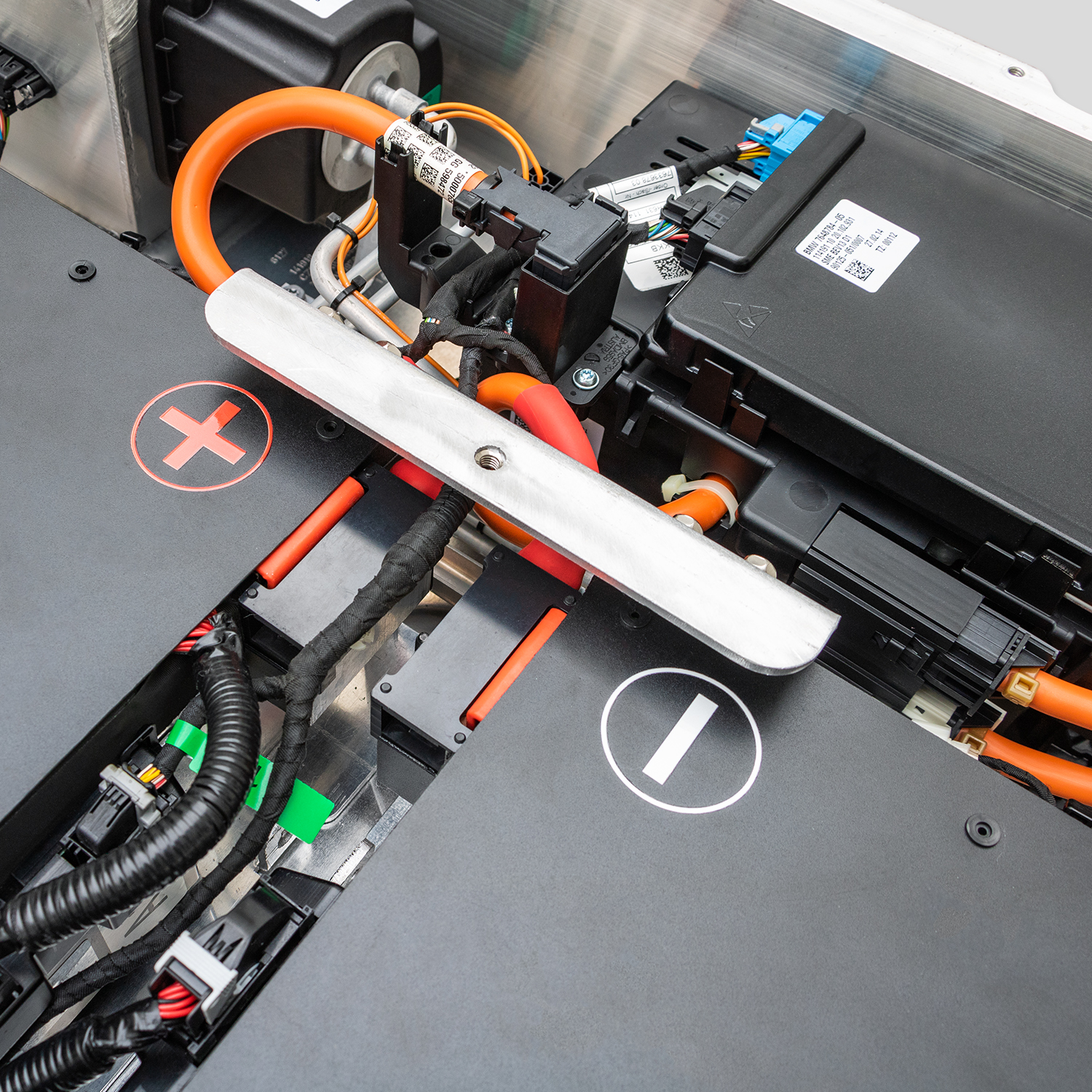
Disconnect the orange high-voltage wiring harness (press the release tab) and label all connectors to avoid mix-ups. Remove the battery pack mounting bolts (6-8 bolts, 55 N·m torque) in a crisscross pattern.
-
Use a battery lifting hoist to carefully remove the pack (115-130kg) and place it on an anti-static mat. Open the pack’s top cover using a Torx screwdriver—avoid prying to prevent damage to module connectors.
Step 3: Replace Degraded Modules
-
Identify degraded modules using a multimeter—modules with voltage below 41V (for 43.2V modules) or capacity loss over 20% need replacement. Mark these modules for removal.
-
Disconnect the module wiring harnesses (color-coded for clarity) and remove the mounting screws (20 N·m torque). Lift out old modules with straps—never grip cells directly.
-
Install CNS BATTERY modules, aligning them with the pack’s mounting points. Secure with screws and torque to 20 N·m. Reconnect wiring harnesses—listen for a click to confirm a secure fit.
-
For partial upgrades (replacing 10-20% of modules), ensure new modules are distributed evenly across the pack to maintain balance—avoid clustering new modules in one section.
Step 4: Cell Balancing & BMS Calibration
-
Connect a cell balancer to the pack’s BMS port and run a balancing cycle (2-3 hours). This ensures all modules charge/discharge uniformly, preventing overcharging of individual cells.
-
Use a Leaf-specific diagnostic tool (e.g., CONSULT-4 or CNS BMS tool) to calibrate the BMS. Update the system to recognize new module capacities—this eliminates range miscalculations and optimizes charging.
Step 5: Reassemble & Test
-
Replace the battery pack’s top cover and torque screws to 15 N·m. Use the lifting hoist to reinstall the pack, securing mounting bolts to 55 N·m in a crisscross pattern.
-
Reconnect the high-voltage harness and 12V battery (positive terminal first). Reinstall underbody covers and lower the vehicle.
-
Test the system: Turn on the ignition and check for error codes. Charge the battery to 100% (Level 2 charger) and monitor module voltages—consistent readings (±0.1V) indicate successful balancing. Take a 10km test drive to verify regenerative braking and performance.
Why Choose CNS BATTERY Modules for Your Leaf Upgrade
Upgrading with CNS BATTERY modules delivers unmatched value and peace of mind, outperforming generic modules and OEM replacements:
1. Leaf-Specific Engineering
Our modules are precision-engineered for all Leaf generations, matching OEM dimensions, voltage, and BMS protocols. Unlike generic modules, they integrate seamlessly with the Leaf’s passive thermal management system, reducing degradation risks.
2. Premium Cell Quality & Durability
CNS modules use Grade A LFP cells (3,000+ charge cycles) with built-in overcharge/overdischarge protection. They undergo 100% voltage and capacity testing, ensuring consistent performance and a 8-10 year lifespan—double that of refurbished modules.
3. Comprehensive Support & Value
Our modules include free BMS calibration tools and step-by-step guides. We also offer core credits ($50-$100 per usable old module) and help you claim 2026 eco-rebates ($200-$800), lowering upgrade costs. Our 24/7 support team resolves module-specific issues faster than general EV shops.
Frequently Asked Questions (FAQ) About Nissan Leaf Battery Module Upgrades
Q1: Will upgrading battery modules void my Leaf’s warranty?
Most 2011-2019 Leafs are out of Nissan’s 8-year warranty. Our modules include documentation to protect non-battery components (motor, electronics) if warranty remains. Uncertified modules may void coverage, so choose CNS’s certified options.
Q2: Can I mix new and old modules?
Yes, but only if old modules have ≥80% capacity and matching voltage/capacity. Mixing degraded and new modules causes imbalance—we recommend replacing 100% of modules if 30%+ are degraded, for long-term reliability.
Q3: Is DIY module upgrade safe?
DIY is possible with the right tools and safety gear, but high-voltage risks exist. We recommend professional installation for first-timers. Our modules include detailed guides, and we offer mobile service for added safety.
Q4: How much does a module upgrade cost?
CNS modules cost $80-$120 per module (depending on capacity). A full 24kWh pack upgrade (48 modules) totals $3,840-$5,760—40% cheaper than a full pack swap. Partial upgrades (10-15 modules) cost $800-$1,800.
Q5: Do module upgrades fix range degradation?
Absolutely. Degraded modules are the primary cause of Leaf range loss. Upgrading with CNS modules restores original range (160km-250km WLTP) and reduces future degradation, thanks to LFP cells’ thermal stability.
Upgrade Your Nissan Leaf Battery Modules with Confidence
Upgrading Nissan Leaf battery modules is a smart, cost-effective way to extend your EV’s lifespan and range—when done right. CNS BATTERY’s Leaf-specific modules, expert guidance, and comprehensive support ensure a safe, reliable upgrade that outperforms generic alternatives.
Visit https://cnsbattery.com/nissan-leaf-battery/, get an exclusive discount on our battery modules and consult our experts for a personalized upgrade plan. Our team will test your module health for free, maximize core credits, and help you revitalize your Leaf efficiently.