
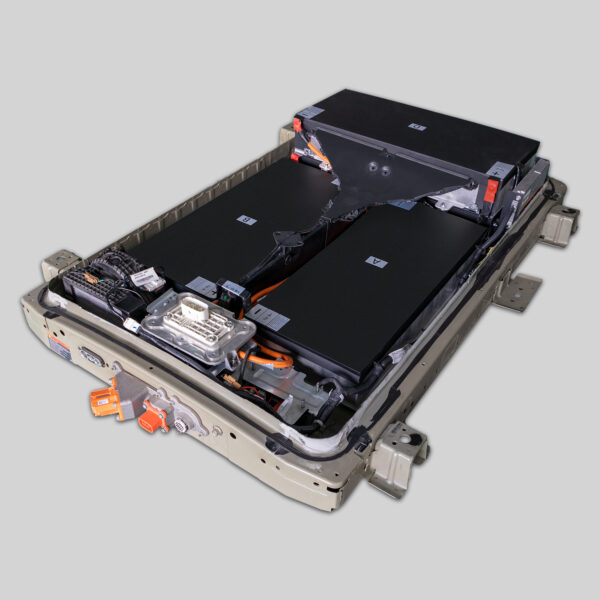
⚡ The Ultimate Upgrade Guide: e-NV200 NMC Battery vs. Muxsan (2026 Edition)
Are you facing the frustrating dilemma of a degraded Nissan e-NV200 battery? You’re not alone. As a dedicated specialist in electric vehicle (EV) powertrains, I often hear from fleet managers and owners who are stuck between the rock of expensive OEM replacements and the hard place of unreliable aftermarket options.
One specific question I get frequently is the comparison between the standard Nissan e-NV200 NMC (Lithium Nickel Manganese Cobalt Oxide) battery and alternatives like Muxsan. In this deep dive, I will break down the technical differences, performance longevity, and cost-effectiveness of upgrading your e-NV200 with a premium NMC solution, specifically focusing on why high-grade cells outperform generic brands.
⚙️ Understanding the Core Difference: NMC vs. Generic
To understand why an upgrade matters, we must look at the chemistry and sourcing.
The stock Nissan e-NV200 typically uses a 24kWh or 30kWh NMC battery. NMC chemistry is renowned in the industry for its balance of energy density, safety, and thermal stability. However, not all NMC cells are created equal.
1. The “Muxsan” Category: A Generic Benchmark
When users mention “Muxsan” or similar brands, they are often referring to generic, mass-produced aftermarket solutions. These batteries usually fall into one of two categories:
- Refurbished Units: Old, degraded cells repackaged to look new. They often lack proper Battery Management Systems (BMS).
- Low-Grade New Cells: Manufactured by smaller, uncertified factories without rigorous quality control.
The Problem: These generic units often use “B-grade” or recycled cells. The result is a rapid drop in capacity (sometimes within 6 months), overheating issues, and a severe lack of after-sales support.
2. The Premium NMC Standard: CATL & Tier-1 Quality
At the other end of the spectrum is the high-performance NMC solution, such as the one we engineer at our facility. We utilize brand-new, A-grade cells from CATL (Contemporary Amperex Technology Co. Limited), the world’s largest lithium-ion battery manufacturer.
Why CATL NMC Wins:
- Consistency: Every cell is manufactured to the same microscopic tolerance, ensuring balanced charging and discharging.
- Cold Weather Performance: NMC chemistry handles low temperatures better than LFP (Lithium Iron Phosphate), which is crucial for European and North American winters.
- Longevity: Premium NMC cells can withstand 3,000+ charge cycles while maintaining 70%+ capacity, compared to 500-800 cycles for generic cells.
📊 The 2026 Comparison: Performance Breakdown
Let’s put these two options side-by-side to see how they truly stack up for your e-NV200.
| Feature | Generic “Muxsan” Type | Premium NMC Upgrade (e.g., CNS Solution) |
|---|---|---|
| Cell Source | Unknown / Recycled / B-Grade | Brand New CATL A-Grade Cells |
| Capacity Retention | Drops to 50% in <1 year | Maintains 70%+ after 2-3 years |
| Warranty | Often None, or 6 Months | 2 Years / 80,000 km |
| BMS Intelligence | Basic (Often causes cell imbalance) | Advanced OEM-Level BMS (Prevents swelling) |
| Real-World Range | 100-120 km (degrades fast) | 240-340 km (Stable) |
| Price Value | High risk of “throwing money away” | 50% cheaper than OEM, 200% better quality |
💡 The Hidden Cost of “Cheap”
Choosing a generic “Muxsan” style battery might save you $1,000 upfront. However, if that battery fails in 6 months, you are not only out the purchase price, but you also face:
- Downtime: Your vehicle (or fleet) is out of commission.
- Double Labor Costs: You have to pay to install the bad battery and then pay again to remove it and install a new one.
- Safety Risks: Poorly managed generic cells are prone to thermal runaway (swelling or fire).
🚀 The Upgrade Path: Maximizing Your e-NV200’s Potential
If you are looking at an upgrade, simply replacing like-for-like is not always the best strategy. Based on our 10+ years of R&D, here is how to truly revitalize your e-NV200.
1. The “Like-for-Like” Refurbishment
If your vehicle is a classic or you need to maintain original specifications, we recommend a 40kWh or 50kWh NMC upgrade using new CATL cells.
- Benefit: You regain the original driving characteristics of the car, but with modern, safe, and durable chemistry.
- Result: Smooth acceleration, perfect integration with the OEM dashboard, and no error codes.
2. The “Long Range” Conversion
For delivery drivers or those needing maximum uptime, we often suggest a capacity bump.
- The Solution: Installing a 62kWh NMC Lithium Pack.
- The Impact: This effectively doubles the range of the original 24kWh model. While it requires minor structural awareness due to weight, the performance gain is staggering—taking you from a city commuter to a regional runner.
3. Why the BMS is the “Brain” of the Operation
A common failure point in generic batteries is the Battery Management System (BMS). Our upgraded e-NV200 NMC batteries feature a programmable, adaptive BMS.
- Real-Time Monitoring: It communicates seamlessly with your Nissan’s CAN bus system.
- Safety Protocols: It automatically cuts power during short circuits or over-voltage, a feature often missing in cheaper alternatives.
🛡️ Trust and Support: The Non-Negotiables
As an industry expert, I cannot stress enough how important post-purchase support is in the EV battery market.
When you choose a premium NMC upgrade, you are not just buying hardware; you are buying peace of mind.
- Warranty Coverage: We offer a 2-year / 80,000 km warranty, which is significantly longer than the standard 1-year offered by most generic suppliers (if they offer any at all).
- Technical Backing: We provide video call installation guidance. If you get stuck wiring the pack, an engineer is on the other end of a camera to guide you, something a faceless “Muxsan” reseller cannot provide.
📝 Conclusion: Making the Smart Investment
In the battle of the e-NV200 NMC Battery vs. Muxsan (Generic), the choice is clear. While the generic route might look tempting on a price sheet, the risk of failure, safety hazards, and lack of support makes it a false economy.
Upgrading to a premium NMC solution means investing in safety, range, and durability. It means getting back the vehicle performance you originally paid for, without the exorbitant cost of a new Nissan OEM pack.
If you are ready to eliminate your range anxiety and ensure your e-NV200 runs reliably for another 100,000 kilometers, it is time to consider a professional-grade NMC upgrade.
Don’t gamble with your vehicle’s heart. Get a free quote today and speak to our technical experts about the best NMC upgrade path for your e-NV200.
Get Your Free Custom Quote Now
❓ Frequently Asked Questions (FAQ)
1. Can I install a new NMC battery myself, or do I need a mechanic?
While the physical installation of the battery pack is often a “Plug-and-Play” process (removing bolts and connecting cables), the BMS programming and system integration usually require specialized knowledge. We provide detailed video tutorials and even offer remote video guidance to ensure a safe and correct setup. If you are not technically inclined, we strongly recommend using a certified EV mechanic.
2. How much does an e-NV200 battery upgrade cost compared to the original?
A brand-new OEM Nissan e-NV200 battery can cost upwards of $12,000 to $16,000. Our premium NMC upgrade solutions start at roughly 50% less than the OEM price, offering the same safety and performance standards without the brand premium markup.
3. What is the lifespan of a new NMC battery compared to a used/refurbished one?
A premium NMC battery (using A-grade CATL cells) is designed to last for 3,000+ charge cycles, translating to approximately 8-10 years of daily use while maintaining over 70% capacity. In contrast, a refurbished or generic “Muxsan” type battery often degrades to unusable levels within 6 months to 1 year due to cell imbalance and poor thermal management.
4. Is the upgrade compatible with my specific e-NV200 model year?
Yes, but compatibility depends on the specific chassis and voltage requirements. We support a wide range of models, including the e-NV200 (2014-2023). To guarantee a perfect fit, we offer a free VIN compatibility check. Simply contact our team with your Vehicle Identification Number, and we will confirm the exact specifications needed for your vehicle.
5. How long does shipping take, and is it safe?
We ship globally using DDP (Delivered Duty Paid) services via partners like DHL and FedEx. Due to the hazardous nature of lithium batteries (UN 3480), shipping requires special compliance. Standard shipping to most international destinations takes 4-8 weeks via sea freight (the safest method for large packs), or 1-2 weeks via air freight for smaller modules. All our batteries are packaged in fumigation-free wooden crates to prevent damage.


