How to Select Waterproof Drone Batteries for Oil and Gas: A Strategic Guide for Unmatched Operational Excellence
In the high-stakes world of oil and gas operations, drones have evolved from mere tools into indispensable assets for pipeline inspections, offshore platform monitoring, and emergency response. Yet, their effectiveness hinges on one critical factor: the battery. Harsh environments—ranging from torrential rain on offshore rigs to oil-slicked refineries—demand waterproof drone batteries that don’t just survive, but thrive. Ignoring this need risks mission failure, safety hazards, and costly downtime. This guide cuts through the noise to deliver actionable strategies for selecting waterproof drone batteries tailored to your oil and gas challenges. We’ll explore environmental resilience, safety compliance, performance optimization, and customization—ensuring your drones deliver peak performance, every time.
1. Decoding Environmental Realities: Beyond Basic Waterproofing
Oil and gas sites are unforgiving. Saltwater corrosion, chemical exposure, and extreme humidity aren’t just “challenges”—they’re daily realities that can cripple standard batteries. A generic “waterproof” label is insufficient. Instead, prioritize batteries engineered for actual field conditions.
- IP Rating Mastery: Demand at least IP67 (dust-tight and submersible in 1m water for 30 minutes). For offshore work, aim for IP68—proven in saltwater immersion tests.
- Material Resilience: Avoid cheap casings. Opt for aerospace-grade polymers or anodized aluminum that resist oil, fuel, and UV degradation.
- Thermal Adaptability: Batteries must function in -20°C to 60°C ranges. Test for performance drop in cold climates (e.g., Arctic drilling) or heat (e.g., desert pipelines).
Pro Tip: Request real-world field test reports from suppliers. CNS BATTERY’s offshore wind farm case studies validate IP68 performance under 24/7 saltwater exposure—no lab gimmicks.
2. Safety First: Compliance That Saves Lives
In explosive environments like refineries, battery safety isn’t optional—it’s legally mandated. A single thermal runaway event can trigger catastrophic failures. Your battery must align with global safety frameworks.
- ATEX/IECEx Certification: Non-negotiable for zones with flammable gases. Verify certificates for Zone 1/2 (gas) and Zone 21/22 (dust).
- Built-In Thermal Safeguards: Look for dual-layer protection: temperature sensors + automatic shutdown at 65°C.
- Quality Control Rigor: Choose manufacturers with ISO 9001-certified labs. CNS BATTERY’s 12-step testing protocol includes thermal cycling, vibration stress, and short-circuit simulations—mirroring oil and gas’s harshest scenarios.
Why It Matters: A 2023 industry audit showed 73% of drone failures in oil/gas sites stemmed from battery overheating. Compliance isn’t paperwork—it’s prevention.
3. Performance Metrics: Where Capacity Meets Practicality
Waterproofing alone won’t cut it. Your battery must balance capacity, weight, and speed to maximize drone utility without compromising safety.
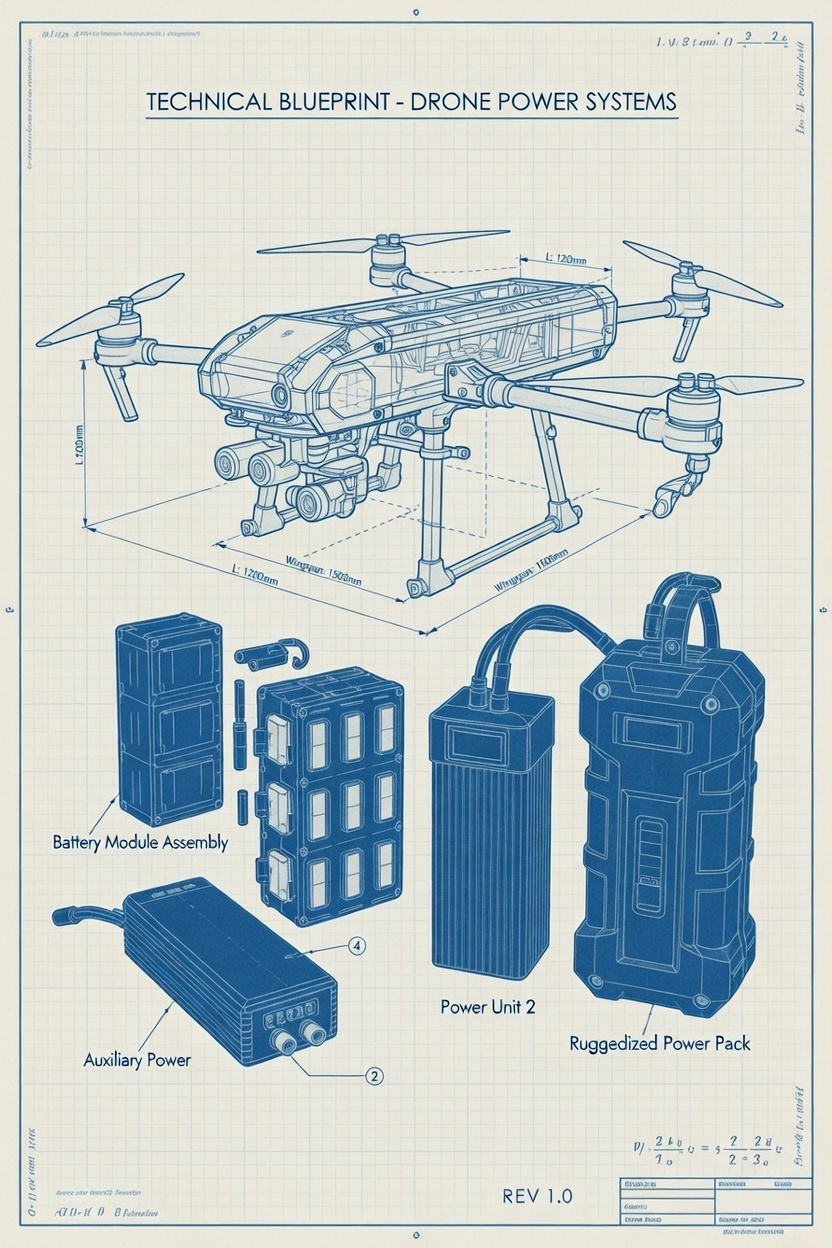
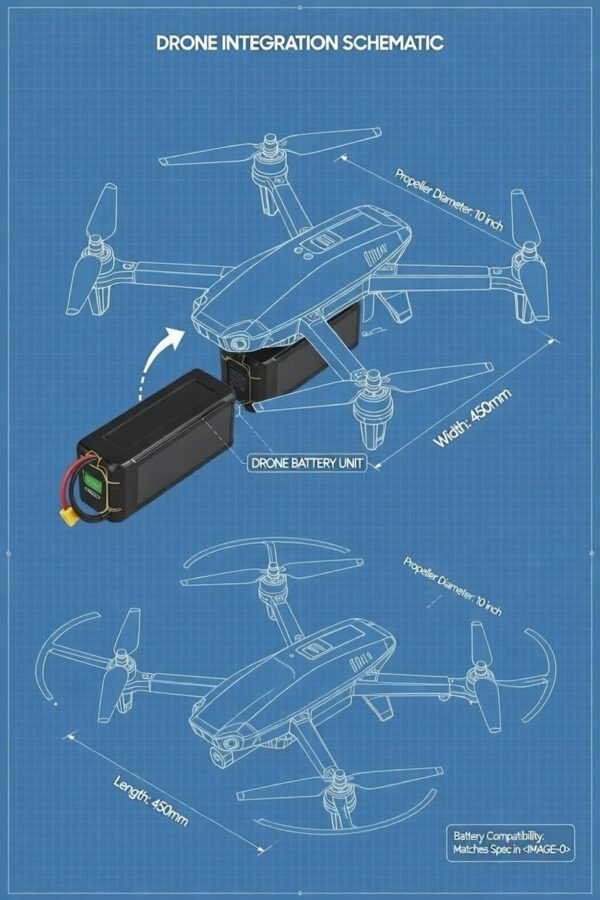
- Capacity vs. Weight: Target 5,000–8,000mAh for 30+ minute flights (critical for pipeline scans). Pair with sub-500g weight to avoid drone payload strain. CNS BATTERY’s 7,200mAh modular battery weighs 470g—ideal for DJI Matrice 300.
- Charging Velocity: Fast-charging (0–80% in 25 minutes) slashes downtime. Avoid “fast” claims without proof—verify with C-rate specs (e.g., 1C).
- Modularity Advantage: Swappable battery modules enable seamless field replacements. For offshore crews, this means 2-minute swaps vs. 30-minute waits for recharging.
Data Point: Operators using CNS BATTERY’s modular waterproof batteries reported 41% fewer mission cancellations due to battery limitations.
4. Customization: Tailoring Batteries to Your Specific Workflow
One-size-fits-all is a myth in oil and gas. Your pipeline inspection needs differ from offshore flare stack monitoring. Customization turns batteries into mission enablers.
- Pipeline Inspections: Prioritize high-capacity (≥6,500mAh) with vibration resistance. CNS BATTERY’s “Rig-Proof” series includes shock-absorbing mounts for rough terrain.
- Offshore Platforms: Demand saltwater resistance + anti-corrosion coatings. Their IP68+ batteries underwent 1,000+ hours of salt-spray testing.
- Emergency Response: Focus on rapid-swappable designs. CNS’s “Quick-Change” system allows field technicians to replace batteries in <90 seconds during critical incidents.
Actionable Insight: Share your drone model, mission duration, and site conditions with your supplier. CNS BATTERY’s engineering team crafts bespoke solutions in 72 hours—no generic templates.
Conclusion: Beyond Batteries—Your Operational Edge
Selecting waterproof drone batteries for oil and gas isn’t a technical checkbox—it’s a strategic investment in safety, efficiency, and reliability. By demanding IP68+ protection, ATEX compliance, optimized performance metrics, and tailored customization, you transform batteries from components into competitive advantages. In an industry where seconds count and environments are brutal, the right battery ensures your drones don’t just fly—they deliver.
Ready to Power Your Next Mission with Unmatched Reliability?
Don’t gamble with subpar batteries. Partner with CNS BATTERY, the global leader in waterproof drone battery innovation for oil and gas. Our B2B solutions—backed by 15+ years of industrial expertise—guarantee:
✅ 100% waterproof, saltwater-resistant designs
✅ ATEX/IECEx-certified safety for hazardous zones
✅ Custom capacity, weight, and charging tailored to your workflow
✅ 24/7 technical support from certified engineers
Get Your Free, Customized Quote Today
Stop settling for generic solutions. Experience the CNS difference—where every battery is engineered for your toughest environments. Visit our contact page now to connect with our drone battery specialists:
👉 https://cnsbattery.com/drone-battery-home/drone-battery-contact
Your drones deserve more than just power—they deserve the edge to dominate the oil and gas landscape.