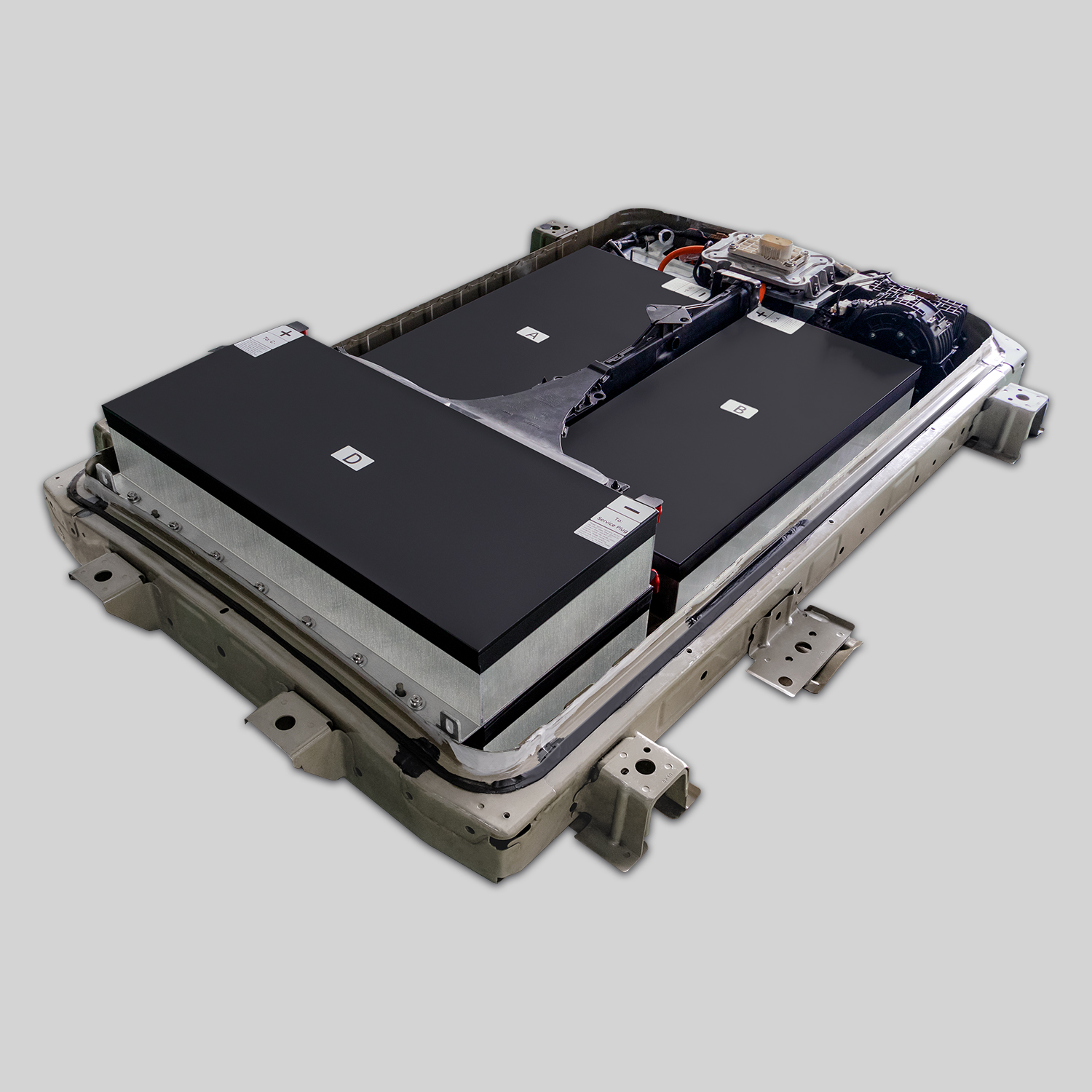
How to Select Ultimate Nissan EV Battery Pack for Repair Shops
As a repair shop owner or manager, choosing the right Nissan EV battery pack is not just about fixing a car; it is about securing your shop’s reputation, ensuring customer satisfaction, and maximizing your profit margin. The market is flooded with options, ranging from low-cost recycled modules to expensive OEM replacements. However, for shops looking to balance performance, safety, and cost-effectiveness, the decision requires a strategic approach. This guide is designed to help you navigate the complexities of selecting the ultimate battery solution that aligns with your business goals.
1. Understanding Your Customer Base
Before diving into the technical specifications, you must first understand the needs of your clientele. Nissan EV owners typically fall into two categories: daily commuters and long-distance enthusiasts.
- Daily Commuters: These customers prioritize reliability and affordability. They often drive older models like the Nissan Leaf ZE0 or AZE0 and are looking for a cost-effective solution to restore their vehicle’s original range.
- Long-Distance Enthusiasts: This group often drives newer models like the Leaf ZE1 or e-NV200. They are willing to invest more for higher capacity (e.g., 62kWh or 68kWh) to eliminate range anxiety.
By identifying which segment you serve most frequently, you can tailor your inventory. For instance, stocking 40kWh or 50kWh packs might be ideal for urban repair shops, while those near highways might benefit from 62kWh or 68kWh high-capacity options.
2. Prioritizing Safety and Quality
When a customer brings their EV to your shop, the most critical factor is safety. A substandard battery is not just a repair issue; it is a liability. Therefore, the core of your selection process must focus on the battery cells.
You should only consider battery packs built with Brand-New CATL (Contemporary Amperex Technology Co. Limited) cells. CATL is the world’s largest lithium-ion battery manufacturer and supplies cells to major automakers globally. Using brand-new cells, as opposed to recycled or refurbished ones, ensures:
- Zero Defect Rate: New cells have not undergone thermal stress or physical degradation.
- Thermal Stability: CATL cells are renowned for their safety features and resistance to overheating.
- Longevity: New cells guarantee a longer service life, reducing the risk of callbacks.
Choosing a supplier that guarantees the use of pristine, factory-new cells is the first step in building trust with your customers.
3. Matching OEM Standards and Compatibility
The ultimate Nissan EV battery pack must be a perfect fit—both physically and electronically. This is where many aftermarket solutions fail. To ensure a seamless installation and operation, the battery must meet Original Equipment Manufacturer (OEM) standards.
Key compatibility factors include:
- Physical Dimensions: The battery casing must match the OEM dimensions to fit perfectly into the vehicle chassis without modifications.
- Connector Types: The wiring harnesses and connectors must be plug-and-play. For Nissan models, this often means matching the specific Type 2 connectors and communication protocols.
- BMS (Battery Management System) Integration: The BMS is the brain of the battery. It must communicate flawlessly with the vehicle’s ECU to prevent error codes and ensure accurate State of Charge (SOC) readings.
For repair shops, offering a battery that requires zero modification saves valuable labor hours and prevents potential damage to the vehicle.
4. Evaluating Warranty and Support
A repair shop’s reputation hinges on the longevity of its repairs. Therefore, the warranty offered by the battery supplier is a non-negotiable factor. A standard warranty in the industry is often 1 year or 20,000 km. However, the “ultimate” solution should offer significantly more.
Look for suppliers who offer a 2-year or 80,000 km warranty. This not only protects your shop from unexpected liability but also gives your customers peace of mind that the product is built to last. Furthermore, robust technical support is crucial. Even with the best batteries, installation hiccups can occur. A supplier that offers:
- 24-hour technical response times
- Remote video guidance for BMS programming
- Dedicated account management
…is a partner, not just a vendor. This level of support ensures that if a technician in your shop encounters a problem during installation, it can be resolved instantly, keeping your workflow smooth.
5. Calculating the Cost-Effectiveness
Profitability is the engine of your business. The ultimate battery pack strikes the perfect balance between quality and cost. While OEM batteries from Nissan dealerships can cost upwards of $16,000, the ideal aftermarket solution should cost approximately 50% less.
By offering a high-quality, new-cell battery at half the price of a new OEM unit, you position your shop as the smart choice for value-conscious consumers. This price point allows you to maintain a healthy markup while still providing the customer with a significant saving compared to a dealership.
6. Making the Decision: A Summary for Shop Owners
Selecting the ultimate Nissan EV battery pack is a strategic decision that affects your shop’s bottom line and reputation. To recap, here is what you should look for:
| Feature | Why It Matters | Ultimate Standard |
|---|---|---|
| Core Cells | Safety and Longevity | Brand-New CATL Cells |
| Compatibility | Installation Speed | OEM Plug-and-Play Fit |
| Warranty | Risk Management | 2 Years / 80,000 km |
| Price | Profit Margin | 50% Lower than OEM |
| Support | Customer Retention | 24/7 Technical Guidance |
By prioritizing these factors, you ensure that every battery you install is a testament to your shop’s quality and expertise.
7. Frequently Asked Questions (FAQ)
Q1: What is the difference between a refurbished battery and a new CATL cell pack?
A refurbished battery uses old cells extracted from salvage vehicles. These cells have already degraded and often suffer from internal resistance issues, leading to swelling, rapid capacity loss, and safety hazards. In contrast, a new CATL cell pack uses pristine, factory-fresh cells, guaranteeing maximum capacity, thermal stability, and a lifespan exceeding 8 years.
Q2: Can I install this battery myself, or do I need special tools?
Our battery packs are designed for plug-and-play installation. If you are a certified technician, the installation typically takes 1-2 hours using standard automotive tools (wrenches, screwdrivers). No welding or modifications are required. We also provide detailed video tutorials and remote video guidance for BMS programming to ensure a smooth setup.
Q3: How do I confirm if the battery is compatible with my specific Nissan model?
Compatibility is crucial. To confirm, you can provide your vehicle’s VIN (Vehicle Identification Number) or model year to our technical team. We support a wide range of models, including:
- Nissan Leaf ZE0, AZE0, ZE1 (40kWh, 50kWh, 62kWh)
- Nissan e-NV200 (40kWh, 50kWh)
- Nissan Ariya (Custom Solutions)
Q4: What is the range I can expect after installing the new battery?
With a brand-new CATL cell pack, you can expect the range to match the original factory specifications. For example:
- A 40kWh pack typically offers around 240km (150 miles).
- A 62kWh pack can achieve up to 440km (273 miles).
Real-world range may vary slightly based on driving habits and weather conditions, but you will notice a dramatic improvement compared to a degraded old battery.
Q5: What if I encounter a problem after the sale?
We stand behind our products with a comprehensive warranty. If you encounter a manufacturing defect or performance issue, our technical support team will assist you immediately. Most issues are resolved remotely via video call. If a replacement is necessary, we handle it swiftly to minimize downtime for your customer.
Ready to upgrade your repair shop’s inventory with the ultimate Nissan EV battery solution? Get a Free Custom Quote Now and discover how our OEM-compatible, CATL-powered battery packs can boost your profits and customer satisfaction.