
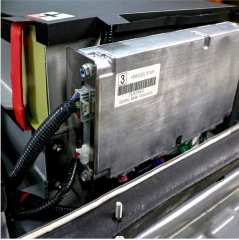
Nissan Leaf Plus vs. AESC Battery: The Ultimate Upgrade Guide
If you own a Nissan Leaf, you are likely familiar with the limitations of the older AESC (Automotive Energy Supply Corporation) battery packs. While these batteries were pioneers in the EV industry, they are now notorious for rapid degradation, especially in hot climates or high-mileage scenarios. As a Leaf owner, your primary goal is likely to extend the life of your vehicle and regain the driving range you once loved. This is where the Nissan Leaf Plus (ZE1) battery upgrade comes into play.
As a specialist in EV battery replacements, we understand the hesitation many owners face. Is it worth upgrading? What are the real differences? This guide will break down the technical specifications, cost benefits, and performance metrics to help you decide if a Leaf Plus battery is the right solution for you.
Understanding the AESC Battery Legacy
AESC batteries were the standard for early Nissan Leaf models (primarily the ZE0 generation). These packs relied on LMO (Lithium Manganese Oxide) chemistry, which has specific drawbacks compared to modern NMC (Nickel Manganese Cobalt) batteries.
- Degradation Issues: AESC batteries are highly susceptible to heat. If you live in a warm climate or frequently DC fast charge, your battery capacity may have dropped significantly (often below 60% within 5-7 years).
- Limited Range: The original packs (24kWh, 30kWh, 40kWh) offered modest ranges (73-107 miles), which feels restrictive by today’s standards.
- Module Complexity: The ZE0 packs contain 48 small modules, making repairs and replacements labor-intensive and expensive if done through the dealer.
While AESC batteries were revolutionary at the time, technology has moved on. Holding onto an old AESC pack often means settling for a “city car” with a short range.
The Nissan Leaf Plus (ZE1) Battery Standard
The Leaf Plus (Generation ZE1) marked a significant shift for Nissan. To compete with modern EVs, Nissan switched to LG Chem or CATL battery cells using NMC chemistry. This change brought substantial improvements:
- Higher Energy Density: The ZE1 packs utilize fewer, larger modules to store more energy. The standard pack jumped to 62kWh, offering a real-world range of approximately 220 miles.
- Improved Thermal Management: While still an air-cooled system, the NMC chemistry is inherently more stable and less prone to thermal runaway than the older LMO cells.
- Simplified Design: The ZE1 pack uses only 8 large modules instead of 48 small ones. This simplifies the Battery Management System (BMS) and reduces potential failure points.
Key Takeaway: Upgrading to a Leaf Plus battery isn’t just about more range; it’s about adopting modern, more durable battery technology.
Direct Comparison: Leaf Plus vs. AESC
To help you visualize the difference, let’s compare the core specifications of the Nissan Leaf Plus (ZE1) against the older AESC (ZE0) technology.
| Feature | Nissan Leaf Plus (ZE1) | Nissan Leaf (ZE0) AESC | Advantage |
|---|---|---|---|
| Chemistry | NMC (Nickel Manganese Cobalt) | LMO (Lithium Manganese Oxide) | Leaf Plus: Superior lifespan & stability. |
| Capacity | 62 kWh (Standard) | 24kWh / 30kWh / 40kWh | Leaf Plus: 50-100% more range. |
| Modules | 8 Large Modules | 48 Small Modules | Leaf Plus: Easier maintenance & diagnosis. |
| Range (EPA) | ~226 Miles | ~80-150 Miles | Leaf Plus: True highway-capable EV. |
| Cell Source | LG Chem / CATL | AESC | Leaf Plus: Modern supply chain & tech. |
The Cost-Benefit Analysis of Upgrading
Replacing an old battery is a significant investment. However, when you compare the costs, the math often favors the Leaf Plus upgrade over buying a new car or sticking with a degraded AESC pack.
- Avoiding the “New Car” Trap: Buying a brand new electric vehicle can cost upwards of $30,000 to $40,000. A professional Leaf Plus battery swap typically costs a fraction of that—often saving you 50% or more compared to OEM prices.
- Resale Value Boost: A Leaf with a fresh 62kWh ZE1 battery is a completely different car than one with a degraded 40kWh pack. It becomes a desirable, long-range commuter, significantly increasing its resale value.
- Environmental Impact: Upgrading your existing Leaf keeps a functional car body out of the landfill and avoids the massive carbon footprint associated with manufacturing a new vehicle.
Why Choose a Third-Party Leaf Plus Battery?
While Nissan dealerships can source ZE1 batteries, the cost is often prohibitively high. This is where specialized manufacturers like CNS BATTERY provide immense value.
At CNS, we manufacture OEM-compatible Nissan Leaf batteries using the same high-grade CATL (Contemporary Amperex Technology Co. Limited) cells found in the upgraded Leaf Plus models. Our solutions are designed to be “plug-and-play” for the ZE0 chassis, meaning you don’t need to modify your car’s electronics extensively.
Our core advantages include:
- Guaranteed Compatibility: Our packs are engineered to fit the ZE0 chassis perfectly and communicate seamlessly with the original Nissan BMS.
- Extended Warranty: We offer a 2-year / 80,000 km warranty, which is significantly longer than the warranties offered by most remanufactured or used battery sellers.
- Expert Support: We don’t just ship a box. Our technical team provides pre-sale VIN compatibility checks and post-sale installation support to ensure your upgrade goes smoothly.
Frequently Asked Questions (FAQ)
1. Can I physically install a Leaf Plus (ZE1) battery in my old Leaf (ZE0)?
Yes, this is a very popular modification. The physical dimensions and connection points of the ZE1 pack are compatible with the ZE0 chassis. However, to get the full 62kWh range displayed on your dashboard, you may need to update the BMS software or use a “hack” module, which our technical team can advise you on during the pre-sale consultation.
2. Are CATL cells better than the original AESC cells?
Yes, generally speaking. CATL is currently the world’s largest battery manufacturer. Their NMC cells offer higher energy density, better thermal stability, and a longer cycle life compared to the older LMO chemistry used by AESC. This translates to better performance and longevity in your car.
3. How much range can I expect after upgrading to a 62kWh Leaf Plus battery?
Most owners report a real-world range of 180-220 miles (approximately 290-350 km) on a full charge, depending on driving style, weather conditions, and auxiliary usage (like heating or AC). This is a massive improvement over the 40-80 miles you might be getting from a degraded AESC pack.
4. Is it safe to buy a third-party battery for my Nissan Leaf?
Safety depends on the manufacturer. At CNS, we utilize the same rigorous quality control standards as OEMs. Our batteries include robust Battery Management Systems (BMS) to prevent overcharging, overheating, and short circuits. Always choose a supplier with a proven track record and a solid warranty to protect your investment.
Ready to revive your Nissan Leaf with a modern, high-capacity battery? Don’t let an old AESC pack limit your driving. Get a free, personalized quote today and discover how affordable a Leaf Plus upgrade can be.

