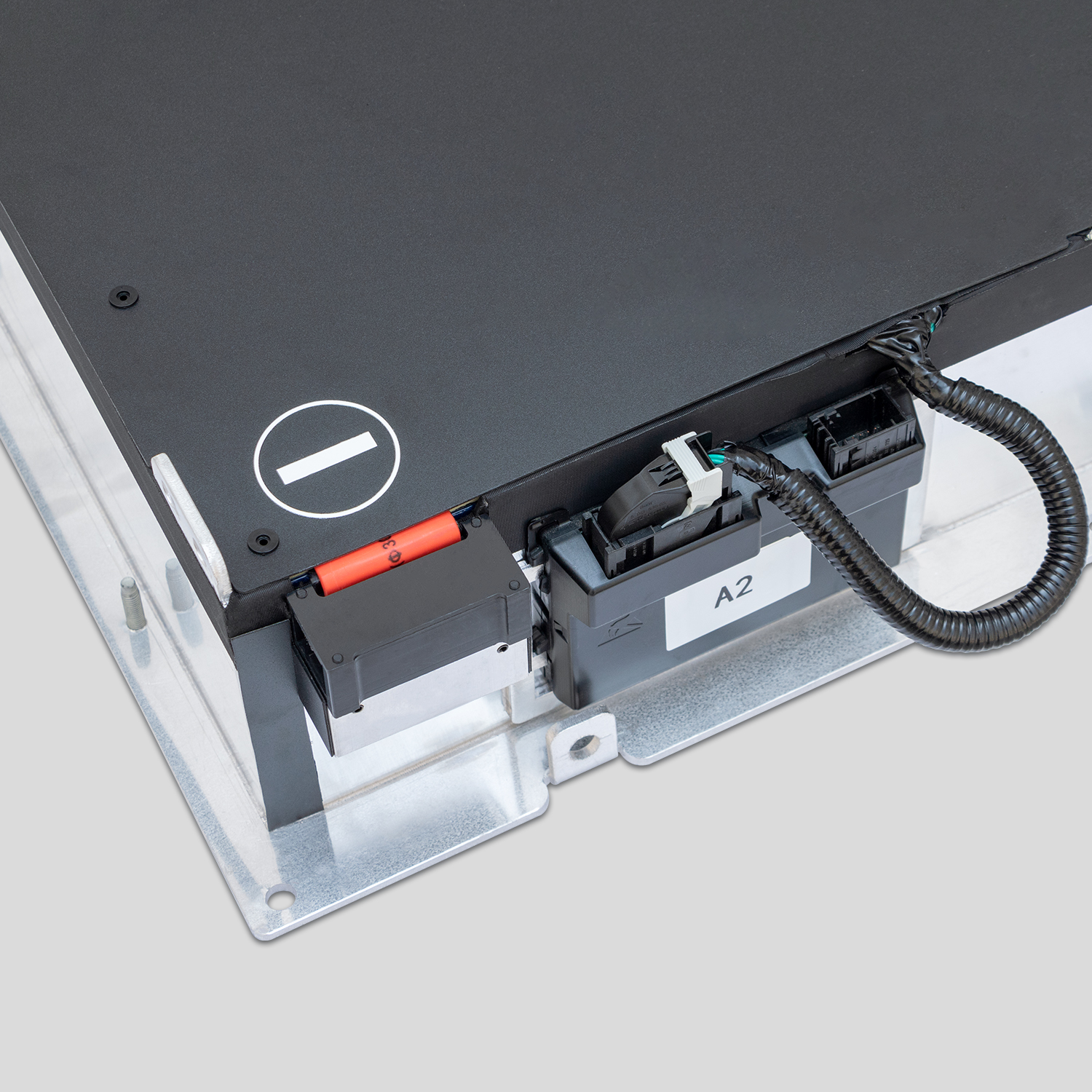
Nissan Leaf Plus Battery vs CATL: The Ultimate Upgrade Guide for 2026
The Nissan Leaf Plus represents a significant leap in electric vehicle technology, offering extended range and improved performance. However, for many owners and repair shops, the question remains: How do I maximize the potential of my Leaf Plus? The answer lies in the specific chemistry and engineering of the battery cells powering the vehicle.
This guide cuts through the noise to explain the relationship between the Nissan Leaf Plus and CATL (Contemporary Amperex Technology Co. Limited) batteries. We will explore why a genuine CATL upgrade is the superior choice for longevity, safety, and value, especially when sourced from a reliable OEM partner.
Understanding the Core Difference: Standard Leaf vs. Leaf Plus
To understand the upgrade path, you must first understand the distinction between the standard Nissan Leaf and the Leaf Plus model.
- The Standard Leaf: Historically utilized 24kWh, 30kWh, and 40kWh battery packs. While reliable, these older chemistries often struggle to meet the daily driving demands of modern users, leading to “range anxiety.”
- The Leaf Plus: This is where the technology shifts. The Leaf Plus (specifically the ZE1 chassis) was designed from the ground up to house a 62kWh or 50kWh lithium-ion battery pack. This is not just a larger version of the old battery; it is a fundamentally different architecture designed for higher energy density.
The Critical Factor: The “Plus” performance is largely attributed to the quality of the battery cells inside the pack. This is where the comparison truly begins.
Why CATL Cells Define the “Plus” Experience
When Nissan developed the Leaf Plus, they didn’t just add more of the old cells. They upgraded the core chemistry. CATL is one of the world’s largest and most reputable lithium-ion battery manufacturers. When comparing a generic “Leaf Plus Battery” to a CATL-spec battery, the difference is in the cells.
Here is why CATL cells are the industry benchmark:
- Superior Energy Density: CATL cells allow the Leaf Plus to achieve its advertised range (up to 226 miles EPA) without adding excessive weight.
- Longer Cycle Life: CATL cells are engineered to withstand thousands of charge cycles while maintaining structural integrity. This means your battery will retain more of its capacity for longer, resisting the “sudden death” degradation common in older Leaf models.
- Thermal Stability: Safety is paramount. CATL cells have a proven track record of stability under high-stress conditions, reducing the risk of thermal runaway.
The Upgrade Dilemma: Refurbished vs. New CATL
Many Leaf owners face a choice when their original battery degrades: buy a refurbished pack or invest in a new solution. While “cheap” refurbished batteries are tempting, they often use salvaged cells from crashed cars or old industrial equipment. These cells are already halfway through their lifespan.
In contrast, a New CATL-spec battery (like those offered by CNS Battery) provides:
- Zero Cycle Count: You start with 100% of the battery’s life.
- Consistent Performance: Every cell is matched for voltage and internal resistance, ensuring the Battery Management System (BMS) works flawlessly.
- Cost Efficiency: You get “Plus” range performance at a fraction of the cost of a dealership replacement.
Key Advantages: CATL New Cells vs. Generic Options
| Feature | Generic/Refurbished Battery | New CATL-spec Battery |
|---|---|---|
| Cell Source | Unknown, often degraded | Brand New, from CATL |
| Range Potential | Unpredictable, often lower | Full “Plus” Range (400km+) |
| Warranty | Often None or Very Short | 2 Years / 80,000km |
| Safety | Risk of swelling/short circuits | Factory-Standard Safety |
| Price | High risk of “false economy” | 50%+ Savings vs OEM |
Installation and Compatibility
One of the biggest concerns for owners is fitment. Will a CATL battery fit my car?
The answer is yes, but it requires precision engineering. A genuine CATL-spec upgrade is designed to be an OEM drop-in replacement.
- For ZE1 Owners: If you own a Leaf Plus (ZE1), a new CATL pack is a direct replacement that restores your car to “like new” condition.
- For ZE0/AZE0 Owners: This is where the real magic happens. Owners of older Leaf models (24kWh/30kWh/40kWh) can perform a “Plus” conversion. By installing a 62kWh CATL-spec pack into an older chassis, you effectively turn your standard Leaf into a Leaf Plus. This requires professional BMS programming and physical modification of the mounting points, which is why sourcing from an expert is crucial.
The CNS Battery Advantage
At CNS Battery, we specialize in bridging the gap between cutting-edge technology and practical ownership. We understand that choosing a battery is a high-stakes decision.
Why trust us with your Leaf Plus upgrade?
- Direct Manufacturer Access: We utilize brand-new, original-spec CATL cells, not recycled junk.
- Expert Technical Support: Our team provides pre-sales VIN checking and post-sales video guidance to ensure your installation is seamless.
- Unbeatable Warranty: We back our quality with a 2-year / 80,000km warranty, far exceeding industry standards for aftermarket packs.
Frequently Asked Questions (FAQ)
1. Can I upgrade my standard Nissan Leaf (ZE0) to a Leaf Plus (62kWh) battery?
Yes, absolutely. This is a very popular and cost-effective modification. By installing a 62kWh CATL-spec battery into a standard Leaf, you can nearly double your driving range. However, this requires the battery to be precisely engineered to fit the older chassis and the BMS to be correctly programmed. We recommend consulting our technical experts before proceeding.
2. How do I know if my battery uses genuine CATL cells?
Genuine CATL cells have distinct laser markings and specific dimensions. When purchasing from a supplier, ask for proof of the cell source. Reputable manufacturers like CNS Battery use only brand-new cells from tier-1 suppliers and can provide documentation. If the price seems too good to be true, it likely contains recycled or lower-grade cells.
3. What is the lifespan of a new CATL-spec Leaf Plus battery?
With proper care and modern BMS protection, a new CATL-spec battery can last for over 3000 charge cycles. This translates to approximately 10-15 years of regular driving while maintaining over 70% of its original capacity.
4. Is the installation difficult?
For a professional mechanic, installing a direct-fit CATL battery is similar to replacing a fuel tank—usually taking 1-2 hours. For DIY enthusiasts, it is possible but requires strict adherence to safety protocols (high-voltage safety gear). We provide detailed video tutorials and remote support to guide you through every step, from disconnecting the old pack to programming the new BMS.
Ready to transform your driving experience with a genuine CATL-spec Nissan Leaf Plus battery?
Don’t settle for refurbished parts or generic brands. Get a free, personalized quote today and see how you can upgrade your range while saving thousands compared to dealership prices.