How to Select a High-Capacity e-NV200 NMC Battery for DIY Enthusiasts
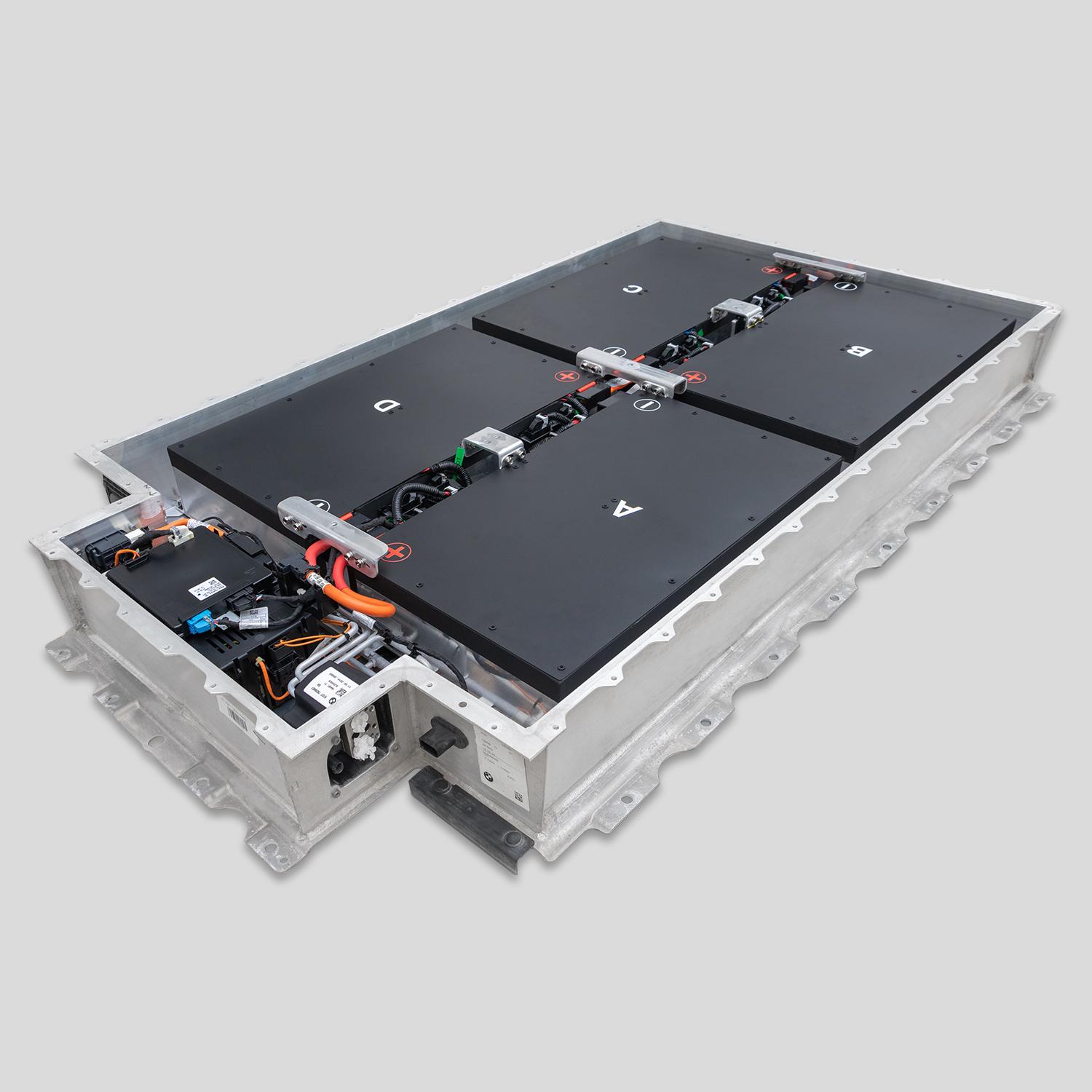
The Nissan e-NV200 is a versatile workhorse, but the stock battery range often leaves DIY enthusiasts and small fleet owners wanting more. If you’re looking to extend the life and utility of your van, upgrading to a High-Capacity e-NV200 NMC Battery is the ultimate solution.
However, the DIY battery replacement market is complex. As a professional in the EV battery industry, I have seen countless projects succeed—and fail—based solely on the selection criteria. This guide cuts through the noise to help you choose a battery that guarantees safety, range, and value.
Why Upgrade Your e-NV200 to a High-Capacity NMC Pack?
The original e-NV200 typically came with a 24kWh or 40kWh pack. While reliable, these older packs suffer from degradation and limited range.
The primary motivation for a DIY upgrade is the NMC (Lithium Nickel Manganese Cobalt Oxide) chemistry. Unlike older technologies, NMC batteries offer:
- Higher Energy Density: More range without adding significant weight.
- Longer Lifespan: Superior cycle life compared to early-generation batteries.
- Better Thermal Stability: Safer operation in various climates.
For a DIYer, this means transforming your e-NV200 from a “city cruiser” into a “regional hauler” capable of 200+ miles on a charge with the right upgrade.
The 4 Pillars of Selecting the Right DIY Battery
When shopping for a High-Capacity e-NV200 NMC Battery, you must evaluate the product based on four critical factors. Do not compromise on any of these.
1. The “Heart”: Brand-New CATL Cells vs. Recycled Junk
This is the most crucial distinction. Many sellers on the market offer “refurbished” or “used” cells. As a professional, I strongly advise against these for a DIY project.
- The Risk: Used cells have unknown degradation history. One weak cell can kill the entire pack.
- The Solution: Look for Brand-New CATL (Contemporary Amperex Technology Co. Limited) cells. CATL is the world’s largest lithium battery manufacturer. Using brand-new cells from the factory ensures:
- Zero Cycle History: You start with a 100% healthy pack.
- Consistency: Perfectly matched cells for optimal BMS (Battery Management System) performance.
- Safety: New cells have intact separators and casings, reducing fire risk.
2. Compatibility: OEM Standards Are Non-Negotiable
A DIY upgrade should be a “Plug-and-Play” experience, not an electrical engineering PhD.
You need a battery designed to OEM standards. This means:
- Physical Fit: The dimensions must match the e-NV200 chassis perfectly.
- Communication Protocol: The BMS must speak the same language as your Nissan’s Vehicle Control Unit (VCU). If it doesn’t, your dashboard will throw errors, or the car simply won’t start.
- Connector Matching: The high-voltage and signal connectors must snap directly into your existing harness.
3. The Brain: A Robust BMS
The Battery Management System is what keeps you safe and your warranty valid. A high-capacity pack generates more power, so your BMS needs to be industrial-grade.
Look for features like:
- Real-time Monitoring: The ability to check cell voltages via an app or dongle.
- Cell Balancing: Automatic balancing to ensure all cells wear evenly.
- Fail-Safes: Protection against over-current, over-voltage, and short circuits.
4. Warranty & Support: Your Safety Net
DIY projects can go wrong. Maybe you strip a bolt, or maybe there’s a rare manufacturing defect. You need a supplier that backs their product.
Many generic suppliers offer little to no warranty. The industry standard for confidence is a 2-Year / 80,000km warranty. This coverage should include:
- Defects in Materials and Workmanship: Free replacement if it fails.
- Capacity Retention: Guaranteeing the battery holds at least 70% capacity over the warranty period.
Why 50% Cost Savings Doesn’t Mean “Cheap”
You will find that a high-capacity NMC upgrade from a specialist like CNS BATTERY costs roughly 50% less than a replacement from a Nissan dealership.
Do not mistake this discount for lower quality. The savings come from cutting out the dealership markup, not from cutting corners on materials. You are getting the same OEM-compatible engineering and brand-new CATL cells at a fraction of the price.
The DIY Installation Process: Is It Right for You?
Installing a High-Capacity e-NV200 NMC Battery is not just for professional mechanics. With the right preparation, a competent DIYer can do it in 1-2 hours.
Here is the standard workflow:
- Lift the Van: You need access to the undercarriage.
- Disconnect: Always disconnect the 12V battery first for safety.
- Unbolt: Remove the old pack’s retaining bolts and brackets.
- Swap: Lower the new high-capacity pack into place. Because it meets OEM standards, the bolts line up perfectly.
- Connect: Plug in the HV connector and the signal cable.
- Test: Reconnect the 12V, turn the key, and watch the dashboard go green.
Pro-Tip: If you get stuck, look for suppliers that offer video call installation guidance. Having an engineer walk you through the BMS programming via Zoom can save you a trip to the shop.
Real-World Results: What to Expect
After installing a new 50kWh or 62kWh NMC pack, users report a dramatic transformation:
- Range: Expect a realistic 200-250 miles (320-400 km) on a full charge, depending on driving conditions.
- Performance: The van accelerates the same, but you won’t fear the “range anxiety” when the needle drops.
- Longevity: With proper care and new cells, this battery should last you another 8-10 years.
Frequently Asked Questions (FAQ)
Q1: Can I really install a High-Capacity e-NV200 NMC Battery myself?
Yes. If you are comfortable changing oil or brakes, you can handle this. The process is designed to be plug-and-play. Most DIYers use basic tools like wrenches and screwdrivers. However, because lithium batteries are dangerous, we strongly recommend wearing insulated gloves and having a professional helper if you are unsure about the high-voltage disconnection.
Q2: What is the difference between a 40kWh and a 62kWh upgrade?
The 40kWh is a direct replacement that restores your van to “like new” condition. The 62kWh is a High-Capacity upgrade that physically fits in the same space but uses denser NMC chemistry to give you 50% more range. If you do long daily routes, go for the 62kWh.
Q3: Will this void my car’s warranty?
A correctly installed OEM-standard battery should not void your car’s warranty. However, if your e-NV200 is still under the manufacturer’s warranty, check with your dealer. For most older e-NV200s (over 8 years old), the original warranty has expired, making this upgrade the most cost-effective path forward.
Q4: How do I know if the battery is compatible with my specific e-NV200 year/model?
Never guess. Use a VIN Compatibility Check. Reputable suppliers allow you to upload your Vehicle Identification Number to confirm the exact fitment, including the correct connector types and BMS software version for your specific van.
Ready to transform your e-NV200?
Don’t let range anxiety limit your business or adventures. Selecting the right High-Capacity e-NV200 NMC Battery is about choosing new cells, OEM fitment, and reliable support.
Get a Free Custom Quote for your e-NV200 today.