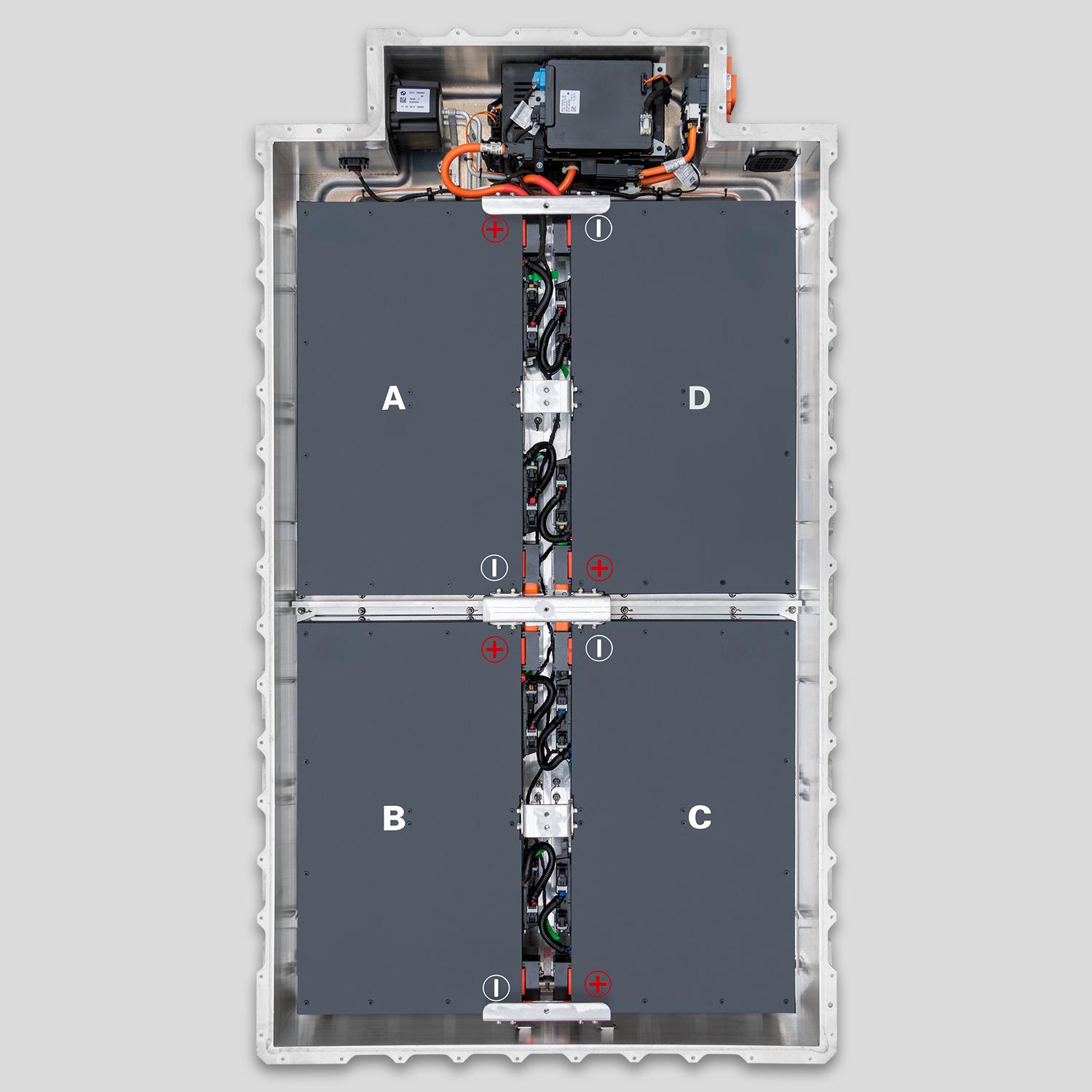
How to Keep Your Nissan Leaf Battery Pack Safe and Long-Lasting
As a Nissan Leaf owner, your battery pack is the heart of your vehicle. Keeping it safe isn’t just about preventing malfunctions; it’s about maximizing your driving range, ensuring your personal safety, and protecting your investment. At CNS BATTERY, we understand that safety and longevity are the top concerns for EV owners, especially when considering battery replacements or upgrades. With over a decade of experience in OEM-compatible battery solutions for Nissan and BMW, we are dedicated to providing you with the knowledge and products you need to keep your Leaf running smoothly and safely.
In this comprehensive guide, we will explore the essential steps to keep your Nissan Leaf battery pack safe, from proper charging habits to choosing the right replacement battery. Whether you are a DIY enthusiast or a professional mechanic, this article will provide you with valuable insights to ensure your battery remains in top condition.
Understanding Your Nissan Leaf Battery
Before diving into safety tips, it is crucial to understand the basics of your Nissan Leaf battery. The Leaf primarily uses lithium-ion batteries, known for their high energy density and long lifespan. However, like all batteries, they require proper care to function optimally.
Key Components of the Battery Pack
- Battery Cells: The core units that store energy. High-quality cells, such as those from CATL, ensure better performance and safety.
- Battery Management System (BMS): This is the brain of the battery. It monitors voltage, temperature, and current to prevent overcharging, overheating, and short circuits.
- Thermal Management System: Regulates the temperature of the battery to keep it within the optimal operating range.
Understanding these components helps you appreciate why certain safety measures are necessary. For instance, the BMS is vital for preventing thermal runaway, a dangerous condition where the battery overheats uncontrollably.
Essential Safety Tips for Nissan Leaf Owners
Keeping your battery safe involves a combination of good charging habits, proper maintenance, and using high-quality components. Here are the most effective strategies:
1. Adopt Smart Charging Habits
Charging is the most frequent interaction you have with your battery. How you charge it significantly impacts its health and safety.
- Avoid Deep Discharges: Try not to let your battery drop below 20% regularly. Deep discharges strain the cells and can lead to permanent damage.
- Limit 100% Charging for Daily Use: While it is tempting to charge to 100% every time, keeping the charge between 20% and 80% is ideal for longevity. If you need the full range for a long trip, charge to 100%, but try to drain it back to 80% as soon as possible.
- Use the Right Charger: Always use a charger that is compatible with your vehicle. Using an incompatible charger can cause overvoltage and damage the BMS.
2. Monitor Temperature Extremes
Lithium-ion batteries are sensitive to temperature. Extreme heat or cold can degrade the battery and pose safety risks.
- Park in the Shade: In hot weather, park in shaded areas or garages to prevent the battery from overheating.
- Preconditioning: If your Leaf has a preconditioning feature, use it. This warms up the battery in winter or cools it down in summer while the car is still plugged in, reducing the strain on the battery during driving.
- Avoid Fast Charging in Extreme Temperatures: Fast charging generates heat. If the weather is already hot, try to use slower AC charging to prevent overheating.
3. Regular Maintenance and Inspections
Just like a gas car needs oil changes, your EV battery needs regular check-ups.
- Visual Inspections: Regularly check for any physical damage, corrosion, or leaks in the battery casing.
- Software Updates: Keep your BMS software updated. Manufacturers often release updates to improve battery management and safety protocols.
- Professional Diagnostics: If you notice a sudden drop in range or any warning lights, get a professional diagnosis immediately.
Choosing a Safe and Reliable Replacement Battery
If your original battery is degraded or damaged, choosing a safe replacement is critical. Not all replacement batteries are created equal. Here is why quality matters and how CNS BATTERY ensures safety.
Why Quality Matters
Many low-cost replacement batteries on the market use recycled or refurbished cells. These cells are unpredictable and can be dangerous. They may have uneven voltage levels, degraded insulation, or internal damage that leads to swelling, short circuits, or even fires.
The CNS BATTERY Difference
At CNS BATTERY, we specialize in OEM-compatible batteries for Nissan Leaf models (ZE0, AZE0, ZE1) and BMW i3. Here is what sets us apart:
- Brand-New CATL Cells: We use brand-new, top-tier battery cells from CATL, ensuring consistent performance and maximum safety. Unlike refurbished batteries, our cells have zero prior wear and tear.
- Advanced BMS: Our batteries come equipped with a sophisticated Battery Management System that provides real-time monitoring and protection against overcurrent, overvoltage, and overheating.
- Rigorous Testing: Every battery pack undergoes strict quality control tests, including vibration, drop, and thermal testing, to ensure it meets international safety standards.
Our Warranty Promise
We stand by the safety and quality of our products with an unbeatable warranty. Our batteries come with a minimum 2-year or 80,000 km warranty (whichever comes first), covering defects in materials and workmanship. This is significantly longer than the warranty offered by most refurbished battery suppliers.
Real-Life Success Stories
Don’t just take our word for it. Here are stories from real Nissan Leaf owners who have upgraded to CNS BATTERY packs.
Mark T. (California, USA)
Vehicle: Nissan Leaf ZE0 (2015 model) | Upgrade: 40kWh to 62kWh
“The original battery in my car lasted 8 years, but the range had dropped to only 120km. Replacing it with an original manufacturer battery would cost $16,000, which was ridiculous! After comparing options, I chose a 62kWh battery from CNS, which cost only $7,800, less than half the price of the original. Before purchasing, I uploaded my VIN for a free compatibility assessment, which confirmed perfect compatibility. After receiving the battery, I installed it following the video tutorial; it was plug-and-play and only took 2 hours. The BMS programming was also successful on the first try. Now, the full charge range is 430km, slightly less than the official 440km, but more than enough for daily commuting, and there’s no significant power drain even when using the air conditioning on the highway. I’ve been using it for almost a year, and the battery capacity is still at 11 out of 12 bars. The 2-year/80,000km warranty is reassuring, and customer service is responsive when I occasionally contact them with maintenance questions.”
Thomas B. (Amsterdam, Netherlands)
Vehicle: Nissan e-NV200 (2022 model) | Battery: 50kWh
“My old car battery was 5 years old and had degraded to the point where it could only travel 150km, requiring daily charging, which was very inconvenient. I replaced it with a 50kWh battery from CNS, and the installation was surprisingly simple. The complete battery pack was plug-and-play; it automatically matched the system after plugging in the connector, without any additional steps. Now, the full charge consistently provides 348km of range, and even with the air conditioning on during highway driving in the summer, the range never dropped below 330km, which is much better than the old battery. Last month, I went to the beach, and even in the high temperature of 38℃, the battery didn’t experience any overheating protection issues; the discharge was very stable. The seller also provided a free installation toolkit, including insulated gloves and terminal cleaner, which was very thoughtful. After two months of use, the battery capacity is still at 12 bars, and the after-sales service even sent a battery maintenance manual explaining how to extend its lifespan – truly professional! Thank you, CNS team!”
Upgrade to Safety and Performance Today
Keeping your Nissan Leaf battery safe is a combination of smart habits and using high-quality components. By following the tips in this guide and choosing a reliable replacement partner like CNS BATTERY, you can enjoy a safe, long-lasting, and high-performance driving experience.
If you are ready to upgrade your battery or have any questions about keeping your current battery safe, our team of experts is here to help. We offer free compatibility assessments and personalized consultations to ensure you get the perfect battery for your needs.
Contact us today to get a free custom quote and let CNS BATTERY put your mind at ease.
Get Your Free Custom Quote Now
Frequently Asked Questions (FAQ)
Q: What is the best way to charge my Nissan Leaf to ensure battery safety?
A: The best practice is to keep your charge level between 20% and 80% for daily use. Avoid letting the battery drop below 20% regularly, as deep discharges can strain the cells. Also, try to avoid charging to 100% unless you need the full range for a long trip, as keeping the battery at 100% for extended periods can accelerate degradation.
Q: How do CNS BATTERY packs ensure safety compared to other replacement options?
A: CNS BATTERY packs use brand-new, top-tier cells from CATL, unlike many competitors who use recycled or refurbished cells. Refurbished cells are unpredictable and can pose risks like swelling or short circuits. Additionally, our batteries are equipped with an advanced Battery Management System (BMS) that provides real-time protection against overcurrent, overvoltage, and overheating. Every pack also undergoes rigorous safety testing before shipment.
Q: What should I do if my battery warning light comes on?
A: If your battery warning light comes on, stop driving as soon as it is safe to do so. Check for any visible damage or leaks. Do not attempt to charge the battery. Contact a professional mechanic or our technical support team immediately for a diagnosis. Continuing to drive with a battery warning light can be dangerous and cause further damage.
Q: Do you offer international shipping and support?
A: Yes, we support international sales to over 50 countries. We handle customs compliance and provide voltage-compatible options for global standards. We also offer DDP (Delivered Duty Paid) service to most countries, meaning we take care of all shipping and customs duties until the battery is delivered to your door. Our customer service team is available to assist with any inquiries, regardless of your location.