🚚 The Ultimate Guide to Replacing Your e-NV200 Lithium Battery: A Fleet Owner’s Handbook
For fleet managers, every minute a vehicle is out of service is a minute of revenue lost. If you are the owner of a Nissan e-NV200 fleet, you know the frustration of battery degradation. The initial excitement of low running costs fades when your vans can no longer complete a full day’s route without a recharge.
You are likely searching for a solution that balances cost-efficiency with reliability. Replacing an EV battery is a significant investment, and as a fleet owner, you cannot afford to cut corners on quality. This guide is designed specifically for you, breaking down the process of upgrading to a new Ultimate e-NV200 Lithium Battery.
📉 The Fleet Owner’s Dilemma: Degradation vs. Replacement Cost
Most e-NV200 models on the road today are equipped with either a 24kWh or a 30kWh battery pack. After 5-7 years of intensive commercial use, these batteries often degrade to 60-70% of their original capacity.
- The Reality: A degraded battery means shorter routes, more charging downtime, and potentially having to retire a mechanically sound vehicle.
- The Obstacle: Original manufacturer replacements often carry a premium price tag that makes the math difficult for a commercial operator.
This is where the Ultimate e-NV200 Lithium Battery solution comes in. By utilizing brand-new, high-grade cells and OEM-standard engineering, you can restore your fleet to “like-new” status at a fraction of the cost.
🔋 Why Choose a “Ultimate” Lithium Battery Upgrade?
When we refer to the “Ultimate” replacement, we are talking about a specific standard of quality that goes beyond simple refurbished packs. Based on industry-leading standards (such as those set by CNS Battery), here is what defines a premium upgrade:
1. Brand-New CATL Cells (Not Refurbished)
Many replacement batteries on the market use salvaged cells from other wrecked vehicles. While cheaper, these cells have unknown histories and limited lifespans.
- The Ultimate Standard: Uses brand-new, A-grade lithium-ion cells sourced directly from the world’s largest battery factories (such as CATL). This ensures maximum energy density and a lifespan that matches the original factory specifications.
2. OEM Compatibility & Plug-and-Play Design
Fleet mechanics do not have time for complex rewiring or custom fabrication.
- The Ultimate Standard: The battery pack is engineered to match the original dimensions, voltage, and communication protocols. It should be a direct drop-in replacement, requiring no modifications to the vehicle chassis or software.
3. Enhanced Warranty Protection
Commercial use puts more stress on a battery than personal use.
- The Ultimate Standard: Look for providers offering commercial-grade warranties. The industry benchmark for top-tier replacements is a 2-year / 80,000 km warranty. This coverage should include protection against manufacturing defects and performance degradation (typically guaranteeing at least 70% capacity over the warranty period).
🛠️ Step-by-Step: How to Replace the Battery
Replacing the battery in a Nissan e-NV200 is a straightforward mechanical process, but it requires strict adherence to safety protocols. Here is a general overview of the procedure.
⚠️ Safety First: Preparation
Before you begin, ensure your workshop is equipped with:
- Insulated gloves and safety goggles.
- A high-voltage disconnect tool.
- A suitable EV lift or jack stands.
Pro Tip: Always disconnect the 12V auxiliary battery first to kill the vehicle’s main power supply before touching the high-voltage components.
🔧 The Replacement Process
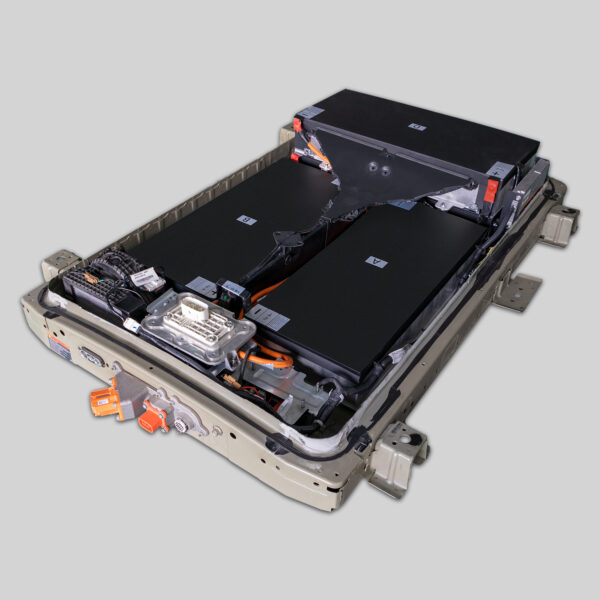
- Vehicle Lift: Safely lift the e-NV200 using the manufacturer-recommended lift points. The battery is located under the floor of the cargo area.
- Remove Floor Covering: Remove the protective rubber mats and the wooden floor panel to access the battery housing bolts.
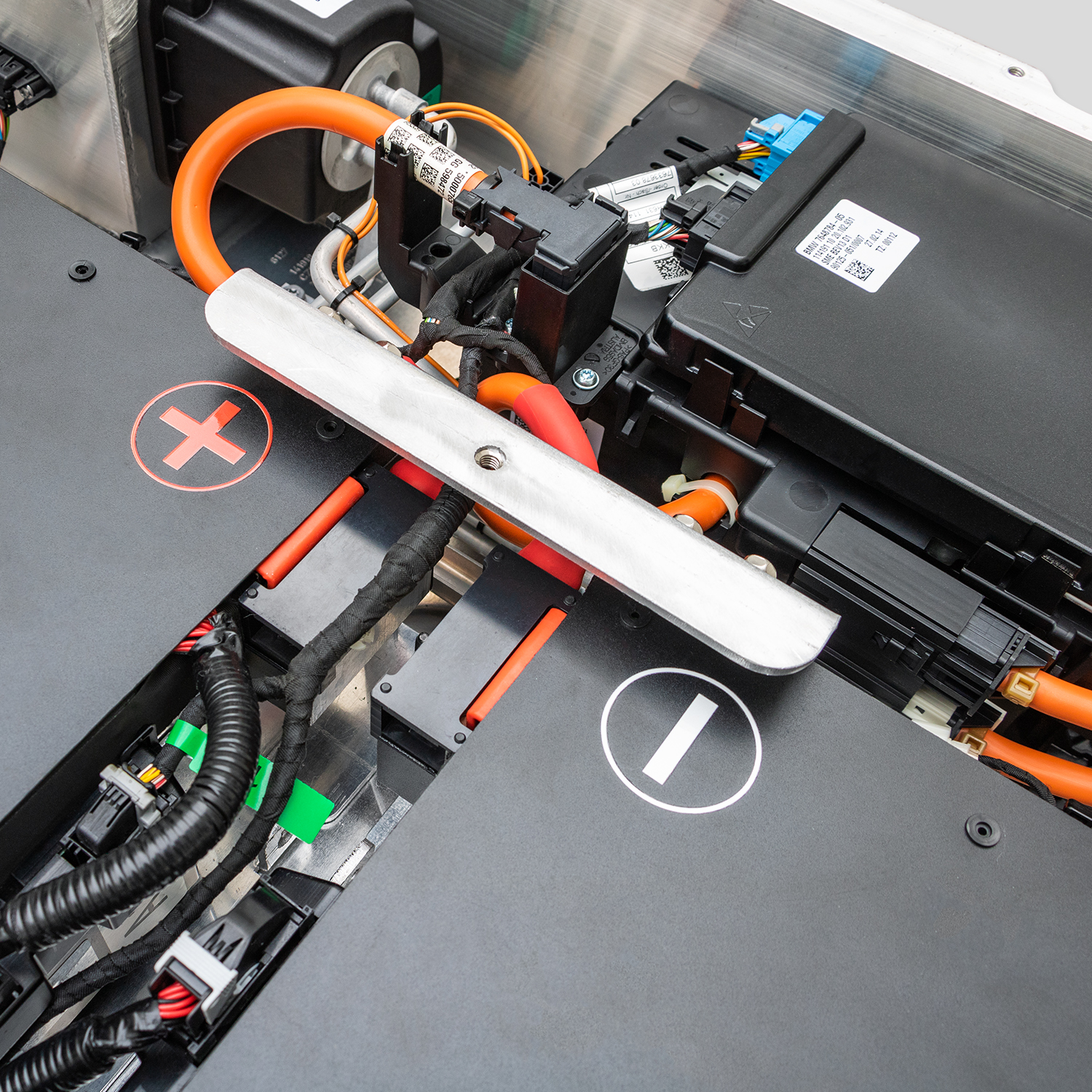
- Disconnect High Voltage: Carefully disconnect the high-voltage (HV) orange cables. Always cap the connectors immediately to prevent accidental contact.
- Unbolt the Pack: Remove the retaining bolts securing the battery to the chassis. The e-NV200 battery pack typically weighs around 200-250 kg, so use a transmission jack or a specialized battery lift.
- Install the New “Ultimate” Pack:
- Carefully lower the new lithium battery into place.
- Reconnect the HV cables and tighten to the specified torque.
- Reinstall the floor panels and bolts.
- System Reset: Once installed, reconnect the 12V battery. The vehicle’s Battery Management System (BMS) should automatically recognize the new pack. In some cases, a simple diagnostic reset may be required to clear old fault codes.
💰 The Financial Impact: ROI for Your Fleet
Let us look at the numbers. Suppose you have a 2015 e-NV200 with a degraded 24kWh pack. Replacing it with a new OEM unit might cost upwards of $12,000 to $15,000.
By opting for a high-quality Ultimate e-NV200 Lithium Battery replacement:
- Cost Savings: You can expect to save 50% or more compared to the OEM price.
- Performance Boost: Instead of just replacing the old 24kWh, many fleet owners upgrade to a 40kWh or 50kWh module. This instantly adds 100+ km to the vehicle’s range, making it viable for modern delivery routes.
- Extended Vehicle Life: This upgrade can add another 5-7 years of service life to the van, maximizing your initial asset depreciation.
🤝 Partnering with the Right Supplier
As a fleet owner, you are not just buying a part; you are buying a partnership. When sourcing your replacement battery, ensure the supplier offers:
- VIN Compatibility Check: Before you buy, they should verify the part number against your specific Vehicle Identification Number to guarantee fitment.
- Technical Support: Access to engineers who can guide your mechanics through the installation via video call if needed.
- Global Logistics: For international fleets, look for DDP (Delivered Duty Paid) shipping options to avoid customs delays.
❓ Frequently Asked Questions (FAQ)
Q1: Can I install a larger capacity battery (like 62kWh) in my e-NV200?
Yes, this is a popular upgrade path known as a “Lithium Retrofit.” While the e-NV200 originally shipped with smaller packs, the BMS and motor can often handle higher capacities (like 40kWh, 50kWh, or 62kWh) found in newer Nissan Leaf models. This requires a compatible “Ultimate” battery pack designed for cross-model compatibility. It significantly boosts range but requires professional verification of your specific model year.
Q2: How long does the installation take for a fleet of vans?
For a skilled technician, the physical swap usually takes 1 to 2 hours per vehicle. This includes disconnecting the old unit, installing the new one, and running diagnostics. If you are upgrading the software or capacity, additional calibration time may be required.
Q3: What happens if the battery fails during the warranty period?
With a reputable “Ultimate” supplier, you are covered under a comprehensive warranty (typically 2 years/80,000 km). If a manufacturing defect occurs, the supplier will arrange for a free replacement or repair. Some suppliers even offer lifetime technical support for troubleshooting charging or performance issues.
Q4: Are these replacement batteries safe for commercial use?
Absolutely. Top-tier replacement batteries use the same A-grade cells (e.g., CATL) as new cars. They are rigorously tested for vibration resistance, thermal management, and short-circuit protection. In fact, because they are brand new and not aged, they often have a lower failure rate than the original 10-year-old pack they are replacing.
Ready to restore your fleet’s performance? Don’t let battery degradation slow down your business. Get a free, no-obligation quote today and discover how an Ultimate e-NV200 Lithium Battery can get your vans back on the road with maximum range and minimum downtime.