🛠️ The Ultimate Guide to Replacing a Durable Leaf Plus Battery for DIY Enthusiasts
If you drive a Nissan Leaf and are considering an upgrade, you’ve likely encountered the term “Leaf Plus.” The Leaf Plus (specifically the ZE1 model) introduced a larger 62kWh battery pack, significantly boosting the range compared to the older 40kWh or 30kWh models. For DIY enthusiasts, upgrading your older Leaf (ZE0 or AZE0) to a Leaf Plus battery is the holy grail of electric vehicle modifications. It transforms a city commuter into a long-range vehicle capable of handling road trips.
However, the question remains: How do you find a replacement that is both durable and safe for a DIY install? This guide cuts through the noise, focusing on the critical factors of cell quality, safety integration, and the realistic expectations of a home garage upgrade.
⚡ Why Upgrade to a Leaf Plus (62kWh) Battery?
Before diving into the “how,” let’s solidify the “why.” The standard Nissan Leaf batteries (24kWh, 30kWh, and 40kWh) have served millions of drivers, but time and chemistry have reduced their capacity. Upgrading to a Leaf Plus battery isn’t just about adding cells; it’s about modernizing your car.
- Range Revolution: A used Leaf might only manage 80-100km on a good day. A new 62kWh lithium battery pack can restore your range to over 300km (depending on conditions), effectively doubling your driving radius.
- Future-Proofing: The ZE1 platform uses more advanced Battery Management Systems (BMS) and cell chemistry. By upgrading, you align your older chassis with current EV technology standards.
🔍 The Hidden Danger: Not All “Plus” Batteries Are Equal
As a DIYer, you might be tempted by the cheapest option online or a salvaged pack from a junkyard. This is where most enthusiasts go wrong.
- The Junkyard Gamble: Salvaged packs are used. They have already lost 10-20% of their capacity. More dangerously, they may have internal damage from the previous accident or crash that rendered the donor car unusable.
- The Refurbished Trap: Many suppliers sell “refurbished” or “repaired” packs. These are old packs with a few new cells patched in. They lack structural integrity and often fail within months, leading to swelling or thermal events.
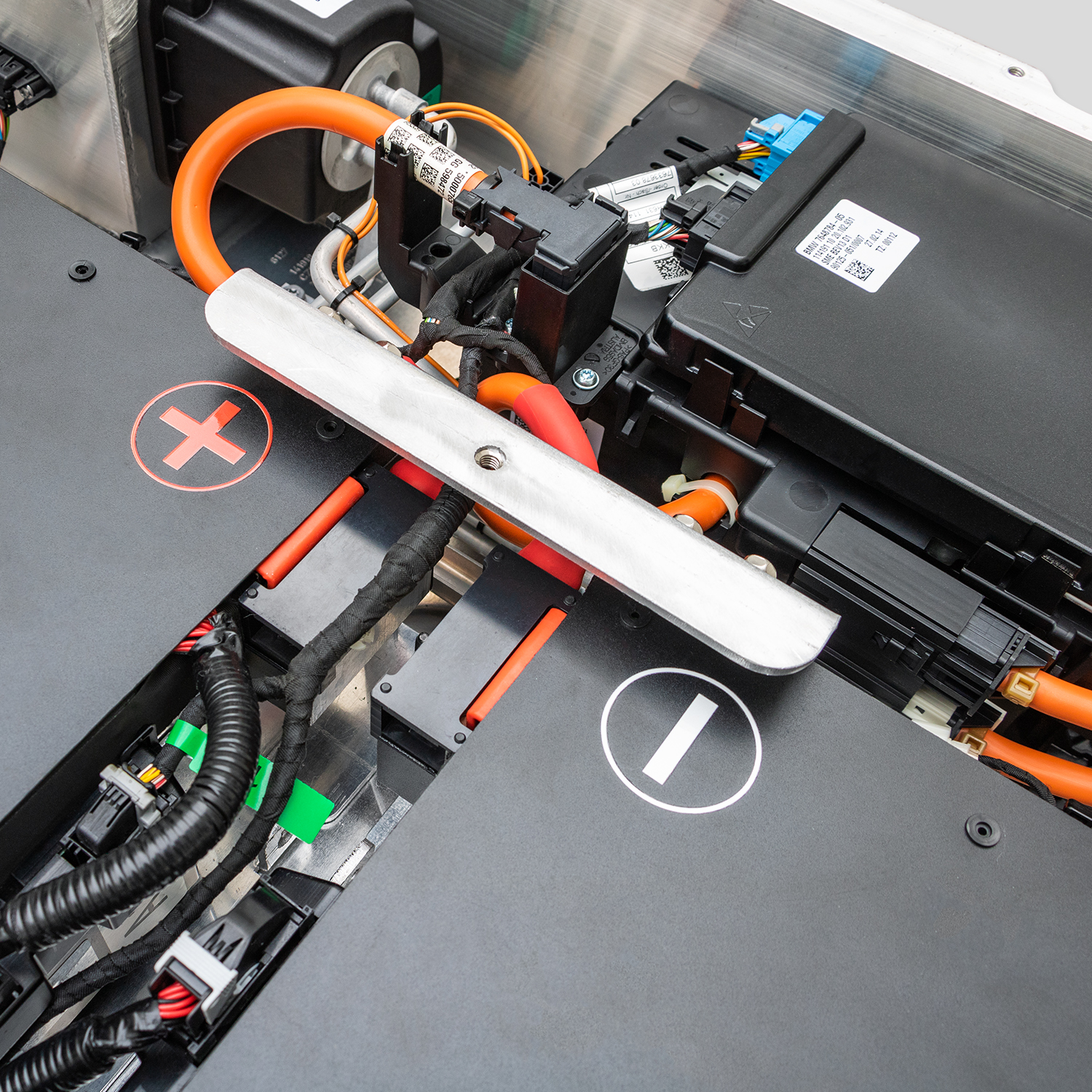
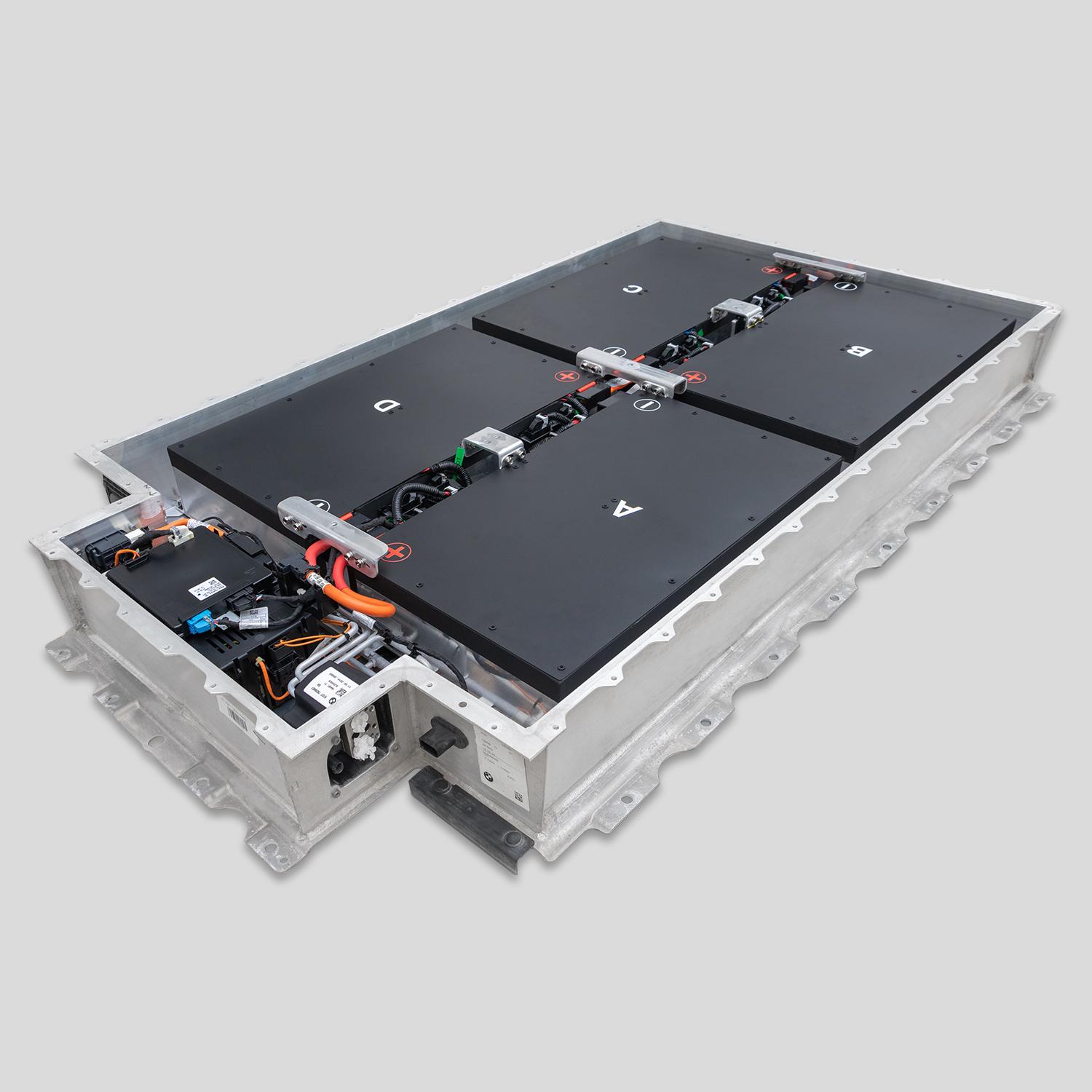
The Professional Verdict: For a DIY project that lasts, you need a brand-new, factory-built 62kWh lithium battery pack. Look for manufacturers that use cells from Tier-1 suppliers like CATL. New cells ensure maximum cycle life, structural integrity, and safety certifications that salvage yards simply cannot provide.
🛠️ The DIY Installation: Is It Really Plug-and-Play?
One of the biggest appeals of the Nissan Leaf for DIYers is the relative simplicity of the battery swap. However, “simple” does not mean “without risk.”
The Physical Swap
Mechanically, the process is straightforward for a home garage:
- Disconnect: Always disconnect the 12V battery first.
- Drain: If working on a liquid-cooled model (ZE1), drain the coolant.
- Unbolt: Remove the undercarriage shields and unbolt the heavy traction battery.
- Swap: Lift out the old pack (safely—these are heavy!) and lower in the new Leaf Plus battery.
- Reconnect: Refill coolant, reconnect cables, and reset the system.
The Electronic Hiccup (The Real Challenge)
The physical part might take 2-3 hours. The challenge lies in the software. Your car’s Brain (BMS) needs to recognize the new heart.
- Coding is Key: You cannot simply plug in a new pack and expect the car to start. The BMS often needs to be programmed or “coded” to accept the new hardware ID and calibration data.
- The DIY Solution: This is where choosing the right supplier matters. Look for vendors that offer free remote video guidance for coding. A good supplier will walk you through the CAN bus programming tools required to sync your new 62kWh lithium battery pack with your dashboard.
🛡️ Safety First: Protecting Your Investment
Installing a high-voltage battery in your driveway requires strict adherence to safety protocols.
- PPE (Personal Protective Equipment): Never skip the insulated gloves and safety glasses. A short circuit in a 400V system can be fatal.
- The “Frayed Wire” Check: Before bolting everything up, inspect the HV cables for any fraying. A new battery is useless if the cable insulation is compromised.
- Ventilation: Ensure the battery bay is clean and the ventilation channels are clear. Lithium batteries need to breathe to manage temperature.
💰 The Cost-Benefit Analysis: Why Do It Yourself?
Let’s break down the economics. A dealership might quote $16,000+ for a factory replacement. A DIY Leaf Plus battery solution changes the game.
| Cost Factor | Dealership Replacement | DIY New Battery Pack |
|---|---|---|
| Hardware Cost | ~$12,000 – $15,000 | ~$6,000 – $8,000 |
| Labor Cost | ~$1,500 – $2,500 | $0 (Your Time) |
| Total Estimated Cost | $14,000+ | $7,000 |
| Warranty | Standard Manufacturer | Varies (Look for 2 Years+) |
By doing it yourself, you save roughly 50% of the cost. This makes reviving an older Leaf one of the most cost-effective ways to own a long-range EV.
🏆 Choosing the Right Partner for Your Project
As a DIY enthusiast, you are not just buying a battery; you are buying a technical partnership. When sourcing your 62kWh lithium battery pack, prioritize suppliers that offer:
- OEM Compatibility: The battery must be a direct fit for your Leaf model (ZE0, AZE0, or ZE1).
- Technical Support: Look for vendors that offer free remote video guidance for the coding process. This is the lifeline that prevents your project from stalling in the driveway.
- Warranty: Even DIYers need peace of mind. A minimum 2-year warranty is standard for a quality new pack.
Expert Tip: Before you place your order, use the supplier’s compatibility checker. Provide your VIN to ensure the connectors and cooling lines match your specific Leaf variant. A mismatch here can turn a weekend project into a month-long headache.
📝 Conclusion: Power Up Your DIY Journey
Upgrading to a Leaf Plus battery is more than a repair; it’s a resurrection of your vehicle’s capabilities. By opting for a durable, brand-new 62kWh lithium battery pack, you ensure that your DIY project isn’t just a temporary fix, but a long-term solution that matches the quality of a factory install—at half the price.
Remember, the key to success lies in preparation: source new cells, prepare your safety gear, and ensure you have access to technical support for the coding phase. With the right components, you can turn your garage into an EV upgrade shop.
Ready to start your upgrade? Get a free quote for your specific model today.
❓ Frequently Asked Questions (FAQ)
1. Can I really install a Leaf Plus battery myself?
Yes, but it requires mechanical aptitude and the right tools. The physical installation is similar to changing a transmission—bolting and unbolting. However, the electronic integration (coding the BMS) is the most critical step. If you are not comfortable with basic automotive electronics or using a laptop to interface with the car, you may need to hire a local mechanic just for the coding portion, even if you do the physical swap yourself.
2. What is the difference between a 40kWh and a 62kWh (Leaf Plus) battery?
The primary difference is range and cell chemistry. The 62kWh pack uses newer, denser cells, allowing for approximately 40% more range. Mechanically, the 62kWh pack is physically larger and heavier than the 40kWh pack. Crucially, you cannot simply drop a 62kWh pack into any Leaf shell. The ZE1 (Leaf Plus) chassis has a slightly different undercarriage to accommodate the larger size. If you are upgrading an older ZE0/AZE0 Leaf, you may need modification kits or specific mounting brackets, which a good supplier should provide.
3. How long does a new 62kWh DIY battery last?
A brand-new lithium battery pack made with high-quality cells (like CATL) typically lasts 8-10 years or 200,000+ km under normal driving conditions. They usually retain 70-80% of their original capacity at the end of their lifespan. This is significantly longer than a refurbished or salvaged pack, which might only last 2-3 years due to the age of the cells.
4. Is it safe to buy a battery online and install it myself?
Yes, if you follow safety protocols. The batteries are shipped fully insulated and safe for transport. The danger arises during installation when the high-voltage cables are exposed. Always wear insulated gloves, work in a dry environment, and never use metal tools near the exposed terminals. If the battery comes with a physical key to disconnect the HV output, use it during installation.
5. What tools do I need for the replacement?
You will need standard automotive tools (wrenches, socket set), a hydraulic jack or lift (these packs weigh over 300kg), and insulated high-voltage safety gloves. For the electronic side, you will need a standard OBD2 scanner and potentially a CAN bus programming tool (like a K-Line adapter) to communicate with the BMS during the coding phase. Most suppliers provide the specific software and instructions for this step.