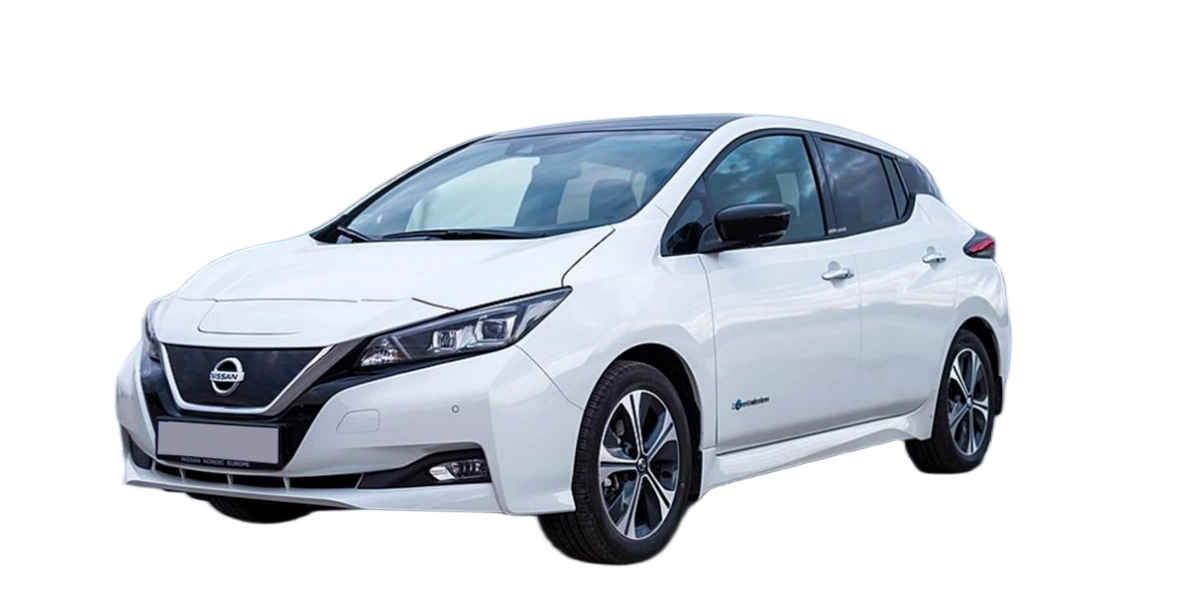
Here is the SEO-optimized article tailored for DIY enthusiasts looking to upgrade their Nissan Leaf Plus battery.
⚡ The Ultimate DIY Guide: Replacing Your Nissan Leaf Plus Battery for Maximum Durability
The Reality of Electric Vehicle Ownership: You love the freedom and efficiency of your Nissan Leaf Plus (specifically the e+ or high-capacity models like the 62kWh variants), but battery degradation is an inevitable fact of life. If your range has dropped from 220+ miles to barely scraping 100 miles, it is time to consider a solution that doesn’t involve trading in your car for a new one. For the savvy DIY enthusiast, replacing the battery pack is not just a mechanical challenge; it is a financial imperative.
This guide is designed for those who want to breathe new life into their Leaf Plus using a durable, high-performance replacement battery. We will walk you through why upgrading is necessary, what to look for in a “DIY-friendly” battery, and the core steps to ensure your project is a success.
🛠️ Why Upgrade Your Leaf Plus Battery?
The Nissan Leaf Plus (models like the Leaf e+, ZE1, or AZE0 with 62kWh capacity) was built for longer range, but standard Lithium-ion packs degrade over time. If you are facing “range anxiety” or your battery health has dropped below 70%, the factory options can be prohibitively expensive.
For the DIYer, sourcing a durable Leaf Plus battery is about control. Control over costs, control over the repair process, and control over the quality of components going back into your vehicle. A successful DIY replacement can save you thousands compared to dealership labor and parts, while restoring your car’s original performance.
🔋 Selecting the Right “Durable” Battery for Your DIY Project
Not all replacement batteries are created equal. As an expert in EV powertrains, I cannot stress enough how crucial it is to select a pack that is built for longevity, not just a cheap short-term fix.
Here is what separates a truly durable battery from the competition:
- Brand-New Cells vs. Refurbished: Many cheap options on the market use salvaged cells from totaled cars. These cells are already aged and have unknown cycling history. For a DIY enthusiast who wants this to be a “one-and-done” job, you need brand-new, A-grade cells (specifically CATL cells, which are the industry standard for reliability).
- OEM Compatibility: A “Durable Leaf Plus Battery” must be engineered to fit your specific chassis (e.g., Leaf ZE1 or AZE0) without requiring modifications to the chassis, brackets, or wiring harnesses. Look for packs that are “Plug-and-Play” to avoid complex rewiring.
- Battery Management System (BMS): The brain of the battery. A robust BMS ensures cell balancing, thermal management, and communication with your Leaf’s dashboard. A failure here will result in error codes and a stranded vehicle.
Expert Tip: Before you start disassembly, verify the KWH rating and physical dimensions of your new pack. The Leaf Plus 62kWh pack is physically larger and heavier than the older 40kWh or 30kWh models. Ensure your new purchase matches the exact specifications of your vehicle model.
📋 The DIY Preparation Phase
Before you jack up the car, gather your intelligence and tools.
- The VIN Check: Do not guess your compatibility. Use your Vehicle Identification Number to confirm the exact battery spec. This is non-negotiable for a Leaf Plus due to the variations between the ZE0, ZE1, and AZE0 platforms.
- Tools Required:
- Hydraulic jack and sturdy jack stands (The battery pack weighs several hundred pounds).
- Torque wrench (Critical for re-tightening bolts to factory specs).
- Insulated wrenches and safety gloves (High Voltage safety first!).
- A friend to help lift (The pack is heavy).
- Diagnostic tool (To reset codes and verify BMS handshake).
🔧 Step-by-Step: The Replacement Process
While a full mechanical manual is beyond this scope, here is the high-level workflow for replacing your Leaf Plus battery:
Step 1: Safety Lockout
Disconnect the 12V auxiliary battery first. This cuts power to the vehicle systems. Then, locate the Main Service Disconnect (MSD) or the high-voltage interlock on the battery pack itself. Remove this to ensure no current is flowing.
Step 2: Drain and Disconnect
The battery pack sits under the cabin. You will need to remove underbody panels. Before lowering the pack, ensure the area is clear. Disconnect the high-voltage cables (positive and negative) and the communication/data harness. Label everything.
Step 3: Lower the Old Pack
Unbolt the chassis mounting points. This requires precision. Slowly lower the old pack using a transmission jack or engine hoist.
Step 4: Install the New Durable Pack
This is where a “Plug-and-Play” design shines.
- Lift the new durable Leaf Plus battery into place.
- Reconnect the data harness first, then the high-voltage terminals.
- Torque the mounting bolts to Nissan specifications (usually around 80-100 Nm, but verify your manual).
Step 5: Programming and Testing
This is the most critical step for a DIY enthusiast. Most modern replacement batteries require BMS initialization.
- Reconnect the 12V battery.
- Use a Nissan Consult scanner or a compatible OBD2 tool to verify the Battery State of Health (SOH) reads 100%.
- Check for any pending codes (U-codes or B-codes related to the battery).
🛡️ Why “Durability” Matters for Your DIY Investment
As a DIY enthusiast, your time is valuable. You do not want to do this job twice. A “Durable Leaf Plus Battery” should come with specific assurances:
- Long Warranty: A true mark of durability is the warranty offered. Look for suppliers who back their product with at least a 2-year warranty or 80,000 km. This indicates the manufacturer stands behind the cell quality.
- Zero Defects: The goal is “Zero Failure” reliability. You want to install it and forget about it, focusing on enjoying the drive rather than monitoring for faults.
📈 The Result: A Revived Electric Vehicle
Once installed, a high-quality replacement battery will transform your driving experience. You will see the range bars jump back to 12/12, the charging speed return to factory levels, and the peace of mind that comes with knowing you have a brand-new, durable core powering your car.
This isn’t just a repair; it is a performance upgrade that extends the life of your vehicle by another decade.
❓ Frequently Asked Questions (FAQ)
Q1: Can I really replace a Leaf Plus battery myself, or do I need a mechanic?
A: While it is physically possible for a DIY enthusiast with the right tools (hydraulic jack, torque wrench), it is a heavy and high-voltage task. If you are uncomfortable working under a lifted car or handling high-voltage components, consult a professional. However, the process is largely mechanical bolt removal and replacement, making it accessible for advanced DIYers.
Q2: How do I know if a replacement battery is “Durable” and not just cheap?
A: Look for two things: Cell Origin and Warranty. Cheap batteries use recycled “B-grade” cells. A durable battery uses brand-new CATL or equivalent A-grade cells. Secondly, if the warranty is less than 1 year, the manufacturer likely does not expect it to last. Aim for suppliers offering 2+ years.
Q3: Will a replacement battery affect my car’s warranty or registration?
A: If installed correctly with a compatible OEM-spec pack, it should not affect the rest of your vehicle’s systems. Ensure the battery passes diagnostic checks (no error codes) after installation. Most modern replacement batteries are designed to communicate seamlessly with the Nissan Leaf’s ECU.
Q4: How much can I save by doing this DIY vs. going to a Nissan dealer?
A: Dealership replacements can cost upwards of $12,000 – $16,000 USD. By sourcing a direct replacement battery and doing the labor yourself, you can often achieve the same result for less than 50% of that cost, saving thousands of dollars.
Ready to restore your Nissan Leaf Plus to its full glory? Get a free compatibility check and quote for a durable, OEM-matched battery solution today.