Here is the SEO-optimized article tailored for DIY enthusiasts looking to upgrade their Nissan Leaf Plus battery.
The Ultimate Guide to Replacing Your Nissan Leaf Plus Battery: A DIY Expert’s Review
Are you a Nissan Leaf Plus owner facing range anxiety or a costly dealership repair bill? You’re not alone. As an expert in electric vehicle (EV) powertrains, I frequently encounter Leaf Plus owners who feel trapped by the high cost of Original Equipment Manufacturer (OEM) batteries. The good news is that a durable, high-performance replacement is within reach for the savvy DIYer.
This guide is specifically designed for Nissan Leaf Plus (ZE1) owners who want to reclaim their vehicle’s original 226-mile (364 km) range without paying the premium price tag. We will walk through the process of selecting a durable battery pack and the practical steps for a successful DIY installation.
Why the Nissan Leaf Plus (ZE1) Battery is a Game-Changer
Before diving into the replacement process, let’s understand what makes the Leaf Plus battery unique. Unlike the standard Leaf models (ZE0/AZE0) that use 24 kWh, 30 kWh, 40 kWh, or 62 kWh packs, the Leaf Plus (released from 2019 onwards, model code ZE1) was built around a larger battery to accommodate higher capacity cells.
The most common replacement need for the ZE1 is the 62 kWh lithium battery pack. This specific chemistry and configuration are crucial for maintaining the vehicle’s performance. Replacing this pack requires precision, as the Battery Management System (BMS) and physical dimensions must match the OEM standard to avoid dashboard errors or fitment issues.
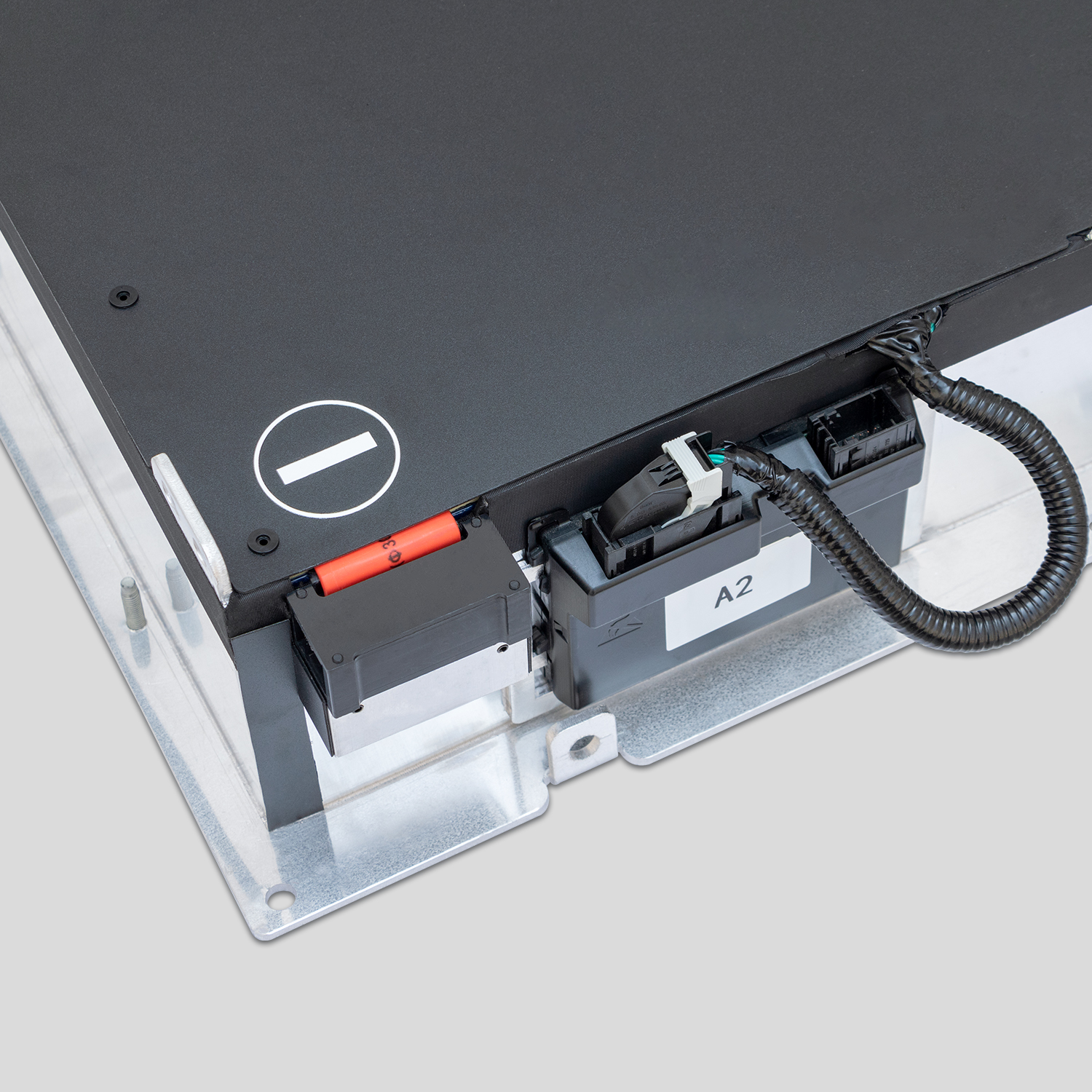
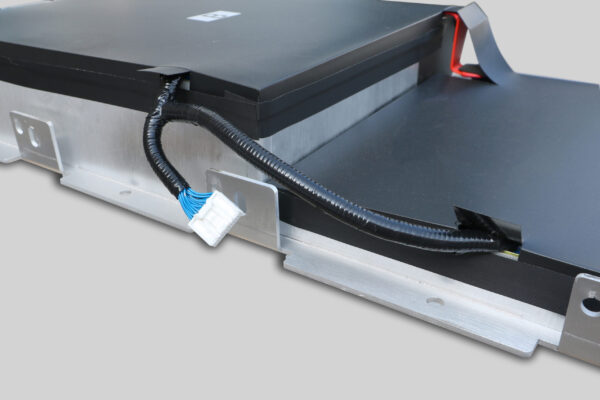
For the DIY enthusiast, sourcing a new 62 kWh lithium battery pack specifically designed for the ZE1 is the first step toward a successful revival of your vehicle.
Finding a Durable Alternative to the OEM Battery
When searching for a replacement, durability is the top concern. Many third-party options on the market use recycled or refurbished cells, which might save you money initially but fail within months due to swelling or rapid degradation.
As a professional in the field, my recommendation for a durable solution is a battery pack utilizing brand-new, premium-grade cells from a top-tier manufacturer. These new cells offer a significant advantage in cycle life compared to used modules.
- The Durability Difference: A battery built with new cells can offer a lifespan far exceeding that of refurbished options. Look for suppliers that guarantee “Zero Swelling” and provide data showing capacity retention over time.
- Cost Efficiency: The financial benefit is undeniable. A high-quality aftermarket 62 kWh pack typically costs only about 50% of the price quoted by the original manufacturer, allowing DIYers to save thousands of dollars while still enjoying a like-new driving experience.
Step-by-Step: Preparing for Your DIY Installation
Replacing the battery in a Nissan Leaf Plus is a manageable task for someone with intermediate mechanical skills. It is not just about dropping in a new box; it involves electrical connections and software synchronization.
Here is a pre-installation checklist based on professional teardowns:
- The Compatibility Check (The Most Important Step): Do not order a battery based solely on the model year. You must verify the specific pack configuration for your VIN. The Leaf Plus (ZE1) has specific voltage and interface requirements (such as Type 2 connectors) that differ from older Leafs.
- Gather Your Tools: You will need standard automotive tools (wrenches, screwdrivers), insulated gloves for safety, and a torque wrench to ensure proper bolt tightness.
- The Lift: You will need access to the undercarriage. While a professional lift is ideal, this can be done in a home garage with axle stands, though it requires significantly more time and caution.
The Installation Process: Safety and Simplicity
The actual installation process for a Nissan Leaf Plus battery typically takes 1 to 2 hours for a professional, or a bit longer if you are doing it yourself for the first time.
Safety First: Lithium-ion batteries are high-voltage equipment. Before starting, ensure the vehicle’s 12V power is disconnected. Wear protective gear to avoid any risk of short circuits.
The Procedure:
- Removal: Jack up the vehicle and remove the underbody shields. Disconnect the high-voltage cables and any sensor connectors from the old pack. Remove the mounting bolts.
- Installation: Lift the new 62 kWh lithium battery pack into place. This is where OEM compatibility matters; the mounting brackets should align perfectly with the factory chassis points.
- Connection: Reconnect the high-voltage cables and signal lines. The connectors should be color-coded or keyed to prevent incorrect insertion.
- The “Plug-and-Play” Moment: A well-engineered replacement pack should automatically match the system once connected. However, there is often a BMS (Battery Management System) programming step required to initialize the new battery with the car’s computer.
Overcoming the BMS Programming Hurdle
This is the step that often intimidates DIYers: BMS programming. The car needs to recognize that a new battery is installed.
Based on feedback from thousands of successful installations, this step is rarely a roadblock when you have the right support. Many manufacturers, including specialized OEMs, now offer free remote video guidance. If you encounter a programming error, an engineer can guide you through the software reset process via video call in about 5 minutes.
Once programmed, the final step is a test drive. You should see the full 12 capacity bars light up on your dashboard, signaling that your Leaf Plus has been successfully revived.
Real-World Results: What to Expect After the Swap
After installing a durable 62 kWh replacement, Leaf Plus owners report a dramatic transformation:
- Restored Range: Expect to regain approximately 440 km (273 miles) of real-world range, which is consistent with the vehicle’s original specifications.
- Performance: Acceleration and charging speeds should return to factory settings. Fast-charging capability is usually fully restored with a new pack.
- Peace of Mind: Knowing you have a brand-new battery with a substantial warranty (such as a 2-year or 80,000 km warranty) removes the anxiety of driving on borrowed time.
Frequently Asked Questions (FAQ)
1. Can I really install a Nissan Leaf Plus battery myself? Yes, absolutely. While it requires mechanical aptitude, the process is essentially “Plug-and-Play.” The physical installation involves removing bolts and disconnecting cables, which is standard automotive work. The main challenge is the BMS programming, but as mentioned, most reputable suppliers offer remote support to walk you through this specific step.
2. What is the difference between a 40 kWh and a 62 kWh battery for the Leaf Plus? The Leaf Plus (ZE1) was designed exclusively for the larger capacity batteries (45 kWh, 50 kWh, or 62 kWh). You cannot simply install a standard Leaf 40 kWh pack into a Leaf Plus; the software and physical dimensions are different. If you own a Leaf Plus, you must source a 62 kWh lithium battery pack (or 50kWh/45kWh depending on your specific region’s variant) to maintain the vehicle’s performance.
3. How much money can I save by doing this myself? By sourcing a high-quality aftermarket battery and performing the labor yourself, you can save approximately 50% to 60% compared to taking your car to a dealership or repair shop. Dealership replacements often cost upwards of $12,000 to $16,000, whereas a durable DIY solution can be achieved for a fraction of that cost.
4. Is it safe to buy a battery online and install it myself? It is safe if you purchase from a reputable manufacturer that adheres to OEM standards. Look for suppliers that use new cells (not recycled), provide a comprehensive warranty, and offer technical support. Ensure the battery has passed safety certifications for UN38.3 (transport) and relevant regional safety standards.
Ready to Restore Your Range?
Don’t let a failing battery force you into buying a new car. With the right 62 kWh lithium battery pack and a weekend of your time, you can give your Nissan Leaf Plus a second life.
If you need help verifying the correct battery model for your VIN or want to discuss your specific requirements with a technical expert, get in touch with our team today.