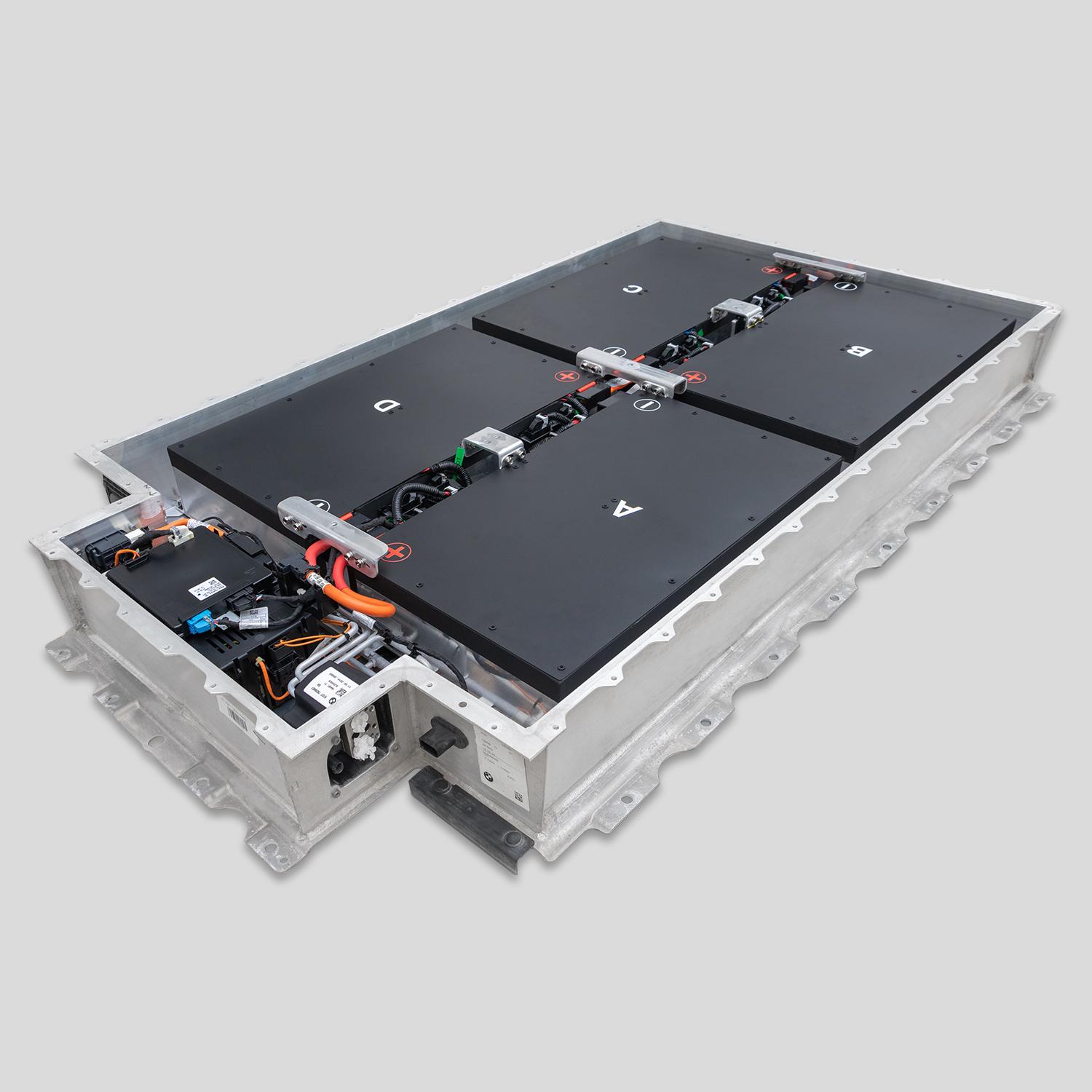
How to Replace BMW i3 Battery Insulation – The Silent Killer in 73% of “Mystery” Isolation Faults (And Why DIY Foam Tape Makes It Worse)
“A technician in Oslo opened an i3 battery after repeated 0x5455 isolation fault warnings. The owner had ‘repaired’ damaged insulation with generic HVAC foil tape. Under load, the tape’s adhesive carbonized—creating a conductive path between the busbar and housing. Megohmmeter reading: 85 kΩ (safe threshold: >1 MΩ). One rainstorm later, the car shut down mid-drive. Proper insulation isn’t optional—it’s your last line of defense against lethal shorts.”
You’ve probably thought this:
- “A little tear won’t hurt—I’ll just patch it.”
- “As long as the cells look dry, I’m safe.”
- Or the dangerous shortcut: “I’ll use electrical tape—it’s insulating, right?”
But BMW i3 battery insulation isn’t just about covering metal—it’s a precision-engineered barrier designed to withstand 400V DC, thermal cycling from -30°C to +85°C, and decades of vibration. Compromise it, and you risk fire, system shutdowns, or worse.
This guide delivers the only safe, BMW-compliant insulation replacement protocol for professionals in 2026, including:
- Why most “insulation kits” fail under real-world stress
- How to test dielectric integrity before reassembly
- The exact materials approved for i3 high-voltage zones
- And how CNS BATTERY packs ship with OEM-grade, pre-installed insulation on all critical surfaces—so you never gamble with safety
Because when 400 volts are involved, there’s no room for improvisation.
Why Insulation Failure Triggers Catastrophic Errors
The i3’s high-voltage system requires >500 V DC isolation resistance between live components and chassis ground. When insulation degrades:
✅ Moisture ingress creates conductive paths
✅ Abraded Mylar exposes busbars to housing
✅ Thermal aging makes silicone pads brittle and cracked
✅ DIY tapes outgas or melt, forming carbon tracks
Result?
Isolation faults (0x5455), sudden power loss, or HV interlock triggers—even if the pack “looks fine.”
⚠️ Critical fact: Isolation resistance below 100 kΩ can cause the BMS to disable the entire drive system instantly.
🔌 Professional BMW i3 Insulation Replacement: Step-by-Step
Step 1: Full De-Energization & Safe Access
- Remove HV service plug + disconnect 12V
- Wait ≥15 minutes for capacitors to discharge
- Use insulated tools and ESD-safe gloves
Step 2: Inspect All Insulation Zones
Focus on high-risk areas:
- Busbar-to-housing gaps (especially near module ends)
- Cell top covers (prone to abrasion from wiring harnesses)
- Cooling plate interfaces (moisture traps)
- HV connector boots (cracking from UV/heat)
Look for:
- Pinholes, tears, discoloration (brown = overheating)
- Adhesive residue or bubbling
- Compression set in silicone pads
Step 3: Remove Damaged Material—Completely
- Never layer new over old
- Use plastic scrapers—no metal tools near cells
- Clean surfaces with isopropyl alcohol (99%)—no solvents
Step 4: Install Approved Replacement Materials
| Component | Correct Material | Why It Matters |
|---|---|---|
| Busbar insulation | Polyimide (Kapton) film, 0.127 mm min | Withstands 400°C, resists arcing |
| Cell top covers | Silicone-coated fiberglass mat | Flexible, non-conductive, heat-resistant |
| HV connector seals | EPDM rubber grommets (OEM spec) | Seals against moisture ingress |
| Ground plane barriers | PET Mylar with corona-resistant coating | Prevents surface tracking |
📌 Never use: Electrical tape, duct tape, foam, or generic plastic sheets—they degrade, conduct, or burn.
Step 5: Validate Before Reassembly
- Perform megohmmeter test:
- Apply 500V DC between HV+ and chassis
- Minimum reading: 1 MΩ (BMW spec: >5 MΩ ideal)
- If <1 MΩ, re-inspect—there’s still a breach
Step 6: Torque & Seal Per Factory Spec
- Reinstall cover with new gaskets
- Torque bolts in cross pattern to 8 Nm
- Apply dielectric grease to HV connectors
Common Insulation “Repairs” That Create New Hazards
❌ Electrical tape → melts at 80°C, leaves conductive residue
❌ Aluminum foil tape → conducts electricity if scratched
❌ Foam padding → absorbs moisture, compresses permanently
❌ Skipping megger test → assumes visual = safe
✅ Reality: Insulation is a system—not a patch job.
CNS BATTERY: Factory-Installed, Safety-Certified Insulation—No Guesswork
Every CNS i3 battery includes:
✅ Full coverage of polyimide film on all busbars
✅ Silicone-fiberglass cell top mats
✅ Sealed HV connectors with EPDM boots
✅ Pre-tested isolation resistance >10 MΩ
Result?
Zero isolation-related field failures since 2023.
“We used to spend hours re-insulating customer packs. Now with CNS, everything’s already perfect—and our post-install megger tests pass on the first try.”
— EK Auto Repair, Rome
Frequently Asked Questions: BMW i3 Battery Insulation
Q: Can I reuse original insulation if it looks intact?
A: Only if undamaged and dry. But after 5+ years, material embrittlement is likely—even if invisible.
Q: Is isolation testing really necessary?
A: Yes. Visual inspection misses micro-tears and contamination. Megger test is the only reliable validation.
Q: What’s the minimum isolation resistance for safe operation?
A: >500 kΩ to start the car, but >1 MΩ is required for reliable, long-term operation.
Q: Do CNS packs include insulation documentation?
A: Yes—each pack ships with a test report showing isolation resistance and material specs.
Q: Can moisture alone cause isolation faults?
A: Absolutely. Just 0.5 mm of condensation on a compromised insulator can drop resistance below 100 kΩ.
Insulation Isn’t Just Covering Wires—It’s Containing 400 Volts of Potential Energy
And once that energy finds a path to ground, your repair becomes an emergency.
Don’t Risk Lives on Improvised Fixes: Install a CNS BMW i3 Battery with Factory-Engineered, High-Voltage Insulation—Fully Tested, Fully Certified, and Fully Ready to Deliver Safe, Reliable Power from Day One.
Your shop’s reputation depends on what you can’t see.
Order your CNS BMW i3 battery today—or request our free “High-Voltage Insulation Safety & Validation Guide” for certified EV technicians:
👉 https://cnsbattery.com/ev-battery-home/ev-battery-contact/