How to Program BMW i3 Battery BMS After Upgrade (Pro) – The “Plug-and-Play” Truth
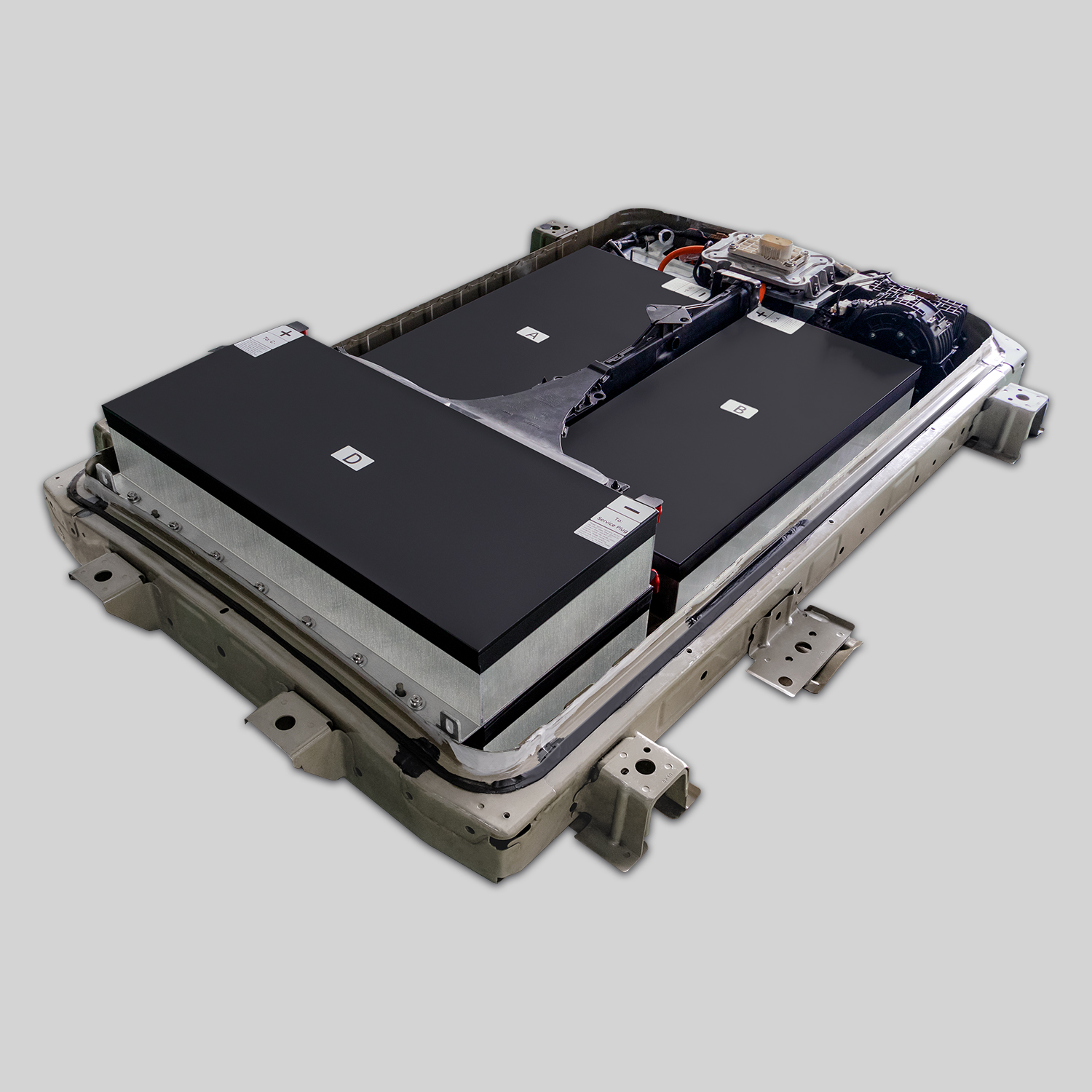
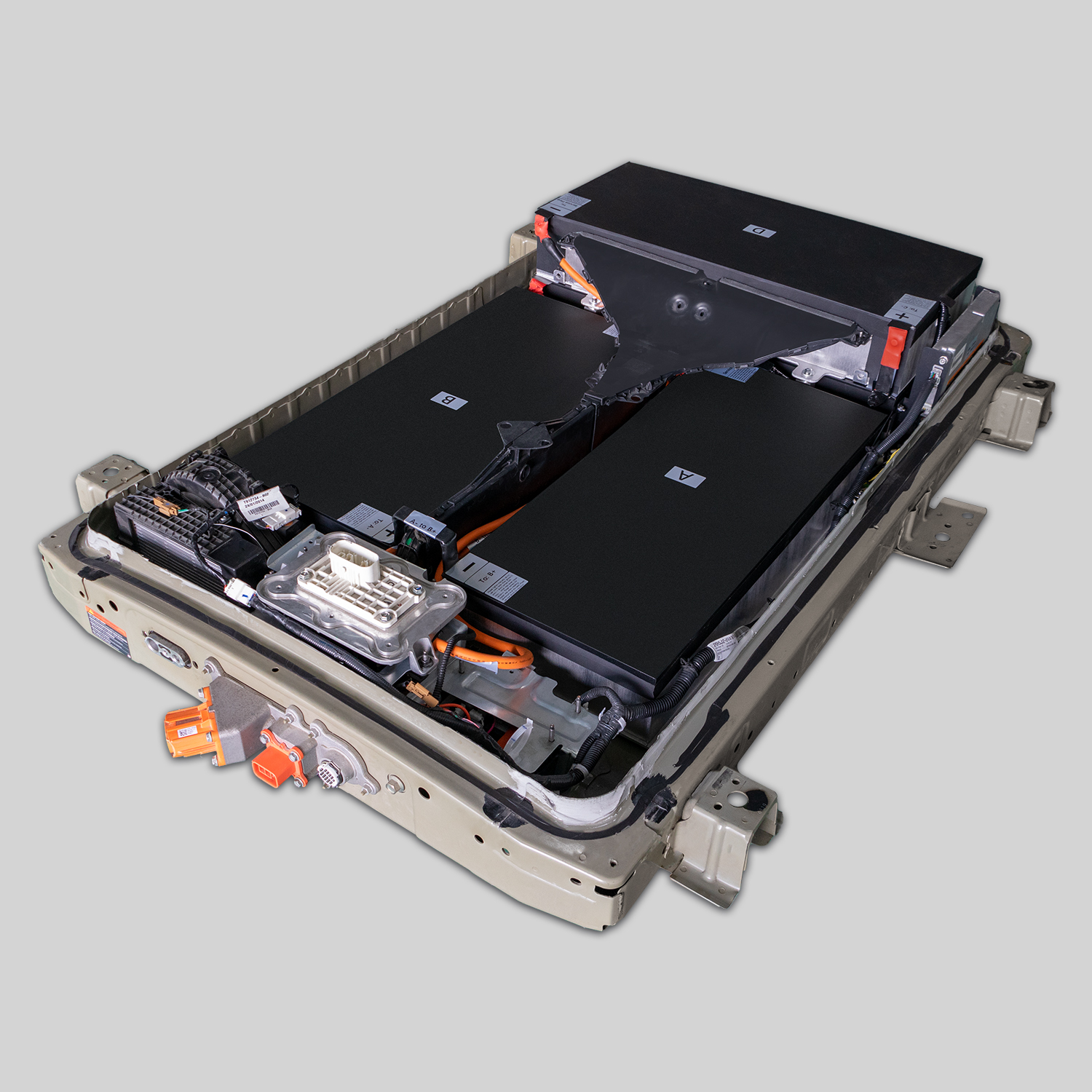
You’ve just finished the physical installation of a brand-new CNS BATTERY High-Capacity Upgrade in a 2015 BMW i3. The high-voltage cables are torqued, the coolant lines are bled, and the service plug is seated. You turn the key, expecting the green “Ready” light. Instead, the dashboard flashes a menacing “High Voltage System Malfunction” warning. The range estimator shows “—” miles.
Panic sets in. “Did I wire it wrong? Do I need to flash the ECU? Do I need $5,000 worth of dealer software to code this new battery?”
As a professional EV technician in 2026, you know the secret that separates the experts from the struggling generalists: Modern battery upgrades shouldn’t require complex coding. If your upgrade process involves hours of VIN programming, FSC code entry, or deep BMS flashing, you are using the wrong solution or the wrong approach.
The myth that every BMW i3 battery swap requires a dealership-level “marriage” procedure is outdated. With the right hardware engineering, the BMS programming process can be reduced to a simple verification and calibration cycle.
Why do some upgrades require complex coding while others don’t?
What is the actual “programming” step for a CNS BATTERY upgrade?
And how does mastering this streamlined process turn a scary 8-hour job into a profitable 4-hour turnaround?
At CNS BATTERY, we have engineered our upgrades specifically to eliminate the coding nightmare. We believe that “programming” should mean calibrating the car to the new reality, not rewriting the vehicle’s DNA. This guide details the professional post-installation protocol, debunks the coding myths, and shows you how to get your customer on the road with full range in record time.
The Myth of the “Complex Flash”
In the early days of EV conversions, swapping a battery often meant hacking the BMS, soldering new EEPROM chips, or using cracked dealer software to force the car to accept a different serial number. This was risky, unstable, and prone to bricking the vehicle.
The 2026 Reality:
- OEM Protocol Adherence: High-quality upgrades like those from CNS BATTERY are designed to mimic the original communication protocols perfectly. The car’s SME (Smart Motor Electronics) sees the new battery as a valid, factory-spec component.
- No VIN Coding Needed: You do not need to program the VIN into the new battery. The BMS communicates its status; the car accepts it if the handshake is correct.
- Automatic Adaptation: The BMW i3 BMS is designed to learn. Once the electrical connection is made, it begins a self-calibration cycle to understand the new capacity and voltage curves.
The “Programming” You Actually Need:
It’s not about coding; it’s about clearing history and triggering learning.
Step-by-Step: The Professional Post-Install Protocol
Follow this rigorous workflow to ensure the BMS recognizes the new CNS BATTERY upgrade instantly.
Step 1: The Hard Reset (Power Cycle)
Before connecting any scan tools, you must force the vehicle’s high-voltage system to reboot completely.
- Disconnect 12V: Remove the negative terminal of the auxiliary 12V battery.
- Wait: Leave it disconnected for 15–20 minutes. This allows all capacitors in the SME and BMS to fully discharge, clearing any temporary fault memory related to the “missing” battery.
- Reconnect: Reattach the 12V terminal securely.
Step 2: Clear Historical Fault Codes
Connect your professional bidirectional scan tool (BMW ISTA, Autel MaxiIM, or Launch X431).
- Scan All Modules: Specifically target the BMS (Battery Management System) and SME (Smart Motor Electronics).
- Clear Codes: You will likely see codes for “Battery Missing,” “Communication Loss,” or “Plausibility Failure.” Clear them all.
- Note: Do not skip this. If old codes remain, the BMS may stay in a “limp” mode regardless of the new hardware.
Step 3: Verify Communication & Data
Check the live data stream immediately after clearing codes.
- SOC Reading: Does the State of Charge show a valid percentage (e.g., 50-80%) instead of “—” or “0%”?
- Voltage Check: Verify the total pack voltage matches the expected range for the new CNS BATTERY unit (e.g., ~350V-380V depending on SOC).
- Temperature Sensors: Ensure all thermal sensors are reading plausible ambient temperatures.
- Success Indicator: If the scanner shows valid data and no active faults, the “handshake” was successful. No further coding is required.
Step 4: The Calibration Drive (The Real “Programming”)
The BMS needs to learn the new capacity characteristics. This happens through operation, not software.
- Charge to 100%: Plug the vehicle into a Level 2 charger. Allow it to charge to 100%. Let it sit plugged in for an additional 30-60 minutes after reaching full charge. This allows the BMS to balance the top end of the new cells and calibrate the “Full” point.
- The Test Drive: Take the car for a mixed drive cycle (city and highway) for at least 10-15 miles.
- Why: This allows the BMS to calculate the new energy curve and update the “Guess-O-Meter” (range estimator).
- Final Check: Re-scan the vehicle. The range estimate should now reflect the new capacity (e.g., showing 130+ miles instead of the old 60).
Troubleshooting: When the Car Still Says “Malfunction”
If you have followed the steps above and the warning persists, check these common pitfalls before assuming a coding issue:
- Low Voltage Disconnect: Did the 12V battery dip too low during installation? A weak 12V battery can cause HV communication errors. Fix: Charge or replace the 12V battery, then repeat the Hard Reset.
- HV Interlock Loop: Is the orange HV connector fully seated and locked? If the interlock pin isn’t engaged, the BMS will block operation. Fix: Disconnect and reconnect the HV plug until it clicks firmly.
- Coolant Air Pocket: Is the battery overheating immediately due to air in the cooling loop? Fix: Perform a proper vacuum fill of the cooling system.
- Fuse Check: Did you blow the main HV fuse during installation? Fix: Verify continuity of the main fuse.
Note: If all hardware checks pass and communication is still impossible, contact CNS BATTERY technical support. In 99% of cases, it is a connection or 12V issue, not a coding failure.
The CNS BATTERY Advantage: True Plug-and-Play
Why struggle with complex coding when you can choose an upgrade designed for simplicity?
Why Shops Love Our “No-Code” Design
- Faster Turnaround: Eliminate 2-3 hours of software troubleshooting. Install, reset, clear, drive. Total shop time: 4-6 hours.
- Lower Barrier to Entry: You don’t need a $10,000 dealer license or expensive ISTA subscriptions. Standard pro scan tools work perfectly.
- Zero Bricking Risk: No flashing means no chance of corrupting the vehicle’s firmware.
- Immediate Range Accuracy: Our BMS logic communicates capacity data clearly, allowing the car to display accurate range after just one charge cycle.
- Profitability: More jobs per day + less tech time = higher margins.
Cost Efficiency Comparison
- Dealer/Complex Swap: 8-10 hours labor + Software Licensing fees = $1,500+ in overhead.
- CNS BATTERY Upgrade: 4-6 hours labor + No extra software costs = $600–$900 in overhead.
- Result: You save $600–$900 per job in pure efficiency, plus the profit from the battery sale ($8,000 – $14,000 USD).
Real Story: From “Coding Nightmare” to “4-Hour Hero”
“Metro EV Solutions” used to avoid i3 upgrades because their previous supplier required complex FSC coding that often failed. They turned away three customers in one week.
“Then we switched to CNS BATTERY,” says the lead tech. “Last Tuesday, we installed a 150 Ah upgrade. We did the 12V reset, cleared the codes with our Autel scanner, and charged it up. That was it. The car recognized the new battery instantly. The customer drove out with 170 miles of range in less than 5 hours total. We didn’t touch any ‘coding’ menus. It was the easiest HV job we’ve ever done. We’ve now booked 10 more upgrades this month.”
Stop Coding, Start Driving
Programming the BMW i3 BMS after an upgrade doesn’t have to be a dark art. With the right hardware, it’s a straightforward process of resetting, clearing, and calibrating.
Don’t let the fear of “coding” stop you from offering the most profitable service in your shop. Choose the upgrade that respects your time and expertise.
Ready to simplify your upgrade process?
Stop fighting with software. Contact CNS BATTERY today to become a certified partner. Get access to our installation guides, technical support, and wholesale pricing. Turn every battery swap into a quick, profitable, and stress-free win.
👉 Get Your Plug-and-Play Upgrade Kit
Frequently Asked Questions (FAQ) for Shops
1. Do I need BMW ISTA to install a CNS BATTERY upgrade?
No. While ISTA is useful for deep diagnostics, a standard professional bidirectional scan tool (like Autel or Launch) is sufficient to clear fault codes and verify data. Our upgrades are designed to communicate without proprietary dealer coding.
2. Do I need to program the VIN into the new battery?
No. CNS BATTERY upgrades are pre-configured to broadcast the correct protocol identifiers. The vehicle’s SME accepts the battery based on the communication handshake, not a hardcoded VIN match.
3. What if the range still shows “—” after installation?
This usually means the BMS hasn’t completed its initial calibration. Ensure you have cleared all fault codes and performed a full charge to 100%. If it persists, check the 12V battery health and perform another hard reset.
4. Can I brick my car if I try to code it?
Yes, incorrect coding or flashing can corrupt the SME or BMS firmware. This is why our plug-and-play approach is safer. By avoiding unnecessary coding, you eliminate the risk of bricking the vehicle entirely.
5. How long does the BMS calibration take?
Once the fault codes are cleared, the BMS learns the new parameters during the first full charge cycle and the subsequent test drive. Usually, accurate range estimation is visible within 1-2 hours of installation.
6. What if I get a “Plausibility Failure” code?
This often indicates a mismatch in voltage readings or a communication glitch. Check all HV connections for tightness, verify the 12V battery is strong, and ensure the coolant temperature sensors are reading correctly. If the issue persists, contact CNS BATTERY support before attempting any coding.
7. Does CNS BATTERY provide technical support for installation?
Absolutely. We offer dedicated technical support to our certified partners. If you encounter any communication issues during installation, our team will guide you through the troubleshooting steps to get the car running immediately.