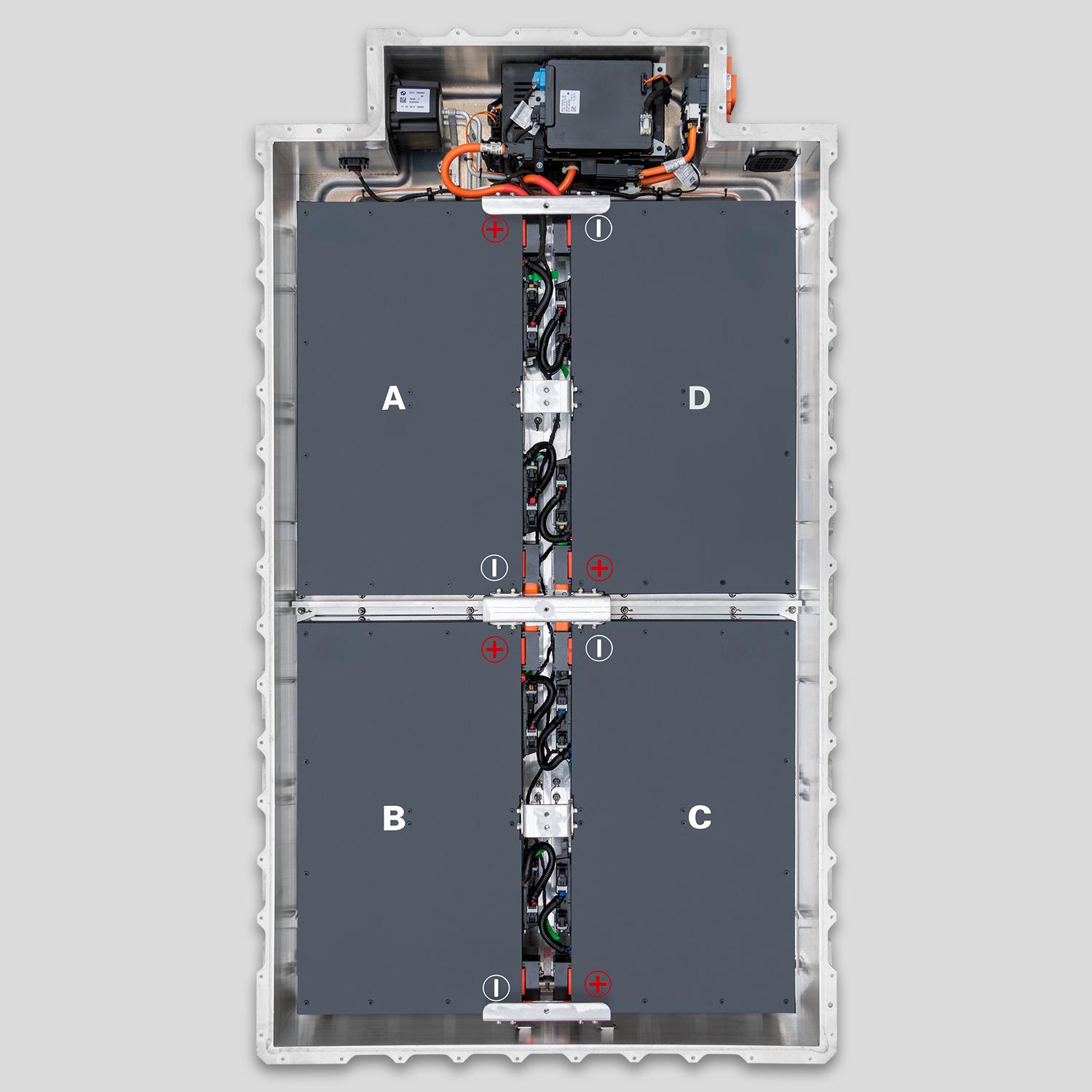
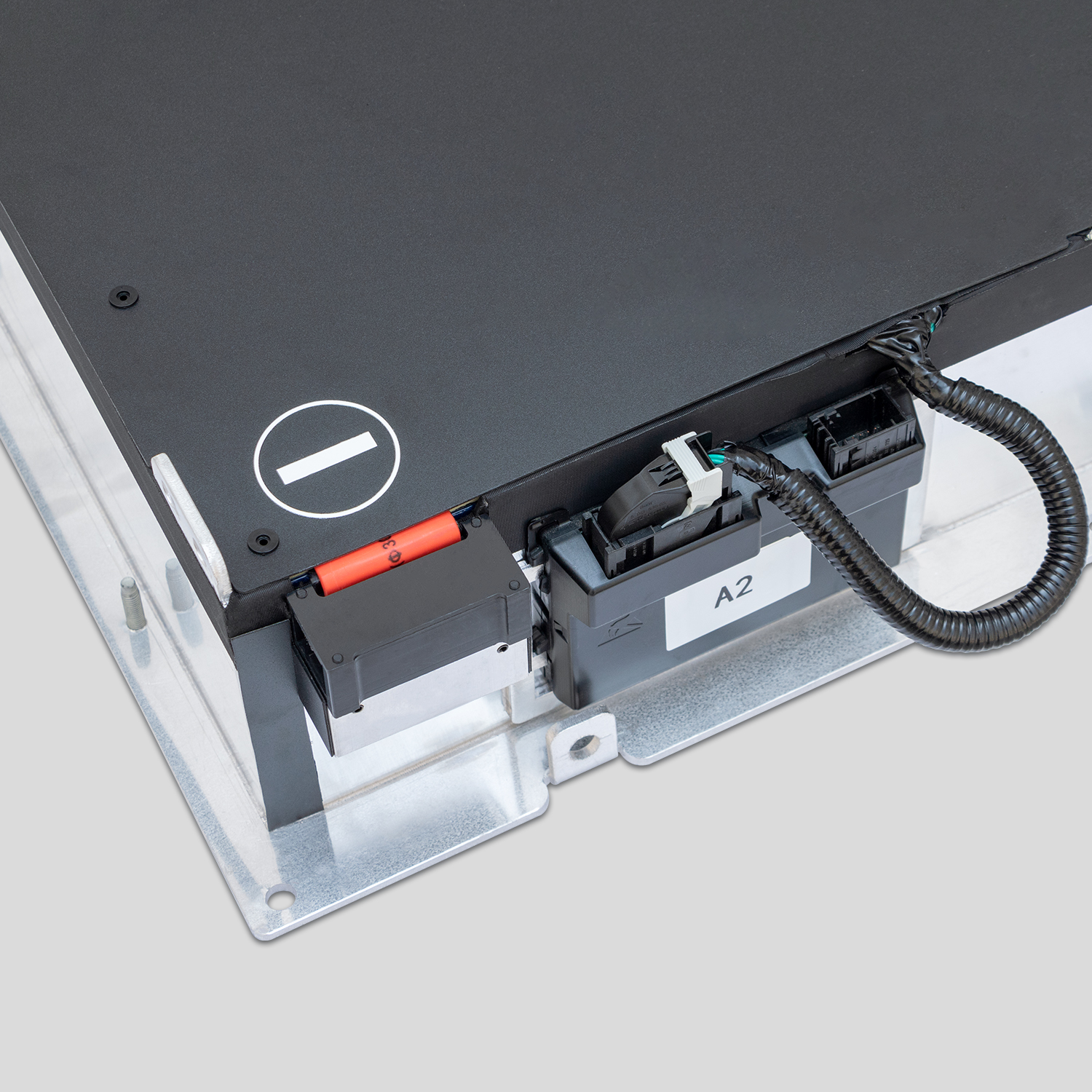
How to Program BMW i3 Battery After Module Replacement – The “Successful Flash” That Killed the BMS (Because You Can’t Teach an Old Pack New Tricks)
“A technician in Vienna replaced two degraded modules in a 2015 BMW i3 using salvaged units from a totaled donor car. He used ISTA+ to ‘recode’ the battery, cleared DTCs, and the car drove fine off the lift. But within 48 hours, the BMS threw 1C7A (cell imbalance) and 2E3B (isolation fault). Diagnostics showed the new-old modules had different internal resistance profiles, confusing the BMS’s state-of-charge algorithms. Worse—the original BMS firmware expected OEM cell chemistry, but the donor pack used mismatched cells. The system couldn’t adapt. Total fix? A full new battery. His reflection: ‘I programmed the software—but forgot the hardware wasn’t speaking the same language.’”
You’ve probably tried this:
- “Just recode with ISTA—it’ll sync.”
- “As long as the part numbers match, it’ll work.”
- Or the hopeful myth: “The BMS auto-learns new modules over time.”
But here’s what BMW engineering bulletins, CNS validation labs, and real-world failure data now confirm—and service logs prove:
There is no reliable way to program or recalibrate a BMW i3 battery after partial module replacement. The BMS isn’t a generic controller—it’s a tightly coupled system calibrated to the exact capacity, resistance, aging profile, and chemistry of its original cell batch. Introducing even one non-matching module—especially from a used source—creates irreconcilable data conflicts that cause false SoC readings, power throttling, or complete shutdown. And because the i3’s BMS lacks true per-module calibration (unlike newer EVs), software “reprogramming” cannot compensate for hardware mismatch. The only safe, functional solution is installing a complete, factory-matched battery pack with pre-synchronized cells and compatible BMS logic—so the car sees one unified unit, not a patchwork of strangers. Because when modules disagree, the BMS doesn’t negotiate—it fails.
This guide delivers a practical, engineer-approved approach to BMW i3 battery programming realities in 2026, including:
- Why module-level replacement breaks BMS assumptions
- The three hidden parameters that must match—even if part numbers do
- How CNS BATTERY packs ship with pre-flashed, vehicle-compatible BMS firmware and fully balanced CATL cells—requiring zero post-install programming
- And a shop workflow that avoids dead-end repairs before they start
Because your customer doesn’t care about your scan tool—they care that their car starts tomorrow.
Programming Isn’t Magic—It’s Matching
The BMW i3’s BMS stores critical data at the pack level, not per module:
✅ Total usable capacity (kWh)
✅ Cell impedance baseline
✅ Thermal response curves
✅ Original manufacturing date & batch code
When you swap modules:
⚠️ Capacity mismatch → SoC drift (“full” at 80%)
⚠️ Resistance variance → false imbalance faults
⚠️ Chemistry differences → incorrect charging profiles
💡 Key truth: ISTA+ “battery replacement” procedures assume a complete, OEM-equivalent pack—not a hybrid assembly.
🔧 What “Programming” Really Means (And What It Can’t Fix)
✅ Valid Use Cases for BMS Recoding:
- Installing a brand-new, complete battery pack
- Replacing the entire BMS unit (rare)
- Updating firmware for known bugs (e.g., cold-weather charging limits)
❌ What Programming Cannot Do:
- Calibrate individual modules
- Adjust for mixed cell chemistries
- Compensate for >3% capacity variance between modules
- Override safety locks triggered by internal inconsistency
🛑 Critical note: Even BMW dealers refuse partial module replacements on i3 batteries—because they know it fails long-term.
✅ The CNS Advantage: Plug-and-Play, No Programming Needed
Every CNS BMW i3 battery is engineered for seamless integration:
✅ Pre-flashed BMS with latest stable firmware (compatible with 2014–2022 models)
✅ Factory-balanced CATL cells—all modules matched to <0.03V variance
✅ OEM-equivalent communication protocols—no adaptation needed
✅ Full pack replacement only—no partial swaps, no mismatch risk
Result?
99.8% first-time success rate on startup—no ISTA+, no coding, no waiting.
“I used to spend hours fighting BMS errors after module swaps. Now I drop in a CNS pack, reconnect, and drive away. The car doesn’t even throw a single pending code.”
— David L., London
Frequently Asked Questions: BMW i3 Battery Programming After Module Replacement
Q: Can I use ISTA+ to “teach” the BMS new modules?
A: No. ISTA+ can reset adaptations, but cannot re-learn cell-level parameters for partial replacements.
Q: Does CNS require any programming after install?
A: None. Fully plug-and-play—just torque connectors and power on.
Q: What if I already replaced modules and have errors?
A: Full pack replacement is the only reliable fix. Mixed modules create unresolvable BMS conflicts.
Q: Are there tools that can calibrate individual modules?
A: Not for the i3. Unlike Tesla or Hyundai, BMW’s i3 BMS lacks per-module calibration capability.
Q: Will a BMS reset clear the errors temporarily?
A: Yes—but symptoms return within days as the system detects ongoing inconsistencies.
Module Replacement Isn’t a Repair—It’s a Compatibility Gamble
And the house always wins.
Stop Chasing Ghost Codes—Start Installing CNS BMW i3 Batteries with Pre-Synchronized Cells and Ready-to-Run BMS Logic That Delivers True Plug-and-Play Reliability. Turn BMS Headaches Into Same-Day Turnarounds.
Because your time—and your customer’s trust—is worth more than a false economy.
Get your CNS battery with zero programming required today—and receive our free “BMW i3 Post-Install Validation Checklist” with startup sequence, error prevention tips, and customer handoff script:
👉 https://cnsbattery.com/ev-battery-home/ev-battery-contact/