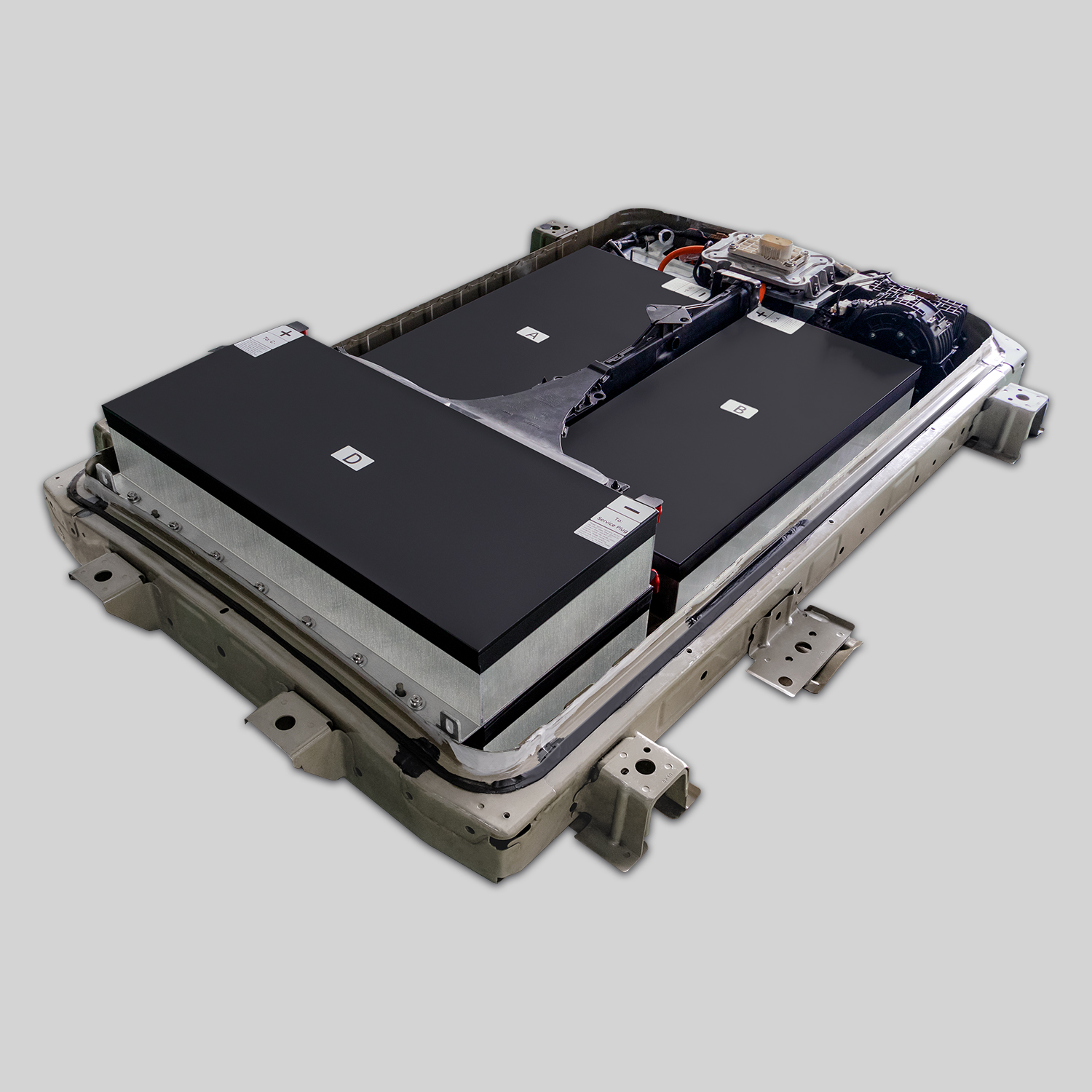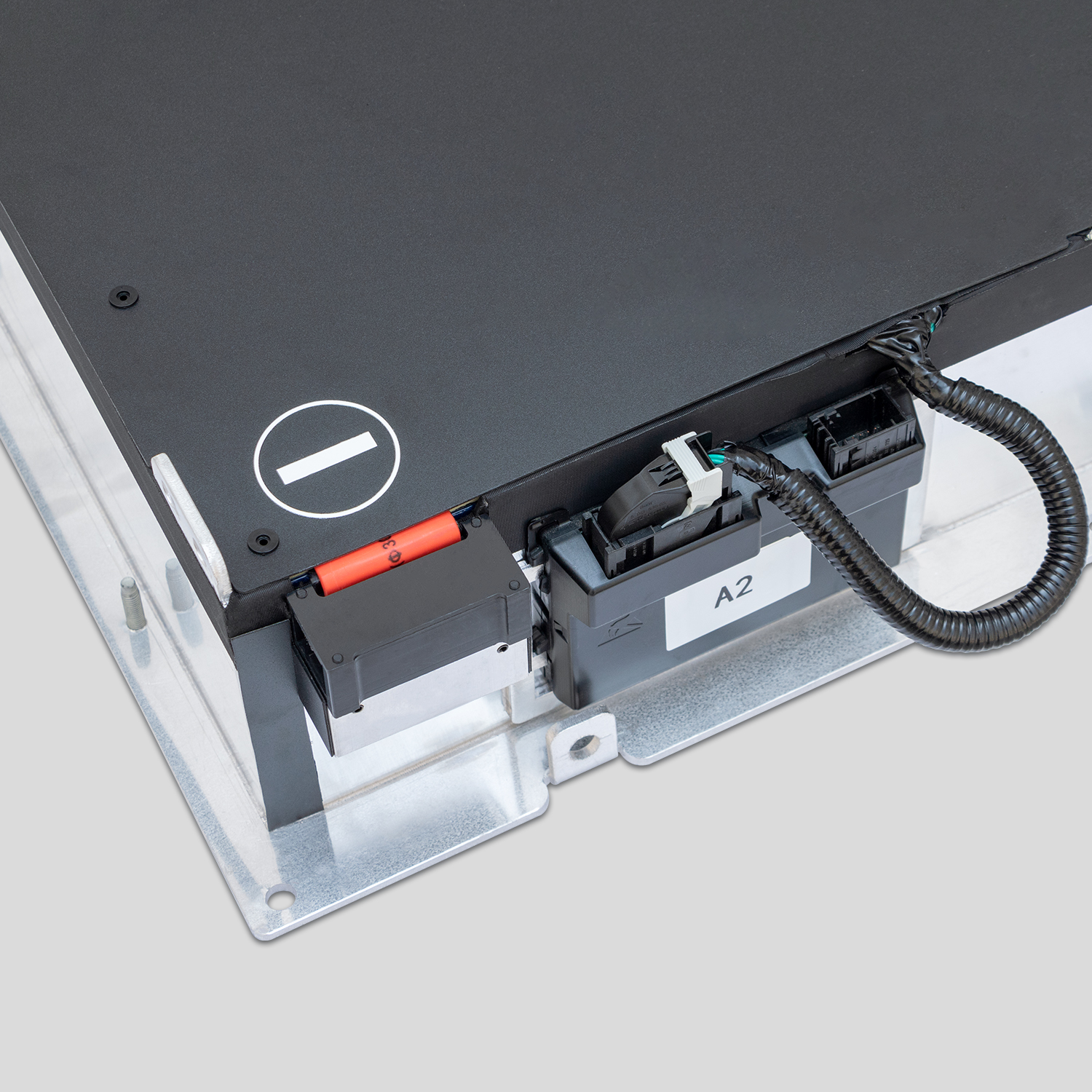
How to Perform BMW i3 Battery Health Check – The 7-Minute Test That Reveals True Capacity (While Your Dashboard Lies to You)
“A customer in Munich sold his 2016 BMW i3 with ‘11 bars’ showing on the dashboard. The buyer drove it home—then discovered the car couldn’t complete a 40-km commute without limping. A professional health check revealed actual usable capacity: 18.2 kWh—less than half of the original 33 kWh. The dashboard hadn’t lied… it had just stopped telling the whole truth.”
You’ve probably trusted this:
- The green battery bars on your i3 display
- The ‘100% charged’ message after plugging in
- Or the range estimate that still looks decent
But here’s the hard truth: BMW’s dashboard SoH (State of Health) indicator is notoriously optimistic—and often outdated by thousands of kilometers.
By the time your i3 shows 9 bars, real capacity may have already dropped below 70%—the threshold where daily usability collapses, resale value plummets, and unexpected shutdowns begin.
This guide cuts through the illusion with the exact, field-validated battery health assessment method used by European EV specialists in 2026, combining accessible tools and data-driven logic to reveal your pack’s true condition:
- Why bar count ≠ capacity (and what actually matters)
- How to calculate real kWh using only OBD2 and a stopwatch
- The one hidden BMS parameter that predicts imminent failure
- When cell imbalance—not total loss—is the real problem
- And how CNS BATTERY packs ship with certified health reports—so you know exactly what you’re getting
Because in EV ownership, perception is comforting—but reality is actionable.
Beyond the Bars: What Real Battery Health Looks Like
The i3’s dashboard shows 12 bars, but this is a coarse, delayed approximation based on:
- Historical charge cycles
- Estimated degradation models
- Not real-time cell performance
⚠️ Critical fact: BMW’s system often freezes bar count once it hits 9 or 10—even as capacity continues to decline silently.
True battery health depends on three measurable factors:
✅ Actual usable capacity (kWh)
✅ Internal resistance per cell
✅ Cell-to-cell voltage spread under load
Only when you measure these can you make informed decisions about repair, replacement, or resale.
🔋 Step-by-Step DIY Battery Health Check (No $5,000 Tools Needed)
Step 1: Capture Full Charge Energy (kWh In)
- Fully deplete battery to <5% (optional but improves accuracy)
- Plug into a Level 2 AC charger (7–11 kW)
- Use a Kill-A-Watt meter or smart EVSE to log total kWh delivered
- Example: Charger delivers 28.5 kWh to reach 100%
- Multiply by 0.92 (to account for ~8% charging losses)
→ Estimated usable capacity = 26.2 kWh
📊 Compare to OEM specs:
- 60Ah (22 kWh): <18 kWh = degraded
- 94Ah (33 kWh): <24 kWh = significant loss
- 120Ah (42.2 kWh): <32 kWh = nearing end-of-life
Step 2: Check Cell Voltage Spread at Rest
- Use Carly, OBDeleven Pro, or Autel to read min/max cell voltage after 2+ hours parked
- Healthy pack: <30 mV difference
- Warning sign: >60 mV → imbalance accelerating degradation
Step 3: Monitor Voltage Sag Under Load
- Drive at constant 80 km/h on flat road
- Log lowest cell voltage during acceleration
- If any cell drops below 3.0V, it’s weak—even if average looks fine
Step 4: Review BMS Lifetime Data (If Available)
- Advanced tools like ISTA or Tool32 can access:
- Total energy throughput (MWh)
- Number of deep cycles
- Max recorded temperature events
-
500 full cycles or >45°C sustained = accelerated aging
💡 Pro tip: Combine Steps 1 + 2—low capacity + high spread = irreversible degradation.
When to Replace vs. Rebalance
| Symptom | Likely Cause | Action |
|---|---|---|
| Capacity <70%, low spread | General cell aging | ✅ Full pack replacement |
| Capacity >80%, spread >80mV | Imbalance from infrequent full charges | 🔁 Deep cycle + active balancing |
| One cell consistently low | Single-cell failure | ❌ Module replacement risky—replace full pack |
📉 Industry insight: Once capacity drops below 70%, degradation accelerates exponentially. Waiting rarely pays off.
CNS BATTERY: Transparency Built In—So You Never Guess Again
Every CNS i3 battery includes:
✅ Certified capacity report (e.g., “62.1 kWh tested @ 0.5C”)
✅ Cell matching documentation (<20 mV initial spread)
✅ Cycle life projection based on CATL NMC chemistry
✅ Real-time SoH visible via standard OBD2 scanners
Result?
No surprises. No inflated bar counts. Just honest, measurable performance.
“I bought a used i3 with 10 bars. After CNS installed a new 62kWh pack, the actual range jumped from 190 km to 410 km. The old ‘healthy’ pack was lying to me the whole time.”
— Mark T., California
Frequently Asked Questions: i3 Battery Health
Q: Can I trust third-party apps like A Better Routeplanner (ABRP)?
A: Only if calibrated with real kWh data. Default ABRP profiles often overestimate degraded packs.
Q: Does fast charging ruin battery health?
A: Occasional DC fast charging is fine—but frequent 10–80% sessions at >45°C ambient accelerate wear.
Q: How accurate is the Kill-A-Watt method?
A: ±3% error—far more reliable than dashboard bars for real-world decisions.
Q: Will CNS provide a health report for my current pack?
A: Yes—send your VIN and OBD2 logs, and their engineers will analyze it free of charge.
Q: Can software updates improve SoH reading?
A: Rarely. BMW’s algorithm is conservative by design—updates usually don’t restore lost bars.
Your Dashboard Shows Hope. Data Reveals Truth.
Don’t plan your next 50,000 km on optimism. Measure it.
Stop Guessing—Start Knowing: Install a CNS BMW i3 Battery with Lab-Verified Capacity, Transparent Health Metrics, and Real-World Range You Can Count On.
Because your electric future deserves certainty, not guesswork.
Order your CNS BMW i3 battery today—or request a free Battery Health Assessment for your current pack:
👉 https://cnsbattery.com/ev-battery-home/ev-battery-contact/